

REVIEW · KATHMANDU COOKING & MOMO CLASSES
Half Day Cooking Class in Thamel with Local Market Visit
A cooking class in Thamel is the fastest route to real food. You get a local market visit and then head straight to the stove with a small group of 8, so you learn by doing and eating, not just watching.
The main drawback: if your class falls on a day when the market stop is altered, you might miss that shopping moment and end up paying more for some spices.
What Makes This Half Day Class Worth Your Time

This 3-hour experience is built around one simple idea, cook one course and eat it while it is hot. That keeps things fresh, and it also means you learn practical skills right away, like how much spice to use and when to adjust seasoning.
Key Points to Know Before You Go

- Local market visit helps you connect Nepalese ingredients to the flavors in your dishes.
- Three daily shifts (9:00 am, 1:30 pm, 4:30 pm) make it easier to fit into your sightseeing day.
- 3 menus with 4 dishes each means you can get variety, and momos are always included.
- Cook then taste keeps food hot and lets you personalize spice levels.
- Small group size (max 8) makes instructions feel hands-on and not rushed.
You can also read our reviews of more shopping tours in Kathmandu
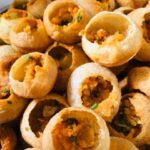
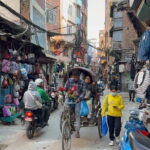
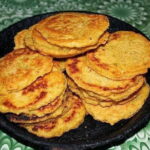
Market-to-Stove in Thamel, Bagmati Zone Nepal
Thamel is loud, busy, and full of shortcuts. This class turns that chaos into something useful by starting with shopping, then moving directly into the kitchen.
The local market visit matters because Nepalese cooking is ingredient-driven. You are not just learning recipes, you are learning what fresh items look like, which spices smell strong on purpose, and how those flavors land in real meals.
Then the class meets you in Thamel with pickup by walking within the area. That is a small detail, but it helps you avoid wasting energy on logistics in a neighborhood that is already packed.
The Local Market Visit: What You Learn Beyond Shopping

The market stop is there for a reason. You see ingredients you will use minutes later, and that makes the cooking steps make more sense.
You can expect to walk through the selection of Nepalese staples and spices, then use those ingredients in class. The best payoff is the connections you start making, for example, why one spice feels fragrant instead of just hot, or why fresh aromatics change the whole dish.
One thing to keep in mind based on real experiences is that the market visit can be inconsistent on certain days. In at least one instance, a class did not go to the food market, and the person also noted that spices purchased elsewhere were expensive. If market shopping is a big reason you booked, I suggest you confirm the day’s plan directly with the school when you receive your schedule.
Cooking Four Courses in One Sitting, and Eating While It’s Hot

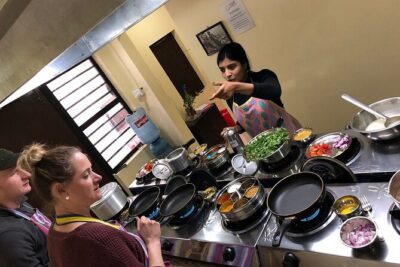
Most cooking classes teach you by letting food sit, which is a shame. Here, the flow is better: you cook one course, then eat it right away.
That rhythm is practical for you as a traveler. It keeps the session efficient, and it also helps you learn “cause and effect.” If your flavor balance is off, you notice it immediately, and your instructor can help you course-correct before the rest of the menu.
You will cook 4 courses total. The school rotates through three different menus, and each menu includes four traditional dishes. There is also a strong focus on variety, not just one repeat dish in different shapes.
And yes, the school is aware that a lot of visitors come for momos, so momos are included on each menu. That makes it easier to justify the class even if you are new to Nepali food.
How the Spice Control Works (Yes, You Can Adjust It)

One of the most useful parts of this class is that you are cooking the food, so you control the ingredients. If you like chili, you can add more. If you do not, you can go lighter without feeling guilty about wasting spice.
This is not just about comfort. It is about learning a technique mindset. You learn how to taste as you go, how spices change as they heat, and how seasoning builds through steps instead of appearing magically at the end.
The instructor is English-speaking, and the class is step-by-step from start to finish. That format is especially helpful if you are traveling solo, or if you worry you will fall behind in a hands-on setting. A small group also means you are less likely to get lost while someone else’s dish takes attention first.
A few more Kathmandu tours and experiences worth a look


Nepalese and Newari Food: What You’ll Be Cooking

You are cooking traditional Nepali and Newari food, not generic “international” dishes. That matters because these cuisines have their own spice logic and textures, like how dumplings differ from stews, and how sauces behave once the heat hits them.
The exact dishes vary because there are 3 menus, each with 4 traditional dishes. What stays consistent is the structure: you will cook several courses across those menu options, with momos included no matter which menu you land on.
From the experiences shared by participants, the food is often described as fresh and full of flavor, and the teaching style feels interactive rather than scripted. One person also highlighted the school’s connection to spices being grown by the family, which gives extra meaning to why the spice steps are emphasized.
Price and Value: Why $21 for 3 Hours Can Make Sense
At $21 per person for about 3 hours, this is priced like a true half-day activity. The bigger value question is what you get for your money, and here the list is solid.
You are not paying just for a recipe card. You get:
- 4-course meal that you help make and then eat hot
- Local market visit for ingredient context
- All equipment and ingredients
- Masala tea and drinking water
- English-speaking instructor
- Small group size limited to 8
- Pickup inside Thamel by walking within the area
When you compare that to eating out and trying to replicate cooking at home, you are effectively buying a guided tasting plus hands-on cooking time. If you enjoy food and want to learn flavors you cannot easily guess from menus, this is a strong deal.
If you are only mildly interested in cooking, it can feel like a lot of structure for 3 hours. But if you like learning through action, it is a smart use of a short window in Kathmandu.
Timing in Thamel: Picking 9:00, 1:30, or 4:30
The class runs in three shifts: morning at 9:00 am, afternoon at 1:30 pm, and evening at 4:30 pm.
This gives you flexibility, but it also changes how you experience Thamel that day. Morning can pair well with sightseeing while your energy is high. Afternoon is good if you want to slow down between longer activities. Evening works if you want a relaxing finish and a dinner-like meal without committing to a full night out.
One practical tip: if the market visit is important to you, try to choose the shift that clearly includes it in the school’s confirmation. Because at least one experience described missing the market stop and paying more for spices, it is worth double-checking the day’s flow.
Small Group Lessons, Friendly Instruction, and Solo-Friendly Setup
This is a small group class with a limit of 8 participants. That small size is not a “nice to have.” It changes the whole learning experience.
In a small group, you get more attention, faster feedback, and better chances to ask questions. One participant specifically mentioned feeling welcomed and well taken care of when attending alone, and that the group felt relaxed rather than like a formal school setting.
The instruction is described as patient and interactive. That is what you want in a cooking class, because Nepalese flavor building can be tricky if you are guessing. Here, you get guidance step by step, plus the chance to adjust ingredients to your own preferences.
If you have dietary restrictions, tell the school ahead of time. The class notes encourage you to inform them about allergies or restrictions so the instructor can make accommodations or suggest alternatives.
Practical Tips Before You Arrive in Thamel
Come hungry, and also come ready to take in smells and tastes. The class includes lots of food, because you cook and then eat each course.
Bring a camera, since you will likely want photos during the market visit and at the meal table. You will also be handling ingredients, so wear clothes you can get a little messy in, just in case.
If you are spice sensitive, decide ahead of time where you want to land on heat. Then during cooking, communicate your preference through your ingredient choices. The class is designed to let you add as much or as little as you want.
Finally, take the time to taste with attention. This is not a “rush and move on” meal. If something feels too salty, you learn what that means. If it feels too mild, you learn how spice depth changes once heat is applied.
Should You Book This Cooking Class in Thamel?
Book it if you want a hands-on way to understand Nepali and Newari flavors in a short time. The combination of market-to-stove, cook then eat, and 4 courses makes it feel efficient and satisfying, not like a quick demo.
Also book it if you like interactive classes and want a small-group setting where you can ask questions. The English instruction helps a lot, and the momos inclusion means even dumpling fans get a guaranteed highlight.
Skip or reconsider if market shopping is the main reason you want the class, because market visits may vary by day. If that is your priority, confirm the schedule details before you commit.
If you want a practical food memory that is not just a photo, this class gives you one. You leave with tasting notes you can actually recreate, plus the confidence that you can adjust spice and ingredients to match your own taste.
FAQ
How long is the cooking class in Thamel?
The class runs for about 3 hours, with a half-day format.
What is the price per person?
The price is $21 per person.
Does the class include a market visit?
Yes. A local market visit for fresh ingredients is included.
How many courses do I cook and eat?
You cook and taste 4 courses of traditional Nepali and Newari food.
Are there different menus?
Yes. There are 3 different menus, and each menu includes 4 traditional dishes.
Are momos included?
Yes. Momo is included on each of the three menus.
What language is the instruction in?
The instructor provides instruction in English.
What should I bring with me?
You should bring a camera. You should also share any dietary restrictions or allergies with the school so the instructor can accommodate you.
More Markets in Kathmandu

More Shopping Tours in Kathmandu
More Tour Reviews in Kathmandu


Not for you? Here's more nearby things to do in Kathmandu we have reviewed


Kathmandu Cooking & Momo Classes, compared.
 ★ 5.0Half day cooking class in Thamel kathmanduFrom $28607 reviews
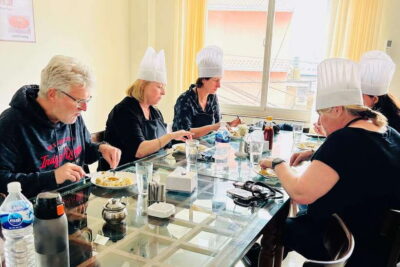 ★ 4.9Local Women-Led Nepali Cooking & Momo ClassFrom $4360 reviews
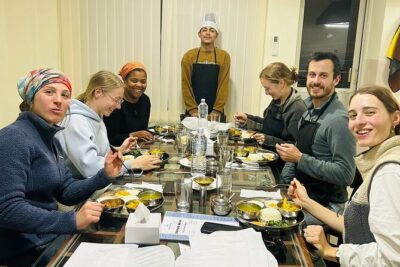 ★ 5.0Local Lead Nepali Cooking & Momo-Making ClassFrom $5212 reviews
Local Women Lead Nepali Cooking ClassFrom $30125 reviews
★ 5.0Local Lead Nepali Cooking & Momo-Making ClassFrom $5212 reviews
Local Women Lead Nepali Cooking ClassFrom $30125 reviews
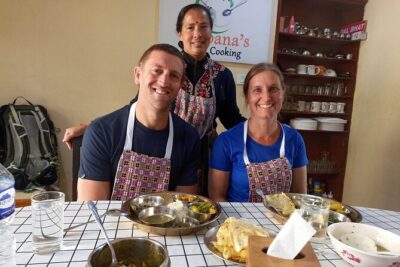 ★ 5.0The best Private Nepali Cooking Class in KathmanduFrom $2483 reviews
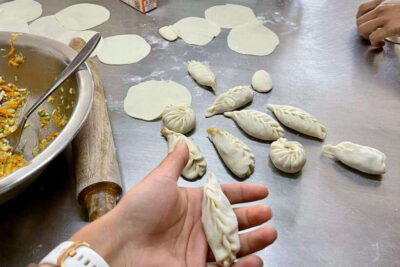 ★ 4.8Traditional Momo Making Class & PickupFrom $460 reviews
 ★ 5.0Traditional Nepali Momo Making ClassesFrom $1853 reviews
 ★ 4.9Local Women-Lead Nepali Cooking & Momo ClassFrom $545 reviews
Browse the lists this tour appears in