
REVIEW · KATHMANDU COOKING & MOMO CLASSES
Kathmandu: Local Lead Nepali Cooking & Momo-Making Class
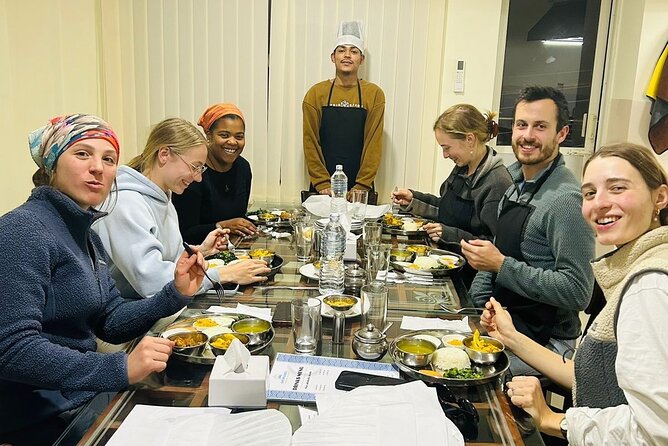
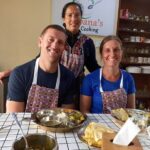
Your hands learn Nepal fast. This Kathmandu Cooking Academy class mixes a short ingredient run in the local market with a chef-led cooking session built around momo-making and classic Nepalese flavors, starting with a warm cup of Nepali masala tea. I especially like how step-by-step instruction keeps you cooking even if you have zero kitchen confidence, and how you get real interaction with the chef and the group.
One thing to consider: it is a small group (up to 12), so you will share the pace. If you want a totally private, quiet cooking experience, this setup may feel a bit social.
Key Points to Know Before You Go
- Market or shop stop first, so the ingredients you cook with have a story attached
- Momo choice between vegetarian and chicken, with hands-on shaping
- Three-dish format with an entrée, a main course, and a dessert selected from a traditional menu
- Traditional tools and techniques taught by an experienced chef and instructor
- You eat what you make, with a relaxed tasting session at the end
- Recipes to take home via a detailed cookbook and a PDF send-out mentioned in the class experience
Kathmandu Cooking Academy in Thamel: easy to reach, small enough to matter
The class meets at Kathmandu Cooking Academy in Thamel, at Yapikhya Marg, Kathmandu 44600. Thamel is a convenient base, and one review highlighted that the academy is only about a 10-minute walk from there, which is a big plus when you do not want to fight traffic right before cooking.
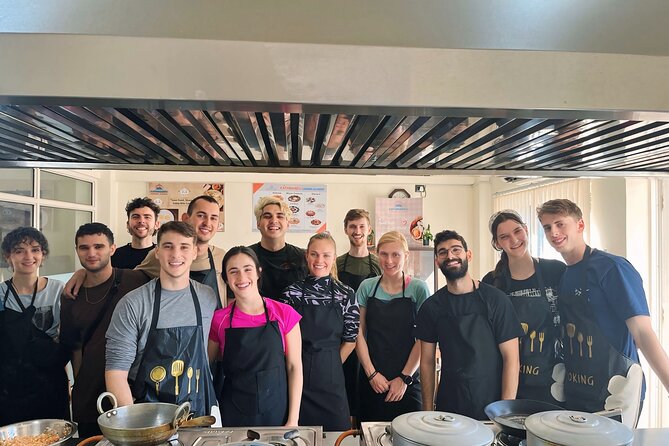
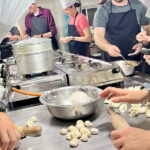
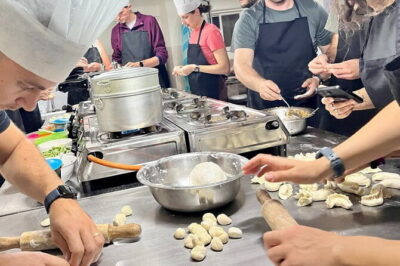
The group size cap is 12 travelers. That number matters. You are not just watching a demonstration. You are working at the stations, getting corrections, and learning techniques while the chef is still close enough to help.
If you selected hotel pickup, the class includes pickup and drop-off. If not, the meeting point is also near public transportation, so you can still get there without needing a private driver.
You can also read our reviews of more cooking classes in Kathmandu
The first 10 minutes: Nepali masala tea and a chef who actually teaches
Every good cooking class starts by getting you calm and ready to work. Here, you begin with a warm welcome and a traditional cup of Nepali masala tea. It is a small moment, but it sets the tone that this is about Nepalese hospitality, not just food production.
Then the instruction kicks in. The class is led by an experienced chef and instructor, and the teaching style seems designed for clarity, including good English that makes the process feel manageable. If you learn best by doing, you will like this flow because you are not stuck reading a recipe while someone else cooks.
I also like that the atmosphere is playful. One of the standout themes from the feedback is laughter during the cooking, especially when you see how your dumpling folds compare to the chef’s perfect version.
Market-shopping for Nepali ingredients: what you gain beyond the recipe
Before you cook, you take a short market or shop visit to pick up fresh ingredients. That might sound like a filler stop, but it is one of the best parts of the overall value.
Why it helps you as a cook:
- You learn what ingredients matter for flavor, not just what they are called
- You get used to the basic logic of Nepali dishes, where spice, acidity, and timing work together
- You become more confident when you recreate recipes at home, because you understand what to look for
This class explicitly includes that ingredient run, framed as buying the important items you will use in your dishes. So you are not guessing later. You already saw the key components and how the cooking team expects them to be handled.
Momo-making in Kathmandu: vegetarian or chicken, hands-on from start to finish
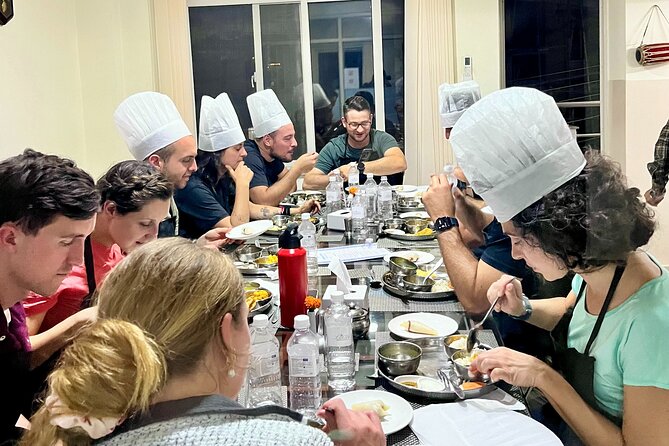
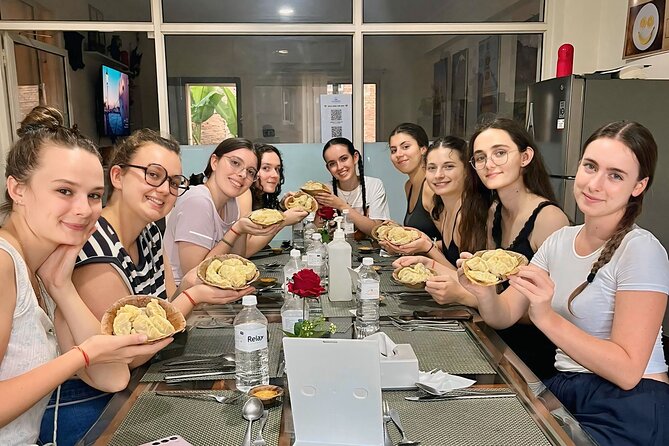
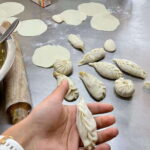
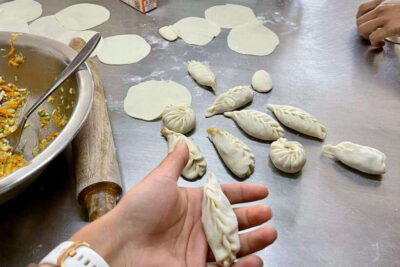
Momo-making is the headline, and the format is straightforward: you get hands-on crafting Nepal’s most beloved dumplings, with an option for vegetarian or chicken.
In a lot of cooking classes, momo is treated like a quick “try this” moment. Here, it is treated like the core skill of the session. You learn how dumpling dough and filling come together, then how shaping works in practice.
The class uses traditional utensils. That may sound like a detail, but it changes how you approach the task. You are not trying to replicate Nepalese technique with random kitchen gear from home. You are learning in the same style the chef uses, which makes the lessons more transferable.
Also, do not worry if your first dumplings look uneven. The vibe in the kitchen includes plenty of laughs while comparing your shapes to the instructors’. It is friendly pressure, not intimidation.
Practical tip: since you are working with dough, take your time on the first few dumplings. Speed comes later. The chef’s step-by-step guidance is there for a reason.
The three-dish lesson: entrée, main, and dessert that actually builds skills
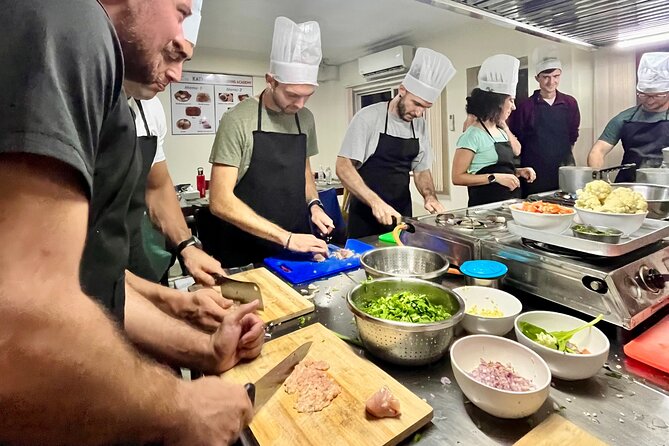
After the momo segment, you shift into three Nepalese dishes built into the lesson structure: one entrée, one main course, and one dessert. Which specific dishes you cook depend on the traditional menu offered for your session.
Still, the class is clearly grounded in recognizable Nepalese favorites. From the provided dish examples, you may cook items like dal bhat and yomari, and you could also run into preparations such as bara based on past class experiences. That matters because these foods are not exotic “one-time only” concepts. They are part of everyday Nepalese eating culture.
What I like about this setup is that it teaches breadth. You are practicing different cooking moves within a single 3.5-hour block, rather than repeating the same technique three times. That helps if you want more than just a tasting afternoon.
You also learn the cultural background and cooking techniques behind each dish. The goal is not trivia. It gives you context for why certain steps matter, so the flavor and texture make more sense.
A few more Kathmandu tours and experiences worth a look
From kitchen to table: tasting session and how to remember what you did
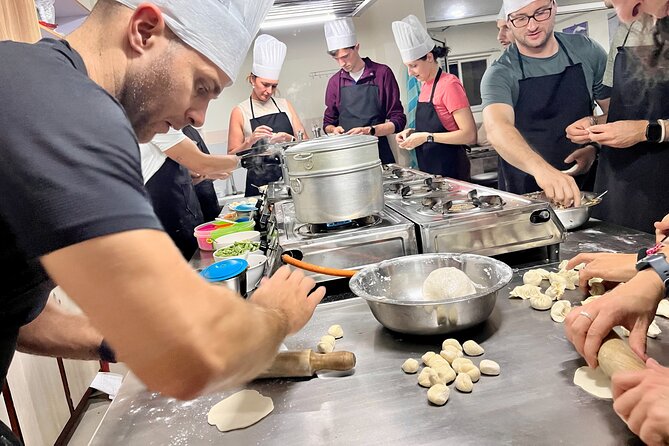
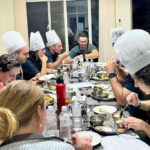
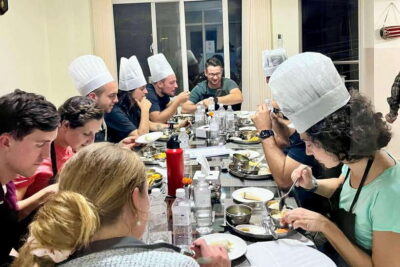
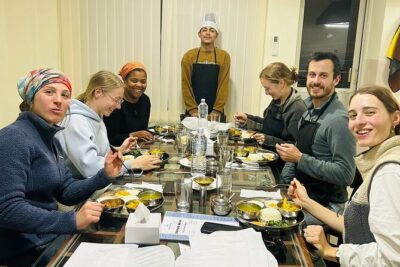
Once cooking finishes, you sit down for a tasting session to enjoy the food you prepared. This is where the class delivers on its promise that you will not just “learn.” You will eat the results.
The tasting is also a chance to calibrate what you made. Nepalese cooking often relies on subtle balances. When you taste your own food side by side with what the chef intended, you pick up small clues about seasoning, texture, and doneness.
If you want to be able to recreate the dishes later, pay attention during cooking to the chef’s step timing and how the instructors explain what to watch for. That becomes useful later when you try again.
And yes, you get take-home help. One of the repeated highlights is receiving recipes after class, including a detailed cookbook and a PDF send-out so you can cook at home without hunting for notes.
Price and value: why $5 covers more than you might expect
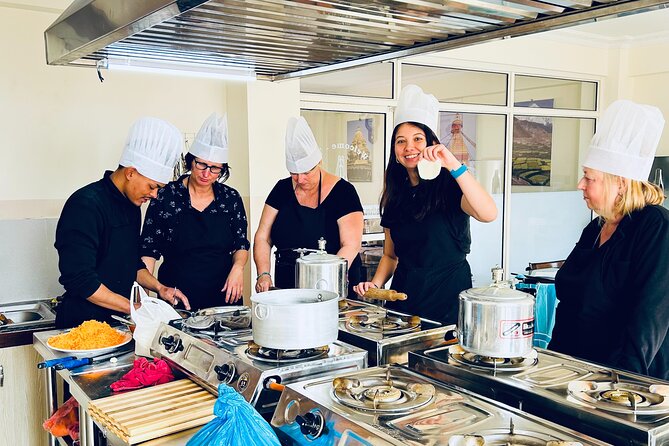
At $5 per person, this class is priced like an impulse buy, but it includes a lot of what usually costs real money in cooking experiences.
What you get for that price:
- Step-by-step cooking instruction with an experienced chef and instructor
- A market or shop visit to buy key ingredients
- Cooking equipment and accessories
- Cooking and tasting multiple dishes, including momo
- Masala tea at the start
- Hotel pickup and drop-off if you selected the option
- A small group size with a maximum of 12 travelers
There are also clear exclusions: specialty or alcoholic drinks are not included, and tips are not included. So plan your budget accordingly if you think you will want something beyond tea.
Value check I think you should do:
If you are staying in Kathmandu and want an experience that gives you hands-on practice plus a meal, this is extremely hard to beat at this price level. The market component alone usually makes a class feel more grounded than eating in a restaurant without context.
What the class is best for (and what it is not)
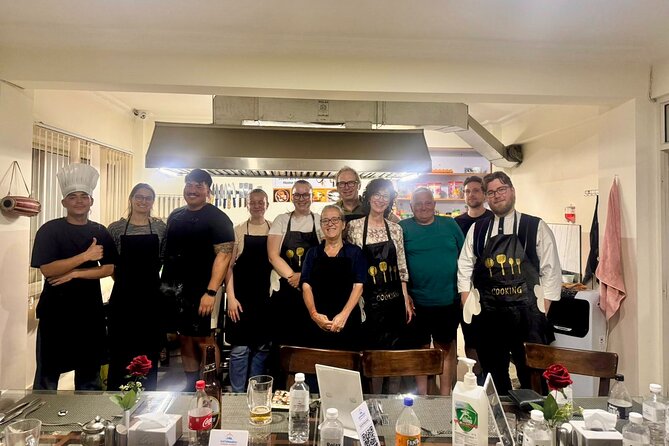
I think this cooking class is ideal if you want a fun, social activity that still teaches real technique. Solo travelers often like it because it brings you into a shared kitchen experience with people you meet during the class. It also works well for beginners since the pace is guided and explained in a way that makes steps feel clear.
It is also great for couples or friends who want to talk while cooking, not just sit through a show.
Where you might want to adjust your expectations:
- If you want a perfectly quiet experience with zero interaction, a small group cooking class may feel too lively
- If you are only interested in sightseeing and do not want hands-on food prep, you may prefer a different Kathmandu outing
- If you are very particular about dietary needs beyond the veggie momo option, the class info provided does not detail broader substitutions, so you might want to ask before booking
A quick booking decision: should you book this cooking class?
If you are in Kathmandu for a few days and you like food, I recommend booking this. The main reason is the blend: market stop plus momo-making plus three dishes plus tasting, all within about 3 hours 30 minutes. For the price, you are buying time with an experienced chef and a skill you can repeat at home.
Book it if:
- You want hands-on learning, not just eating
- You like dumplings and want to make them properly
- You want a practical cultural experience in Kathmandu without it turning into a long excursion
Skip it if:
- You only want restaurants and do not want to cook
- You need a fully private class setting
- You are not interested in momo or Nepali dishes like dal bhat and dessert preparations
FAQ
How long is the Nepali cooking and momo-making class?
The class lasts about 3 hours 30 minutes.
What is included in the class price?
It includes cooking class instruction, a market or shop tour to buy important ingredients, hands-on cooking and Nepali masala tea during the lesson, use of cooking equipment and accessories, a tasting session, and hotel pickup and drop-off if you select that option.
Is hotel pickup available?
Yes, hotel pickup and drop-off are included if you choose the pickup option.
Do you make momo during the class?
Yes. You get hands-on experience making momo, either vegetarian or chicken.
How many people are in the group?
The maximum group size is 12 travelers.
Are alcoholic or specialty drinks included?
No. Specialty or alcoholic drinks are not included.
Is free cancellation available?
Yes. You can cancel up to 24 hours in advance for a full refund.
More Workshops & Classes in Kathmandu
More Cooking Classes in Kathmandu
More Tour Reviews in Kathmandu
Not for you? Here's more nearby things to do in Kathmandu we have reviewed


Kathmandu Cooking & Momo Classes, compared.
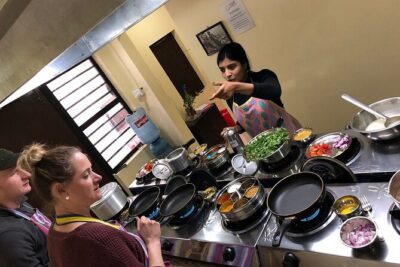 ★ 5.0Half day cooking class in Thamel kathmanduFrom $28607 reviews
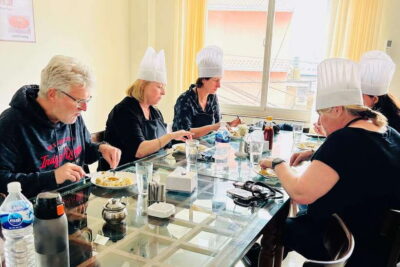 ★ 4.9Local Women-Led Nepali Cooking & Momo ClassFrom $4360 reviews
Local Women Lead Nepali Cooking ClassFrom $30125 reviews
★ 4.9Local Women-Led Nepali Cooking & Momo ClassFrom $4360 reviews
Local Women Lead Nepali Cooking ClassFrom $30125 reviews
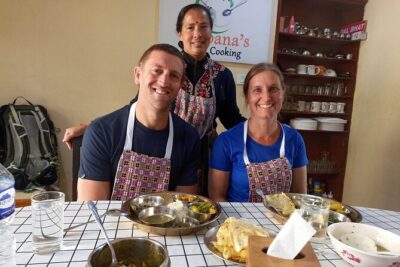 ★ 5.0The best Private Nepali Cooking Class in KathmanduFrom $2483 reviews
 ★ 4.8Traditional Momo Making Class & PickupFrom $460 reviews
 ★ 5.0Traditional Nepali Momo Making ClassesFrom $1853 reviews
 ★ 4.9Local Women-Lead Nepali Cooking & Momo ClassFrom $545 reviews
 ★ 4.9Local Lead Nepali Cooking & Momo Making ClassFrom $440 reviews
Browse the lists this tour appears in