
REVIEW · KATHMANDU COOKING & MOMO CLASSES
Kathmandu: Local Women-Led Nepali Cooking & Momo Class
Momo lessons start with a market walk. This Kathmandu class, led by local women chefs like Nish and Bikram, gives you hands-on technique and a plate that actually feels Nepali. I love the market tour because you learn what to look for in vegetables, spices, and meat before you cook. I also love the step-by-step pacing and clear English explanations that make it feel doable, even if your cooking skills are still warming up. One drawback to plan for: there are stairs at the cooking academy, and it is not set up for wheelchair users.
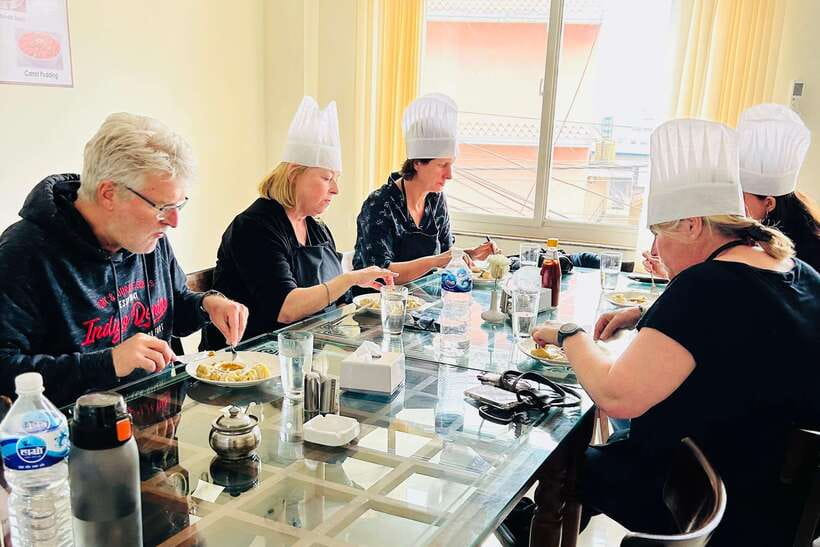
In the middle of Thamel, you’re not just watching. You shop, prep, cook, and then eat what you made, with a Masala tea break along the way. If you like activities that are practical and repeatable at home, this kind of class is usually the best “souvenir” you can bring back.
It runs about 3 hours (market, cooking, tasting), and you pick a menu that centers on momo and dal bhat with vegetarian and meat options. If you prefer a fast in-and-out stop, this may feel like more time than you expected, but if you want a real Nepal food moment, you will likely leave full and confident.
Key points you should know before you go
- You shop first, then cook, so ingredients and spice choices make sense
- English instruction with patient, step-by-step guidance from Nish and Bikram
- Momo and dal bhat are the core, with extra dishes chosen from a menu
- Small group size helps you get hands-on attention
- Masala tea and a full tasting meal mean you are not leaving hungry
- Stairs and access limits matter if mobility is an issue
Thamel timing: how this class fits into a Kathmandu day
Most Kathmandu cooking classes start with the kitchen. This one starts in the part of town where you will already be spending time anyway, Thamel. That matters because it keeps the day simple. You can walk over if you are nearby, and if you are farther out you can choose optional hotel pickup within Kathmandu.
The experience is designed to last 2 to 4 hours, and the standard version is around 3 hours including the market walk, the cooking session, and the tasting. That timing is nice for a city day where you might already have a trek briefing, a sightseeing loop, or jet lag. It is also long enough that you get real hands-on work, not just a quick demo.
Plan to arrive 15 minutes early. You want time to settle in, meet your instructor, and start moving before the group rhythm kicks off. Also, wear comfortable clothes you do not mind getting splashed during cooking, and bring a camera if you like food photos.
You can also read our reviews of more cooking classes in Kathmandu
Market walk in Kathmandu: learning what makes Nepali food taste right
The best classes teach you ingredients, not just recipes. The market step here is the big reason. You go to shops and stalls to buy the vegetables, spices, and any meat needed for your chosen menu. For Nepali cooking, that piece is crucial because the flavor is built before the pan ever heats up.
You will see how ingredients get selected for texture and timing. For example, vegetables in Nepali dishes are often chosen for how they hold up through sautéing and simmering. Spices matter because Nepali food uses a layered approach, not one-note heat. And for momo filling, ingredient freshness and seasoning balance are where dumplings go from okay to addictive.
Even if you are not the type to memorize spice names, you can still learn practical buying habits:
- Pick produce that looks fresh and smells clean
- Choose spices based on the dish you are making, not just color
- Ask questions about substitutions if you have dietary needs
One detail I appreciate from the class experience: guides like Nish have a knack for turning the shopping part into a lesson, not a distraction. And yes, this is also when you can ask small questions that will save you later in the kitchen.
Inside the cooking academy: hands-on momo dough and filling work
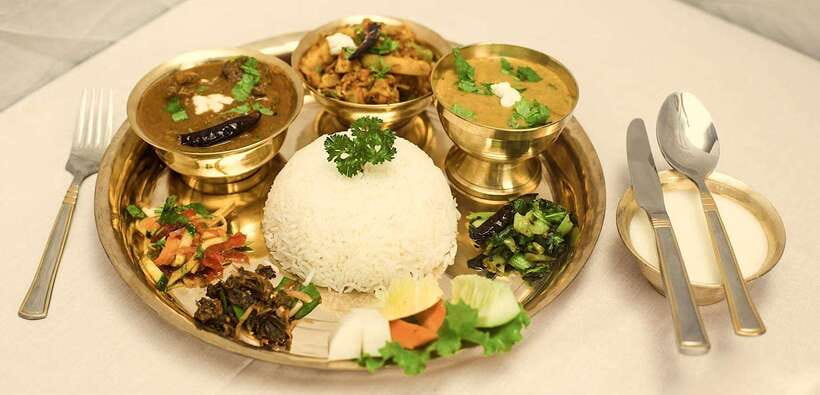
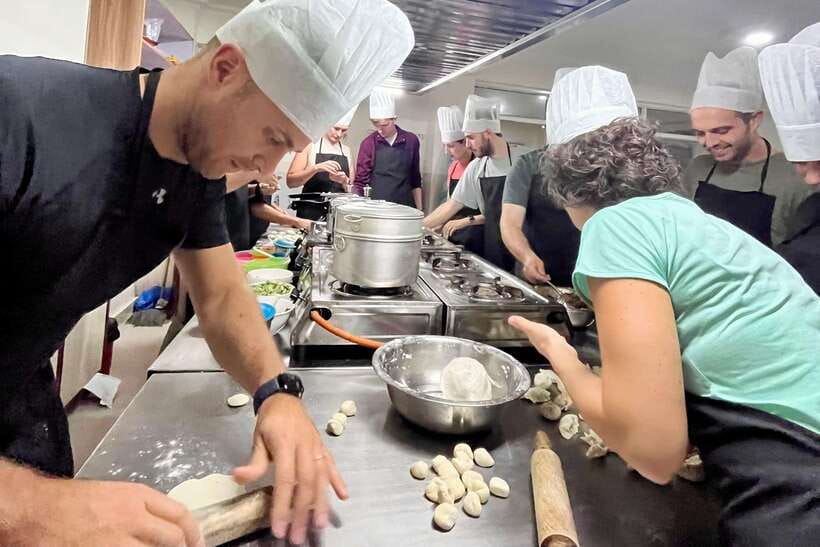
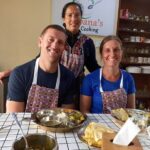
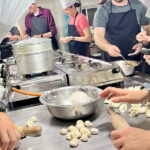
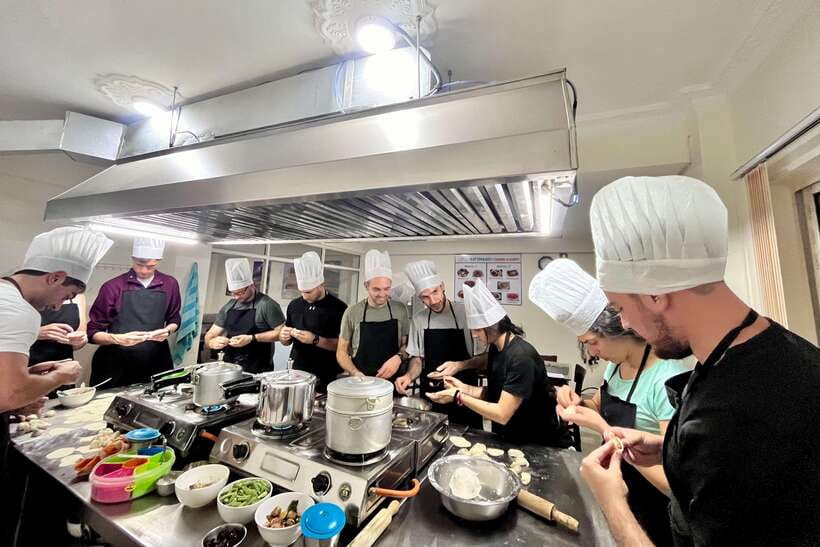
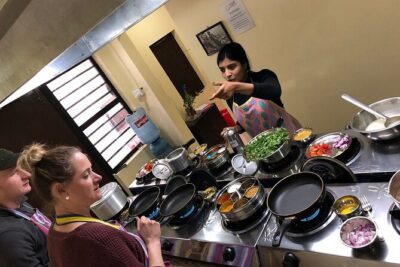
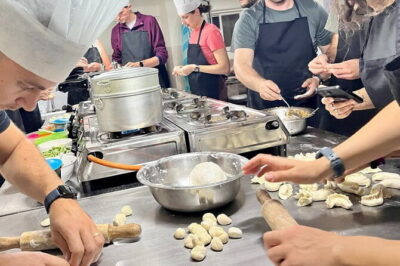
Once you hit the kitchen, the class stays practical. You step into a traditional Nepali cooking setup, and you get clear, friendly instruction while you work. English guidance is part of the deal, and the pace is designed so beginners can keep up.
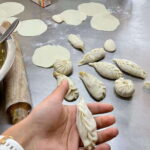
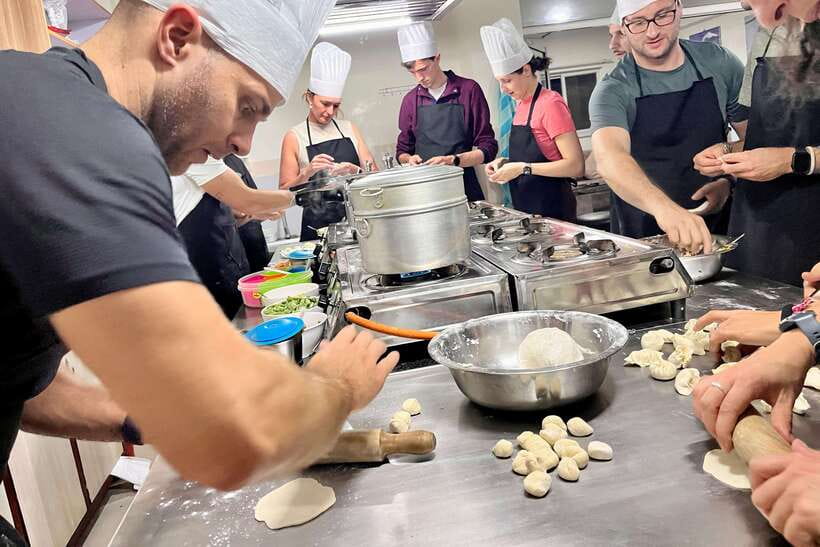
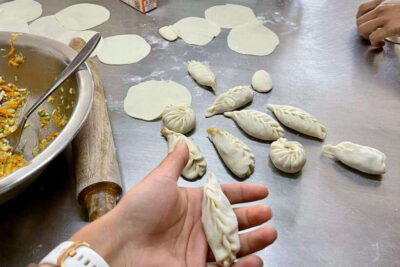
Momo is the star. The class focuses on making dumplings from start to finish, including dough, stuffing, and shaping. If you have ever tried making dumplings at home, you know the hard part is not the idea, it is the execution. Here, you learn technique in a way that you can repeat: how the dough should feel, how filling should be portioned, and how dumplings should be sealed so they cook properly.
From what people emphasize, the instructors are patient and encouraging, with Nish often leading and Bikram supporting as a chef-instructor. That teaching style matters because momo can intimidate you if you are rushing or guessing. When instructions are step-by-step, it becomes less about luck and more about feel.
You will also make your dipping sauce as part of the experience. A lot of cooking classes skip sauce, which is where flavor really lands. Here, you get that finishing piece too, so your momo at home is not missing the part that makes it pop.
Dal bhat and roti: building a Nepali plate, not just a snack
After dumplings, the class shifts into the Nepali comfort-food zone. Dal bhat is one of the main dishes, and it is taught as the foundation of a typical Nepali meal: rice plus lentil curry. You learn how lentils and spices create a thick, satisfying bowl, and how the rice and curry fit together.
This portion is not just about cooking. It is about understanding how Nepalis think about eating. Dal bhat is meant to be balanced and filling. You are not chasing fancy presentation. You are building something warm, steady, and repeatable.
The class menu also offers a chance to add other items depending on what you choose. One pairing that comes up is chicken curry with roti, which gives you a different texture and flavor profile than dal bhat. If you choose vegetarian options, you will still get the satisfying “this is a full meal” feeling.
If you are the type who worries about wasting food, this class is also reassuring. You cook with an organized setup and then taste what you made, so you are not stuck with a half-finished recipe and leftovers you did not plan for.
Beyond momo: chatamari, thukpa, bara, and sweet endings
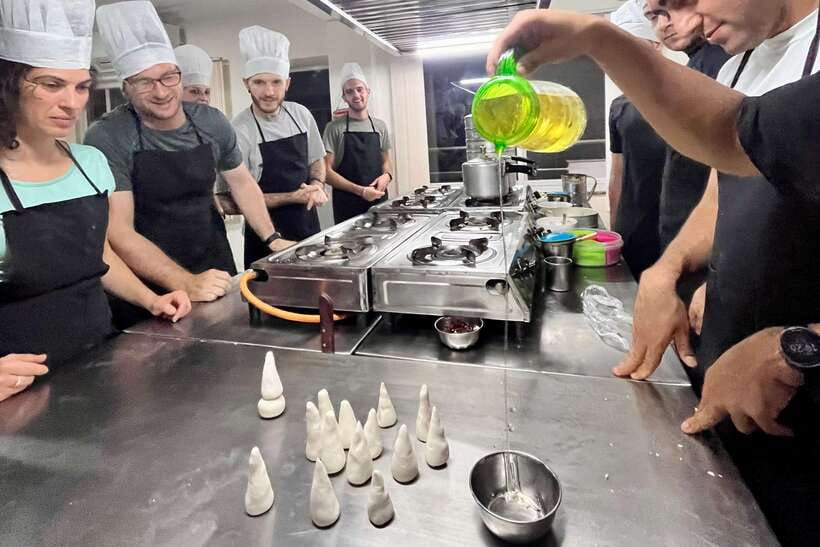
This is not a one-dish workshop. While momo and dal bhat are central, the menu includes other Nepali and Nepali-influenced favorites, and you pick what you want to make.
Here are some of the dishes that may show up in your chosen menu:
- Chatamari, often called the Nepali pizza, a flatbread topped with savory ingredients
- Thukpa, a hearty noodle soup with roots in Tibetan cuisine, popular in Nepal too
- Bara, deep-fried lentil patties that give you crisp outside and tender inside
- Yomari, a sweet dumpling filled with jaggery and sesame seeds
- Carrot pudding, a dessert version that shows Nepal’s sweet side
- Mushroom choila, a spicy marinated mushroom dish that highlights bold seasoning
The value of offering several dishes is that you get range. Momo teaches you technique and dough handling. Dal bhat teaches simmering and balance. Bara and chatamari teach how Nepali meals can be both snackable and meal-like depending on the form.
And dessert matters. Yomari and the carrot pudding options are not just a sugary extra. They show how flour, filling, and sweetness work in Nepali cooking, so your brain connects savory technique to sweet technique too.
A few more Kathmandu tours and experiences worth a look
Tasting session: why you should arrive hungry
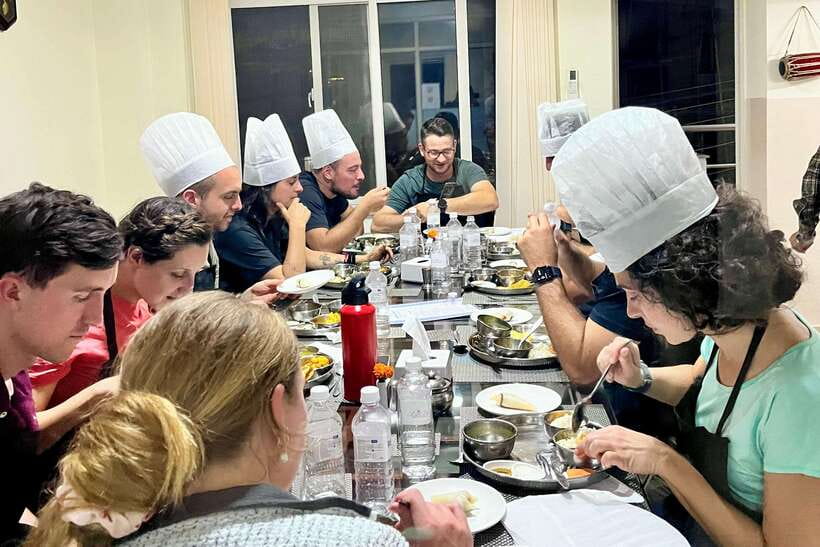
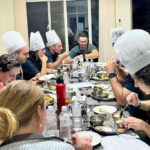
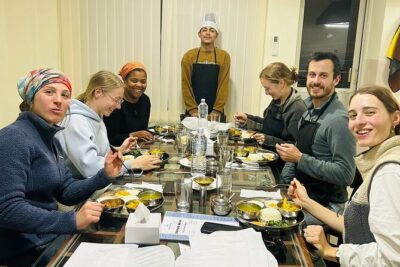
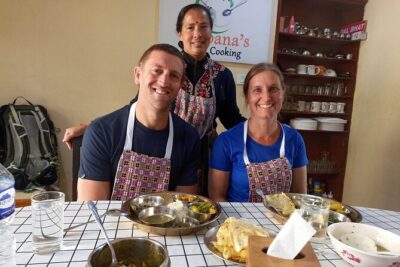
The class ends with a tasting session of what you cooked. That is not a tiny bite situation. You should plan to eat well because the menu choices can lead to a real lunch or dinner.
Participants consistently highlight the feeling of leaving full, with multiple dishes eaten during the session. If you cannot finish everything, there is also a good chance you may be offered extra food to take away, since portions can be generous.
Also, you get masala tea during the lesson. It is a comforting break that ties together the spices you just handled. If you are someone who drinks chai anyway, you will appreciate this moment more than you might expect.
Simple advice: if you are doing another activity that evening, keep it flexible. Cooking classes tend to run as a full meal block, not just a snack stop.
Price and value: what $4 really buys in Kathmandu
At $4.00 per person, this class is priced like a bargain, especially because it includes a lot that most cooking classes charge separately for. You get:
- Step-by-step instruction from an English-speaking chef and instructor
- Hands-on cooking experience, not just a tour
- A market or shop tour to buy ingredients
- Use of cooking equipment and accessories
- Tasting of the meal you prepare
- Nepali masala tea during the lesson
- Optional hotel pickup and drop-off if you select that option
So you are paying not only for food, but for guidance and translation of technique. That is where value comes from. If you have ever tried to cook Nepali dishes from a single recipe card, you know the missing piece is usually method. This class teaches method.
There is also a practical advantage: a PDF recipe book can be shared after the class if you WhatsApp the team. Physical books may be available for purchase at an additional cost. That means you can recreate the dishes without guessing.
One more quality marker: the experience has strong scoring for transport ease, and overall ratings are very high. High ratings do not mean you will love every minute, but they do suggest the setup and teaching style are consistent.
Logistics, comfort, and who this class suits best
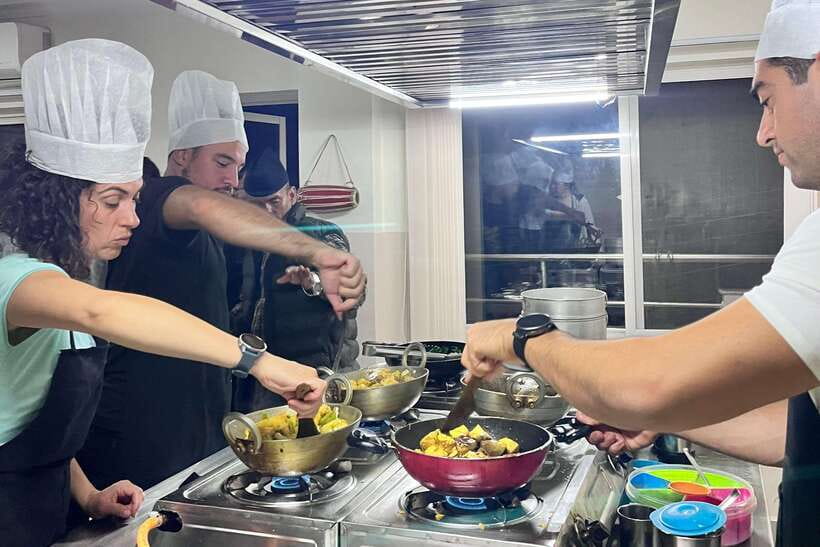
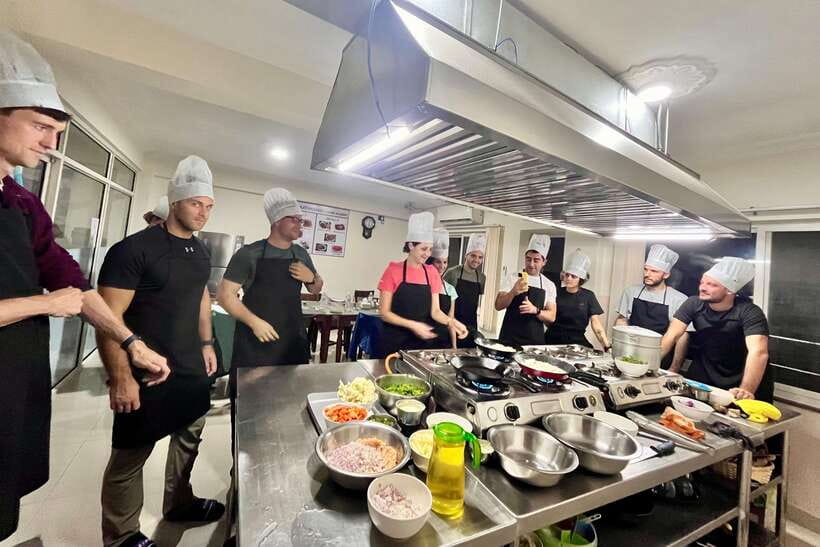
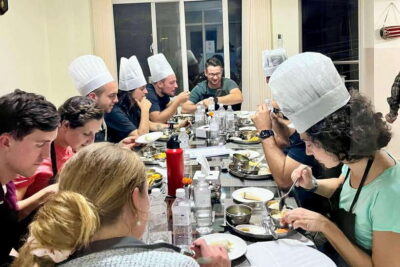
This class is designed for small groups. Smaller group size usually means you get more attention when you get stuck, and you spend less time waiting while someone else stirs.
It is not suitable for wheelchair users and it is also listed as not suitable for visually impaired people. You should also know there are stairs in the building area, and some guests mention steep routes to reach the place depending on where a taxi drops you.
If you are a novice cook, you will likely enjoy this. The class is built for beginners or anyone who wants a structured way to learn. If you are an experienced cook, you may still like it because you are learning Nepali-specific technique and flavor logic, not reinventing generic dumpling dough from scratch.
What to bring and wear:
- Bring a camera if you want photos
- Wear comfortable attire for cooking
- Aprons and cooking equipment are provided
If you have allergies or medical conditions, tell the team ahead of time. Hygiene standards are emphasized, but your best move is still to communicate what matters for your safety.
Should you book this Nepali momo and cooking class?
If you want one Kathmandu activity that is both fun and genuinely useful, this is an easy yes. You get hands-on momo technique, a dal bhat foundation, and optional extras like chatamari, thukpa, bara, and desserts depending on your menu choices. For a price point like $4, the included market visit, equipment, instruction, and meal tasting make it one of the strongest value options in Thamel.
Book it if:
- You like learning by doing, especially dumpling skills
- You want a Nepal food experience you can recreate at home
- You enjoy chatting with instructors and other small-group participants while cooking
Skip or reconsider if:
- Stairs and mobility limits are an issue for you
- You want a very short activity or you are not hungry enough for a full tasting meal
If you can arrive a bit early, wear clothes you can get a little messy in, and come with a curious attitude, you will leave with more than photos. You will leave with technique and a menu of Nepali flavors you can cook again.
FAQ
What is the duration of the Kathmandu Local Women-Led Nepali Cooking & Momo Class?
The experience runs about 2 to 4 hours, and it is around 3 hours including the market visit, cooking session, and meal tasting.
What dishes does the class focus on?
The menu focuses on momo and dal bhat as the main dishes, with options to select additional Nepali dishes.
Are there vegetarian and meat options?
Yes. The class offers both vegetarian and meat options, and you can choose what you want to make from the menu.
Do I get to visit a market during the class?
Yes. The experience includes a market or shop tour to buy important ingredients for the class.
Is pickup available from my hotel?
Pickup is optional. The provider offers pickup from any location within Kathmandu if you select that option.
What language are the instructions given in?
The instructor teaches in English.
What is included in the price?
The class includes step-by-step cooking instruction, an experienced chef and instructor, market/shop tour, hands-on cooking, use of equipment, food tasting, and Nepali masala tea during the lesson. Specialty or alcoholic drinks are not included.
What should I bring with me?
Bring a camera if you want photos. Comfortable clothing is recommended for cooking.
How do I get the recipe book after the class?
After the class, you can WhatsApp to request a PDF recipe book. Physical books may be available for purchase for an additional cost.
Is the class suitable for wheelchair users or visually impaired people?
No. It is not suitable for wheelchair users or visually impaired people.
More Workshops & Classes in Kathmandu
More Cooking Classes in Kathmandu
More Tour Reviews in Kathmandu

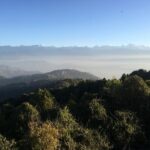
Not for you? Here's more nearby things to do in Kathmandu we have reviewed


Kathmandu Cooking & Momo Classes, compared.
 ★ 5.0Half day cooking class in Thamel kathmanduFrom $28607 reviews
 ★ 5.0Local Lead Nepali Cooking & Momo-Making ClassFrom $5212 reviews
Local Women Lead Nepali Cooking ClassFrom $30125 reviews
★ 5.0Local Lead Nepali Cooking & Momo-Making ClassFrom $5212 reviews
Local Women Lead Nepali Cooking ClassFrom $30125 reviews
 ★ 5.0The best Private Nepali Cooking Class in KathmanduFrom $2483 reviews
 ★ 4.8Traditional Momo Making Class & PickupFrom $460 reviews
 ★ 5.0Traditional Nepali Momo Making ClassesFrom $1853 reviews
 ★ 4.9Local Women-Lead Nepali Cooking & Momo ClassFrom $545 reviews
★ 4.9Local Lead Nepali Cooking & Momo Making ClassFrom $440 reviews
★ 4.9Local Women-Lead Nepali Cooking & Momo ClassFrom $545 reviews
★ 4.9Local Lead Nepali Cooking & Momo Making ClassFrom $440 reviews
Browse the lists this tour appears in