
REVIEW · KATHMANDU COOKING & MOMO CLASSES
Kathmandu: Local Women-Lead Nepali Cooking & Momo Class
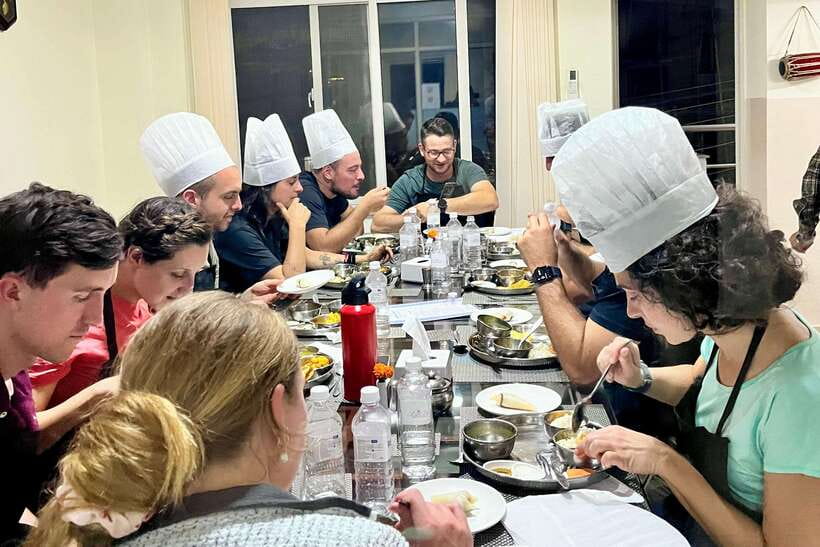
Momo starts with your hands. In this Kathmandu class, you’ll learn momo and dal bhat step-by-step, with a quick market stop to pick real ingredients. It is the kind of food experience where the process matters, not just the eating.
What I like most is the tight focus. You’re not drifting through a buffet of dishes. You’ll make the meal with a small team, and the pace stays friendly even if you are new to cooking.
A second win is how well they teach. Chefs and instructors like Nish and Nishma come through in the details, with clear English and patient coaching. One consideration: you choose dishes for the group, but the final menu depends on what everyone picks, so you might need a little friendly persuasion if you are hoping for a specific momo style.
Key things to know before you cook in Kathmandu
- Market tour first so you understand ingredients, not just recipes
- Small group size (up to 10) for real hands-on time
- You pick starter, main, dessert so your meal feels personal
- English instruction that stays practical and step-by-step
- Vegetarian and spice adjustments handled without drama
- Big food output so you leave full, not nibbling
Thamel class energy, with real Kathmandu ingredients
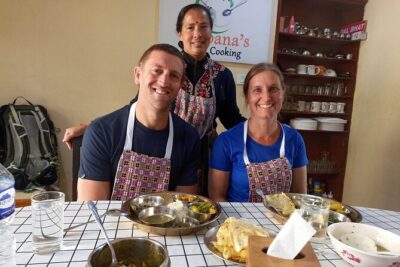
This cooking class runs out of Kathmandu Cooking Academy in Thamel, a part of town that makes it easy to show up without wasting the day. The vibe is simple and focused, not staged. You are there to learn how Nepali home cooking works, and to actually cook it.
The experience starts with you getting your bearings and then moving into the food. You’ll visit a nearby market or shops to choose ingredients for what you’re making. That matters because Nepal’s flavors are built on fresh aromatics and the right mix of spices, not on fancy shortcuts.
If you are staying in or near Thamel, you can often reach everything with minimal fuss. If you are farther out, you can opt for hotel pickup and drop-off from anywhere within Kathmandu Valley. Either way, build in some buffer for city traffic.
You can also read our reviews of more cooking classes in Kathmandu
The heart of the meal: choosing momo, dal bhat, and more
The class centers on two main dishes: momo and dal bhat. Dal bhat is Nepal’s everyday comfort-food standard, so learning it gives you more than one cooking trick. You get to understand the balance of lentils, seasoning, and the kind of meal structure people actually eat.
You’ll also choose an additional dish so your plate feels well-rounded. Depending on what you and the group select, you might cook items like spiced mashed potato patties (often listed as aloo chop) or other Nepali favorites. A common theme in the experience is variety. People frequently mention tasting and cooking multiple dishes, not just one main event.
Here is the practical part: you are choosing for the group, so the menu is shared. That is great when everyone’s aligned. If you are traveling with a strong preference, keep your expectations flexible or be ready to advocate politely.
Market stop: where flavors start before the stove
Before you get apron-level serious, you head out to the market to buy important ingredients. This is not a quick photo break. It is tied to the cooking you’ll do next, and that connection is what makes the stop valuable.
You will see the ingredients that show up in Nepali kitchens: the base items for spice mixes, fresh add-ins for texture, and staples that support dal bhat’s everyday rhythm. Even if you do not memorize every ingredient name, you come away with a better sense of what changes the taste.
Also, the market leg is useful if you want to shop after class. The class gives you a mental checklist. It helps you avoid the tourist trap of buying random spice jars with no idea what to do with them.
Kathmandu Cooking Academy kitchen setup and pacing
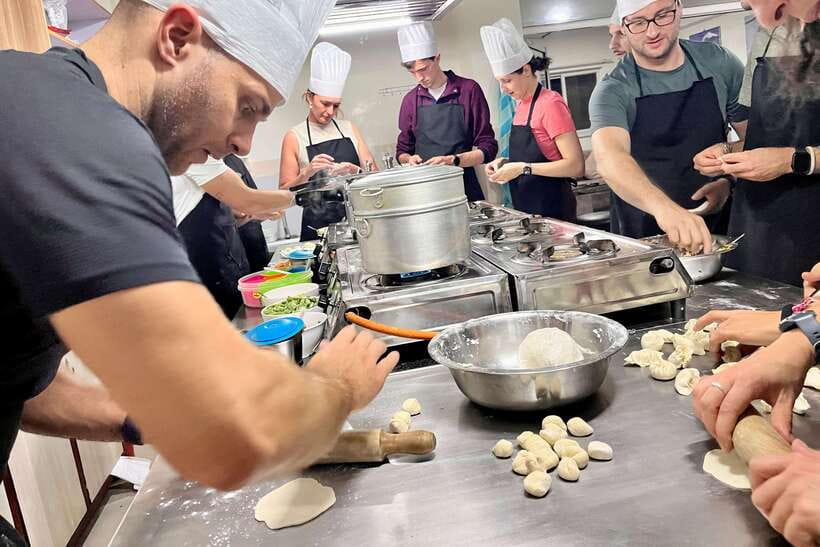
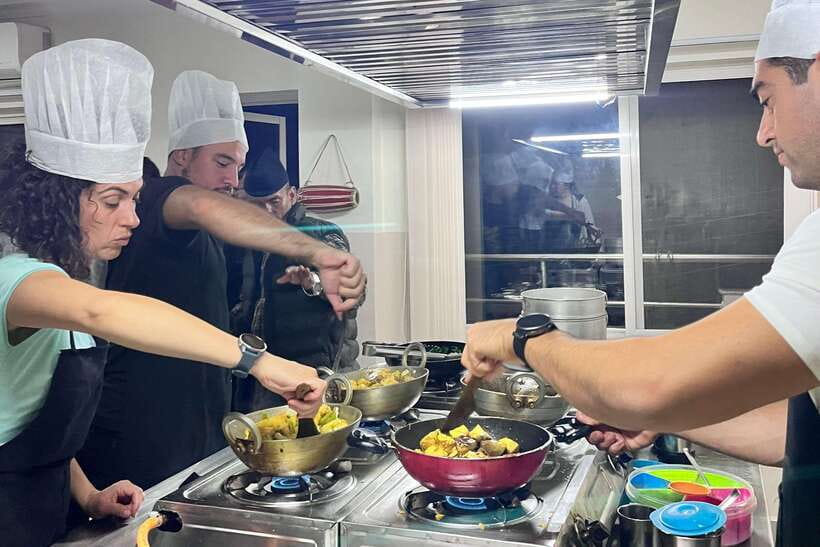
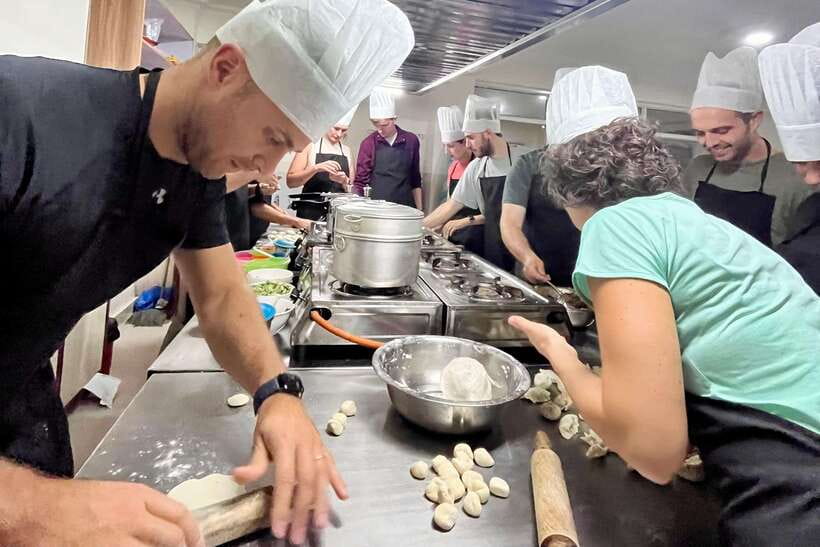
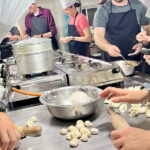
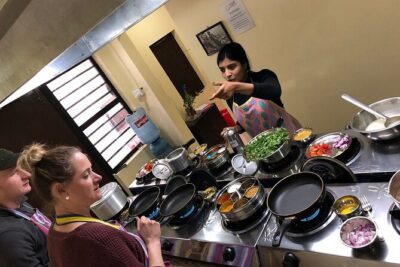
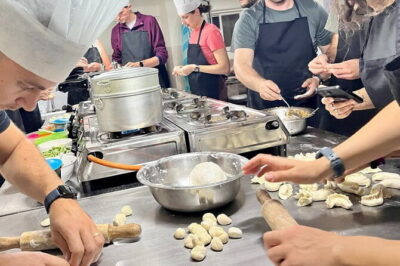
Back at the academy, you get everything you need: cooking equipment and accessories, plus the guidance to use them. This is a hands-on class, so you are not just watching from the sidelines.
Small group size helps a lot here. When the group stays under control, the chef can correct small technique issues in real time. Several people describe patient, step-by-step teaching, including guidance on basic kitchen skills. That means you do not have to feel embarrassed if your first attempt looks a little awkward.
The session generally runs about 3 hours, sometimes closer to 4, with the market included. Plan your afternoon like you actually have food goals. You are going to cook and then eat what you make.
Learning momo: folding, filling, and steaming with confidence
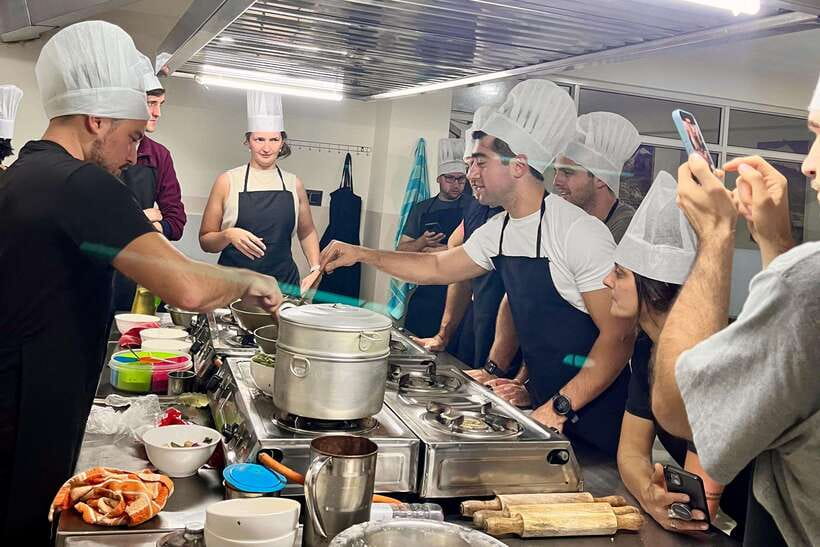
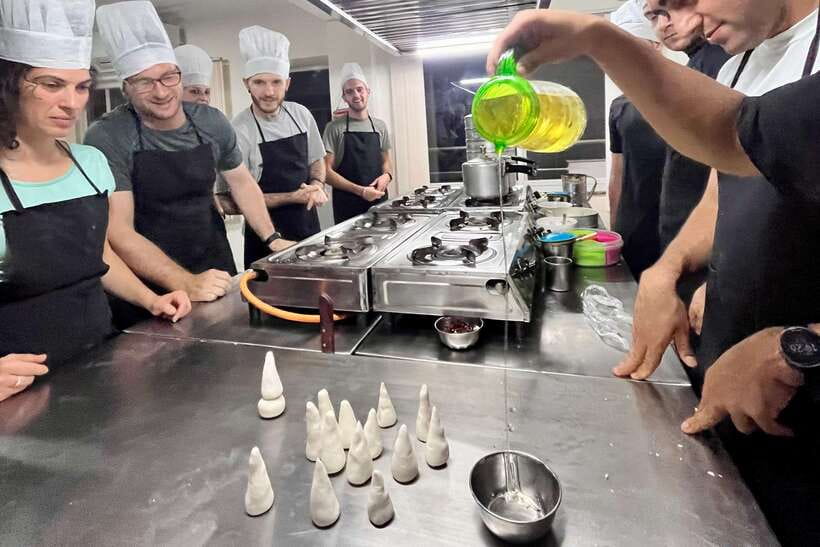
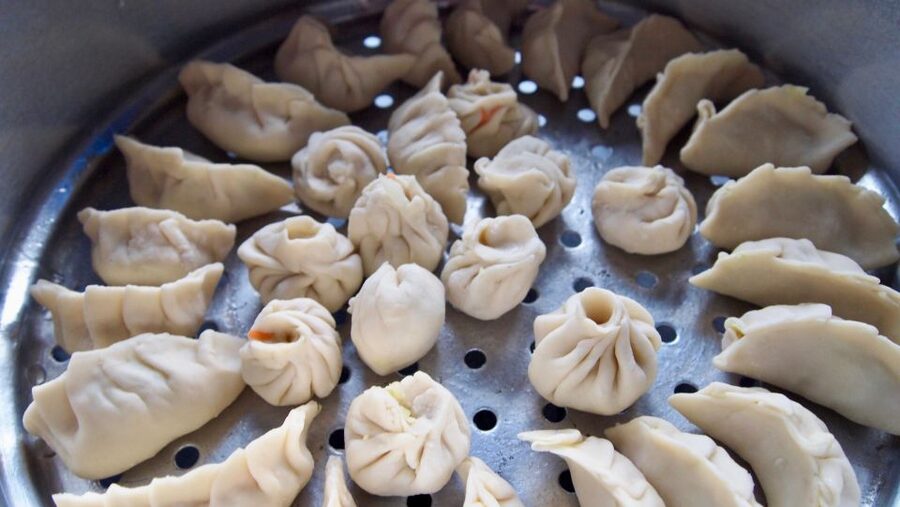
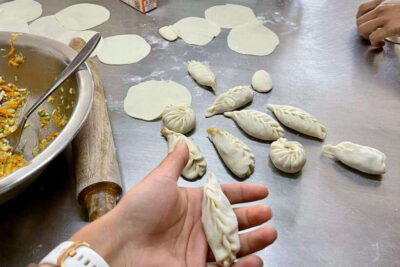
Momo is the headline dish for a reason. It is Nepal’s beloved dumpling, and the class is designed so you learn the workflow, not just the final bite.
You get hands-on instruction to:
- Prepare and portion the momo filling
- Work the dough or wrappers in the way your instructor teaches
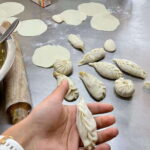
- Fold and shape dumplings so they cook properly
- Cook them in the right steam-focused style
Technique matters with momo. If your folds are uneven, the dumplings can cook differently. If the filling is too loose, it can get messy. The coaching is focused on avoiding those common problems.
People consistently highlight the fun factor, plus the humor and encouragement from the chefs. That is a big deal in cooking classes because nothing ruins a meal faster than feeling stressed. The tone here tends to be relaxed, which makes the work feel doable.
A few more Kathmandu tours and experiences worth a look
Dal bhat practice: comfort food you can actually repeat later
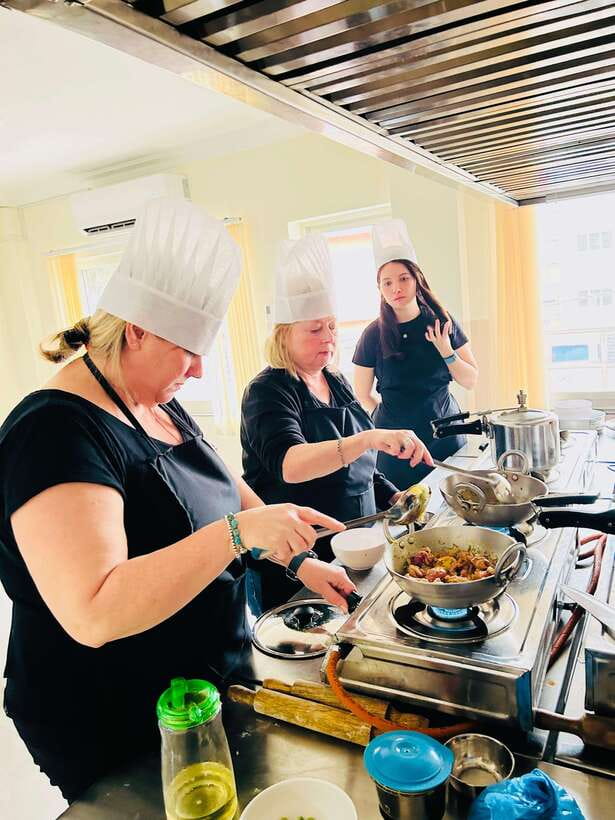
Dal bhat is a simple idea with lots of small decisions. You’ll learn how to build the lentil component, how seasoning fits in, and how it all comes together as a complete plate.
This is also where the class feels practical for real life. When you learn a staple dish, you can recreate it more easily than a one-off fancy recipe. You might not replicate every ingredient exactly the first time, but the structure is learnable.
What makes it worthwhile is that the class does not treat dal bhat as a side dish. It is treated as a main teaching goal. The lentils and seasoning approach give you a foundation you can use even when you later cook other Nepali meals.
Dessert and masala tea: the easy win at the end
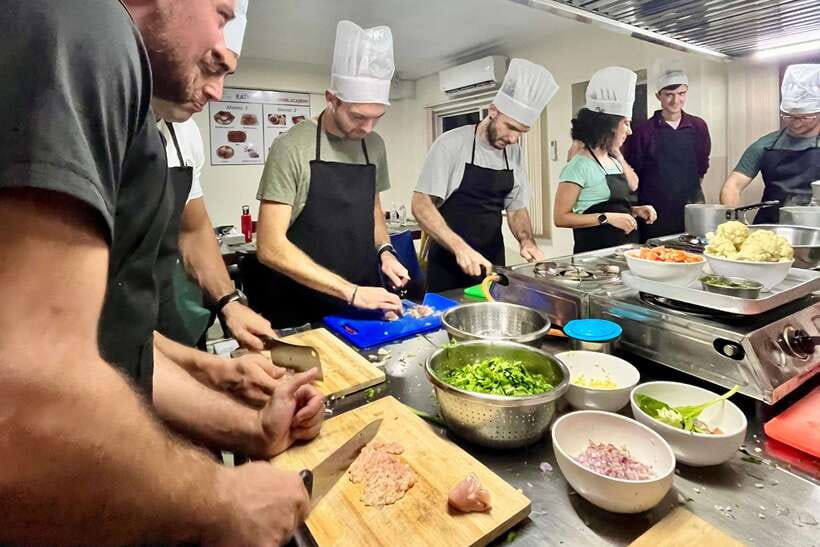
You’ll have complimentary Nepali masala tea during the class. It is a comforting pause in the middle of all that chopping and folding. For many people, it also helps keep the pace pleasant, because cooking takes longer than you think when you are learning.
Dessert is part of the choosing process too. That means you are not ending with only dumplings and lentils. You get a final taste that rounds out the meal, and it helps you understand that Nepali eating often balances savory comfort with a sweet finish.
Tasting session and the size of the meal
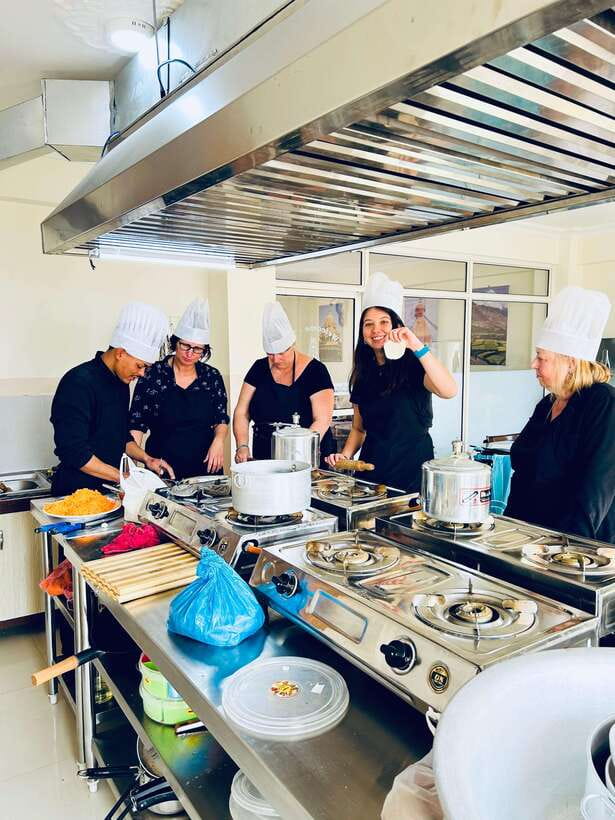
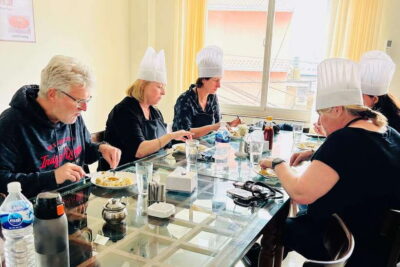
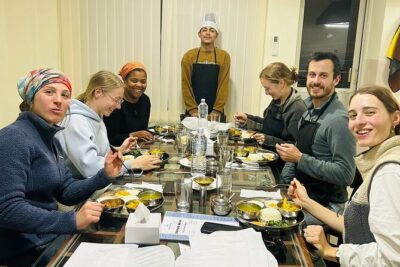
This class is not a tiny snack. You are cooking multiple dishes, and then you do a tasting session of what you prepared.
A number of participants mention the quantity being huge and very filling. That is a real benefit if you plan your day around it. You can often treat this as a full meal activity rather than adding a separate dinner later.
If you are someone who enjoys eating what you make, you’ll appreciate the feedback cycle. You cook it, taste it, and can understand what worked and what you might tweak next time.
Instruction quality in real terms: English, patience, and adjustments
One of the strongest repeated positives is the teaching quality. People point out that the instructors have strong English and explain clearly. Names like Nish and Nishma come up often, and they are described as patient and friendly.
You also get support for different preferences. Several people mention vegetarian options and spice-level adjustments being handled smoothly. That matters because Nepali cuisine can be spicy, and it is not helpful if you are forced into a one-size-fits-all plan.
If you have dietary restrictions or allergies, tell the organizers in advance. The class notes that they can accommodate needs, so being proactive gives you the best shot at a comfortable meal.
Price and value: why $5 can feel surprisingly fair
At about $5 per person, this is priced like a budget-friendly activity. But it is not cheap in the way that means low effort.
For that price you get:
- A hands-on cooking class focusing on momo and dal bhat
- A market stop tied directly to your ingredients
- An experienced chef instructor with step-by-step guidance
- Equipment and accessories
- Tasting of what you cook
- Nepali masala tea
The value is in the combination. In Kathmandu, a lot of activities cost more for less food, less technique, or no market component. Here, you are paying for a full learning and eating session, not just a demonstration.
Also, the group size stays small (up to 10). Small groups reduce the feeling that you are waiting your turn or watching someone else cook.
Pickup, timing, and how to plan your afternoon
Timing is usually 3 to 4 hours. Arrive at least 15 minutes early so you do not slow the start when you walk in hungry and slightly flustered.
If you choose pickup, it covers hotel pickup and drop-off within Kathmandu Valley. If you do not choose pickup, you go on your own to Kathmandu Cooking Academy. Either approach works, but I’d choose pickup if your day includes other logistics, like airport timing or long walks.
Traffic in Kathmandu can cause delays. One review notes pick up and drop off running late, which you should treat as a possibility rather than a certainty. If you have a tight reservation after, schedule it with cushion time.
Who this cooking class is best for
This class is a great fit if:
- You want hands-on skills, not a food tour where you only eat
- You love dumplings and Nepal’s comfort-food staples
- You like learning through a market stop
- You want a small group class with English instruction
- You are traveling solo and still want interaction, since classes can run with very small numbers
It may be less ideal if:
- You need a guaranteed dish list, no variation allowed
- You dislike cooking hands-on or you want a mostly passive experience
- You have very strict time windows after the class
Should you book Kathmandu’s momo and dal bhat cooking class?
If you like the idea of learning a Nepal staple you can repeat at home, this is an easy yes. The class is built around momo and dal bhat, taught with step-by-step coaching in English, and paired with a market visit that makes the ingredients make sense. The price is also hard to ignore.
Book it if you can give yourself a relaxed half-day. Aim to arrive early, wear comfortable clothes, and come hungry. If you care about a very specific momo style or side dish, communicate your preference and be ready for the group’s final decision.
If that sounds like your kind of Kathmandu afternoon, you’ll likely leave with dumpling skills, lentil confidence, and a plate that finally explains what you have been tasting around town.
FAQ
How long is the Kathmandu momo and dal bhat cooking class?
The class typically runs around 3 hours, including the market visit and cooking. It can also last 3 to 4 hours depending on the schedule.
Do I get to choose what dishes I make?
Yes. You choose an additional dish, and the class focuses on momo and dal bhat. The exact set of dishes depends on what the group selects.
Is hotel pickup included?
Hotel pickup and drop-off are included only if you select that option during booking. Otherwise, you’ll make your own way to the venue.
Where is the meeting point?
You should find Kathmandu Cooking Academy on Google Maps.
What language is the class taught in?
The instruction is in English.
Are there any dietary accommodations?
If you have dietary restrictions or allergies, you should inform the organizers in advance so they can accommodate you.
What should I bring to the class?
Bring a camera, and wear comfortable clothing since you’ll actively participate in cooking.
More Workshops & Classes in Kathmandu
More Cooking Classes in Kathmandu
More Tour Reviews in Kathmandu


Not for you? Here's more nearby things to do in Kathmandu we have reviewed


Kathmandu Cooking & Momo Classes, compared.
 ★ 5.0Half day cooking class in Thamel kathmanduFrom $28607 reviews
 ★ 4.9Local Women-Led Nepali Cooking & Momo ClassFrom $4360 reviews
 ★ 5.0Local Lead Nepali Cooking & Momo-Making ClassFrom $5212 reviews
Local Women Lead Nepali Cooking ClassFrom $30125 reviews
★ 5.0Local Lead Nepali Cooking & Momo-Making ClassFrom $5212 reviews
Local Women Lead Nepali Cooking ClassFrom $30125 reviews
 ★ 5.0The best Private Nepali Cooking Class in KathmanduFrom $2483 reviews
 ★ 4.8Traditional Momo Making Class & PickupFrom $460 reviews
 ★ 5.0Traditional Nepali Momo Making ClassesFrom $1853 reviews
★ 4.9Local Lead Nepali Cooking & Momo Making ClassFrom $440 reviews
★ 5.0Traditional Nepali Momo Making ClassesFrom $1853 reviews
★ 4.9Local Lead Nepali Cooking & Momo Making ClassFrom $440 reviews
Browse the lists this tour appears in