

REVIEW · EVEREST BASE CAMP TREKS FROM KATHMANDU
Everest Base Camp Trek Via Gokyo Lake and Cho La Pass
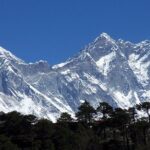
Everest Base Camp, then Gokyo Lakes, then Cho La Pass. That is a lot of wow packed into one Himalayan walk. What makes this route special is the mix of big-name Everest scenery with quieter high-altitude lake time, plus a real glacier pass crossing for the days you earn your photos.
I especially like how the trek is structured around acclimatization and “big day” pacing, not just grind. I also like that the package keeps you fed and moving with all meals on trek, plus teahouse stays and a licensed guide and porter support setup (1 guide, 2 trekkers per porter). One consideration: you still need to respect altitude and cold, especially around early starts and the Cho La Pass day.
Key Things That Make This Trek Worth a Look

- Everest views plus lake quiet: you get iconic Everest moments and calm water scenery in the same journey
- Cho La Pass crossing: a high, glacial-feeling day that adds challenge and bragging rights
- Kala Patthar sunrise time: one of the most reliable places to catch Everest in the early light
- Teahouse trekking with full meals: breakfast, lunch, and dinner during the trek reduce planning stress
- Sagarmatha National Park and TIMS covered: permits are handled, so you can focus on the trail
- Guide and porter ratio: licensed English support, plus load sharing to protect your legs
Why This Everest Base Camp Route Hits Different Than the Usual

Most Everest Base Camp treks give you one main storyline: follow the Khumbu Valley, reach Base Camp, and return. This one adds two major plot twists.
First, you pivot off toward Gokyo Lakes, a quieter world of high-altitude water and wide sky views. Instead of only thinking about peak-to-valley scenery, you also get that glassy-lake stillness that feels rare at elevation.
Second, you cross Cho La Pass. It is the kind of day that turns a trek from scenic to serious. Early timing matters here, because conditions can tighten up as the day goes on. If you want a route that feels like a true adventure, not just a well-trodden hike, this is built for that.
The balance is the best part. You still get the “Everest classic” rhythm through Sherpa villages, suspension bridges, and the famous viewpoints. Then, you get to slow down with lake days and add an energetic pass crossing. This mix is why people choose this itinerary when they want more than the standard loop.
You can also read our reviews of more hiking tours in Kathmandu
Price and What You Actually Get for Around $1,000
At $1,000 per person, the big question is value, not sticker shock. What makes this price feel more reasonable is what is included up front:
- Round-trip flights Kathmandu to Lukla and back, which are not optional for most people
- 1 night hotel in Kathmandu with breakfast
- All meals during the trek (breakfast, lunch, dinner)
- 12 nights twin-sharing teahouse accommodation
- Licensed English-speaking trekking guide plus porter support
- Permits for Sagarmatha National Park and TIMS
- Airport transfers and a trekking gear duffel bag service
When you add all of that together, you are not paying extra for the essentials that usually drive cost on Everest-area treks. Also, having meals included can be a quality-of-life win. Teahouses sell snacks and hot drinks, but knowing your main meals are planned means less time scanning menus when you are tired.
The tradeoff is that you still budget for things that are personal: trekking gear, travel insurance, and the usual extra costs like battery charging and Wi-Fi at teahouses (if available). Tips for guide and porter are also typically expected, even if not listed as included.
My practical take: this is a good value if you want a guided, all-meals, permit-handled trek. If you prefer self-guiding and bringing everything independently, then you might find cheaper options elsewhere, but you would likely lose the streamlined logistics.
Logistics That Matter: Lukla Flights, Teahouses, and Carry Strategy

Lukla flights shape your trip more than people expect. They are included, and that is great, but it also means your schedule depends on weather and flight timing. The itinerary uses an early flight pattern on key days, because the route needs daylight for trekking segments and viewpoint time.
On the ground, your “home base” is twin-sharing teahouse rooms. Teahouses are simple by design. You can expect warm places to eat, basic rooms for sleep, and the kind of daily routine where you plan around cold mornings and limited electricity. Knowing your lodging is already covered for 12 trekking nights removes one of the biggest headaches of planning.
The other logistics win is the support setup. You will travel with a licensed English-speaking trekking guide and one porter for every two trekkers. That ratio matters because the Everest region has long days and frequent steps. You might still carry your daypack, but offloading most gear can protect your knees and energy for the harder segments.
Also, you will trek with a provided duffel bag for trekking gear, which helps keep your main items organized and separate from what you need each day.
Kathmandu Setup: Gear Check, Jet Lag, and the Right First Day Mindset
Day 1 is all about landing without chaos. Your guide meets you at the airport with your name, then you get a trek briefing and a gear check. That gear check is worth paying attention to, because Everest trekking success is often about having the right layer system and not overpacking.
You also get an included night in Kathmandu with breakfast. That is a smart buffer because it gives you a proper sleep window before you fly to Lukla. Kathmandu is busy and altitude is real, even before you reach the mountains. Arriving rested helps.
What you should do in Kathmandu
Keep your day simple: check your boots, test your gloves, confirm you have layers for cold mornings, and plan to avoid heavy partying the night before the flight. Your body needs to be ready for the trek pace, not recovering from poor choices.
From Lukla to Namche Bazaar: Sherpa Villages and Your First Everest Glimpse
Once you fly to Lukla, the trek begins through Sherpa villages toward Phakding. This early walking day matters because it gets you moving while still feeling human. The suspension bridges and the early valley scenery are part of the experience, not just transportation.
On Day 3, you enter Sagarmatha National Park and cross more suspension bridges into the Namche area. This is also your first big Everest sight moment. Seeing Everest in person changes how you feel about the days ahead. It is one thing to look at a photo, and another to watch a mountain sit there while you earn your elevation.
Namche Bazaar: markets, museums, and a planned slow day
Day 4 gives you options rather than pushing you immediately upward. You can do an optional hike to the Everest View Hotel at 3,880m, then use the rest of the time to explore the local market and a Sherpa museum.
Why this matters: this is acclimatization done the right way. You get a taste of elevation stress, then you get to relax in a proper village hub.
A possible drawback: Namche days can feel busy and crowded compared to the quiet valleys later on. If you want serenity, you can still enjoy it by focusing on a viewpoint or a shorter acclimatization walk.
Tengboche, Dingboche, and Lobuche: Forest Views, Monasteries, and the Altitude You Feel
As the route climbs, the landscape shifts in a way you will actually notice in your breathing.
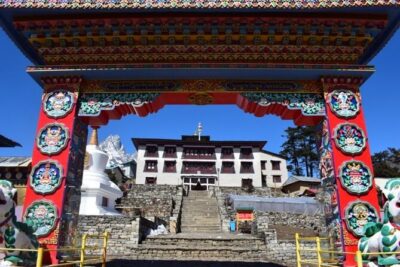
Day 5 heads to Tengboche, walking through pine forest with views of Thamserku and Everest. Tengboche is also where you visit the Tengboche Monastery. Monasteries here are not just tourist stops. They give you a sense of why these communities live with the mountains as neighbors, not distant scenery.
Then Day 6 is Dingboche via Pangboche, plus a crossing of the Imja Khola. This is when you should start respecting that altitude is no longer background noise. You will begin to feel it in your pacing, your appetite, and your sleep.
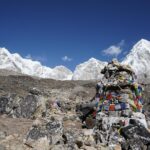
Day 7 brings you to Lobuche, walking through alpine terrain and passing climbers’ memorials. Those memorials can be heavy. They are also a reminder that this region is both beautiful and serious, and that planning and pace are not optional.
How to handle these middle days
Keep your effort controlled. The best way to enjoy this trek is to avoid turning every uphill into a race. Your goal is consistency, because the hard days are coming later.
Gorak Shep and Everest Base Camp: The Glacier Pull and the Photo Moment
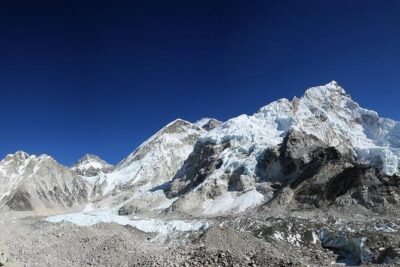
Day 8 starts at Gorak Shep and follows the Khumbu Glacier toward Everest Base Camp. This is the day most people imagine when they picture Everest trekking.
You are going to feel the contrast here: the world gets barer, and the air feels sharper. Reaching Base Camp gives you that mix of awe and accomplishment. You take photos, enjoy the moment, then return to Gorak Shep.
A drawback to know: this is a longer day with real altitude pressure. Even if you feel fine early, you can get slower as the day progresses. Build in patience for that.
Kala Patthar Sunrise, Then Toward Dzongla: Earn the Light
Day 9 is a very specific kind of morning. You hike for sunrise views from Kala Patthar, then trek down to Lobuche and continue to Dzongla.
Kala Patthar is a payoff viewpoint. Early starts are not optional if you want the light and the visibility. If weather is clear, this can be the kind of view that stays in your memory longer than the actual hike.
Practical tips for this day
Go slow up. Don’t sprint your way to sunrise. Your body is working at altitude. Keep your layers ready because mornings can be brutally cold even when the sun eventually helps.
Cho La Pass and Gokyo Valley: The Challenge Day Meets the Quiet Lake Reward
Day 10 is where your route becomes unmistakably different. You cross Cho La Pass early morning, which is the challenging glacier-style crossing day. Then you descend into the quiet Gokyo Valley.
This is the day where you will feel most how your training and your mindset were worth it. The pass requires attention. The cold and wind can make every movement feel louder, and you will likely think about foot placement more than you want to.
Then the mood shifts. When you reach the Gokyo side, the landscape opens into lake scenery. It is not the loud thrill of Everest Base Camp, and it is not the monastery calm of Tengboche. It is something else: big quiet water at high altitude.
Gokyo Lakes and Big Peak Views: Everest, Cho Oyu, and Makalu in One Day
Day 11 adds more elevation but in a different style. You do a morning climb for panoramic views of Everest, Cho Oyu, and Makalu, then visit the 3rd and 4th Gokyo Lakes.
The lake area is where this itinerary earns its name. You can spend time looking at reflections, watching the air shift, and feeling like you are in a landscape that is not trying to impress you. It just is.
This is also a good day to pace yourself. The views tempt you to stop constantly, but you still have a trek ahead, so keep moving when your body says it is time.
Back Down Toward Namche: Hot Shower Energy and the Sherpa Town Feeling
Day 12 descends past Machhermo, Dole, and Khumjung to Namche Bazaar. You reach Namche for a hot shower and rest.
That hot shower point matters because altitude and long days wear you down. When you get back to Namche, you are not just moving your body down. You are also resetting your routine.
This is the day many people feel relief. Not because the trek is over, but because the worst altitude work is behind you.
Final Day to Lukla, Then Kathmandu: Dudh Koshi River Miles
Day 13 is your final trekking day along the Dudh Koshi River to Lukla. It is still trekking, but it feels like forward momentum without the high drama.
Day 14 brings an early morning flight back to Kathmandu. You get free time for rest, shopping, or an optional massage, then the trip concludes with a hotel night or transfer option.
A nice thing about this structure: it gives you a clean ending. No extra overnight uncertainty if you can fly as scheduled.
What Teahouse Meals Feel Like (and Why Included Meals Are a Big Deal)
This trek includes all meals during the trekking days. That matters because teahouse choices can get repetitive and slow you down when you are tired.
Food also becomes your altitude fuel. At these heights, you want steady energy and enough calories. Having breakfast, lunch, and dinner planned helps you eat on schedule instead of waiting until you feel hungry, then discovering you are too late.
Also, based on the provider’s past trip feedback, good food and organization come up again and again. It is not just about comfort. Good meals help you keep pace on days that require steadiness.
Altitude Reality Check, Safety, and the Smart Stuff You Can Control
The overview includes safety support such as emergency oxygen, which is reassuring. You still need to follow your guide’s pace and acclimatization plan. This itinerary includes acclimatization days and viewpoint time that fit with typical Everest-region logic.
Your biggest control points are simple:
- drink when you can
- eat even when your appetite is low
- keep effort steady
- report symptoms early, don’t wait
You are not just trekking for views. You are trekking to get back down safely. That mindset is how you enjoy every highlight without turning the mountain into a stress test.
Packing and Teahouse Life: What You Bring vs. What You Can Rent
Personal trekking gear is not included, though you can rent in Kathmandu. That means your trip cost stays tied to your own gear decisions.
In practical terms, bring what keeps you warm when the sun is still low. For cold mornings, layered clothing is more useful than a single thick jacket. Also plan for gloves and a hat, and bring a system for keeping hands usable.
Once you are on trek, expect limited charging options. Hot showers are possible in places like Namche, but they are not guaranteed everywhere, and Wi-Fi and battery charging are extra costs where available.
Who Should Book This Trek, and Who Should Consider Another Option
This is a strong choice if you want:
- Everest Base Camp with the more interesting detour to Gokyo Lakes
- a real Cho La Pass challenge
- guided support with meals and permits handled
- a route that includes both culture stops (like Tengboche Monastery and Sherpa villages) and major viewpoint days
It is also a good fit for people with moderate physical fitness who are ready for altitude and a multi-day hike schedule.
You might rethink it if you are not comfortable with early starts, long trekking days, or cold weather. The route includes several segments where slow pace and steady breathing are more important than speed.
Should You Book Everest Base Camp via Gokyo Lakes and Cho La Pass?
If you want the “real Everest story” with extra scenery you cannot get on the usual route, I think this is an excellent booking. The value comes from what is handled for you: flights, permits, guide and porter support, and meals. Those are the things that let you spend your energy on the trail and the views.
Book it if you like a mix of big landmarks and quieter landscapes, and you want a day that tests you with Cho La Pass. Skip it if your plan is mainly about easy walking and relaxed logistics, because this trek asks you to earn your sunrise and your pass crossing.
FAQ
How long is the trek?
The duration is listed as 14 days, approximately.
Where does the tour start and end?
It starts at Tribhuvan International Airport in Kathmandu and ends back at the same meeting point.
Are the flights included?
Yes. Round-trip domestic flights from Kathmandu to Lukla and back are included.
Are meals included during the trek?
Yes. Breakfast, lunch, and dinner are included during the trek.
What kind of lodging is provided on the trek?
You get teahouse accommodation for 12 nights, twin-sharing.
Is a guide included?
Yes. A licensed English-speaking trekking guide is included, along with a porter with a 1:2 ratio.
Are permits included?
Yes. Sagarmatha National Park and TIMS permits are included.
Do I need travel insurance?
Yes. Travel insurance is mandatory and not included.
Can I rent trekking gear?
Personal trekking gear is not included, but you can rent items in Kathmandu.
Is the Everest View Hotel hike required?
No. The hike to Everest View Hotel on Day 4 is described as optional.
Is the trek private or group-based?
It is described as private, with only your group participating.
More Hiking & Trekking Tours in Kathmandu
More Tour Reviews in Kathmandu
Not for you? Here's more nearby things to do in Kathmandu we have reviewed


Everest Base Camp Treks from Kathmandu, compared.
 ★ 5.0Everest Base Camp Trek – 14 DaysFrom $1,8001,499 reviews
 ★ 5.0Everest Base Camp TrekkingFrom $1,350485 reviews
 ★ 5.0Everest Base Camp Trekking – 13 DayFrom $1,399365 reviews
★ 5.0Everest Base Camp Trek -14 DaysFrom $1,420321 reviews
★ 5.0Everest Base Camp Trekking – 13 DayFrom $1,399365 reviews
★ 5.0Everest Base Camp Trek -14 DaysFrom $1,420321 reviews
 ★ 5.0Everest Base Camp Trekking – 2025/2026From $1,339199 reviews
 ★ 5.0Everest Base Camp TrekFrom $1,408193 reviews
14-Days Private Everest Base Camp TrekFrom $1,600152 reviews
★ 5.0Everest Base Camp TrekkingFrom $1,350146 reviews
★ 5.0Everest Base Camp TrekFrom $1,408193 reviews
14-Days Private Everest Base Camp TrekFrom $1,600152 reviews
★ 5.0Everest Base Camp TrekkingFrom $1,350146 reviews
Browse the lists this tour appears in