

REVIEW · EVEREST BASE CAMP TREKS FROM KATHMANDU
Everest Base Camp Trek and Kathmandu Tour: 15 Days
Altitude starts with a cliffside plane landing. This 15-day Everest Base Camp trek plus Kathmandu Valley tour mixes UNESCO temples, Sherpa village life, and the dramatic big-mountain feel of Sagarmatha National Park.
I especially like the licensed trek guide setup and the fact that permits, flights to Lukla, and core meals are included. I also like the clear Kala Patthar focus, because it gives you a high payoff day even if weather changes the view slightly.
One consideration: you are paying for a lot of logistics, but trekking gear, Nepal visa, and some Kathmandu UNESCO entrance fees are not included, and the whole mountain side depends on good weather for flights.
Key highlights worth planning around

- Kathmandu UNESCO day with real spiritual sites like Swayambhunath, Pashupatinath, and Boudhanath
- Lukla flight from Kathmandu or Ramechhap, with a dramatic mountain landing that sets the tone
- Namche acclimatization day, built in so you do not rush altitude
- Kala Patthar at 5,644m as the signature viewpoint over Everest region peaks
- Group size capped at 15 and porter support (1 porter for every 2 guests) for easier packing
Kathmandu Valley first, so you understand what you’re walking toward

Before you chase the highest places on Earth, you get the context in Kathmandu Valley. You land in Tribhuvan International Airport, get picked up, check into a hotel, and then ease into Nepal by focusing on major spiritual sites rather than trying to cram everything in on day one.
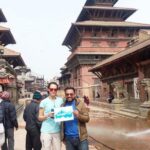
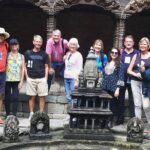
On the Kathmandu tour, you start at Swayambhunath, also called the Monkey Temple. It is a quick but memorable way to get oriented to how Nepalese religion is lived, not just displayed. Then you head to Patan Durbar Square, where the focus shifts to temples and monuments tied to fine arts and artisan traditions.
Next comes Pashupatinath Temple on the Bagmati River. This is one of the most important Hindu sites in Nepal, and you can also see the holy Bagmati River area where Hindu open cremation ceremonies take place. If that feels intense, it is still part of the reality here. You will want to keep respectful distance and dress modestly.
The day ends at Boudhanath Stupa, one of Nepal’s largest Buddhist sites. You will see the Buddhist world at a scale that makes the Everest trek feel less like a separate adventure and more like a continuation of the same cultural universe.
Why I like this approach for your trek: you start learning the religion and village rhythm before altitude starts stripping everything down to breath, steps, and weather windows.
You can also read our reviews of more hiking tours in Kathmandu
Lukla flight and the Ramechhap option: the start that can make or break the mood
The trek technically begins with a short hop to Lukla. You fly either from Kathmandu or from Ramechhap Airport to Lukla, then you trek onward toward Manjo and your first mountain-day walking.
This is where you should expect the signature element described in the program: a roller-coaster style mountain flight and a dramatic landing. Even if you have flown small aircraft before, this route tends to feel more intense because the region’s terrain is so close. Your best move is to go in calm. If you are the type who hates tight timing, build a little patience into your plan.
Why this matters for you: flight timing is one of the biggest practical variables for Everest treks. That is why the program includes the mountain permitting and guide coordination, and why you should keep your own schedule flexible after the trek too.
Namche Bazaar: acclimatization you actually feel in your body
After Lukla and early trail days, you reach Namche Bazaar, the main hub in the Everest region. The route climbs through rhododendron woods and passes bridges, which keeps the early hiking varied and not just one long grind.
Then you get something smart: a rest day in Namche to acclimatize. This is not time-wasting. It is altitude management in real form. Namche sits in a bowl-shaped region, and your body needs time to adjust before you head higher. The program specifically sets this up so you can get properly accustomed to the elevation.
What you’ll enjoy here: street energy without the pressure of big-city chaos, plus the chance to see how Sherpa communities live, trade, and prepare for trekkers and climbers. You also tend to get clearer mountain sightlines on days when weather plays along.
Possible drawback: Namche can feel like a long stop if you are eager to reach Everest quickly. But if you want your trek to feel strong, not scary, this built-in pause is a major value.
Tengboche and Dingboche: the monastery stop and the classic peak views

From Namche you continue onward, and one of the standout villages in the description is Tyangboche, tied to Tengboche village and the famous monastery there. The trail in this section is described as an easy walk up to Phunki, then you climb toward Tengboche. That pacing matters because you are still working altitude while also wanting your energy for the viewpoints.
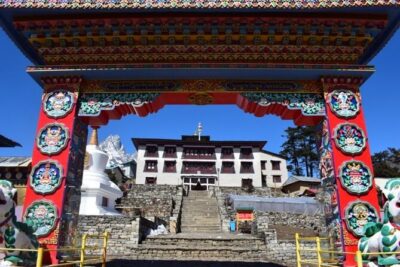
At the monastery stop, you get a different pace from pure hiking. You are in a place that feels like it has its own tempo, shaped by religion and seasons. Even if you are not a temple person, the setting gives your trek meaning beyond the checklist.
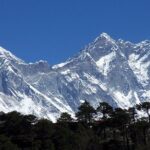
Then comes Dingboche, where the trek continues with descents and passes through birch forests and rhododendron trees. This is a good contrast day, because you see how the region changes with elevation. It is also one of the sections where you can often spot major peaks in the Everest area, including Mt. Everest, Lhotse, and Ama Dablam.
Practical tip for you: on days like this, you will likely want a slower rhythm than you think. If you push early, the altitude will collect later, often when you least want it to.
Lobuche to Gorak Shep: memorial stupas and the glacier-path feel

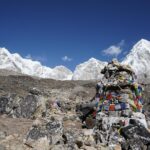
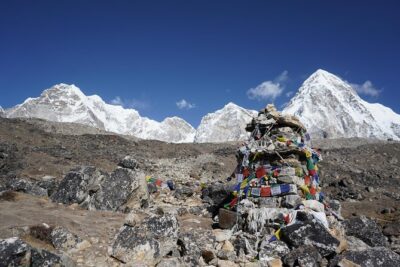
From Dingboche you keep climbing, and the description flags that the trek becomes more challenging from Lobuche onward due to higher altitude. The program notes a tough walk to a steep hill, plus passing memorial stupas, which are a stark reminder that this region has a history of serious mountaineering losses.
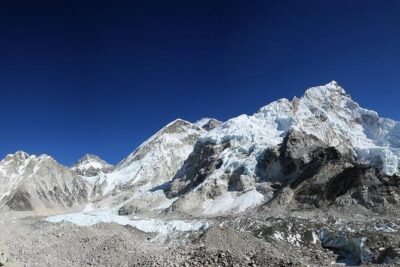
After that, you reach Gorak Shep, and the walking becomes more technical in feel. The trek to the next big objectives involves ascending and descending on mostly glacier path and rough terrain. This is where you should pay attention to footing. In high-altitude trekking, one careless step can cost you a day.
What you’re working toward here: the program clearly sets this section as your threshold phase, where the Everest Base Camp approach starts to feel like true Khumbu country.
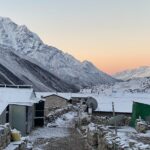
Everest Base Camp, then Kala Patthar at 5,644m: the signature day

You finally reach the area around Everest Base Camp, and the program’s highlight is the push toward Kala Patthar. The description notes you walk a fairly steep trail at a comfortable pace to Kala Patthar, and that along the ascent you see peaks like Lingtren, Khumbutse, and Changtse.
Then, at the summit level, the view is described as outstanding. Most people remember Kala Patthar for two reasons: it is high enough to feel extreme, and it gives a wide perspective on the Everest region. You are also there at an altitude where every step takes more breath than you expect.
A second important detail is that you also have a morning hike plan tied to Pheriche, specifically to watch sunrise from a vantage point at Kala Patthar. If sunrise is clear, it can turn the experience into something you remember for years. The program describes the sun rising from behind the Mount Everest massif, making peaks appear golden.
If the weather is iffy: do not assume you will get the perfect postcard view. High altitude is weather-first. But even without a perfect sky, the scale of the Khumbu region, the glacier atmosphere, and the physical accomplishment of getting there still make this day the heart of the trip.
The return down the Dudh Koshi valley toward Namche and Lukla

After your Everest Base Camp and Kala Patthar efforts, the trek turns into careful descent work. You start heading back and you will lose altitude gradually, which is harder than it sounds on the knees but often easier on the mind.
On the day back toward Namche, the program notes you walk a trail with many ups and downs, losing nearly 2,000 feet in altitude, including a bridge over the Dudh Koshi River. The trail continues through rhododendron areas, which is a nice reminder that this is not only stone and snow.
Then you move on to Lukla again. The description emphasizes rocky paths and many suspension bridges before reaching a surfaced path back into Lukla. You will feel the air getting warmer, which is a great sign your recovery is underway.
Why I think the return feels worthwhile: you get a change of pace. You stop chasing altitude, and you start just walking through a place you now understand. The mountains look different on the way down, partly because you are not guessing as much about what comes next.
Getting back to Kathmandu: rest day, flexible exploration, and a real flight buffer

Once you reach Lukla for the last time, you fly back to Kathmandu early in the morning. You are then escorted to your hotel and you have the rest of the day to recover and explore nearby areas if you still have energy.
On the final day, you are dropped off at the airport with a recommended buffer time. That is a smart move in Nepal, because airport timing and weather can still shift your schedule.
My practical take: after 15 days of walking and altitude management, the last gift is not another long sightseeing push. It is time to sleep, eat normally, and let your body settle.
Price and value at $1,799: what’s included, what costs extra
At $1,799 per person, this is not a budget trek. You are paying for the mountain logistics that matter: permits, flights, guiding, and the core rhythm of meals and lodging.
Here is what your price covers, based on what’s listed:
- airport arrival and departure support
- Everest National Park permit
- flights to Lukla and back (Kathmandu or Ramechhap to Lukla and return)
- a government licensed trek guide
- porter support (1 porter per 2 guests) to carry baggage
- 3 nights in Kathmandu with breakfast
- Kathmandu UNESCO World Heritage sites tour
- included meals across the trekking period, including lunch and dinner (and breakfast on 13 mornings)
You also get a small-group environment, with a maximum of 15 travelers, and group discounts are mentioned.
What costs extra, and you should plan for:
- travel insurance
- Kathmandu UNESCO entrance fees, listed as $20 per person
- trekking equipment (you bring your own)
- alcohol and all drinks besides a cup of tea a day
- Nepal visa
How to judge value for yourself: if you price out the flight to Lukla, the guide, the permit, and porter support separately, the math often starts to make sense. Where the value can drop is if you need to buy a lot of gear last minute, or if you are underprepared for altitude, because the trek’s structure assumes you bring your own equipment and show up ready.
Also note the trip expects decent weather for the mountain flights. If weather becomes the bottleneck, plan your mindset accordingly.
Who should pick this 15-day Everest Base Camp plan
This trek is described for people with moderate physical fitness. That usually means you should be comfortable hiking day after day with steady elevation gain, plus occasional rougher terrain near the Khumbu glacier path areas.
This plan is a good fit if you want:
- a classic Everest Base Camp experience plus Kala Patthar as the high viewpoint goal
- a Kathmandu start that covers major UNESCO sites, including both Hindu and Buddhist landmarks
- a group setup that includes a licensed guide and porter support so you do not haul heavy loads yourself
- a trek pace that includes built-in acclimatization, like the rest day in Namche
It may be less ideal if:
- you are very sensitive to intense flights into Lukla
- you want a purely low-cost trip, because the included structure still leaves room for added expenses like insurance, visa, entrance fees, and equipment
Should you book this Everest Base Camp trek and Kathmandu tour?
If you want the real Everest trek shape, not a watered-down version, this package looks like a strong choice. I like the combination of Kathmandu UNESCO orientation and a trek plan that takes acclimatization seriously with a Namche rest day. The highlight of Kala Patthar at 5,644m, plus sunrise viewing options near Pheriche, gives you a memorable payoff that is well worth planning for.
I would book it if you can do the basics right: bring good trekking gear, respect altitude, and keep flexibility for flight weather. If those parts sound manageable, you are in good shape for a trip that feels both culturally grounded and physically real.
FAQ
What is the price for this Everest Base Camp trek and Kathmandu tour?
The price listed is $1,799.00 per person.
What does the price include?
It includes airport arrival and departure support, Everest National Park permit, flights between Kathmandu or Ramechhap and Lukla, a government licensed trek guide, porter support (1 porter for every 2 guests), 3 nights of hotel in Kathmandu with breakfast, a Kathmandu UNESCO World Heritage sites tour, and included meals such as lunch and dinner (and breakfast on 13 mornings).
Do I need to pay for Kathmandu UNESCO entrance fees?
Yes. Kathmandu UNESCO World Heritage site entrance fees are not included and are listed as $20.00 per person.
Are trekking equipment and travel insurance included?
No. Trekking equipment and travel insurance are not included, and you need to bring your own trekking gear.
How do flights to Lukla work?
You fly from Kathmandu or Ramechhap to Lukla and return on the scheduled flight days. The program also notes that the experience requires good weather.
How many people are in the group, and is there porter help?
The maximum group size is 15 travelers. Porter support is included, with 1 porter carrying baggage for every 2 guests.
More Hiking & Trekking Tours in Kathmandu
More Tours in Kathmandu

More Tour Reviews in Kathmandu
Not for you? Here's more nearby things to do in Kathmandu we have reviewed


Everest Base Camp Treks from Kathmandu, compared.
 ★ 5.0Everest Base Camp Trek – 14 DaysFrom $1,8001,499 reviews
 ★ 5.0Everest Base Camp TrekkingFrom $1,350485 reviews
 ★ 5.0Everest Base Camp Trekking – 13 DayFrom $1,399365 reviews
★ 5.0Everest Base Camp Trek -14 DaysFrom $1,420321 reviews
★ 5.0Everest Base Camp Trekking – 13 DayFrom $1,399365 reviews
★ 5.0Everest Base Camp Trek -14 DaysFrom $1,420321 reviews
 ★ 5.0Everest Base Camp Trekking – 2025/2026From $1,339199 reviews
 ★ 5.0Everest Base Camp TrekFrom $1,408193 reviews
14-Days Private Everest Base Camp TrekFrom $1,600152 reviews
★ 5.0Everest Base Camp TrekkingFrom $1,350146 reviews
★ 5.0Everest Base Camp TrekFrom $1,408193 reviews
14-Days Private Everest Base Camp TrekFrom $1,600152 reviews
★ 5.0Everest Base Camp TrekkingFrom $1,350146 reviews
Browse the lists this tour appears in