
REVIEW · EVEREST BASE CAMP TREKS FROM KATHMANDU
Everest Base Camp Trek
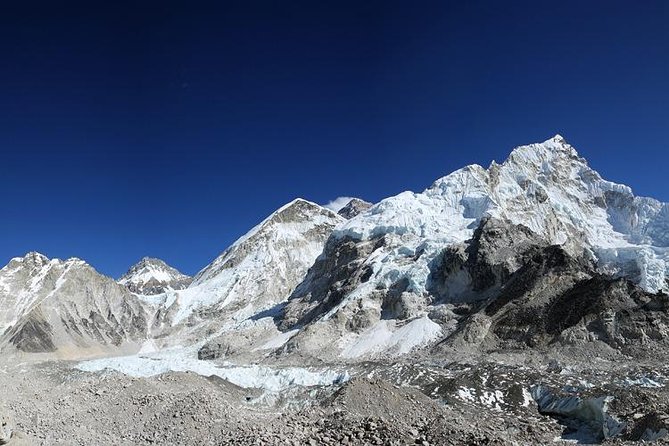
Everest calls, and your schedule holds. This classic route through Sagarmatha National Park is built around the real-world rhythm of the Khumbu, from Lukla to Everest Base Camp, then up to Kala Patthar for one of the best viewpoint shots the region offers. I like the way the plan includes an acclimatization day in Namche Bazaar, and I also like the included porter setup (2 trekkers per 1 porter), which makes a big difference when the altitude starts to feel personal. One drawback to consider up front is that you still need solid stamina, because the daily walks add up and the top heights are not forgiving.
This is also a private tour format, so you are not stuck waiting on other groups. Meetings start early, with the pickup plan tied to a 5:15 am meet time at Tribhuvan Airport, and you will fly in and out of Lukla as part of the itinerary. I think the best fit is for you if you want structured support, predictable meals, and a guide who can help you pace the trek, rather than going full independent.
Key Highlights You Should Actually Care About
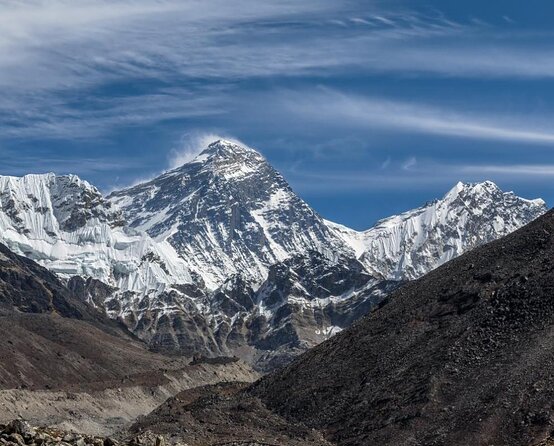
- Kala Patthar is the main big-view target for Everest day views
- Namche Bazaar acclimatization day helps you adjust before higher villages
- Tea house accommodation plus three meals and hot soup reduces decision stress each day
- Porter service at 2 trekkers per 1 porter eases the load
- Professional guide and airport transfers keep logistics tight from start to finish
- Private-group experience means the timing stays about your group
Price and Logistics: What $2,500 Covers, and What It Does Not
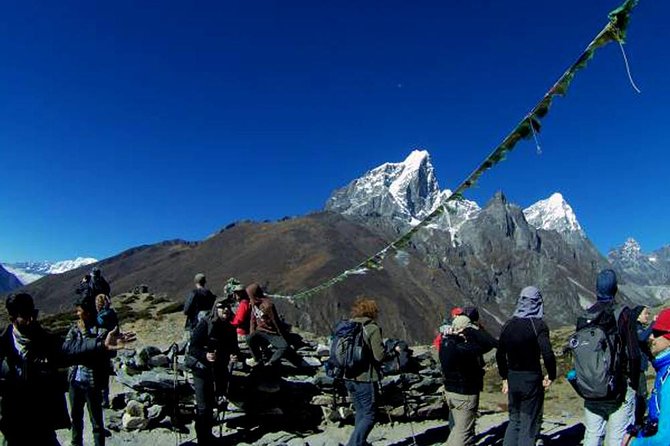
At $2,500 for about 12 days, you are paying for more than “beds and a trail.” The package includes airport pickup and drop in Kathmandu via private vehicle for both international and domestic flights, plus the transport needed to match the itinerary. It also includes a professional guide for the trek and sightseeing, tea house accommodation during the trek, and three meals per trekking day, with hot soup in the high places.
That matters because Everest region travel has a way of turning small logistics into big headaches. When flights, transfers, guides, and meals are handled, you can focus on the trek itself, pacing, and taking in the scenery. You also get a farewell dinner in Kathmandu, plus a trip completion certificate, a trekking map, and even a T-shirt from the company.
What you should budget separately is just as important. Nepal visa and international flights are not included, and client travel and rescue insurance is also not included. Personal expenses like hot shower, battery charging, bar bills, laundry, and water are on you, and tips for your guide and porters are not included either.
You can also read our reviews of more hiking tours in Kathmandu
Day 1: Lukla Flight and Phakding Walk at 2,650 m
The trek really starts with a short but intense flight. You fly from Kathmandu to Lukla, about 25 minutes, then shift right into walking with a trek of about 3 hours to Phakding at 2,650 meters.
This is a good first-day design because it gives you that early Everest-region rush without immediately throwing you into the steepest climbing. You also get your first hints of the region through views that fill in once you land. The walk passes forests and Buddhist monasteries, so you are not just moving through a route, you are moving through a living place.
A practical consideration, though: the day is packed, and the meeting time in Kathmandu is very early. If you are someone who hates waking up before sunrise, adjust your expectations now, because this itinerary starts the clock fast.
Day 2: Phakding to Namche Bazaar, a 6-Hour Altitude Step
Day 2 climbs steadily to Namche Bazaar, about 6 hours, reaching 3,440 meters. The path follows rivers and passes villages and waterfalls, with a lunch stop option around Monje or Jorsalle based on the route.
Namche Bazaar is where the trekking world changes. It is high enough that you start feeling the air, but it is still lively, with viewpoints you can reach from town. The plan even keeps room to see Mount Everest from Top Danda close to Namche Bazaar when weather allows.
I like that the schedule aims for a normal walking day length rather than an all-day grind. You walk, you eat, you sleep higher, and tomorrow’s acclimatization day then has a purpose instead of being random.
Day 3: Acclimatization in Namche Bazaar, Built for Real Recovery
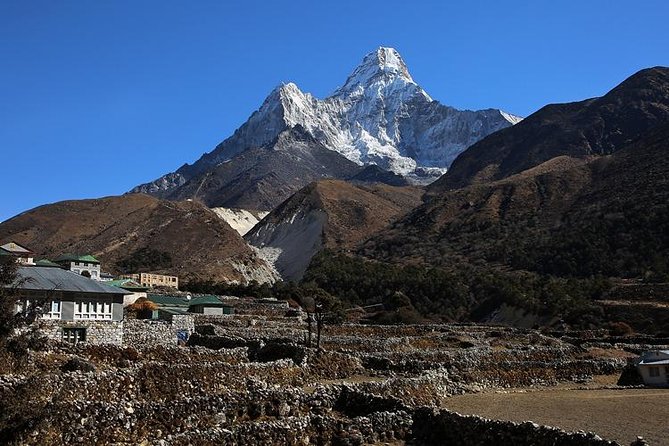
Your acclimatization day is not just a rest day on paper. You explore Namche Bazaar and the surrounding area so your body can adjust to the climate of the Everest region before you go higher.
This is where you can use the extra hours well. The plan suggests hikes and sights around the area, including places like Everest View Point, plus peaks in the Kusum Kanguru, Taboche, Khonde, and other surrounding viewpoints. You can also visit the Sagarmatha National Park museum and do some shopping for souvenirs.
The value here is simple. If you have ever tried to “push through” altitude changes, you know it can come back later. An actual acclimatization day helps you stay on schedule, and it gives you time to plan your next steps without rushing.
Day 4: Namche to Tengboche and the Monastery Factor at 3,860 m
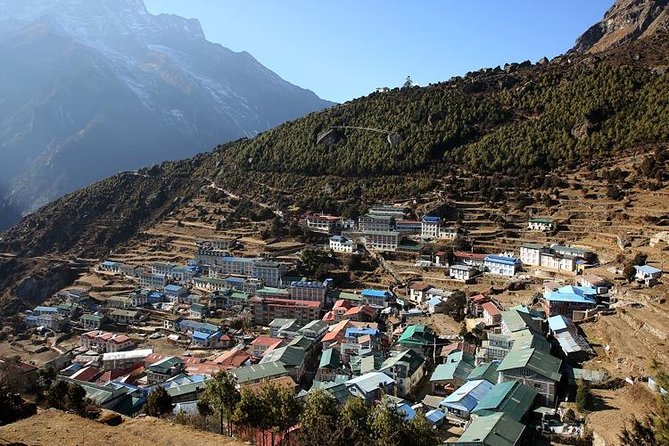
Day 4 takes you from Namche Bazaar to Tengboche, about 5 hours, arriving at 3,860 meters. The route crosses rhododendron forest and follows river edges before you reach the town and its main landmark.
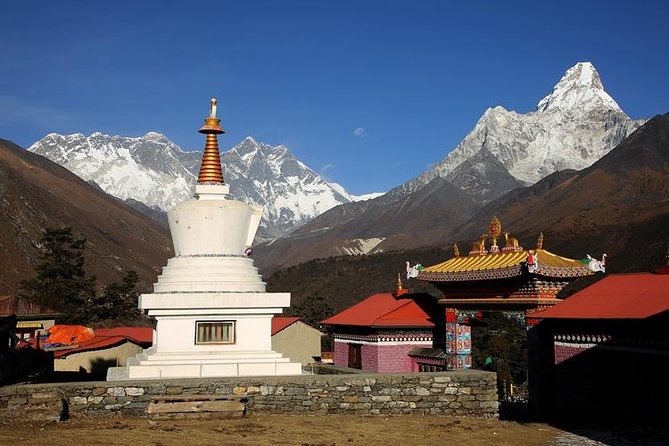
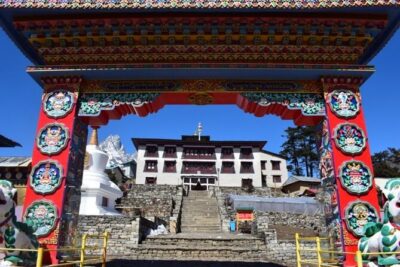
The highlight is Tengboche monastery. You visit it, and you will see monks and locals following long-standing traditions. Even if you are not a big religious-site person, this is one of the most meaningful stops because it grounds the trek in local life, not just altitude and views.
One thing to consider: like many days in the Khumbu, what you see depends on weather. Clear visibility makes every stop better, especially as you work toward higher points.
Day 5: Tengboche to Dingboche at 4,400 m
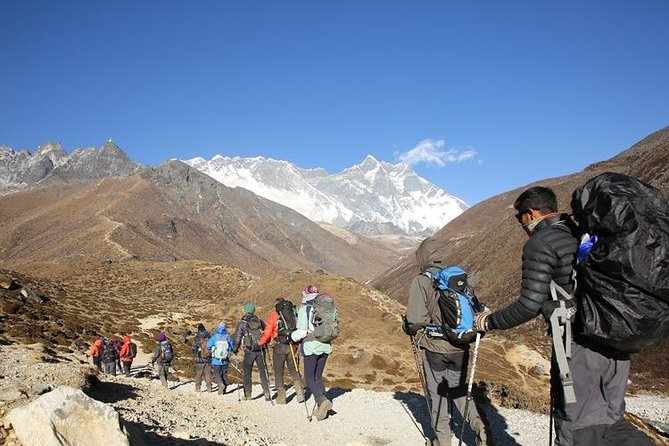
Day 5 is another key altitude jump. You trek about 5 hours to Dingboche, reaching around 4,400 meters. There are breaks along the way, including suggested lunch at Pangboche or Somare depending on the route plan.
Dingboche is a high-altitude village, so expect the air to feel thinner and the pace to need more intention. The itinerary keeps you on a steady walking plan with meals built in, including breakfast at Tengboche, lunch mid-route, and dinner in Dingboche.
The drawback for some people is that there is less room for spontaneity. You are following a structured schedule that helps keep the itinerary moving, but that also means you cannot fully freelance your walking pace.
Day 6: Dingboche to Lobuche, Views at Around 4,910 m
Day 6 moves you to Lobuche at about 4,910 meters. The trek time is listed as around 4 hours in the quick outline, and about 5 hours in the detailed day guide, so think in the range of a steady half to full day of walking.
The payoff is the mountain view quality. The plan calls out sights such as Mt. Nuptse, Island peak, Lobuche peak, and Taboche peak along the route area.
This day is also about mindset. You are getting closer to the glacier and base camp zone, and it is normal for your body to feel less efficient than on lower days. The porter support and three meals help you keep your energy up even if every step feels heavier.
Day 7: Gorakshep, Then Everest Base Camp and Back at 5,150 to 5,364 m
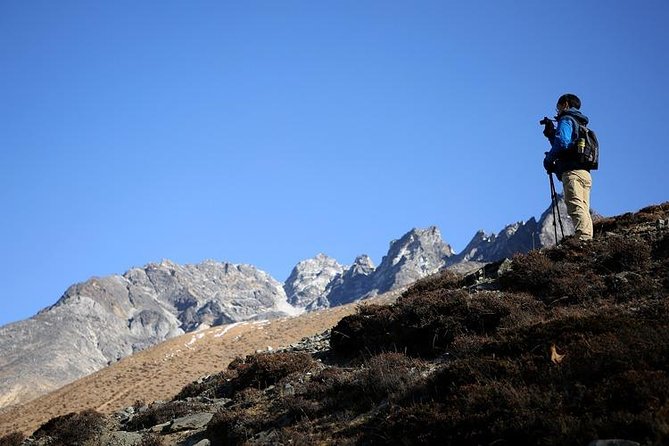
Day 7 goes to Gorakshep at about 5,150 meters. You trek there in about 3.5 hours, with a steep trail segment included in the description. Once you are in Gorakshep, you have lunch and then hike through a small glacier and lake area toward Everest Base Camp at 5,364 meters.
Then you return to Gorakshep. That out-and-back structure matters. It helps you reach Everest Base Camp without trying to “tag it” and then keep climbing for hours in a single push.
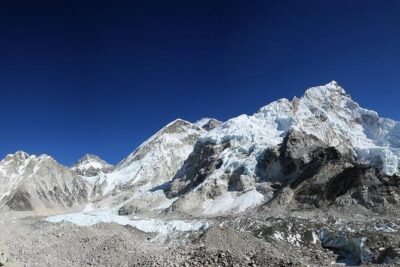
This is the day that turns the dream into a physical memory. The views around the Khumbu glacier are a major part of why this trek is famous, and the itinerary is designed to place you at the right spots at the right time. Your job is mostly to slow down and keep breathing steady.
Day 8: Early Kala Patthar Climb for Everest Views, Then Down to Lobuche
Day 8 is the big viewpoint day. You hike to Kala Patthar early in the morning, about 3 hours, then come down and trek about 2.5 hours to Lobuche.
The itinerary explicitly frames Kala Patthar as the best viewing platform for the Everest region, which makes this day the most intentional “see the peak” effort. You will reach the area and then descend, so it is a climb day with a planned recovery in the second half.
One practical consideration: Kala Patthar is the kind of place where cloud cover can ruin your best angles. You are doing the right thing by going early, but you cannot fully control the sky. If you have flexibility, you still get value from the experience even when the views are mixed.
Day 9: The Downshift Back to Tengboche, About 5.5 Hours
Day 9 brings you back down to Tengboche, about 5.5 hours. You take breaks at Pangboche and Deboche for lunch, with monasteries, stupas, bridges, and rivers along the way.
This is one of the days that can feel easier in your legs while still being emotionally busy. You have the altitude fatigue from earlier days, but you are not adding new high points. That makes it a good day for slower walking, more photo stops, and paying attention to the trail details you might have missed earlier.
It also helps the group stay positive. When you have several high days ahead, a controlled descent keeps you from feeling broken.
Day 10: Tengboche to Monjo via Namche, About 6 Hours
Day 10 is a longer route back toward lower elevations. You trek about 6 hours from Tengboche to Monjo, via Namche Bazaar and Jorsalle, with lunch at Namche Bazaar along the way. The route also includes rhododendron forest for about an hour after breakfast at Tengboche.
This day can feel like “the trek is happening in reverse,” but that is exactly what you want. It gives your body time to adjust downward while still keeping the schedule moving.
A small plus: you get to pass back through Namche again, so you get familiar with the place before you finish the trek. It is a nice mental landmark for many people.
Day 11: Manjo to Lukla via Phakding and the Dudh Koshi Suspension Bridge
Day 11 is about getting back to Lukla for your flight home. You trek from Manjo to Lukla in roughly 5 hours, and the route includes time in Phakding plus a key crossing: the Dudh Koshi suspension bridge.
The itinerary notes you walk over the river bridge and then alongside a drive for a few hours before reaching Phakding, then continuing a few more hours to Lukla. You spend the night in elevated Lukla.
This is a day where you should keep expectations calm. You are not climbing anymore, but you can still feel tired from earlier altitude work and multiple days of walking.
Day 12: Flight Back to Kathmandu and Time in Thamel
On the final day, you fly from Lukla back to Kathmandu, about 25 minutes. You then get escorted to a hotel via private car, and you have time to explore Thamel after you refresh.
The itinerary also notes that extra nights in Kathmandu are not included except for what your schedule already covers. So plan your departure timing accordingly if you want more city time.
I like finishing with a clear structure. After days at high altitude, you want a predictable ending and a place to reset, not another scramble to find transport and meals.
Who Should Book This Everest Base Camp Trek (and Who Might Feel It Is Too Much)
This trek calls for moderate physical fitness level, and the route is clearly challenging. If you want a famous Everest experience but also prefer structure, guide support, meals, porters, and airport transfers, this itinerary style is a solid match.
It is also a strong fit if you like the idea of tea house accommodation with hot soup in high places, and if you want a private tour format where your group participates without mixed pacing.
Who should think twice? If you know you struggle with early starts, long hiking days, or the idea of high-altitude trekking from about 3,440 meters up toward 5,364 meters, consider a gentler route or adding more acclimatization days with your provider.
Support Quality: The Guide and Team Dynamic Matters
The company includes a professional guide and provides porter service with an insurance policy for guide and porters. That is not just “nice to have.” On a route like this, having someone who can manage pace, keep you fed, and handle daily timing helps you spend energy on trekking instead of logistics.
In feedback about Himalayan Holyland Treks and Expedition, I saw praise for guides like Ajay and Jangbu for being present and supportive. Even though your exact guide may differ, it signals that the organization puts real attention into how the trek feels on the ground.
This kind of support is especially useful on the toughest days, like reaching Gorakshep, hiking to Everest Base Camp, and then making the early Kala Patthar push.
Should You Book This Everest Base Camp Trek?
You should book this trek if you want a classic Everest Base Camp itinerary that is built around acclimatization, includes tea house lodging and full meal support, and keeps logistics tight with airport pickups and guide coverage. The porter ratio and the structured schedule are also real value add for most people trying to enjoy the trek rather than fight it.
I would hesitate if you are trying to travel extremely light, have tight budgets for gear and personal expenses, or you do not plan for high-altitude reality. Also remember that international flights, Nepal visa, and your travel and rescue insurance for clients are not part of the package.
If you like the idea of hitting Everest Base Camp at 5,364 meters and making Kala Patthar the main viewpoint goal, this is one of those “world-famous for a reason” treks, with the support pieces handled for you.
FAQ
Where do we meet at the start of the trip?
The start location is Tribhuvan Airport in Kathmandu, Nepal, with a start time of 5:15 am.
How long is the Everest Base Camp Trek?
The trek is listed as 12 days approximately.
Does the itinerary include flights to Lukla and back?
Yes. Day 1 includes air travel from Kathmandu to Lukla (about 25 minutes), and Day 12 includes a flight from Lukla back to Kathmandu (about 25 minutes).
What type of accommodation is used during the trek?
You use tea house accommodation during the trek.
Are meals included?
Yes. You get three times meal during the trek, plus hot soup in the high places.
Is there a rest or acclimatization day?
Yes. Day 3 is an acclimatization day where you explore Namche Bazaar and the surrounding area.
Is a porter service included?
Yes. Porter service is included at a ratio of 2 trekkers to 1 porter.
What transfers are included when arriving and leaving Nepal?
You get airport pickup and drop in a private vehicle for international flight and also for domestic flight.
What is not included in the price?
Not included are Nepal visa, international flights to and from Kathmandu, travel and rescue insurance for clients, personal expenses, extra Kathmandu nights outside the itinerary, and tips for your guide and porters.
Can I cancel for a full refund?
Yes. You can cancel up to 24 hours in advance for a full refund.
More Hiking & Trekking Tours in Kathmandu
More Tour Reviews in Kathmandu
Not for you? Here's more nearby things to do in Kathmandu we have reviewed


Everest Base Camp Treks from Kathmandu, compared.
 ★ 5.0Everest Base Camp Trek – 14 DaysFrom $1,8001,499 reviews
 ★ 5.0Everest Base Camp TrekkingFrom $1,350485 reviews
 ★ 5.0Everest Base Camp Trekking – 13 DayFrom $1,399365 reviews
★ 5.0Everest Base Camp Trek -14 DaysFrom $1,420321 reviews
★ 5.0Everest Base Camp Trekking – 13 DayFrom $1,399365 reviews
★ 5.0Everest Base Camp Trek -14 DaysFrom $1,420321 reviews
 ★ 5.0Everest Base Camp Trekking – 2025/2026From $1,339199 reviews
 ★ 5.0Everest Base Camp TrekFrom $1,408193 reviews
14-Days Private Everest Base Camp TrekFrom $1,600152 reviews
★ 5.0Everest Base Camp TrekkingFrom $1,350146 reviews
★ 5.0Everest Base Camp TrekFrom $1,408193 reviews
14-Days Private Everest Base Camp TrekFrom $1,600152 reviews
★ 5.0Everest Base Camp TrekkingFrom $1,350146 reviews
Browse the lists this tour appears in