
REVIEW · EVEREST BASE CAMP TREKS FROM KATHMANDU
Everest Base Camp Trek
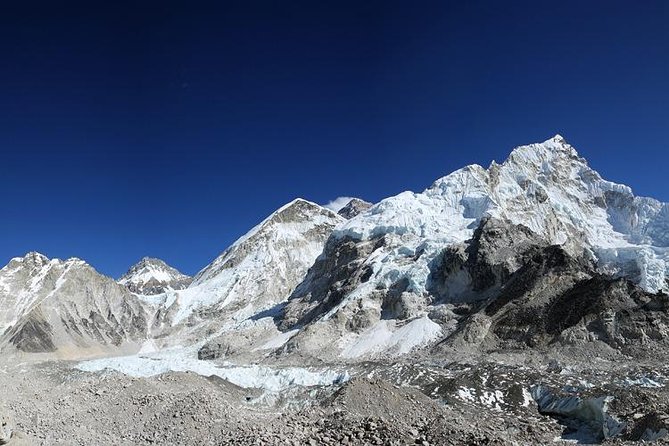
One of the best ways to test your legs. This Everest Base Camp trek strings together Lukla flight views, Sherpa villages, and a slow climb to the Kala Patthar sunrise viewpoint. Over about 15 days, you get guided pacing, included permits, lodge nights, and a route designed around acclimatizing before you chase the big 5,364 to 5,545 meter moments.
I like how the trip is built for real-world mountain timing, with a buffer day in Kathmandu if Lukla flights get delayed. I also like that the package includes a lot of the unglamorous stuff, from your Kathmandu nights to lodge stays on the trek, so you can focus on walking and breathing at altitude.
The one possible drawback is obvious, but worth saying plainly: this itinerary climbs to 5,545 meters, so you need moderate fitness and you should take acclimatization days seriously, especially in colder months. Also, since it is winter-capable and can be very cold (based on past winter treks), you need to plan for layers and wind more than for fashion.
Key highlights worth focusing on
- Lukla to Base Camp routing with early flights and daily progress through classic Sherpa towns
- Kala Patthar sunrise planned as a steep, high-point day for the strongest views
- Acclimatization blocks in Namche and Dingboche that give your body a chance to adjust
- Sagarmatha National Park access plus necessary conservation fees included in the price
- Small groups (max 12), so the trek stays manageable and your guide can keep track of everyone
- Winter-ready guidance reflected in reviews, including a guide named Krishna helping trekkers focus on hiking in minus weather
Why This Everest Base Camp Trek Feels Like the Right Level of Managed
Everest Base Camp is a big dream, but it is also logistical chaos if you do it wrong. This trek helps you avoid the common mistakes by keeping the plan guided and bundled. You show up in Kathmandu, you get moved into the schedule, and the route is paced across trekking days plus acclimatization days.
I also like that it is not just a treadmill hike. The itinerary builds in time where you do something besides climb, including a proper Namche rest day with sights and culture, and another adjustment day in Dingboche. That matters because altitude does not care about your motivation. The goal is to give you a fighting chance to feel steady on the higher days.
You can also read our reviews of more hiking tours in Kathmandu
Kathmandu arrival, your guide briefing, and what to expect before Day 2
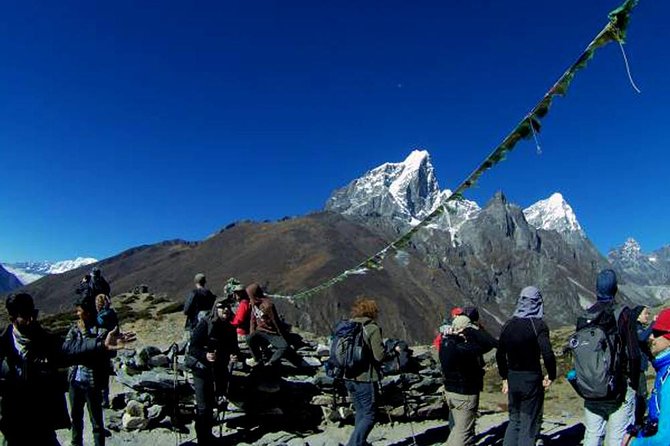
Day 1 starts with a straightforward airport transfer from Tribhuvan International Airport to your hotel in Kathmandu. Then you meet your guide for a short briefing and you get time to rest and recover from flying.
Two practical points here. First, you start with real sleep instead of hopping right into gear-check chaos. Second, you start with a plan for what happens at altitude, not just where you will walk. The tour also notes pickup is offered, and your start time is listed as 7:15 am, so you will want to have your day one rhythm lined up early.
You will stay 3 nights in Kathmandu total, which is a nice buffer for travel days and for any last-minute logistics.
The Lukla flight day that sets the whole tone (and why it matters)
On Day 2 you fly early from Kathmandu to Lukla, meeting the trekking crew and starting with an easy descent toward Phakding. The route follows classic Sherpa-country trail cues: mani walls and prayer wheels show up, and you start seeing the texture of village life quickly.
That first day is more than warm-up. It teaches you the rhythm you will use for the next 2 weeks:
- walk at a pace you can sustain
- stop when your breathing asks you to
- keep moving, but do not race
Even in good weather, Lukla is one of those places where timing matters. Having Kathmandu-Lukla and return flights included in the package helps you avoid the most stressful parts of booking separately.
Day 2 to Day 4: Phakding, Dudh Koshi crossings, and Namche’s altitude test
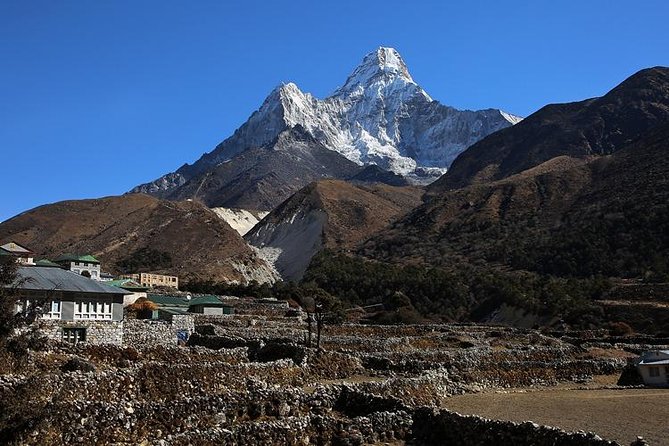
Day 3 brings you to Namche Bazaar after a trek that tracks the Dudh Koshi River. The big visual moment here is the suspension bridges draped with colorful prayer flags. It is scenic, yes, but also practical: bridges mean you are crossing real terrain obstacles safely within a guided route.
You also enter Sagarmatha National Park, which is not just a label. It is a reminder that you are in a protected area with conservation rules, and the tour includes the necessary permits and Sagarmatha conservation fees. That is value because you are not left chasing paperwork mid-trip.
Day 4 is your first acclimatization day in Namche. This is a key reason I like this itinerary. Instead of forcing you to climb again, you get to explore the town, including the market and local spots like bakeries, plus the Sherpa Museum. You also get a short hike option to high viewpoints like the Everest View Hotel or to Khumjung village for panoramic views.
This day is where you check in with your body. If you feel okay, you do a small hike. If you feel off, you keep it light and let tomorrow be the hard day.
Tengboche to Dingboche: forests, monasteries, and the payoff of gradual climbing
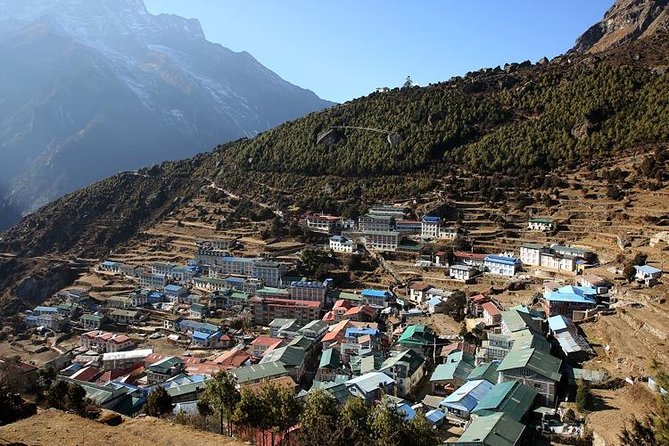
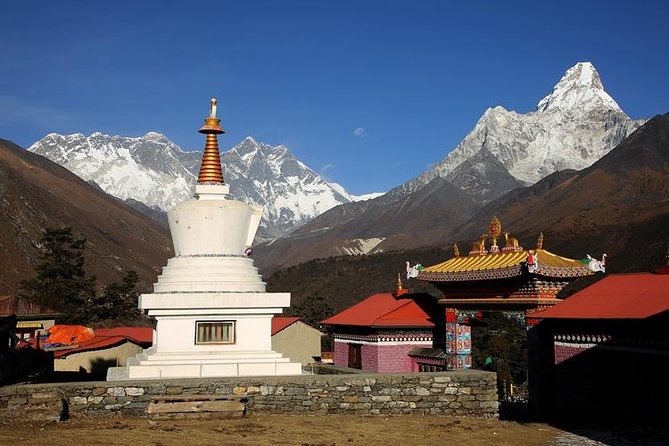
Day 5 takes you toward Tengboche. The route gently ascends out of Namche with views of Everest, Lhotse, and Ama Dablam, then you move through forests of rhododendron and pine before descending toward the Dudh Koshi River and crossing suspension bridges.
This is one of those days where the scenery is part of the training. When you keep the climb gradual and let the forest lines break up the effort, your legs manage the work better. You also get those first major mountain sightlines that make the trek feel real.
Day 6 moves you to Dingboche after a descent through forests to Debuche, a crossing of the Imja Khola River, and a climb past Pangboche, described as the highest permanent settlement in the region. Even if you are not a geology nerd, this kind of stop helps you understand why people come here: the views tighten, and the region feels distinct.
Day 7 is another acclimatization day, this time built into Dingboche. You hike to Nagarjun Hill (5,100 m) for views of Makalu, Lhotse, and Island Peak, then return for lunch and rest. This is smart because it gives you a controlled exposure to higher elevation without going all the way to the extreme high points too soon.
Lobuche and the memorial ridge: when the hike turns heavier
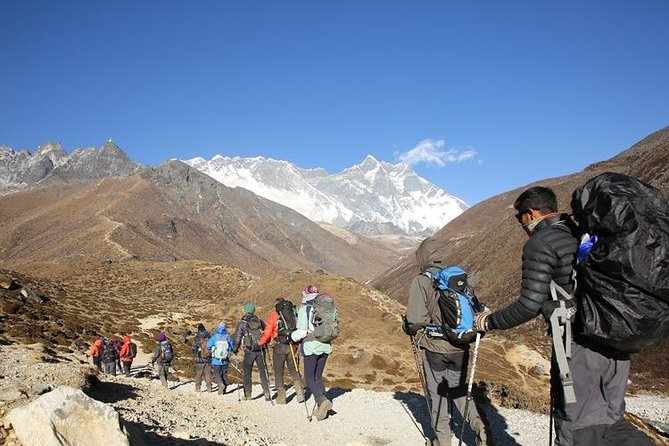
Day 8 heads to Lobuche. The trail gets rockier and vegetation thins out. You pass Dughla and then ascend the memorial ridge honoring climbers who lost their lives on Everest.
This is the kind of moment where the trek becomes more than a checklist. It is still a walk day, but the emotional tone changes. If you want to come with the right mindset, this is it. You keep your pace, but you also slow down mentally and take in what the ridge represents.
The itinerary then continues on toward Lobuche, building you toward the Base Camp push.
The Gorak Shep to Everest Base Camp day: your big, unforgettable hour
Day 9 starts with a gradual trek to Gorak Shep, described as the last settlement before Base Camp. After lunch, you hike across rocky terrain and glacier moraines to reach Everest Base Camp.
This is where you see the contrast:
- on the way in, it feels like you are working
- once you reach Base Camp, it feels like you are witnessing
It is also a long day. Plan to move steadily, not quickly. Your win is arriving with your energy still intact, so you can enjoy the view without feeling wrecked.
Kala Patthar sunrise from Pheriche: steep, cold, and worth it
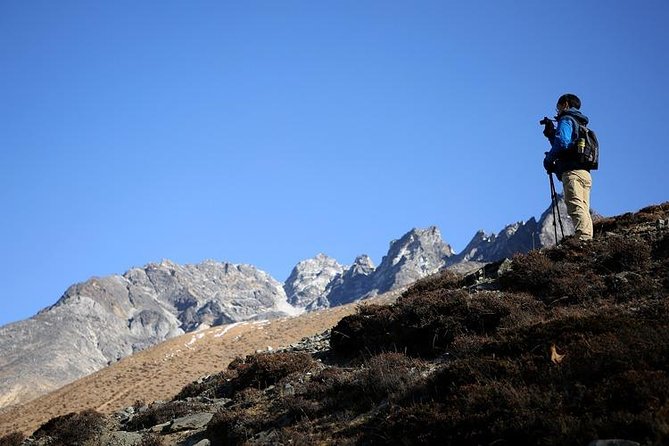
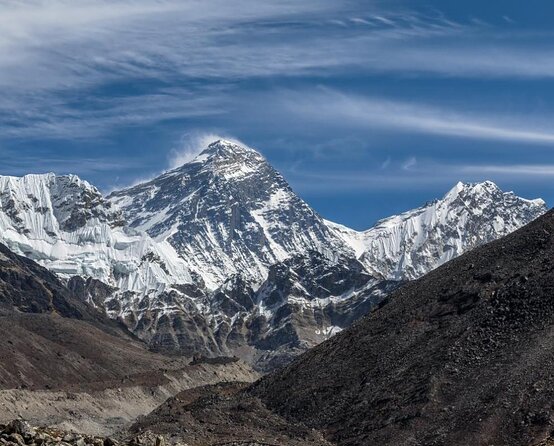
Day 10 includes the highlight day: a steep early climb to Kala Patthar (5,545 m) for sunrise views of Mount Everest and the surrounding Himalayan giants. After the sunrise experience, you descend toward Gorak Shep for breakfast and then continue down to Pheriche.
If you are wondering why this trek is so often recommended, this is the answer. Sunrise makes the mountain faces look different, and the height gives you a wide view of the high country. It is also physically demanding because the day mixes early start, altitude, and steep effort.
Past winter trek experiences emphasize how cold it can get, including minus-weather conditions, where a guide named Krishna helped trekkers focus on hiking while handling the rest. That matches what you should plan for: you do not want to waste energy managing gear problems while you are already working hard.
Returning via Namche and Tengboche: same route, different feel
Day 11 takes you from Pheriche back to Namche Bazaar. You descend through Pangboche and Tengboche, then cross suspension bridges over the Dudh Koshi River. The schedule also highlights birds and a more relaxed flow compared to the higher days.
Day 12 continues downhill to Lukla, through pine forests and across high suspension bridges. The best part of these return days is that you start to recognize what you are walking through. You understand where you are relative to the climb you already conquered. That familiarity makes the last days feel less like survival and more like appreciation.
Flight back to Kathmandu and the buffer day that saves plans
Day 13 includes an early morning flight from Lukla back to Kathmandu, with one last view of the Himalayas. You then get transferred to your hotel for rest.
Day 14 is kept as a buffer. This matters because Lukla flights can be impacted by unpredictable mountain weather. Rather than forcing you into a stressful wait, you get an extra day built into the plan. If your flight happens as scheduled, you can spend the day in Kathmandu. If not, you at least have time to breathe.
Day 15 ends the trek with a transfer to Tribhuvan International Airport for your onward flight.
Price and logistics, with real value check
The price is $1,800 per person for about 15 days. The best value piece is that the tour includes a lot of what usually inflates costs on Everest routes:
- all meals during the trek (breakfast, lunch, dinner)
- trekking permits and Sagarmatha conservation fees
- lodge accommodations on the trekking days
- Kathmandu hotel nights
- Kathmandu to Lukla and return flights
- porter support (a porter for between 2 trekkers)
- guided trek with necessary equipment listed for the trek, including a sleeping bag, duffel bag, and walking pole
What is not included is also clearly listed: international airfare, Nepal visa fee, personal travel insurance, and tips for guide and porter.
If you want a clean budgeting approach, this is the tour style that works best. You pay once, then you just plan your own comfort extras and tips.
One more practical detail: the tour notes mobile ticket and pickup offered. That tends to reduce last-minute confusion, especially when travel days are tight.
Comfort, lodges, and the cold-weather reality you should plan for
You sleep in lodge accommodations along the trek, with 3 nights in Kathmandu at a hotel. Lodges are basic by design, but they are the backbone of this route. The included meals matter because they reduce the hassle of finding food and guessing what is safe at altitude.
For cold-weather treks, your biggest enemy is not just temperature. It is wind chill and the combination of early starts and long stretches outside. Winter experiences in past departures describe extreme cold and minus-weather conditions, and that is exactly the kind of trip where a good guide helps you keep your focus.
Practical takeaway: pack for cold and keep your layering system simple. If you can adjust quickly, you will feel less miserable when you stop for breaks.
Who should book this Everest Base Camp trek
This trek fits best if:
- you have moderate physical fitness and you want a guided plan with built-in acclimatization
- you want Everest Base Camp with the sunrise climb at Kala Patthar
- you prefer having permits and meals handled
- you like small group travel, since the maximum group size is 12
If you hate early mornings, this may not be your favorite trip. If you are nervous about altitude, the two acclimatization days are a strong selling point, but you still need to listen to your guide and go slow.
Should you book this Everest Base Camp trek?
I would book it if you want a structured Everest Base Camp route with a clear altitude plan, included permits, included flights to Lukla, and meals plus lodge stays that remove most day-to-day uncertainty. The added buffer day is a thoughtful touch for real mountain travel.
You might think twice if you know cold conditions will make you miserable, or if you struggle with steep, high-altitude days like Kala Patthar. In that case, plan for proper layering and accept that the high-point days are the hardest part.
Bottom line: this is a well-managed way to do Everest Base Camp, especially if you want the mountains and Sherpa villages, but you do not want the logistics headache.
FAQ
What is the duration of the Everest Base Camp trek?
The trek is listed as 15 days (approx.), with a mix of trekking and acclimatization days.
What is the highest altitude on this itinerary?
The itinerary lists a maximum altitude of 5,545 meters at Kala Patthar.
Where does the trip start?
It starts with pickup and transfer from Tribhuvan International Airport in Kathmandu, Nepal, with a start time listed as 7:15 am.
How many nights are spent in Kathmandu?
You spend 3 nights in Kathmandu, with additional lodge nights during the trek.
Are meals included?
Yes. The included section states meals are provided, with breakfast, lunch, and dinner during the trekking period.
Are trekking permits and conservation fees included?
Yes. The tour includes necessary trekking permits and Sagarmatha Conservation fees.
Is the Lukla flight included?
Yes. Kathmandu to Lukla and return Kathmandu flights are included.
What kind of accommodations are used on the trek?
You stay in lodge accommodations during the trekking portion and a hotel in Kathmandu.
Is a porter included?
Yes. A porter is included for between 2 trekkers.
What is not included in the tour price?
Not included are international airfare and Nepal visa fee, personal travel insurance, and tips for the guide and porter.
More Hiking & Trekking Tours in Kathmandu
More Tour Reviews in Kathmandu
Not for you? Here's more nearby things to do in Kathmandu we have reviewed


Everest Base Camp Treks from Kathmandu, compared.
 ★ 5.0Everest Base Camp Trek – 14 DaysFrom $1,8001,499 reviews
 ★ 5.0Everest Base Camp TrekkingFrom $1,350485 reviews
 ★ 5.0Everest Base Camp Trekking – 13 DayFrom $1,399365 reviews
★ 5.0Everest Base Camp Trek -14 DaysFrom $1,420321 reviews
★ 5.0Everest Base Camp Trekking – 13 DayFrom $1,399365 reviews
★ 5.0Everest Base Camp Trek -14 DaysFrom $1,420321 reviews
 ★ 5.0Everest Base Camp Trekking – 2025/2026From $1,339199 reviews
 ★ 5.0Everest Base Camp TrekFrom $1,408193 reviews
14-Days Private Everest Base Camp TrekFrom $1,600152 reviews
★ 5.0Everest Base Camp TrekkingFrom $1,350146 reviews
★ 5.0Everest Base Camp TrekFrom $1,408193 reviews
14-Days Private Everest Base Camp TrekFrom $1,600152 reviews
★ 5.0Everest Base Camp TrekkingFrom $1,350146 reviews
Browse the lists this tour appears in