
REVIEW · EVEREST BASE CAMP TREKS FROM KATHMANDU
Everest Base Camp Trek
Everest Base Camp feels close, then suddenly real. This private 12-day trek from Kathmandu pairs a big-mountain goal with Namche Bazaar acclimatization and striking Ama Dablam scenery in the Khumbu Valley. It also keeps your logistics tight, including domestic flight and airport transfers.
I like how the trip is set up around the hard part of high altitude, not just photos. The Namche Bazaar stop is treated as a reset point for your body, so the later trek to iconic Everest Base Camp feels more manageable. I also appreciate the human touch, with guides who handle the moving parts and keep you calm when the days get demanding.
One thing to consider: the price covers many core costs, but it does not include your accommodation and meals. You’ll also need to budget for your insurance, drinks, tips, and the usual travel extras like the Nepal visa and international flights.
Key things that make this Everest Base Camp trek work
- Private trek: it’s just your group, so your pace and priorities matter.
- Namche Bazaar acclimatization: treated as essential, not optional.
- Ama Dablam stop: a powerful early taste of the Khumbu Valley’s mountain gravity.
- Logistics handled: guides support with planning, food, and transport coordination.
- Domestic flight plus transfers: fewer travel hassles on the Nepal side.
- Strong-guide reputation: names like Sau Bir Rai, Roshan, Dipak, Dil, and Arjun show up in satisfied trekkers’ stories.
Kathmandu to the Khumbu, with a domestic flight cushion
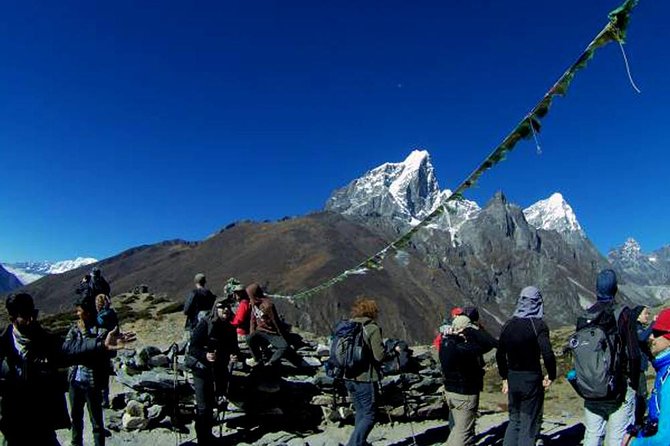
This trek starts in Kathmandu, with the meeting point listed in Thamel, at Adventure Treks Nepal P. Ltd. on Thamel Marg. That location matters because Thamel is where you can quickly sort last-minute gear, swap money, and grab a simple meal before you head out.
The big practical win here is that the package includes domestic flight and airport transfer services for your arrival and departure, plus the domestic flight itself. On trips like this, time and energy are both precious. A flight helps you avoid extra long overland travel when you will later be spending many hours walking at altitude.
You should still expect a few travel-day bumps, like early departures and the normal Kathmandu to airport grind. But with the transfers included, you reduce the stress of figuring it out on your own.
You can also read our reviews of more hiking tours in Kathmandu
Ama Dablam and the Khumbu Valley first impression
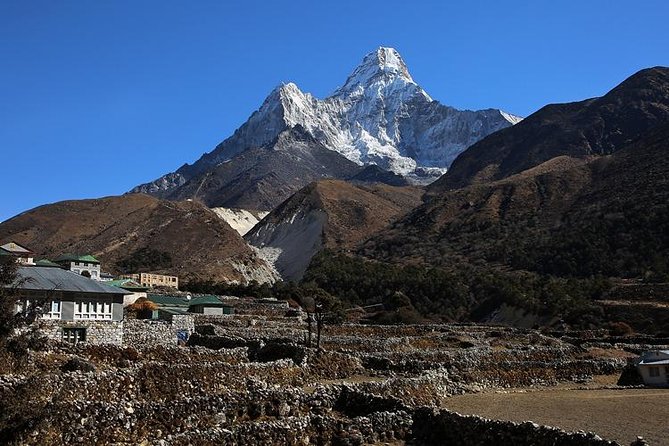
Ama Dablam, often called mother’s necklace, is the kind of peak that makes you stop and stare. In the Khumbu Valley it has a distinctive look, and it’s famous enough that climbers treat it as a major objective, especially if they are interested in steeper, more technical terrain.
In the context of an Everest Base Camp trek, the Ama Dablam moment is not about scale alone. It’s a “mountain education” day. You get to see how these peaks sit within the valley, how steep walls frame the sky, and why the Everest region isn’t just about Everest. It’s a whole mountain system, and Ama Dablam is one of its clearest signatures.
The downside to keep in mind is that mountain days can change your schedule. If weather or timing shifts, you may need to be flexible about how long you spend at viewpoint stops or how you transition to the next trekking segment.
Namche Bazaar is your altitude reset, not just a town
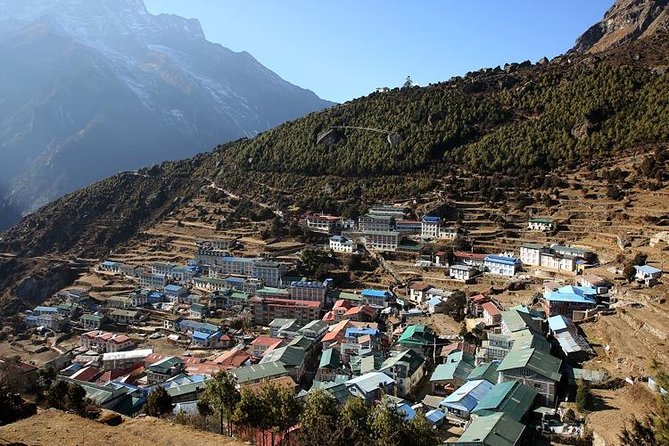
If you want to understand why this trek feels doable for many people, look at how it treats Namche Bazaar. It’s described as the gateway to the Everest Base Camp route, and the key point is acclimatization.
In practical terms, acclimatization is how you reduce the risk of getting hit hard by altitude. You do not beat altitude by willpower, you manage it with pacing and smart timing. When a route builds in a Namche Bazaar step, it’s basically saying: let your body catch up before you push higher.
This matters even if you feel fit on day one. Treks like this test your breathing rhythm and your sleep. Namche Bazaar is a place where you can adjust to the altitude, and it also tends to make the days feel less like a single long straight line upward.
The Everest Base Camp goal, and what to expect on the final stretch
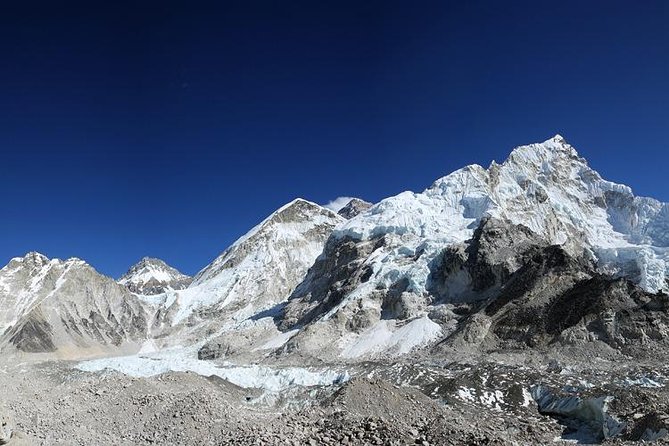
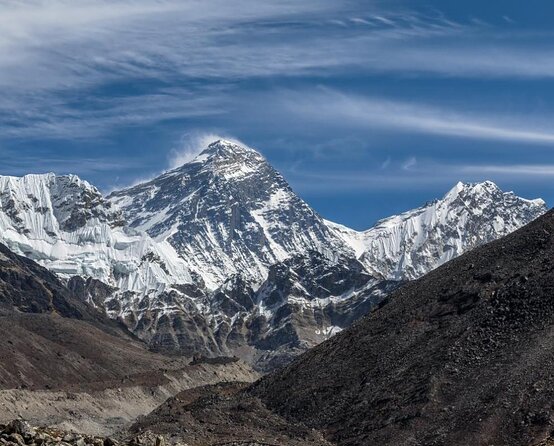
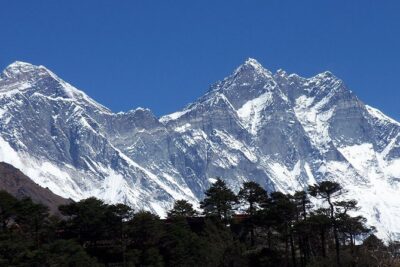
Everest Base Camp is the headline for a reason. The Everest region delivers some of the most dramatic high-mountain views on Earth, and this trek is known for the spectacular scenery of Mount Everest and many other peaks.
But Base Camp is not just a view point. It’s also the place where trekkers and mountaineers gather to begin their own climb attempts. That atmosphere gives the destination meaning beyond the landscape. You’re walking through the same corridor that mountain people use to access Everest, and it adds a sense of purpose to the final days.
What I would keep realistic is the “feel” of the last stretch. The farther you get, the more your pace can slow, even when your legs still feel okay. Cold air can make breathing harder. Wind can steal warmth fast. So even with a well planned route, the end of the trek is about steady effort, not heroic speed.
If you want a smooth experience, focus on your daily routine: consistent slow walking, steady hydration, and listening to your guide about when to push and when to breathe.
Guide quality: where this tour’s service earns its stars
The most consistently praised part of this trek is not just the mountains. It’s the guide support and how the logistics run.
I noticed a few repeating strengths in the stories connected to this experience:
- Guides who are experienced and make the trek feel manageable
- People who organize accommodation, food, and transport even in busy seasons
- Teams that stay friendly and attentive, not just task-focused
- The ability to adapt the plan while you are on the move
Specific guide names come up clearly. Sau Bir Rai is mentioned as highly experienced and someone who made everything seem easier. Roshan is singled out for organizing accommodation, food, and transport for a solo trekker, including during a busy time of year. Dipak is praised for being friendly and attentive, and for helping the group adapt their plan along the way on an EBC plus Gokyo private tour.
Dil is highlighted for support during the planning stage, which helped people feel well prepared before they even started walking. Arjun appears in a story about taking perfect care of a family and handling a medical situation with calm attention.
That range is important. A strong guide does not only manage trails, they manage people. They also manage the small decisions that can make the difference between a stressful day and a smooth one, like when to adjust timing, how to handle hunger, and how to keep you focused when the altitude gets cranky.
Price and logistics: what $990 covers, and what you must budget
This tour is priced at $990.00 per person for a duration of about 12 days. For value, I look at what is included versus what you will still pay yourself.
What’s included:
- Domestic flight
- Necessary permits and entrance fees
- Guide salary, guide food, equipment, and insurance, including on trip cost
- Airport transfer services for arrival and departure, including domestic flight
What is not included:
- Beverages
- Tips (your guide trekking tips are expected)
- Your insurance
- Personal or nature expenses
- International flight tickets and Nepal visa fee
- Accommodation and food of guest
This mix is pretty common for Everest region trekking, but it still matters for your planning. If your accommodation and meals are not included, your daily spending can feel unpredictable if you do not budget early. The “gotcha” often isn’t the trek cost. It’s the separate line items you only remember once you’re already in the mountains.
My practical advice: before you book, estimate your non-included spend for lodging and meals, plus drinks, tips, and insurance. Then compare it to the all-in total you would pay for a more bundled itinerary elsewhere. This trek can be good value when you want reliable guiding and core logistics handled, and you’re comfortable managing your own guest-level costs.
Private trek details that change how the trip feels
This is listed as a private tour or activity, meaning only your group participates. Private can be a big deal on EBC routes because you’re not stuck in someone else’s speed.
If you are traveling solo, private also helps you avoid the “awkward middle pace” problem. You can move in a rhythm that fits your altitude response, and your guide can focus on your needs.
If you are traveling with friends or family, private is also useful for adjustments. One story mentions adapting the plan on the way, which is exactly the kind of flexibility you want when weather shifts or energy levels don’t match the calendar.
The tradeoff is cost and availability. Private usually costs more than a shared group trek, but here the price includes key logistics and core trekking support.
December and busy seasons: planning your comfort level
One review mentions going in December, with cooler weather and trails that felt less crowded. That’s useful information because season choice changes your experience in two ways: comfort and noise.
In busier months, you may wait slightly more for services, and you might see more people on popular sections. In quieter months, the trail can feel calmer and easier to photograph without constant crowd interruptions.
This tour also emphasizes logistics support from the guide side, including handling accommodation and transport during a busy season. So even if you travel at a crowded time, you’re not doing all the work yourself.
How to prepare if this is your first big altitude trek
The only fitness note provided is that travelers should have strong physical fitness. That’s not marketing fluff. Everest Base Camp is a multi-day walking challenge that demands endurance, leg stamina, and mental patience.
Here’s what you should do before you go, based on how treks like this usually tax people:
- Build cardio first, then add long hikes with a pack if you can
- Practice steady walking at a comfortable pace, not sprinting
- Give yourself time to rest and sleep well before the trip, especially in Kathmandu
- Plan for cold mornings and slow progress when you feel wind or altitude bite
If you have any medical concerns, handle them with your doctor before you travel. Also, because your insurance is not included, make sure your policy actually covers high-altitude trekking before you leave home.
Should you book this Everest Base Camp trek?
I think you should book if you want:
- A private experience with your own group and a guide who manages day-to-day logistics
- A route that includes Namche Bazaar for acclimatization, which is essential for many trekkers
- A company setup that brings in experienced guides, with names like Sau Bir Rai, Roshan, Dipak, Dil, and Arjun showing up in strong, consistent feedback
- Core costs handled for you, especially permits and a domestic flight
You might hesitate if:
- You need your accommodation and guest meals included in the price, because those are explicitly not included
- You are not ready to budget separately for insurance, drinks, and tips
- You want the entire trip wrapped into one single all-in number without any extra payments on the ground
If you want a practical way to decide, add up your likely guest-level daily costs in Nepal plus visa, insurance, and international flights, then compare that total with your other options. When you price it honestly, this trek can be a strong match for people who care about good guiding and smooth mountain logistics.
FAQ
What city does this Everest Base Camp trek start in?
It starts in Kathmandu, Nepal, with the meeting point listed in Thamel at Adventure Treks Nepal P. Ltd., Thamel Marg, Kathmandu 44600.
How long is the trek?
The duration is listed as approximately 12 days.
Is this a private tour?
Yes. It is described as a private tour or activity, so only your group participates.
What does the $990 price include?
It includes a domestic flight, necessary permits and entrance fees, and guide support (salary, food of guide, equipment, and insurance). It also includes airport transfer services for arrival and departure, including the domestic flight.
What is not included in the price?
Not included are beverages, tips, your insurance, personal or nature expenses, international flight tickets, Nepal visa fee, and accommodation and food for the guest.
Will I get confirmation after booking?
Confirmation is received at the time of booking.
Do I need strong fitness to do this trek?
Yes. The information states travelers should have a strong physical fitness level.
Does the package include airport transfers?
Yes. It includes airport transfer services for both arrival and departure, and it also includes the domestic flight.
What is the cancellation window?
Free cancellation is allowed up to 24 hours in advance of the experience start time for a full refund. Within 24 hours, there is no refund.
What happens at the end of the trek?
The activity ends back at the meeting point.
More Hiking & Trekking Tours in Kathmandu
More Tour Reviews in Kathmandu
Not for you? Here's more nearby things to do in Kathmandu we have reviewed


Everest Base Camp Treks from Kathmandu, compared.
 ★ 5.0Everest Base Camp Trek – 14 DaysFrom $1,8001,499 reviews
 ★ 5.0Everest Base Camp TrekkingFrom $1,350485 reviews
 ★ 5.0Everest Base Camp Trekking – 13 DayFrom $1,399365 reviews
★ 5.0Everest Base Camp Trek -14 DaysFrom $1,420321 reviews
★ 5.0Everest Base Camp Trekking – 13 DayFrom $1,399365 reviews
★ 5.0Everest Base Camp Trek -14 DaysFrom $1,420321 reviews
 ★ 5.0Everest Base Camp Trekking – 2025/2026From $1,339199 reviews
 ★ 5.0Everest Base Camp TrekFrom $1,408193 reviews
14-Days Private Everest Base Camp TrekFrom $1,600152 reviews
★ 5.0Everest Base Camp TrekkingFrom $1,350146 reviews
★ 5.0Everest Base Camp TrekFrom $1,408193 reviews
14-Days Private Everest Base Camp TrekFrom $1,600152 reviews
★ 5.0Everest Base Camp TrekkingFrom $1,350146 reviews
Browse the lists this tour appears in