
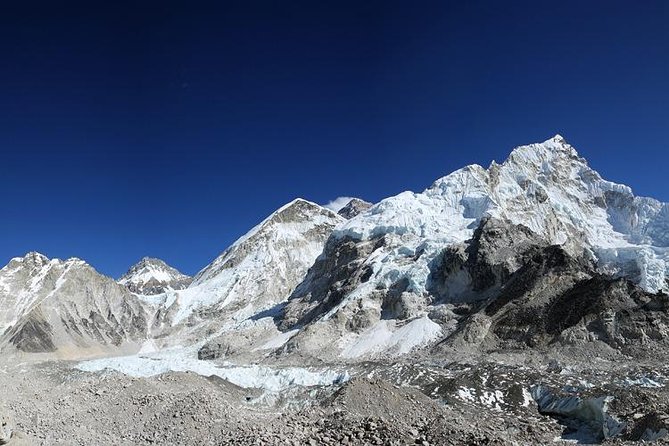
REVIEW · EVEREST BASE CAMP TREKS FROM KATHMANDU
Everest Base Camp Trek
This trek goes straight to Everest. In just about two weeks, you’ll walk through classic Khumbu stops like Namche Bazaar, Tengboche monasteries, and the Everest Base Camp area, with altitude built into the schedule. It is a mix of Sherpa culture, big mountain drama, and very practical day-by-day logistics, run with a small group size and a real guide focus.
What I like most is the human side. You get a guide such as Pradip (Master Zi), who, based on past guests’ experiences, makes the trek feel safe and easier to enjoy by sharing route knowledge and even pointing out wildlife along the way.
I also like that support is built in, not bolted on. With a porter setup at a 1 porter for 2 people ratio and Kathmandu transfers, you’re less likely to arrive feeling wrecked from your own gear and transport stress. The one consideration is the altitude and the flight piece: the trek hinges on early flights to Lukla (meeting time is 5:30 am), and delays or cancellations can change your day or require extra steps.
Key Things I’d Actually Watch Before Booking
- Guide quality seems to be the whole point, and names like Pradip (Master Zi) and other experienced support staff come up repeatedly.
- Small group size (max 15) helps the schedule feel smoother, especially on crowded tea house legs.
- Porter support means you walk light, with day packs only and your main luggage carried for you.
- Acclimatization is scheduled, with rest blocks in Namche Bazaar and Dingboche, not just faster hiking.
- Kala Patthar is part of the plan, giving you one of the classic high viewpoints after Gorakshep.
- Lukla flight disruption is real, and the operator outlines a reschedule plan and even helicopter options at your expense.
Everest Base Camp, the Trek That Still Lives Up to the Hype
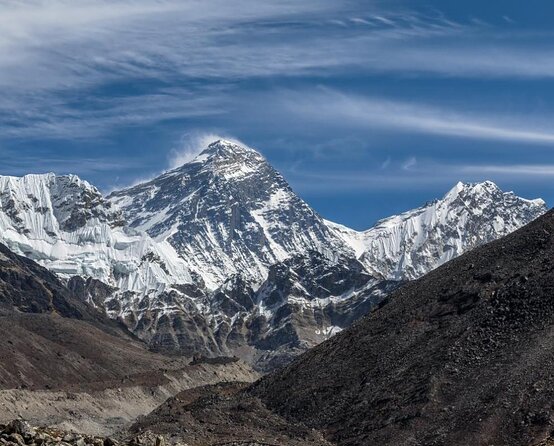
Everest Base Camp is the kind of trek that stays on people’s life lists for a reason. You’re not just collecting photos, you’re walking a long route where altitude ramps up slowly enough to let your body adapt, while the social side of the journey grows stronger each day. In the Khumbu region, every bend in the trail brings a new village rhythm, prayer flags, tea houses, and that Sherpa culture you hear about for years before you ever see it.
The best part is how the itinerary builds story as you go. You start in Kathmandu with the airport transfer and a real reset day. Then you fly to Lukla, begin hiking through local communities, and eventually hit the spine of the Everest region where Namche, Tengboche, Dingboche, Gorakshep, and Base Camp all feel connected, like chapters in the same book.
The trekking style here is also geared toward people who want adventure without turning it into a logistics nightmare. You’re paying for guide leadership, porter support, and pre-arranged lodge stays and meals, so you can focus on walking, acclimatization, and enjoying the people along the way.
You can also read our reviews of more hiking tours in Kathmandu
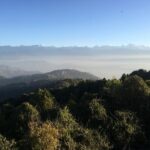
Kathmandu Arrival and the 5:30 am Start Pressure Test
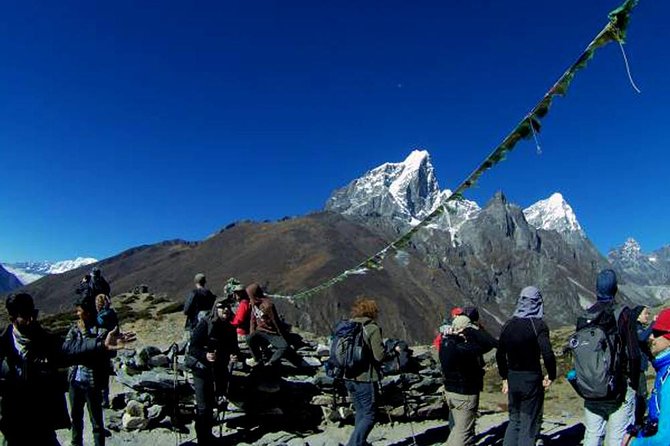
Your trip begins in Kathmandu at Tribhuvan International Airport, with a meeting and greeting if you share your international flight details. A representative meets you after customs, and you transfer to a hotel. It’s not just a nice-to-have. When you land in a new country, especially after a long flight, having someone point you in the right direction matters.
Then comes the first big practical moment: the meeting point is set for 5:30 am at the airport. That early start matters because Lukla flights usually don’t wait for you, and morning timing is the difference between a smooth day and a tense one. If you hate early mornings, plan for it now. If you’re the type who likes doing things early, you’ll probably love the rhythm once you’re there.
Your Kathmandu hotel is described as 3-star standard, with attached bathrooms, A/C, and hot water. That sets you up for sleep recovery before altitude starts playing with your body.
Lukla to Phakding, First Steps at Altitude
Day two is an early flight from Kathmandu to Lukla, then trekking to Phakding. You’re going from city energy to mountain trail energy fast. The payoff is that you’re already moving along the Khumbu path the same day you arrive for the trekking portion.
Lukla itself sits high, so even though the hike to Phakding is a first day, it still works as an orientation to altitude. Phakding at about 2,640m is a good early landing spot for adjusting your breathing and pace.
This day also matters because it sets your hiking pace habits. You’ll want to avoid the temptation to “push a little” because it feels easy at first. Even on easy legs, altitude can surprise you later if you start too fast.
Namche Bazaar Acclimatization, Where the Trek Starts Feeling Like a Journey
The route takes you to Namche Bazaar (about 3,440m). This is one of the most important zones on the trek because it is where you stop and let your body adjust. You’re not just hiking through villages, you’re learning the slow rhythm that makes the higher days possible.
Your schedule includes a full acclimatization day in Namche Bazaar. You rest there for altitude adjustment before heading toward Tengboche. I like this approach because it reduces the “wing it” feeling. Instead of rushing up and hoping for the best, the trek gives you a controlled pause where you can catch your breath, hydrate, and keep your legs moving lightly.
Also, Namche has the social energy that many people crave. You’ll see familiar trekking faces, hear different languages at tea houses, and start understanding how your day-to-day life will work in the mountains: eat, walk, rest, repeat, with weather and altitude as the real bosses.
Tengboche, Monasteries, and the Sherpa Spiritual Side
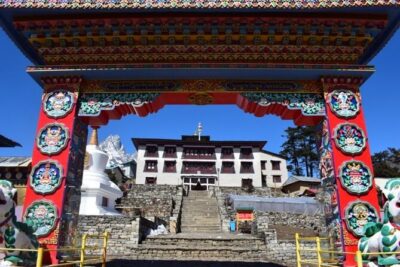
Next you head toward Tengboche (around 3,867m). This is where the “Everest trek” feeling deepens. Tengboche is famous for monasteries, and even if you’re not a religious person, the setting does something to your focus. Prayer flags, quiet corners, and the soundscape of mountain villages can make the whole trek feel more grounded.
Practically, this is also a climb day that you shouldn’t oversimplify. As you gain elevation, your effort changes. You might not feel “sick,” but you’ll notice breathing needs to work a bit harder. Let your guide set the pace, especially if you’re tempted to keep up with stronger hikers.
If you want the culture portion to feel real, Tengboche is one of the stops where that happens. It is not just sightseeing, it is a living part of the region’s identity.
Dingboche and Lobuche, the High Country Grind
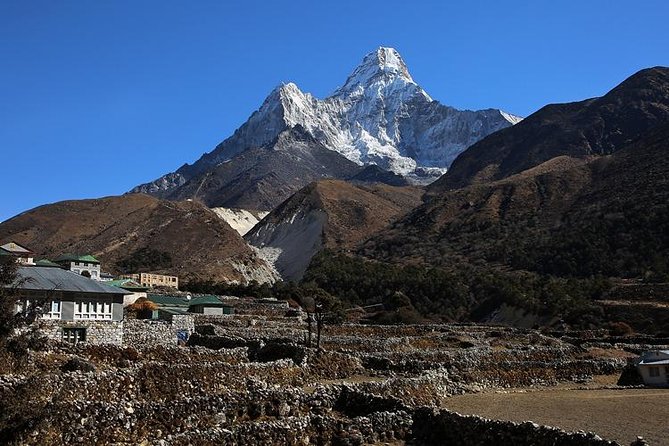
From Tengboche to Dingboche (around 4,260m) is another step up, and then you get another acclimatization break at Dingboche (another scheduled day). This is the part of the trek where you start feeling the altitude in your daily routine, not just during climbs.
I like that the plan doesn’t pretend acclimatization is optional. Staying in Dingboche and resting helps your body adapt to higher sleeping altitudes. It also gives you time to slow down and start thinking like a mountain walker, not a fast hiker.
Then comes the push to Lobuche (around 4,930m). The itinerary notes a lunch at Dugla (around 4,595m) before continuing. This kind of planned lunch stop matters because it helps you keep energy steady. In the high country, you pay for skipping food with slower walking and more fatigue later.
This segment is when I recommend paying attention to your water routine. The trek includes meals, but you’ll still need your own hydration habits. The operator suggests bringing water purification pills, because normal water is available for free and you can treat it.
Gorakshep to Everest Base Camp, The Big Day Without the Rush
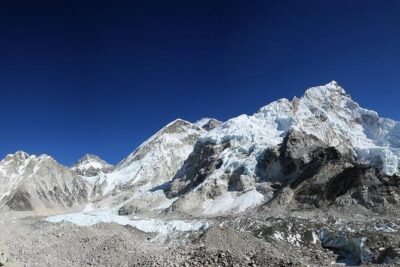
Day nine is the most anticipated day for most people: Lobuche to Everest Base Camp via Gorakshep (with Gorakshep around 5,140m). The schedule lists this as one of the longer, more rewarding sections. You’ll trek through rocky terrain and reach the Base Camp area from the foothill approach.
This is also the day where your guide’s job becomes more than navigation. A good guide helps you manage energy, makes sure the group keeps moving safely, and can add context when the surroundings start feeling surreal. In past experiences with Pradip (Master Zi), guests highlighted how he helped them feel safe and informed and even spotted wildlife along the route.
That kind of guiding turns “I’m tired” into “I’m here, and I’m understanding what I’m seeing.”
A practical note: tea houses and lodges at these elevations can be basic compared with Kathmandu. That’s normal for the region. If you want modern comforts, this is where you’ll feel the tradeoffs. But the tradeoff is you’re in the Everest zone with minimal detours.
Kala Patthar at 5,545m, the View-Chasing Reality Check
After Base Camp, the itinerary goes from Gorakshep to Kala Patthar (about 5,545m) and then down to Pheriche (around 4,243m). Kala Patthar is famous for reasons, and it is exactly the type of stop that turns “I trekked here” into “I remember this forever.”
This is a high-altitude viewpoint day. Even if you feel okay earlier, expect breath control to matter. Going up high, then descending to sleep lower, is a smart pattern. It challenges you, but it gives your body a chance to recover on the way down.
The day is also practical because it sets you up for the next leg, the descent back toward Namche Bazaar. You’ll likely feel a mix of emotions on Kala Patthar: satisfaction, fatigue, and that “how are we this high” awareness that hits people even when they’ve trained.
Pheriche to Namche Bazaar, Then Lukla, Then Back to Real Beds
On day eleven, you go from Pheriche toward Namche Bazaar (around 3,440m), arriving in the late afternoon. This kind of late arrival is common because the trek timing depends on walking pace, weather, and tea house availability. It is also a good thing. You get your descent, then you land with time to rest and reset.
Then day twelve takes you from Namche Bazaar to Lukla (about 2,886m). This is a long return hiking day, and the reward is simpler than the high points: you can finally unclench a bit, eat a meal, and focus on your flight the next day.
Day thirteen is Lukla to Kathmandu by early flight. When you return, the trip stops being about trekking and starts being about comfort and recovery. The itinerary includes accommodation again in Kathmandu, and you’ll have help with the drop to Tribhuvan International Airport on day fourteen.
Food, Lodges, and Electricity, What Changes in the Mountains
Meals during the trek are included: breakfast (14), lunch (11), and dinner (11). You eat in lodges, which keeps things steady and predictable. The tour suggests that lunch gets chosen and stopped for day by day, which makes sense in mountain village travel where menus and availability can vary.
Water is handled with flexibility. Normal water is free, and they suggest bringing water purification pills. You can also buy bottled water or boiled water in places along the route. I’d treat purification as part of your kit mindset, not just a suggestion.
On electricity, the operator notes that there is electricity available in some villages and solar power in some places. That’s helpful for camera battery charging, but it also means you should bring spare batteries, since charging may not be free everywhere.
Also, plan for the “tea house reality”: hot showers might be available in some places, but you may have to pay. This is one of those small costs that adds up if you want daily convenience.
Price and Logistics: Does $1,500 Feel Fair?
At $1,500 per person for about 14 days, this trek sits in the middle of where Everest trips tend to price out, and it’s only good value if you actually use what’s included.
Here’s what’s doing the heavy lifting in your cost:
- Airport pickups and drop-offs in Kathmandu by private vehicle
- Two nights of 3-star standard accommodation in Kathmandu (arrival day and after the trek)
- Lodges or tea houses for trekking nights
- An experienced guide plus porters, with 1 porter for 2 people
- TIMS card fees and entry-related program costs
- A first aid medical kit
- Most meals on trek days
Not included, which can shift your budget:
- Travel insurance
- Lunch and dinner while you are in Kathmandu
- Alcohol and non-alcoholic drinks
- Extra expenses like tips, snacks, and souvenirs
- A single supplement if you want your own room in Kathmandu and it’s offered at extra cost
For me, the value question comes down to whether the guide and porter structure lowers stress enough to let you enjoy the trek. If you show up with the right attitude and you’re ready for altitude, the package gives you a lot of real support. If you are the type who wants frequent upgrades, private rooms, and constant charging and comfort, then you’ll feel nickel-and-dimed by mountain reality.
Given the strong praise for guides like Pradip (Master Zi) and the smooth pre and post handling some people received through staff such as Niti and support like Hari, the money seems to translate into the experience quality that actually matters up there.
Who This Everest Base Camp Trek Fits Best
This itinerary is best for people who want a classic Everest route experience with structured acclimatization and support. The tour description also clearly states you should have a strong physical fitness level.
If you are:
- Comfortable walking multiple hours a day for about two weeks
- Willing to manage altitude with patience
- Happy with twin-share lodge rooms and basic mountain amenities when needed
- Interested in Sherpa culture, monasteries, and the real rhythm of the Khumbu region
…then you’ll likely love this style of trip.
If you are:
- Prone to motion sickness or strong altitude reactions without a plan
- Expecting luxury comforts every night
- Uncomfortable with the idea that early flights to Lukla can change your timing
…then you should rethink, or at least prepare carefully and ask questions before committing.
Should You Book This Everest Base Camp Trek?
I’d say yes if you want a dependable, structured Everest Base Camp trek with strong guide emphasis and porter support. The guide track record stands out, and the schedule includes the altitude “slow down” moments that keep people moving safely toward higher points like Gorakshep, Base Camp, and Kala Patthar.
I’d say think twice if Lukla flight uncertainty would stress you out beyond what you can handle. The operator does offer a reschedule approach if flights are cancelled or delayed, and they mention helicopter options at your expense, but it’s still wise to go in knowing weather can dictate the timeline.
If you’re ready to work with the mountains instead of against them, this is the kind of trek that turns a bucket-list fantasy into a real, walkable memory.
FAQ
What is included in the Everest Base Camp trek price?
The package includes airport picks and drops by private vehicle, two nights of 3-star accommodation in Kathmandu, lodge stays during the trek, an experienced guide and porters (1 porter for 2 people), guide and porter meals and insurance, TIMS card fees, a first aid medical kit, and meals on the trek (14 breakfasts, 11 lunches, and 11 dinners). Government taxes and service charges are included too.
Is airport pickup and meeting in Kathmandu included?
Yes. The itinerary includes airport transfers by private vehicle. The meeting and greeting service is arranged in Kathmandu if you share your international flight details, with a representative meeting you after customs and helping transfer you to your hotel.
Are flights to Lukla part of the plan, and what if they are delayed or cancelled?
Flights from Kathmandu to Lukla and back to Kathmandu are part of the schedule. If a Lukla flight is cancelled, the plan is to reschedule for the following day if available. The operator also mentions helicopter options if needed, with helicopter costs paid by you (minimum US$500 per person, depending on group size).
How is luggage handled on the trek?
Your main luggage is carried by porters. You carry a day pack with essentials like water, camera, sunscreen, and a spare jacket. The operator also notes a baggage weight allowance of 15 kg including your hand bag on Nepal domestic airlines, with extra charges for excess weight.
What level of fitness do I need?
The tour states you should have strong physical fitness. This is a multi-day trek with significant altitude changes, so you should be prepared for regular hours of walking each day.
Can I cancel for a full refund?
Yes. You can cancel up to 24 hours in advance for a full refund. If you cancel less than 24 hours before the start time, the amount paid is not refunded.
More Hiking & Trekking Tours in Kathmandu
More Tour Reviews in Kathmandu
Not for you? Here's more nearby things to do in Kathmandu we have reviewed


Everest Base Camp Treks from Kathmandu, compared.
 ★ 5.0Everest Base Camp Trek – 14 DaysFrom $1,8001,499 reviews
 ★ 5.0Everest Base Camp TrekkingFrom $1,350485 reviews
 ★ 5.0Everest Base Camp Trekking – 13 DayFrom $1,399365 reviews
★ 5.0Everest Base Camp Trek -14 DaysFrom $1,420321 reviews
★ 5.0Everest Base Camp Trekking – 13 DayFrom $1,399365 reviews
★ 5.0Everest Base Camp Trek -14 DaysFrom $1,420321 reviews
 ★ 5.0Everest Base Camp Trekking – 2025/2026From $1,339199 reviews
 ★ 5.0Everest Base Camp TrekFrom $1,408193 reviews
14-Days Private Everest Base Camp TrekFrom $1,600152 reviews
★ 5.0Everest Base Camp TrekkingFrom $1,350146 reviews
★ 5.0Everest Base Camp TrekFrom $1,408193 reviews
14-Days Private Everest Base Camp TrekFrom $1,600152 reviews
★ 5.0Everest Base Camp TrekkingFrom $1,350146 reviews
Browse the lists this tour appears in