
REVIEW · EVEREST BASE CAMP TREKS FROM KATHMANDU
Everest Base Camp Trek
Everest Base Camp is the kind of trip that rewires your brain. In 14 days, you fly into Lukla, trek through Sagarmatha National Park, and time it for the classic high-elevation payoff at Kala Patthar. I especially love how the route mixes big-mountain views with real daily life in Sherpa villages like Namche Bazaar. One thing to keep in mind, though, is that the Lukla flight depends heavily on weather and can shift your schedule.
What makes this trek feel well-run is the steady rhythm of trekking plus planned breathing space, including a real acclimatization day in Namche. The small group size, up to 8 people, also matters when you are tired and the trail gets narrow. In the reviews, people repeatedly credit calm, practical guidance from guides like Ram, Gore, and Prakash, plus extra support from porters such as Amer, which you will feel when conditions turn cold or logistics get weird.
If you want the Everest Base Camp experience with less guesswork and more human support, this is a strong option. The main trade-off is that you are paying for flights and guided service, so you should be comfortable with the cost and the reality of trekking at altitude for nearly two weeks.
Key Highlights Before You Go
- Lukla flight included, giving you a more efficient trek timeline than overland routes
- Built-in acclimatization with a full Namche day, plus a Dingboche rest day
- Everest Base Camp plus glacier time, not just a quick photo stop
- Kala Patthar at 5,550m for that high-altitude Everest dawn perspective
- Small groups (max 8), which makes the trek feel manageable and coordinated
- Guides and support praised by name, including Ram, Gore, and Prakash
Kathmandu Warm-Up: Thamel, Briefing, and Getting Your Legs Ready
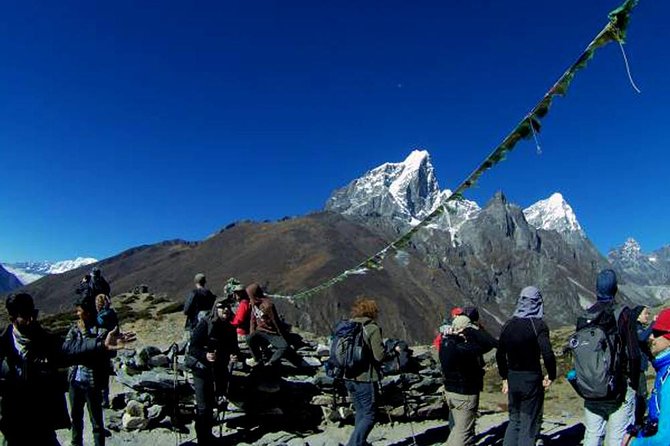
Day 1 in Kathmandu is all about getting set up so you do not spend the trek days multitasking. You get airport pickup and a drive to a hotel near Thamel, then a pre-trip meeting with your team. That meeting matters more than people think. You talk logistics, expectations, and the basics of how the trek will flow, so your first walking day is not just a surprise test.
This company includes two nights in Kathmandu on a bed and breakfast plan (Hotel Kailash Kutee or similar). It is a practical baseline. You land in a city full of travel noise, then you get one calmer place to sleep and organize yourself before heading to the hills.
What I like here is you are not rushed. Day 1 gives you time to settle, eat something comforting, and review your gear. Nepal is about timing, and your body is about pacing.
You can also read our reviews of more hiking tours in Kathmandu
The Lukla Flight: Short, Scenic, and Weather-Dependent
Day 2 starts the real adventure with a flight from Kathmandu (or Ramechap) to Lukla. The flight time is about 40 minutes, but the bigger point is that Lukla flights can be the most weather-sensitive part of the whole trip. The itinerary is clear that cancellations or delays can happen based on conditions and local factors.
The best way to use this reality is mental prep. Do not build a day-of-life fantasy around a perfectly on-time schedule. Instead, plan to be flexible when you hear about possible timing shifts. This matters even more because your return flight is also part of the deal, with Day 13 including flights from Lukla onward, and Day 14 focused on getting you to the airport.
Still, the payoff is huge. Lukla is the gateway to the Khumbu, and you save days compared with slower access routes. If you want “classic Everest trek, not a logistics marathon,” the flight is why this 14-day plan works.
Phakding to Namche Bazaar: First Steps Into the Everest Region
After landing, Day 2 trek goes from Lukla to Phakding. It is a short walk of about 3 hours, and that is the right start. Your goal is to start moving while your body is fresh, not to prove anything on Day 1 of hiking.
Phakding is also your first glimpse of how the trail is supported by the network of lodges and small community life. You are high enough to feel the altitude, but not so high that everything becomes a fight. You get time to explore locally before sleeping.
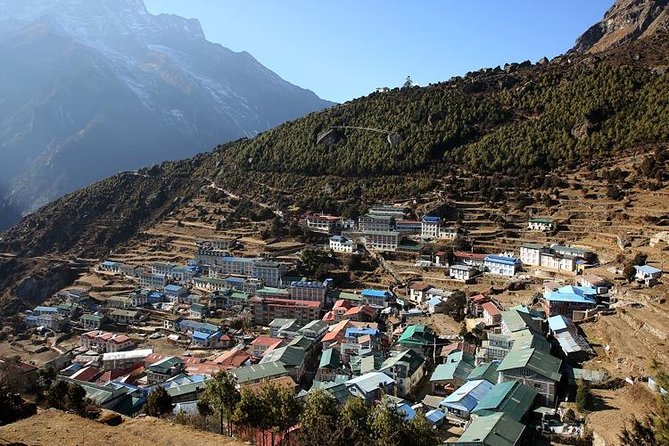
On Day 3, the trek builds toward Namche Bazaar. The itinerary notes trekking through the western banks of the Dudh Koshi, then crossing suspension bridges and arriving after a few hours. This day is typically where “the trek” starts to feel like an actual journey. The terrain is doing its work, and the views start turning more serious.
Namche Bazaar itself is more than a stop. It is the cultural and practical hub of the Everest region, where you see the mix of Sherpa life, mountaineering gear culture, and travelers passing through. If you want an anchor point for the whole trip, Namche is it.
Acclimatization in Namche: Everest View Point and the Sherpa Museum
Day 4 is your acclimatization day in Namche at 3,440m / 11,283ft. You do not just “take a break.” You climb a bit, look a lot, and give your lungs time to catch up. The itinerary includes Everest View Point and time to visit the Sherpa Museum.
This is where the trek becomes educational, not just athletic. The Sherpa Museum is a good place to understand how mountaineering has shaped local life, not just how it shaped summit stories. It is also a nice way to spend time when you want a break from nonstop walking but still want to feel like the day counts.
If you are worried about altitude, this kind of structured acclimatization is a huge deal. It lowers your odds of feeling crushed by Day 5 and beyond.
Tengboche and Deboche: Monastery Calm Meets Mountain Drama
Day 5 takes you up toward Tengboche, following a high-level path above the Dudh Koshi. The itinerary calls out big-name views along the way, including Everest, Nuptse, Lhotse, Thamserku, and Kwangde. Even when visibility is not perfect, the ridge-to-ridge framing here is memorable.
Tengboche is also known for the monastery vibe. The itinerary does not list every detail, but it does set you up for that spiritual and scenic contrast: you hike hard-ish in thinner air, then you reach a place where the day slows down.
On Day 6, you move to Dingboche. The route includes rhododendron forests and meadows, and a stop at the Buddhist nunnery in Deboche, before continuing toward the Imja Khola area. This is the day where the trail quality and the variety of scenery tends to feel better than the earlier scramble. You are still gaining elevation, but you are walking through a mix of habitats, not just rock and dust.
Dingboche Rest Day: Why a Real Pause Helps More Than You Think
Day 7 is a proper break day back in Dingboche. The itinerary says you can relax and choose a full-day walk if you want more movement. This is not just a free day. It is a smart move because your body needs recovery before you push toward Lobuche and then the high-Everest section.
In real terms, a rest day helps in two ways. First, it lets your energy stores recover so you enjoy the harder days instead of surviving them. Second, it gives you time to notice early signs of altitude stress and adjust your effort. If you are the type to overthink or get anxious at elevation, this pause can calm your brain as much as your legs.
The reviews you provided also point to guides who keep people steady emotionally. Having that calm structure on a rest day is part of why the overall experience earns such strong recommendations.
Lobuche, Memorial Stones, and the Approach to the High Country
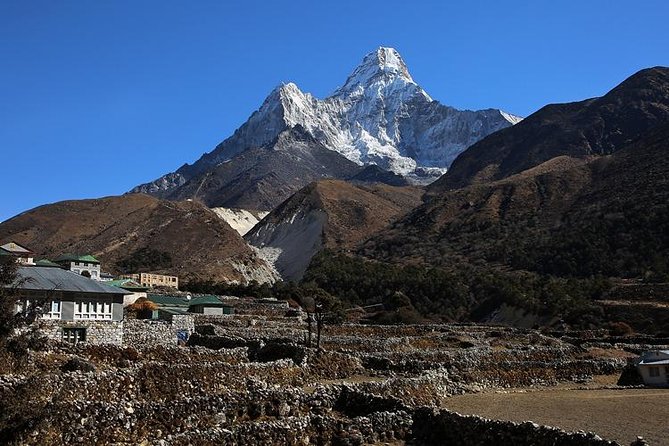
Day 8 takes you to Lobuche in about 6 hours, crossing over a hill and passing several memorials to Sherpas who lost their lives on Everest trips. That is one of the moments when the trek feels heavier and more human. It is not about scoring scenic boxes. It is about context and respect.
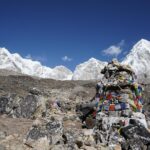
The itinerary also calls out views of Kalar Pattar and Pumori along the way, plus trekking along the Khumbu Glacier Moraine. This is the transition into terrain that looks more like the foothills of Everest than a village hike. Expect more stony, sharper-feeling ground and more wind exposure.
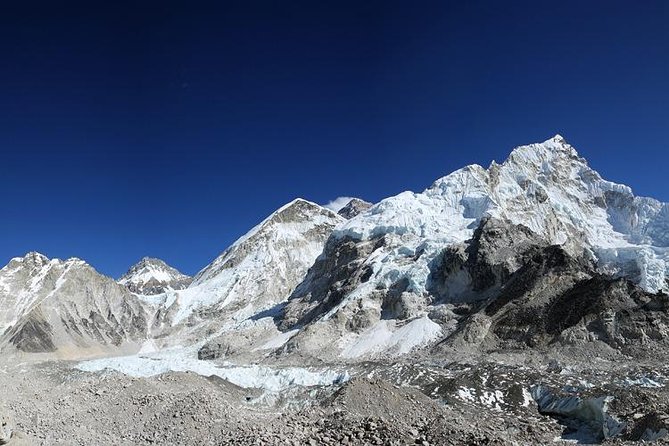
Day 9 then brings you to the main goal: Everest Base Camp. The itinerary describes traveling after lunch toward the Khumbu Icefall and Everest Base Camp, crossing stony dunes, moraines, and streams. It also includes a base camp tour and viewing the glacier area. The key here is that you are there long enough to feel what the place represents, not just to snap a picture and rush on.
From there, you head to Gorak Shep for the night. The day’s schedule includes that steep push and descent described in the plan, so you can expect some leg fatigue even if you are mentally ready for the big moment.
Everest Base Camp Day Plus Gorak Shep Overnight: The Big Moment, Done Carefully
Day 9 is the day you remember forever, but how it is managed is what protects your experience. You start by trekking toward Base Camp, then you tour the base camp and the glacier portion. After that, you continue to Gorak Shep for lodge sleep.
That lodge sleep matters because Day 10 is a sunrise mission. If you show up to Kala Patthar under-slept or underfed, the altitude will push you around. The itinerary is built to keep you moving, but it still gives you a place to check in and rest before you climb.
Also, this is where good guide support really shows. In the reviews, people praised guides such as Ram and Gore for keeping trekkers calm, helping with gear needs, and making sure meals and health details get handled. On the cold, windy days, those small actions can make a huge difference.
Kala Patthar Sunrise at 5,550m: The View You Plan For
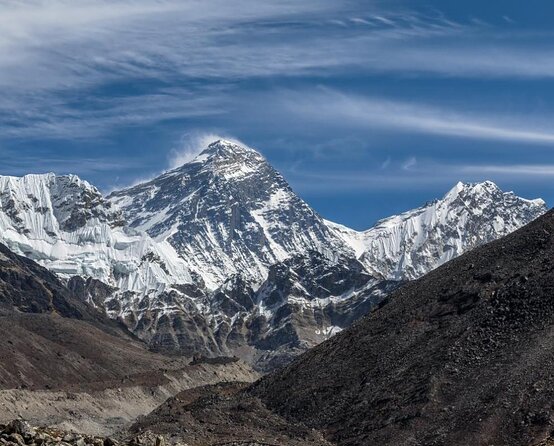
Day 10 is about Kala Patthar, scheduled as the highest viewpoint of the trek at 5,550m. The itinerary frames it as the place with the most breathtaking Everest dawn views. You reach the viewpoint after about two hours of climbing time, then enjoy the scenery before descending.
This day is the Everest payoff because it gives you perspective that is usually more expansive than you get from other vantage points. Even if weather changes, you still get the drama of the high ridges and the glacier shapes.
After admiring the view, the plan includes descending to Gorak Shep, grabbing breakfast, and then continuing to Pheriche for the overnight. This is practical pacing. You get your altitude moment, then you come down enough to recover for the final trekking days.
The Return Down: Pangboche Monastery, Lower Trails, and Lukla Again
Day 11 continues the descent and cultural stops. You pass Pangboche monastery, described as the oldest monastery in the area. The itinerary also points to trekking via Tangboche and Phungithanka, continuing toward Kyanj (the name is cut off in the description, but the intent is clear: you are moving steadily downhill through key villages).
This return leg can feel easier physically, but it still has its own challenge: you may feel tired emotionally now that the Everest high is over. That is why cultural stops like Pangboche help. They give meaning to the trek’s second half, so it is not just “walk back and wait for the flight.”
Day 12 heads from the trek route down to Lukla again, with the itinerary mentioning walking through lush green backgrounds and going past mountain vistas and Sherpa hamlets. It also mentions the Hilary suspension bridge, which is a neat visual marker that you are almost at the finish.
Day 13 then brings you back into air travel. The itinerary says you fly from Lukla by plane, about 30 minutes, and if you are rerouted during busy season, you fly to Ramechap and take transport back to Kathmandu. Your guide also handles the transfer to your accommodation in Kathmandu depending on the day’s flight timing.
Day 14 finishes with a trip to Tribhuvan International Airport if you are flying home, with a free window on the final day for any extra plans you booked ahead.
Price and Value: What $1,300 Buys You in Real Terms
At $1,300 for a 14-day trek, you are paying for a full package, not a bare-bones hiking plan. Based on the details provided, your money covers things that normally cost real time and headache: airport pickup and drop, Lukla flights or Ramechap equivalents, Kathmandu lodging for 2 nights, and a guided trek structure.
The package also includes meals in a specific way: breakfast (13), lunch (11), and dinner (11). That is important for value because food at altitude is not something you want to manage day-by-day. When meals are included, you can pace your effort more consistently.
You also get flight tickets for both client and guide. That kind of included support reduces the number of moving parts you have to coordinate yourself.
One more value point: the group max is 8 travelers. You are not in a cattle pen. You can still experience the mountains, and the guide can give real attention. Reviews you shared strongly emphasize that personal support, from calm reassurance to help when conditions get tough.
Your consideration is that this is not the cheapest way to do EBC. But it is often the more stress-free way, especially if you want the classic route inside a tight time window.
Who This Trek Fits Best (and Who Might Want a Different Plan)
This Everest Base Camp plan fits best if you:
- Want the standard EBC route in 14 days with logical acclimatization
- Prefer guided structure over self-planning
- Like the idea of a small group of up to 8 people
- Are comfortable with moderate fitness goals and expect real altitude work
It may not fit you if you are determined to travel completely independently. The included flights, lodging, and meal plan help a lot, and you give up some freedom when everything is scheduled tightly.
Also, take the weather factor seriously. This trek relies on clear enough conditions for Lukla flights and visibility for views. The itinerary itself is built around that reality by planning rest and acclimatization days, which is exactly how you reduce frustration.
Should You Book This Everest Base Camp Trek?
I would tell you to seriously consider booking this if you want a well-paced, classic Everest Base Camp experience with included flights, guided support, and real acclimatization. The strong review pattern around calm leadership, helpful porters like Amer, and guides named such as Ram, Gore, and Prakash suggests you are getting more than just someone who points the way.
If you are flexible about timing and you take altitude pacing seriously, this is the kind of trek that turns into a personal landmark. If you absolutely need a perfectly guaranteed flight schedule, then any Lukla trip will test your patience, no matter who runs it.
FAQ
How many days is the Everest Base Camp trek?
The trek is listed as 14 days (approx.).
Where does the trip start and end?
It starts in Kathmandu, Nepal with airport pickup, and ends at Tribhuvan International Airport on the final day if you are flying home.
Are flights to Lukla included?
Yes. The package includes flight tickets for KTM to Lukla and back to KTM, or Ramechap to Lukla and back to Ramechap if that is needed. There is also a note that a drive to Ramechap may happen during peak season.
What is the highest point on the trek?
The itinerary schedules a climb to Kala Patthar at 5,550m.
How many travelers are in the group?
The tour has a maximum group size of 8 travelers.
What meals are included?
Breakfast is included on 13 days, and lunch and dinner are included on 11 days each.
What happens if weather cancels the experience?
The experience requires good weather. If it is canceled due to poor weather, you will be offered a different date or a full refund.
More Hiking & Trekking Tours in Kathmandu
More Tour Reviews in Kathmandu
Not for you? Here's more nearby things to do in Kathmandu we have reviewed


Everest Base Camp Treks from Kathmandu, compared.
 ★ 5.0Everest Base Camp Trek – 14 DaysFrom $1,8001,499 reviews
 ★ 5.0Everest Base Camp TrekkingFrom $1,350485 reviews
 ★ 5.0Everest Base Camp Trekking – 13 DayFrom $1,399365 reviews
★ 5.0Everest Base Camp Trek -14 DaysFrom $1,420321 reviews
★ 5.0Everest Base Camp Trekking – 13 DayFrom $1,399365 reviews
★ 5.0Everest Base Camp Trek -14 DaysFrom $1,420321 reviews
 ★ 5.0Everest Base Camp Trekking – 2025/2026From $1,339199 reviews
 ★ 5.0Everest Base Camp TrekFrom $1,408193 reviews
14-Days Private Everest Base Camp TrekFrom $1,600152 reviews
★ 5.0Everest Base Camp TrekkingFrom $1,350146 reviews
★ 5.0Everest Base Camp TrekFrom $1,408193 reviews
14-Days Private Everest Base Camp TrekFrom $1,600152 reviews
★ 5.0Everest Base Camp TrekkingFrom $1,350146 reviews
Browse the lists this tour appears in