

REVIEW · EVEREST BASE CAMP TREKS FROM KATHMANDU
Everest Base Camp trek 12 days from Kathmandu
Early flights, bigger mountains, and real tea house life. This 12-day Everest Base Camp trek is built around classic Everest milestones, from Namche Bazaar to Kala Pathar for up-close views of Everest and the Khumbu range. You also get the slower, smarter side of the route with acclimatization days that help you handle the altitude better than a rushed climb.
I also like that the trip includes the hard-to-sort logistics in one package: flights, lodge stays in twin sharing, and daily meals on the trail. One thing to think about is the peak-season flight reality, when Lukla flights run from Ramechhap and you may need a 1 AM departure or an extra night nearby.
Key Things to Know Before You Go

- Licensed guidance for a high-altitude route, with daily organization that keeps you from second-guessing the day
- Kala Pathar for the view payoff, often the moment you remember for years
- Acclimatization built in, including Namche and a second altitude check at Nagarjun hill
- Guest house trekking stays, twin sharing in basic-but-comfy lodges along the trail
- Peak-season Lukla options via Ramechhap, with long drive time from Kathmandu to plan for
The Kathmandu to Lukla Start, and Why It Sets the Tone

Your trek starts early. Pickup and drop-off are handled, and your day kicks off around 5:15 am. Then comes the jump that makes the Everest region feel real fast, a short flight to Lukla. The flight time is listed as about 40 minutes, but the bigger factor is the overall pace you’ll keep for the next 10 days.
On day one, you fly in and then walk to Phakding (about 3 to 4 hours). Phakding is a gentler first step, giving you time to settle into the rhythm of trekking while still getting your body used to going uphill in cool mountain air.
The practical thing to love here is that you are not thrown into a steep grind on day one. You have a glide path from city altitude and traffic noise to trail life, tea houses, and slow breathing. The not-so-fun thing is that it is still an early start, so your sleep and hydration game needs to be on point from day one.
You can also read our reviews of more hiking tours in Kathmandu
Namche Bazaar: Your Acclimatization Base Camp
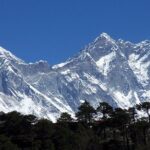
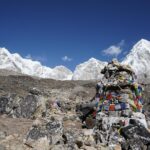
Namche Bazaar is the place where the trek starts to feel like the Everest region, not just a hike. You climb to it in about 6 to 7 hours on day two, and the altitude jumps to roughly 3,440 m. That means you should treat the next day as more than a scenic break.
Day three is your acclimatization day, plus a hike to the Everest View Hotel area. You’ll go up to around 3,900 m and spend about 3 to 4 hours moving. This is a smart setup because you get to gain elevation without trying to hit Everest’s highest points too quickly.
Why I like this plan for most first-time EBC trekkers is that it gives you a check-in day. You can gauge how you feel, how your breathing is adjusting, and how your stomach handles altitude foods. You also get a taste of the bigger mountain drama early, so the rest of the route feels like a continuation, not a shock.
Tengboche to Dingboche, Culture in the Thin Air
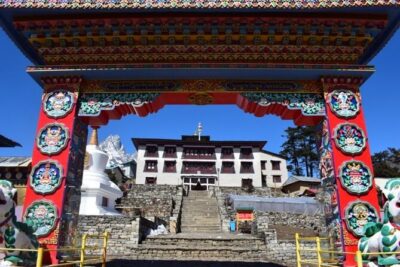
After Namche, you head toward Tengboche. The walk is around 5 to 6 hours, and you reach about 3,860 m. Tengboche is where the trail connects with spiritual life in the Khumbu region, and you’ll visit Tengboche Gompa, an important monastery site.
This is one of those days where the schedule gives you more than altitude. You also get a cultural reset. When the air is thinner and your legs are tired, a monastery visit can slow your brain down in a good way. It also helps you understand why these mountains are not just scenery. For many people here, Everest is part of daily meaning, not just a goal on a bucket list.
Then you move on to Dingboche, about 5 to 6 hours again, climbing up to roughly 4,410 m on day five. Dingboche is higher, and you’ll feel it. The route keeps you moving steadily, but the big win is that the trip doesn’t ignore the altitude ramp.
If you’re sensitive to fatigue, focus on consistent effort. You don’t need to sprint between stops. The biggest gain is finishing each day feeling like you could do another hour, not like your body is already finished.
Nagarjun Hill and Lobuche: The Altitude Checks That Pay Off

Day six is another acclimatization day. You hike to Nagarjun hill around 5,100 m, with a time range of about 4 to 5 hours. This matters because you are transitioning toward higher sleeping and higher target areas soon.
Day seven continues upward to Lobuche, roughly 4 to 5 hours and around 4,910 m. Lobuche is a staging area, and it tends to feel more focused. More trekkers are thinking about what’s coming next: Gorak Shep, base camp, and the Kala Pathar climb.
For value, I like this part of the itinerary because it keeps the trek from feeling like a random ladder. There’s a clear logic: raise elevation, check how you respond, then keep going. That’s the difference between a trek that feels tough and a trek that feels risky.
Gorak Shep, Everest Base Camp, and the Khumbu Glacier Moment

Day eight is the big one for the main objective. You trek from Lobuche to Gorak Shep, then continue to Everest Base Camp (around 5,320 m). The listed time is about 7 to 8 hours, which tells you it’s not a casual stroll, even after acclimatization.
This is where the effort pays off. Everest Base Camp is not just a waypoint. It’s where the expedition world starts, and in the Everest region, that means activity, tents, and that unmistakable sense of scale. Your senses also catch up after days of breathing and counting steps.
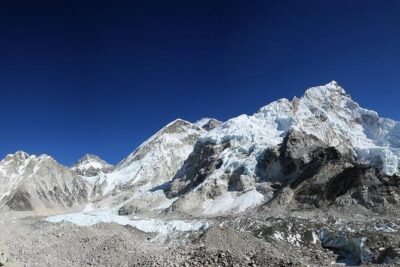
The route also gives you access to the wider Everest story. Your stops include the Khumbu Glacier, which is part of what makes the region feel engineered by ice and time. Even if the base camp moment is what you came for, the glacier context helps you understand why people obsess over this corner of the world.
The drawback here is the sheer time on your feet. With a 7 to 8 hour push, you’ll want to manage pace early in the day. Save your energy for the moment you arrive, not for the last mile.
Kala Pathar to Pheriche: The View Climb and the Long Descent Work

Day nine takes you from Gorak Shep to Kala Pathar (around 5,550 m), then down to Pheriche (about 4,371 m). The time is listed as 6 to 7 hours. This day is a mix of effort and release, because you earn the big viewpoint and then you get to come down.
Kala Pathar is the signature view stop on this trek. It’s described as offering close views of Everest plus a 360-degree panorama of the Khumbu mountains. That’s the payoff day for the altitude build you’ve been doing.
And you’ll feel the trade-off: a high climb day plus the need to walk down afterward. On a day like this, I strongly suggest you stay calm on the ascent. If you go too fast early, your body pays later, even if the view is right there in front of you.
After Pheriche, the trek continues with more steady travel back. Day ten is listed at about 6 to 7 hours to return toward Namche.
The Return Through Namche, Lukla Flight Day, and Kathmandu Arrival

The return is mostly downhill and steady, but don’t underestimate it. Day ten returns you to Namche Bazaar, then day eleven brings you to Lukla with a listed walking time of 6 to 7 hours. From Namche to Lukla, you’ll spend a lot of time on uneven trail and managing your legs, not just your breath.
Day twelve is straightforward: fly back to Kathmandu.
One logistics note can matter a lot for your overall stress level. During peak seasons (March to May and September to November), flights to Lukla can be operated from Ramechhap Airport instead of Kathmandu. Ramechhap is about a 5 to 6 hour drive from Kathmandu. You’re given two options: either travel to Ramechhap the day before and stay overnight, or leave Kathmandu at 1 AM on flight day.
This is the one drawback that can turn an exciting trek into a grumpy start if you are not prepared. If you hate ultra-early departures, choose the overnight option. If you want to minimize extra nights and disruption, go with the 1 AM departure. Either way, plan your sleep like it’s part of your training.
On your Kathmandu days, your route includes time around Kathmandu Valley and Kathmandu Durbar Square, so you are not flying back and disappearing immediately.
Price and Inclusions: Is $1,600 Actually Good Value?

At $1,600 per person, the price is only fair if you treat it like a full service package, not a budget DIY trek. The trip includes the flights to and from Lukla (and from Kathmandu or Ramechhap, depending on season), plus airport pickup and drop-off on a sharing basis.
It also includes accommodation during the trek in guest houses/lodges on twin sharing, and meals. The meal package is breakfast, lunch, and dinner during trekking days. That is a big deal in the Everest region, where buying food daily adds up fast.
The gear list is another real value point: duffle bag, down jacket, sleeping bag, and walking pole. That can save you from renting expensive gear at the last minute or carrying bulky items across multiple flights. It also makes packing simpler if you’re coming from abroad.
You’re also covered for permits and the basics of operation: all necessary trek permit and fees, plus taxes and service charges. And you get a trekking map and a trip achievement certificate.
What you still must budget for is the stuff that the mountain doesn’t include by default:
- drinks (tea/coffee, boiled water, bottle water, and more are listed as not included)
- personal expenses like phone use, internet, laundry, battery recharge, and hot shower
- tips for the trek crew
- rescue or helicopter costs, plus insurance and any emergency evacuation
- a porter if you decide you want one
So the best way to think about this price is simple: you pay for comfort and fewer unknowns, and you budget separately for the flexible spending items.
Who This 12-Day Everest Base Camp Trek Fits Best
This trek is aimed at people with moderate physical fitness. The overview says it works for trekkers with basic fitness and no prior experience needed, which is a good sign if you’ve never done a multi-day trek before.
It also fits you best if you want structure. The itinerary times are clearly defined each day, with acclimatization built in, and the support is a highly experienced government-licensed guide. Your meeting time is set, your lodging is arranged, and your meals are included. That kind of structure is what helps first-timers avoid common mistakes like going too hard too soon.
You might want a different style of trip if you strongly prefer solo flexibility. This is described as private tour/activity, meaning only your group participates, but the included transfer services are on a sharing basis. So you get privacy on the trek, with some shared logistics around airport transfers.
If you travel light and don’t want to carry a mountain sleeping bag or a bulky jacket, you’ll appreciate the included gear. If you want lots of free time to wander off route, you’ll have less of that here, because the day-by-day plan is the point.
Should You Book This Everest Base Camp Trek From Kathmandu?
I’d book it if you want a well-run, classic route with the key view moments, and you value having flights, meals, lodges, and essential gear handled for you. The big wins are Kala Pathar, the built-in acclimatization days, and the fact that the price includes more than just a guide.
I wouldn’t rush into it if peak-season Lukla flights from Ramechhap would derail your sleep. That early drive and the option for a 1 AM departure are real schedule pressure. If you can handle that, the rest is straightforward: follow the plan, take the acclimatization seriously, and keep your pace steady.
FAQ
What time does the trek start and how do I meet the group?
The meeting point start time is 5:15 am. Pickup and drop-off are included as part of the Kathmandu or Ramechhap Airport transfer service on a sharing basis, according to the itinerary.
Are flights to Lukla included, and do they change in peak season?
Yes, flight fare is included for the Kathmandu or Ramechhap to Lukla route and back. In peak seasons (March to May and September to November), flights to Lukla are operated from Ramechhap Airport due to high air traffic in Kathmandu.
What’s included in the $1,600 trek price?
The price includes airport pickup/drop-off (sharing basis), flight fare, twin sharing guest house accommodation, breakfast, lunch, and dinner during the trek, a highly experienced government-licensed guide, permits and trek fees, and trekking essentials like a duffle bag, down jacket, sleeping bag, and walking pole. It also includes a trekking map and a trip achievement certificate, plus government taxes and service charges.
What should I budget for that is not included?
Not included are rescue or helicopter services, insurance, cancellation costs, personal expenses (phone calls, internet, laundry, bar bills, battery recharge, hot showers), tips for the trek crew, and drinks. A trekking porter is also not included if you choose you need one.
Is this trek suitable for beginners?
The overview says the trek suits anyone with basic fitness and no prior experience is needed. The additional info also notes travelers should have moderate physical fitness.
Can I cancel and get a full refund?
Yes. Cancellation is free, and you can cancel up to 24 hours in advance for a full refund. If you cancel less than 24 hours before the experience’s start time, the amount paid is not refunded.
More Hiking & Trekking Tours in Kathmandu
More Tour Reviews in Kathmandu
Not for you? Here's more nearby things to do in Kathmandu we have reviewed


Everest Base Camp Treks from Kathmandu, compared.
 ★ 5.0Everest Base Camp Trek – 14 DaysFrom $1,8001,499 reviews
 ★ 5.0Everest Base Camp TrekkingFrom $1,350485 reviews
 ★ 5.0Everest Base Camp Trekking – 13 DayFrom $1,399365 reviews
★ 5.0Everest Base Camp Trek -14 DaysFrom $1,420321 reviews
★ 5.0Everest Base Camp Trekking – 13 DayFrom $1,399365 reviews
★ 5.0Everest Base Camp Trek -14 DaysFrom $1,420321 reviews
 ★ 5.0Everest Base Camp Trekking – 2025/2026From $1,339199 reviews
 ★ 5.0Everest Base Camp TrekFrom $1,408193 reviews
14-Days Private Everest Base Camp TrekFrom $1,600152 reviews
★ 5.0Everest Base Camp TrekkingFrom $1,350146 reviews
★ 5.0Everest Base Camp TrekFrom $1,408193 reviews
14-Days Private Everest Base Camp TrekFrom $1,600152 reviews
★ 5.0Everest Base Camp TrekkingFrom $1,350146 reviews
Browse the lists this tour appears in