
REVIEW · EVEREST BASE CAMP TREKS FROM KATHMANDU
Everest Base Camp Trek 12 Days – Best Himalayan Adventure
Altitudes and Everest views, handled safely. This private 12-day Everest Base Camp trek pairs experienced Sherpa guidance with domestic flights to Lukla, plus acclimatization time so the trip feels organized instead of rushed. I really like that your key logistics are handled for you, including trekking permits and a proper first-aid setup. I also like the focus on real mountain villages, from Namche Bazaar through Tengboche and Dingboche, ending at Everest Base Camp.
The one thing to consider is that this is still a high-altitude trek. Tea houses are comfortable for the mountains, but they are not hotel rooms, and the weather can make days feel tougher than the brochure version.
Key points at a glance
- Private Sherpa-led trekking with a minimum of two travelers, so you are not mixed into a random crowd
- Lukla flights built in, with departures that may route via Ramechap Airport
- Acclimatization and safety structure, including a dedicated Sherpa guide and first-aid coverage
- Tea-house comfort for 11 nights, twin sharing during the trek
- Everest Base Camp viewpoint route, including panoramic stops like Kala Patthar
- Solid crew support, including porter bag carry (2 hikers share 1 porter)
What Makes This Everest Base Camp Trek Feel More Like a Plan Than a Project
The Everest Base Camp trek works best when the big moving parts are handled well: flights, permits, guide leadership, and the slow grind of acclimatization. This trek is set up as private and Sherpa-led, which matters when you are trying to make smart altitude choices without guessing. You get a full local guide team, not just a collection of checkmarks.
I also like how the experience keeps your attention on the trail and the people. You pass through well-known Khumbu villages, you learn how Sherpa communities live in high places, and you still get the headline payoff at Everest Base Camp. In other words, it’s not just about reaching a point on a map.
Your main tradeoff is effort, not comfort. You should expect physically demanding walking at altitude, and you will feel the cold and thin air. If you want a walk that feels easy, this is not the one.
You can also read our reviews of more hiking tours in Kathmandu
Kathmandu Start: Where the Trek Actually Begins
You begin at Scenic Nepal Treks & Expedition Pvt. Ltd. in Kathmandu, near Bhagwati Marg. From there, you are set up for the trek rather than dropped into the city and sent on your way. A pickup is offered, and you use a mobile ticket, both of which make the start smoother.
This start matters because Kathmandu can be loud, busy, and easy to underestimate. You want time to confirm details like passport information, and this tour requires passport name, number, expiry, and country at booking for all participants. That part is not glamorous, but it prevents last-minute headaches.
If you are traveling as a pair, this format is also practical. The tour runs with a minimum of two travelers, and the porter setup is designed around sharing between two hikers.
Lukla Flights: The Fast Part That Can Still Be Weather-Dependent
Lukla is where your Everest story turns from planning into altitude. This trek includes return domestic flights, and they may depart from Ramechap Airport depending on flight schedules. That detail matters because Ramechap is a different staging option than some travelers expect.
Once you fly in, the trek energy changes right away. You start moving through the lower Khumbu and quickly transition into villages where acclimatization becomes the real work. The good news is the itinerary is built for that, not for speed.
Practical advice: be flexible on timing. Even with a plan, mountain weather can affect flight operations, and that can ripple through the first walking days.
Namche Bazaar: Acclimatization With Real Town Life
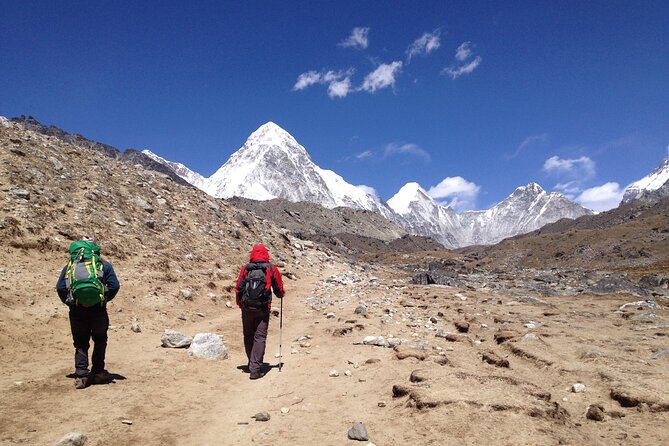
Namche Bazaar is often where you stop treating altitude like a theory. The air feels different, the air pressure changes how you work, and your body asks for slower steps. This trek includes Namche as a key stop, which is smart because it gives you an acclimatization base in a place that already feels like a hub.
This is also where you start seeing how “Everest” is more than a single mountain view. You’ll notice local trade, lodges, and the everyday rhythm of people who live in the Khumbu region. That is one reason Sherpa-led guidance is valuable here. A good guide helps you pace yourself, notice early signs of altitude stress, and keep your energy for the higher days.
One consideration: Namche is not a place to power through. If you approach it like a workout, altitude will punish the schedule.
Tengboche: A Shrine Stop With Big Mountain Atmosphere
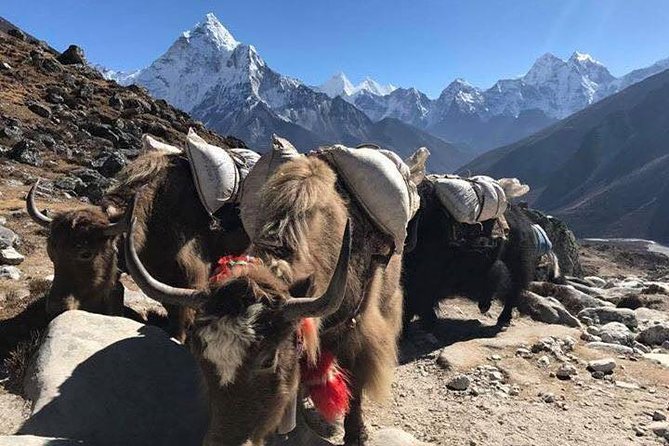
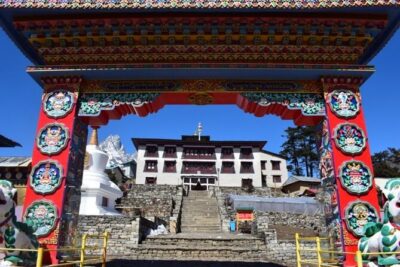
Tengboche is known for monasteries and classic views, and it fits the trek well as a mid-point emotional high. The trek includes Tengboche, and that stop is often the moment where people start feeling the trip in their bones. Walking is still hard, but the scenery feels closer and the views feel more “Everest-shaped.”
What you really get here is perspective. You are not just counting meters gained, you are stepping into the cultural side of the Khumbu. A Sherpa guide is useful because they can connect the place you are standing in with the way people live nearby.
Practical note: you will likely be outdoors for viewpoints and walks between lodges. Warm layers and wind protection matter here, even if the sun looks friendly.
Dingboche: Where Altitude Becomes a Planning Skill
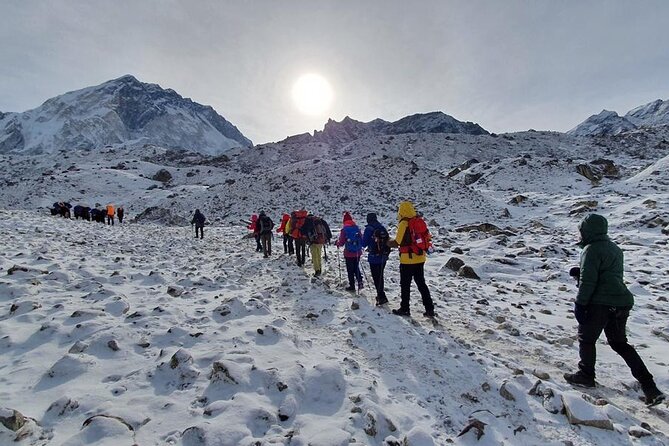
Dingboche is another stop that makes sense on a 12-day timeline. At this stage, your body needs regular altitude-friendly pacing, and the trek’s structure is designed to support acclimatization days for safety.
You also get dramatic changes in the feel of the day. The terrain can become more exposed, the cold can feel sharper, and your walking rhythm becomes more intentional. This is where you start appreciating the value of having meals and permits handled. It reduces decision fatigue when you want to conserve energy for the climbs.
If you are fitness-capable but new to high altitude, Dingboche is where you learn quickly. You do not need to be fearless, you need to be consistent.
Everest Country: From Big Peaks to a Real Goal
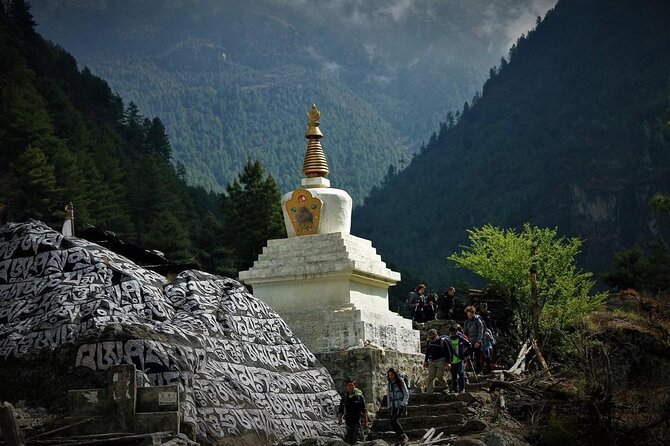
The trek reaches the Mount Everest area as a major stop. While the emotional goal is Everest Base Camp, the process is what makes the experience meaningful. Your days build toward the final high-altitude reaches, and you keep moving with support from an experienced Sherpa guide.
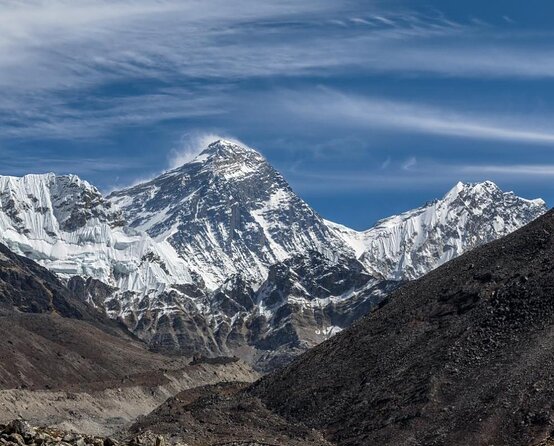
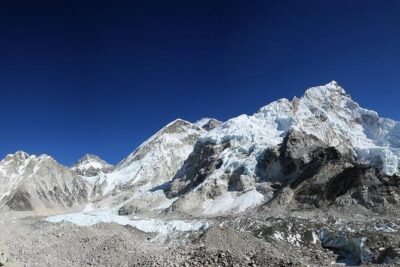
The trek also includes panoramic viewpoints like Kala Patthar. That is a standout detail because it’s not just “walk to base camp and leave.” It’s about giving you another strong perspective on the Himalaya, including iconic surrounding peaks like Lhotse, Nuptse, Ama Dablam, and Pumori.
Here’s a real-world tip: at higher altitudes, your best memories come from being calm. Slow steps, steady breathing, and smart stops beat heroic pacing.
Gorak Shep and the Final Stretch to Everest Base Camp
Gorak Shep is the kind of place that feels like a threshold. You are high, the air is thin, and the weather can change how you feel about every step. This trek includes Gorak Shep, which works as a launch pad for the Everest Base Camp day and the surrounding viewpoints.
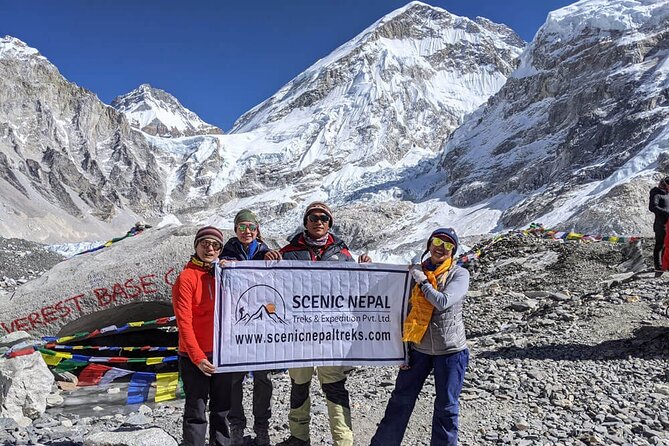
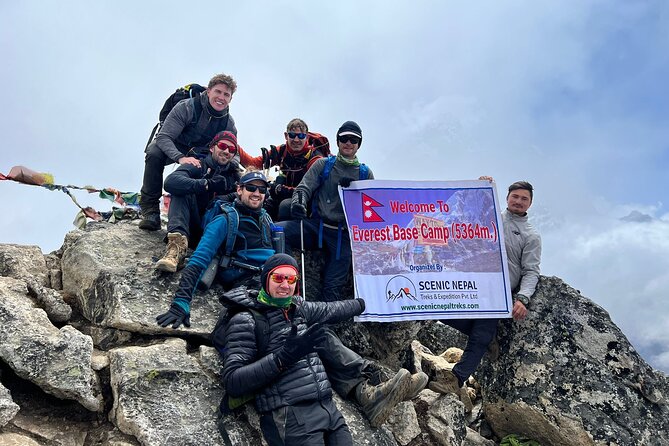
The Base Camp moment is the payoff everyone talks about: standing at 5,364m in one of the most remote regions on Earth. But I think the real win is how your body gets there. The acclimatization and the walking sequence help you arrive with enough energy to enjoy it, not just survive it.
It’s also worth knowing that conditions can shift. One recent account described a snow storm near the Lobuche area and still reaching the objective. That’s a reminder that the mountains can be unpredictable, and your guide’s decision-making matters.
Tea Houses, Meals, and Comfort at Altitude
This is tea-house trekking with twin sharing accommodation during the hike for 11 nights. That means you’ll have basic rooms, shared facilities, and the comfort level typical of high-altitude lodging. It’s not luxurious, but it’s practical and warm enough if you dress correctly.
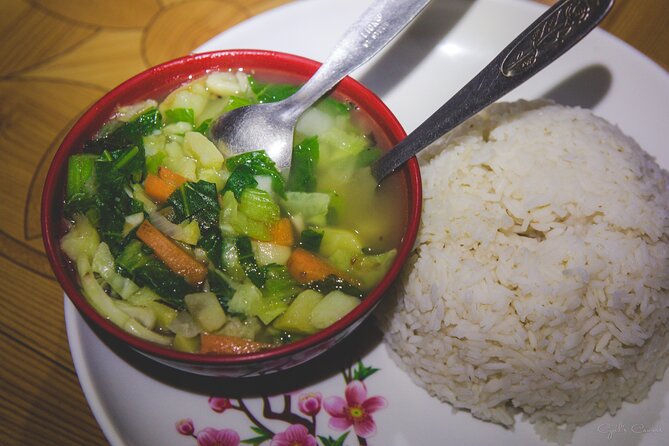
Meals are included as part of the trek experience, which is a big value point. At altitude, you want reliable food and fewer choices. Your energy matters, and tea-house meals help keep the trek simple.
For comfort, focus on your clothing system. The provided packing guidance includes essentials like a warm hat, scarf, gloves, waterproof jacket, and layers like thermal underwear and a fleece. A down jacket is suggested depending on conditions, and you should plan for cold nights, even if the daytime sun is strong.
Gear and What the Tour Provides (So You Don’t Overpack)
You’ll want your own trekking boots and spare laces. But this trek also supplies several items that reduce weight and shopping stress in Kathmandu, including a sleeping bag and silk liner, plus maps, a torch, and a water bottle.
It also includes a duffel bag for the trek. That helps because you usually do not want to haul your full personal bag day after day. The better approach is to travel with a well-organized kit and keep the rest light.
Your best strategy: bring quality layers and footwear, but let the provider handle the small stuff that people commonly forget. Items like water purification tablets, sun protection, and a first-aid kit box are part of the gear list so you are not scrambling at the last moment.
Sherpa Leadership, Permits, and Safety Systems That Matter
This trek is guided by a highly experienced Sherpa trekking guide, and that matters more than people expect. Good leadership helps you choose a pace, track how you are feeling, and respond early if altitude stress shows up. The trek also includes staff insurance, medication and equipment, and a first-aid kit.
You’ll also get all necessary trekking permits. That is one of those behind-the-scenes details that can derail a trip if you have to chase it yourself. Here, it’s handled, which lets you focus on the trail.
From past trips led by company guides including Dipendra, Shankar, Binod, Ramjee, and Santosh, the consistent theme is clear communication and careful handling. People specifically praised how questions were answered before traveling and how guides and crews looked after them on the trail. That track record is a useful signal.
Still, keep your own responsibility in mind. Personal travel or trekking insurance is not included, so plan that before you go.
Value for $1,439: What You’re Really Paying For
Price matters, but only after you look at what you get. At $1,439 per person, you are not just buying a walking plan. You are paying for the infrastructure that makes Everest Base Camp possible, including return domestic flights to Lukla, a Sherpa guide, permits, tea-house accommodation for 11 nights, porter bag carry support, and first-aid and staff coverage.
Domestic flights alone can be a major cost swing, and they are included here with the note that flights may originate from Ramechap. Add permits and guided pacing, and the trek becomes far more than daily hiking. It becomes an organized climb through infrastructure, altitude management, and route support.
The value is best if you want fewer moving parts. If you like designing everything yourself, you might find cheaper options. If you want a smooth, guided, permit-ready experience with the right safety support, this one is priced in a reasonable middle zone.
Who This Trek Fits Best, and Who Might Struggle
This trek is described as suitable for fit beginners to experienced hikers. That makes sense because the route includes acclimatization and structured high-altitude pacing, not a brute-force “go higher every day no matter what” approach.
You’ll likely be a great match if you:
- want small group trekking, with a stated cap of up to 10 travelers and also a maximum of 15 per booking listed in the details
- prefer private guided support rather than being shuffled into a large group
- want tea-house comfort, not camping logistics
- are comfortable with cold conditions and basic lodging
You might reconsider if you:
- want a fully luxury experience, because tea houses are basic by design
- are very sensitive to altitude and do not want to follow an acclimatization plan
- are traveling alone, since the tour requires a minimum of two travelers
Should You Book This Everest Base Camp Trek?
Book it if you want an organized, Sherpa-led Everest Base Camp trek with flights, permits, meals, and tea-house lodging handled. The structure supports acclimatization, and the presence of experienced guides like Dipendra, Shankar, Binod, Ramjee, and Santosh in past departures is a reassuring sign that the company focuses on safety and smooth service.
Skip it, or at least ask hard questions, if you expect hotel-style comfort, want zero cold and weather disruption, or are not comfortable managing your fitness and altitude pacing. This is an adventure trek, and your success will come from following the pace and dressing for the mountain.
If you want, tell me your current fitness level, travel month, and whether you’re hiking for the first time. I can help you judge if this 12-day timeline fits your body and expectations.
FAQ
How long is the Everest Base Camp trek?
It runs for about 12 days.
Where does the trek start and end?
It starts at Scenic Nepal Treks & Expedition Pvt. Ltd. in Kathmandu, and it ends back at the same meeting point.
Are domestic flights included, and where do they go?
Yes. The trek includes return domestic flights to Lukla, and flights may operate from Ramechap Airport.
What trekking permits are included?
All necessary trekking permits are included.
Is there vegetarian food available?
Yes. A vegetarian option is available, and you should advise the provider at booking if you need it.
Do I need to bring my own trekking insurance?
Yes. Personal travel or trekking insurance is not included.
Is there free cancellation?
Yes. You can cancel up to 24 hours in advance for a full refund. If you cancel less than 24 hours before the start time, the amount you paid will not be refunded.
More Hiking & Trekking Tours in Kathmandu
More Tour Reviews in Kathmandu
Not for you? Here's more nearby things to do in Kathmandu we have reviewed


Everest Base Camp Treks from Kathmandu, compared.
 ★ 5.0Everest Base Camp Trek – 14 DaysFrom $1,8001,499 reviews
 ★ 5.0Everest Base Camp TrekkingFrom $1,350485 reviews
 ★ 5.0Everest Base Camp Trekking – 13 DayFrom $1,399365 reviews
★ 5.0Everest Base Camp Trek -14 DaysFrom $1,420321 reviews
★ 5.0Everest Base Camp Trekking – 13 DayFrom $1,399365 reviews
★ 5.0Everest Base Camp Trek -14 DaysFrom $1,420321 reviews
 ★ 5.0Everest Base Camp Trekking – 2025/2026From $1,339199 reviews
 ★ 5.0Everest Base Camp TrekFrom $1,408193 reviews
14-Days Private Everest Base Camp TrekFrom $1,600152 reviews
★ 5.0Everest Base Camp TrekkingFrom $1,350146 reviews
★ 5.0Everest Base Camp TrekFrom $1,408193 reviews
14-Days Private Everest Base Camp TrekFrom $1,600152 reviews
★ 5.0Everest Base Camp TrekkingFrom $1,350146 reviews
Browse the lists this tour appears in