
REVIEW · EVEREST BASE CAMP TREKS FROM KATHMANDU
Everest Base Camp trek- 11 days
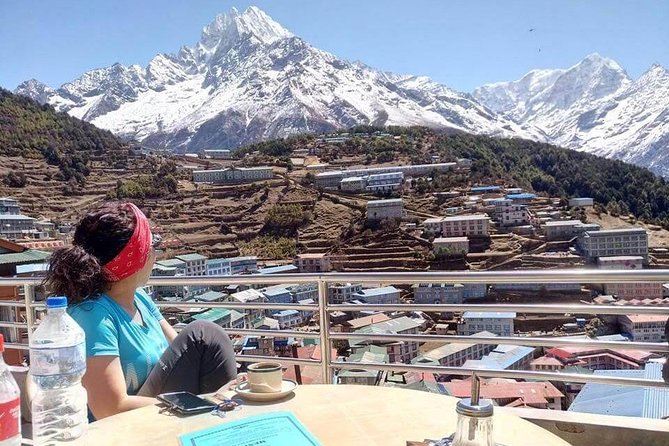
Everest looks close from day one. This 11-day Everest Base Camp trek from Kathmandu strings together the big, emotional stops, starting with an early Lukla flight and sunrise views and then moving through Namche Bazaar, Sherpa villages, monasteries, Everest Base Camp, and Kalapathar. I especially like the well-handled logistics (pickup, flights, permits, meals, guide, porter) and the classic high points that build toward Everest in a way that feels earned. One consideration: the price is $1,699 per person, and anything not listed as included, like Kathmandu hotel and your own tips, can add cost after you return.
You start in Thamel with a 7:15 am meeting, then the trip takes over. The itinerary is built around realistic altitude changes, with an acclimatization day in Namche and return hikes that help your body catch up, not just climb. If you are the type who likes to know what happens next, this one is pretty straightforward.
The trek is private for your group, with a licensed guide and porter support. Expect shared lodge days, colder mornings at altitude, and a physically demanding walk, even with a good plan and rest stops.
Key things I’d watch before you go
- Lukla day one, early timing, and sunrise views make the whole trip feel like it kicks off at high gear.
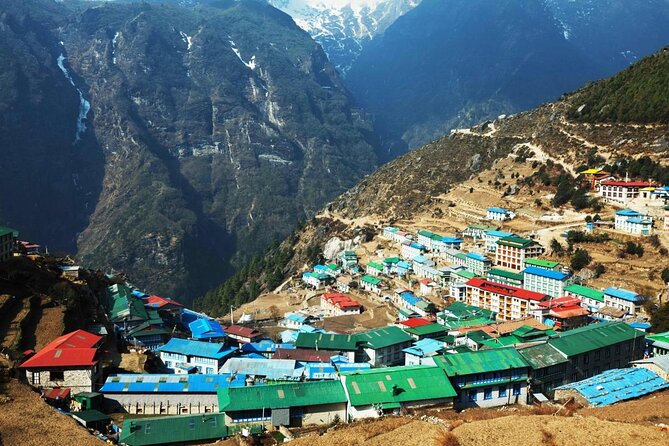
- Namche Bazaar as more than a town: it is a gateway, a Sherpa hub, and your first big altitude marker.
- Tengboche and monasteries: you get spiritual stops alongside the mountain drama.
- Kalapathar at 5545 m gives you a top-down perspective on Everest that base camp alone cannot.
- Full-board meals during the trek reduce daily decisions when you are tired and altitude is doing its thing.
Entering the Khumbu from Kathmandu and Thamel
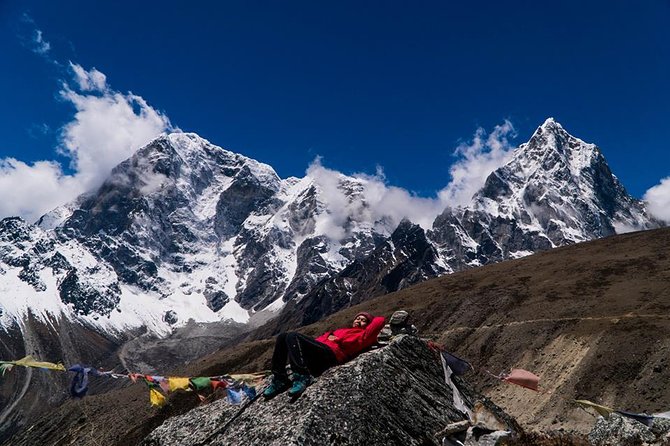
This trek starts in Kathmandu, in the Thamel area, where mountains feel like a rumor until you are actually headed out. The meeting point is Thamel, Kathmandu, and the start time is listed as 7:15 am, so you will want a calm morning and an early breakfast before anyone starts herding the group.
What I like here is that the operator handles the key parts you do not want to manage at elevation: air fare for Kathmandu-Lukla-Kathmandu, pickup and drop for the Lukla flight, and ground transport while returning to Kathmandu. You also get a mobile ticket, which is a small thing until you need it and realize you will not be chasing paperwork in a hurry.
If you are arriving late the night before, plan for a buffer. Nothing in the info says otherwise, but the whole schedule is built around an early start, and the first flight day sets the tempo.
You can also read our reviews of more hiking tours in Kathmandu
Price and logistics: what $1,699 actually covers
At $1,699.00 per person for an 11-day Everest Base Camp trek, you are paying for more than walking. You are buying the organized system around the trek: meals, guides, permits, and the critical flights.
Included highlights you will feel on the trail:
- Full board meals (breakfast, lunch, dinner) during the trekking period
- Best available accommodations during the trek
- A government license holder guide
- A porter to carry your baggage (and they note a typical setup of 1 porter for 2 clients)
- TIMS card (Trekker’s Information Management System)
- Trekking permits needed for restricted area trekking
- A first aid kit
- Farewell dinner prior to departure
This is why the cost can feel fair compared with DIY trekking. If you have done other popular treks, you know the hidden workload is planning permits, lining up guides, and figuring out logistics across multiple towns. Here, most of that is handled.
The cost can also surprise you if you assume everything is covered. Not included: lunches and dinners in Kathmandu, a hotel in Kathmandu, travel insurance, Nepal entry visa fee, international airfare, tips for trekking staff, drinks, personal shopping, laundry, and personal trekking equipment. So yes, budget for Kathmandu days and your own extras, not just the trail.
Altitude planning that respects your body
Everest Base Camp is not a stroll, and altitude is the real boss of the itinerary. What helps here is that the plan does not treat elevation like a single straight line.
You climb step by step:
- You start around Lukla at 2850 m
- You reach Phakding at about 2660 m on day one
- You then push up toward Namche Bazaar at 3435 m
- After that, the route continues upward in stages, reaching Dingboche at 4400 m, then Lobuche near 4910 m, and onward
The big “respect your lungs” moment is acclimatization in Namche Bazaar. That extra day matters because it gives you time to adjust, not just keep moving. Later, you also get a pattern of climb, reach a high point, and then move on rather than stacking multiple maximum altitudes back-to-back with no pause.
You still need moderate physical fitness, because even on a supported trek you will be hiking at altitude. But the schedule’s pacing gives you a better chance to enjoy the views instead of fighting fatigue every day.
Day-by-day: from Lukla flights to Kalapathar views
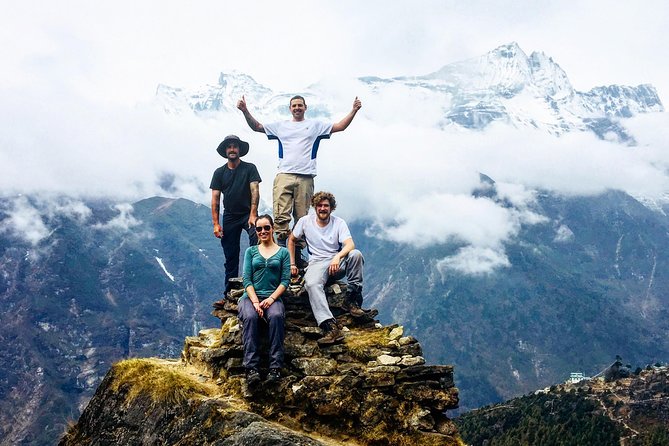
Here is how the rhythm works across the 11 days, and what each segment means for you.
Day 1: Kathmandu to Lukla, then hike to Phakding (2660 m)
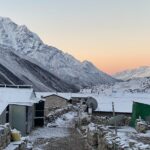
You fly from Kathmandu to Lukla, listed at 2850 m, then hike to Phakding around 2660 m. This is a classic first-day transition: the flight gives you the dramatic mountain feeling fast, and the hike is long enough to get your legs working without immediately crushing you.
The best part of day one is the early timing. The overview calls out sunrise views over the snowcapped mountains, which is exactly what you want after staring at paperwork and airport lines in Kathmandu.
Day 2: Phakding to Namche Bazaar (3435 m)
Today is about stepping up in both altitude and scenery. You move from the lower Khumbu valleys into the gateway region, ending in Namche Bazaar at 3435 m. Namche is not just a place to sleep. It is where the whole trip starts to feel like the Everest world, with Sherpa life and mountain culture around you.
Day 3: Acclimatization in Namche Bazaar (3435 m)
This is your buffer day. You stay at about the same altitude while your body adjusts. It is not a full rest day in the sense that you are trekking and moving through the area, but it is a smart day, and I like that the itinerary is built with this in mind.
If you are the type who panics about altitude changes, this is the day that can turn the trip from stressful to manageable.
Day 4: Namche Bazaar to Tengboche (3890 m)
You climb again, ending in Tengboche at about 3890 m. The big highlight here is the route toward Tengboche Monastery, where you get those monastery moments people remember long after the numbers blur.
This day is often memorable for the balance it offers. You get physical effort, but also a cultural stop that makes the trek feel human, not just athletic.
Day 5: Tengboche to Dingboche (4400 m)
You continue upward to Dingboche at around 4400 m. The town becomes a higher-altitude base layer for the days ahead. It is a transition day: after Tengboche’s spiritual setting, Dingboche sets the stage for the higher, harsher feel of the trail.
Day 6: Dingboche to Lobuche (4910 m)
Today climbs into the higher zone, finishing in Lobuche at about 4910 m. This is where you start feeling the expedition side of Everest. The air is thinner, the cold is more noticeable, and the mountain presence gets more dramatic day by day.
Day 7: Lobuche to Gorakshep, then Everest Base Camp (5380 m) and Gorekshep (5180 m)
This is the day where your feet finally deliver you to Everest Base Camp area. The route pushes you to Gorakshep, with Everest Base Camp listed at 5380 m, then you continue back to Gorekshep around 5180 m.
I like how the itinerary does not just say base camp and then vanish. It builds in the movement around the base camp approach and acknowledges that you still have a hike afterward.
Day 8: Gorekshep to Kalapathar (5545 m) and Pheriche (4320 m)
If base camp is the milestone, Kalapathar is the viewpoint day. It is listed at 5545 m, and then you descend to Pheriche around 4320 m.
This combination is important. You get the high point with big views, then you come down enough that your next days feel more realistic.
Day 9: Pheriche to Namche (3435 m)
You keep moving and steadily drop altitude, ending in Namche Bazaar again at about 3435 m. This day is great for two things: clearer thinking and a break from the most punishing heights.
It also sets you up psychologically. When you see how far down you can go and still feel like you are in the Everest region, you stop fearing the altitude and start managing it.
Day 10: Namche to Phakding and Lukla (2835 m)
You hike back toward Phakding and then onward to Lukla, listed around 2835 m. This is a travel-day feeling mixed with trek steps. You are close to the finish, but still earn it.
Day 11: Lukla to Kathmandu flight
You close with the flight back to Kathmandu. The key thing here is that your days are protected by organization: the trek ends and you do not need to stitch together transportation on your own.
Guides, porters, permits, and the paperwork you should not stress about
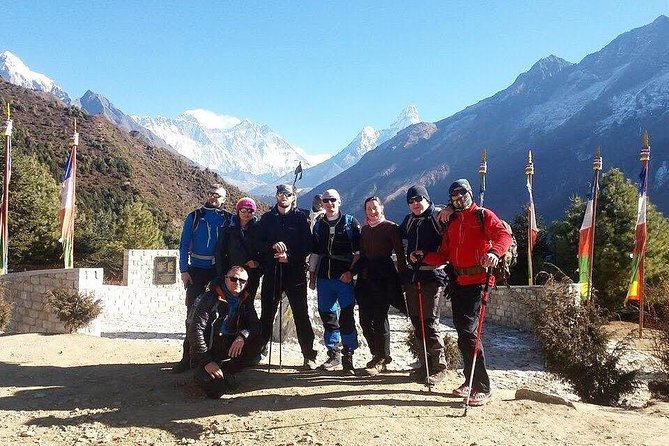
You are not just buying trail time. You are buying someone else’s brain for the parts that are easy to mess up.
This operator includes:
- A government-licensed guide
- Porter support (with a note that you typically get 1 porter for 2 clients)
- TIMS card
- Trekking permits needed for restricted area trekking
- All government taxes and service charges
- A first aid kit and the basic support layer for staff
From the reviews you were given, the guiding name Dipu shows up as a standout. That matters because on Everest Base Camp treks, what separates a good trip from a great one is not just the route. It is how someone helps you read conditions, pace your effort, and keep you moving when you are tired.
If you prefer a trip where logistics do not chew up your attention, this structure fits well.
One more practical note: tips are not included. So if you want to be thoughtful with staff, plan that in advance rather than waiting until the last day when emotions and fatigue hit at the same time.
The cultural stops that make the trek feel real
Some Everest treks feel like a checklist of elevations. This one mixes in Sherpa communities and monastery time, and that changes how the days feel.
You pass through Namche Bazaar, described as the gateway and Sherpa home town in the overview. That is the place where you understand how local life works in the Everest region, not just how high you can go.
You also include Tengboche Monastery, which is one of those stops that adds meaning to the hike. Monasteries give you a different pace, and they break the monotony of constant climbing.
And then there is mention of Khumbu Icefall and wildlife in the Natural Park. You may or may not see specific animals depending on season and conditions, but the trek’s setting is what matters. You are walking through a protected area where nature is always the main character.
Lodges, meals, and what “full board” really means for you
You get breakfast, lunch, and dinner during the trekking period. That is a big deal because at high altitude you do not want to make micro-decisions about what to eat each day.
You also get “best available accommodations” during the trek. That phrase is common, but in practice it usually means you are not sleeping on the sidewalk or improvising your lodging. It helps you focus on the walk, not the logistics of where you will be at night.
What is not included is just as important:
- drinks (hot/soft/cold) and liquors are not included
- Kathmandu meals and Kathmandu hotel are not included
So carry a plan for how you will handle thirst and warm drinks, especially in colder sections. Even if you skip alcohol, you will likely want some hot comfort now and then.
Who should book this Everest Base Camp trek
This trip is best if you want:
- a classic Everest Base Camp experience with the major checkpoints built into the route
- a guided trek with permit and permit card support handled for you
- real structure around altitude, including an acclimatization day in Namche
- porter help so you can focus on pacing, not weight management
You should think twice if you do not handle hiking at elevation well, or if you expect a budget-only trek where everything including Kathmandu stays is covered. The moderate fitness requirement is not optional, and the climb is the point.
Also, since this is listed as a private tour/activity, it suits groups who want their own itinerary flow without blending into a large mixed group.
Should you book Mount Face Nepal for Everest Base Camp?
If you want a guided, structured Everest Base Camp trek with the heavy logistics handled, I would say yes. The package covers the essentials that usually cause chaos on treks: guide, porter, meals, accommodations during the trek, permits, and flights. For most people, that is what turns Everest from a stressful plan into a trip you can actually enjoy.
I would only hesitate if you are trying to keep total spending extremely tight, because Kathmandu hotel, Kathmandu meals, drinks, travel insurance, Nepal entry visa fee, tips, and personal gear are not included. If you plan for those upfront, the $1,699 price starts to look more like value and less like a sticker shock.
If you book, do one thing that pays off immediately: prepare for the altitude honestly, follow the pacing, and treat the acclimatization day as part of the plan, not a delay.
FAQ
Where does the trek start in Kathmandu?
The trek meeting point is in Thamel, Kathmandu 44600, Nepal.
What time does the experience start?
The start time is 7:15 am.
Is pickup and drop included for the Lukla flights?
Yes. Pickup and drop to the local airport for the Lukla flight are included, along with airport transfers for the Kathmandu-Lukla-Kathmandu air fare.
Are meals included during the trek?
Yes. Full board meals are included during the trekking period, with breakfast, lunch, and dinner.
What permits and cards are included?
The package includes a TIMS card and trekking permits needed for restricted area trekking, plus all government taxes and service charges.
What is not included in the tour price?
Not included are lunch and dinner in Kathmandu, a hotel in Kathmandu, travel insurance, Nepal entry visa fee, international airfare and airport departure tax, tips for trekking staff, drinks during the trek, and personal shopping, laundry, gifts, and personal trekking equipment.
Can I cancel and get a full refund?
You can cancel up to 24 hours in advance for a full refund. If you cancel less than 24 hours before the start time, the amount paid is not refunded.
More Hiking & Trekking Tours in Kathmandu
More Tour Reviews in Kathmandu
Not for you? Here's more nearby things to do in Kathmandu we have reviewed


Everest Base Camp Treks from Kathmandu, compared.
 ★ 5.0Everest Base Camp Trek – 14 DaysFrom $1,8001,499 reviews
 ★ 5.0Everest Base Camp TrekkingFrom $1,350485 reviews
 ★ 5.0Everest Base Camp Trekking – 13 DayFrom $1,399365 reviews
★ 5.0Everest Base Camp Trek -14 DaysFrom $1,420321 reviews
★ 5.0Everest Base Camp Trekking – 13 DayFrom $1,399365 reviews
★ 5.0Everest Base Camp Trek -14 DaysFrom $1,420321 reviews
 ★ 5.0Everest Base Camp Trekking – 2025/2026From $1,339199 reviews
 ★ 5.0Everest Base Camp TrekFrom $1,408193 reviews
14-Days Private Everest Base Camp TrekFrom $1,600152 reviews
★ 5.0Everest Base Camp TrekkingFrom $1,350146 reviews
★ 5.0Everest Base Camp TrekFrom $1,408193 reviews
14-Days Private Everest Base Camp TrekFrom $1,600152 reviews
★ 5.0Everest Base Camp TrekkingFrom $1,350146 reviews
Browse the lists this tour appears in