
REVIEW · ANNAPURNA TREKS FROM KATHMANDU
Annapurna Base Camp Trek
Annapurna Base Camp feels personal from day one. This 10-day trek in Nepal mixes classic views like Poon Hill sunrise with the harder push to Annapurna Base Camp, all run by local experts from the Annapurna region. You also get a private feel with a team that handles the paperwork and day-to-day logistics, so you can focus on walking and soaking in the mountains.
I love how much is already taken care of: permits and trekking fees, meals during the trek, plus guide and porter support with a duffel bag and trekking maps. I also like that the guide is government-licensed and first-aid trained, with English, Hindi, and Chinese available, which makes communication and safety feel more solid. And yes, the itinerary includes real highlights, not just hours on trail.
One possible drawback to consider is the effort level. You need moderate physical fitness, and the higher days can feel demanding because you’re climbing steadily toward Annapurna Base Camp.
Key things that make this Annapurna Base Camp trek worth your attention
- Local Annapurna guides who manage altitude conditions and acclimatization with real trail experience
- Poon Hill sunrise day that adds big payoff for relatively little extra walking
- Duffle bag and porter support, so you’re not lugging heavy stuff between tea houses
- Food and permits handled during the trek, plus first-aid support in the group
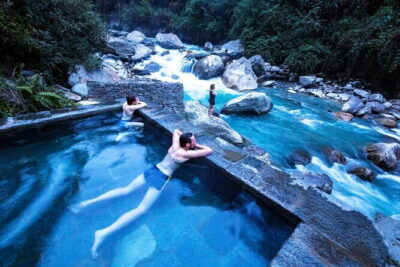
- Jhinu hot springs on the way back, giving you a built-in recovery moment
Touch The Himalaya’s ABC Trek, what you’re actually buying
You’re paying for more than a route. This is a guided Annapurna Base Camp trek built around logistics, safety support, and day-by-day planning that fits a typical 10-day pace without turning it into a rigid factory schedule.
The big value is that the package includes the stuff that can slow you down. You get airport pickup and drop, two nights of accommodation in Kathmandu before and after the trek, trekking permits and fees, and guide and porter costs. There’s also a complementary set of trekking maps, plus a duffel bag that’s handled by the team and returned at the end.
At $700, the price only makes sense if you’re the type who wants to show up and trek, not spend your first two days in Nepal trying to figure out paperwork, permits, and transport. If you’re comfortable self-organizing and don’t mind extra risk, you might find cheaper options. But for many people, paying for a local team and clear support is the smoother play.
You can also read our reviews of more hiking tours in Kathmandu
Kathmandu start, Pokhara transfer, and why day 1 matters more than you think
Your trip starts in Thamel, Kathmandu, with a meeting point at Thamel (44600) and a start time of 6:15 am. That early start matters because Nepal travel day timing can be unpredictable, and the day is long once you factor in getting everyone settled.
Day 1 moves you to Pokhara by tourist bus, car, or flight. It’s about 200 km west, roughly 7 hours by road, and the drive follows the Trishuli River side with changing views along the way. I like this transition because it gets you into the trekking mood without dumping altitude shock on day one.
Then you’re in Pokhara, which works as a staging hub. On days like this, it’s smart to keep your plan simple: pack essentials, confirm how the team wants you to use the duffel bag, and set expectations for early starts later.
Ulleri to Ghorepani, a smart warm-up with village life and forest walking
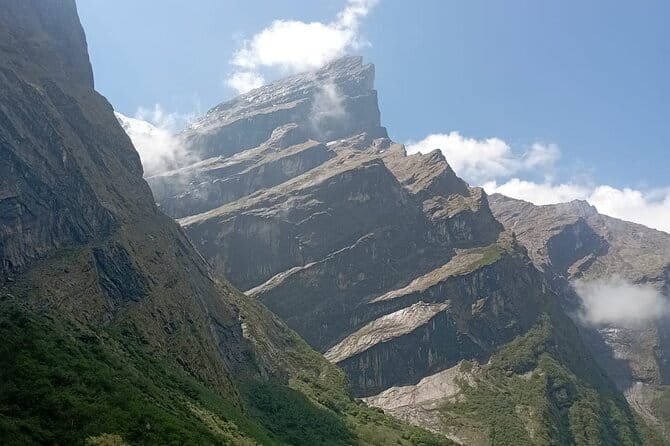
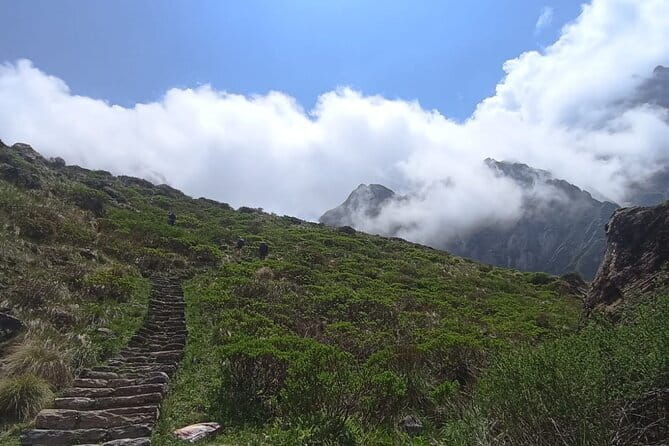
Day 2 begins with a drive to Nayapul (about an hour), and then your trek starts toward Ulleri. The trail follows the Modi Khola River and threads through charming villages where you can see local daily rhythm up close. This is the kind of day where you can find your pace and settle into the pattern of walking, resting, and eating at tea houses.
That warm-up is important because Annapurna Base Camp is not a short stroll. Even if you feel fine on day 2, you’re building stamina and learning how your body reacts to sustained effort.
Day 3 takes you from Ulleri to Ghorepani in about 5 to 7 hours. You’ll pass through lush forests and climb toward bigger Annapurna range views as the day goes on. For most people, Ghorepani is where you start feeling like this is really happening, not just a travel plan.
Poon Hill sunrise and the Ghorepani-to-Tadapani shift
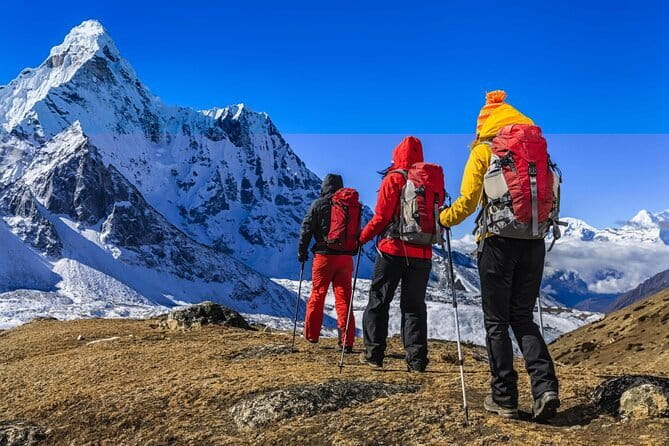
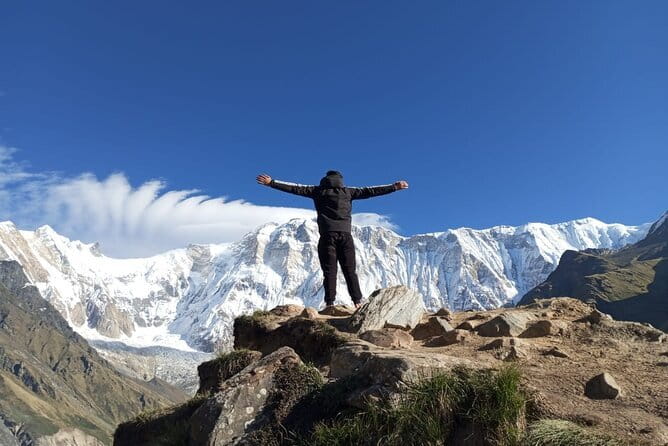
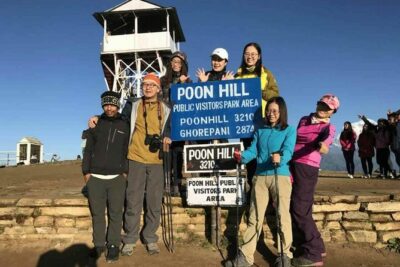
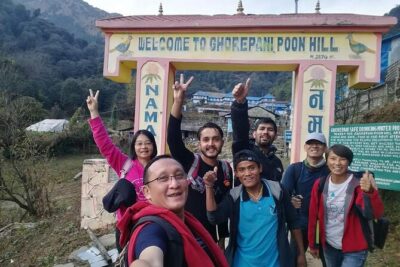
Day 4 is a classic move: hike early to Poon Hill to catch sunrise over the Annapurna and Dhaulagiri mountains. After sunrise, you return to Ghorepani for breakfast, then continue trek time toward Tadapani.
This day is popular for a reason. A sunrise viewpoint gives you a strong emotional payoff, and it can help you reset mentally before the trek gets more serious in the next few days. It also breaks up the route so you’re not just walking in a straight line toward base camp.
One practical thing to know: sunrise hikes mean you’ll be up early and exposed to cool night air. Bring sun protection for the next hours after sunrise, because the temperature and light can shift fast once the sun climbs.
Day 4 also transitions you from a well-traveled feel toward a quieter stretch. Tadapani tends to feel more like steady trail days and less like viewpoint chasing, which is a good balance as you move toward higher altitudes.
Tadapani to Sinuwa to Deurali, where comfort starts to matter
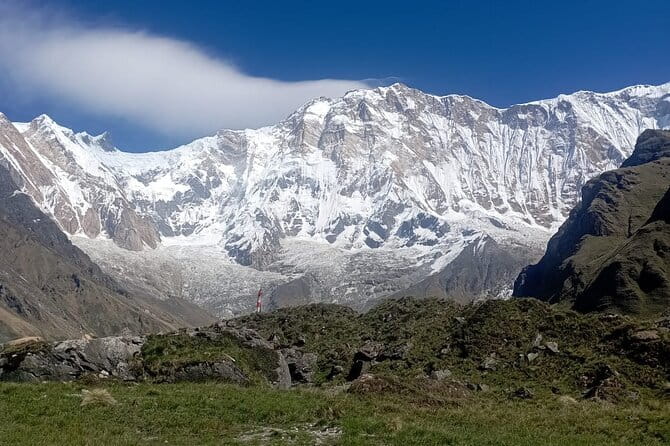
Day 5 goes from Tadapani to Sinuwa in about 6 to 7 hours. Expect descending through lush forests and walking through small villages, with Annapurna range views visible at points along the route. This is often a welcome change, because descending can feel easier on the legs even though it still uses energy.
Day 6 climbs from Sinuwa to Deurali in about 5 to 6 hours. The trail ascends steadily, you’ll cross a glacier area, and as you approach Deurali the terrain becomes more rugged. This is one of the key days in terms of mental readiness, because it’s where the trek can start feeling alpine rather than just “hike in the hills.”
Altitude is the real story here, even if the trek includes time at tea houses. If you get nausea, headaches, unusual fatigue, or breathing feels weird, you shouldn’t push through like it’s a normal walk. The value of having experienced local guides is that they manage acclimatization and watch for problems early.
Deurali to Annapurna Base Camp, passing Machapuchare Base Camp
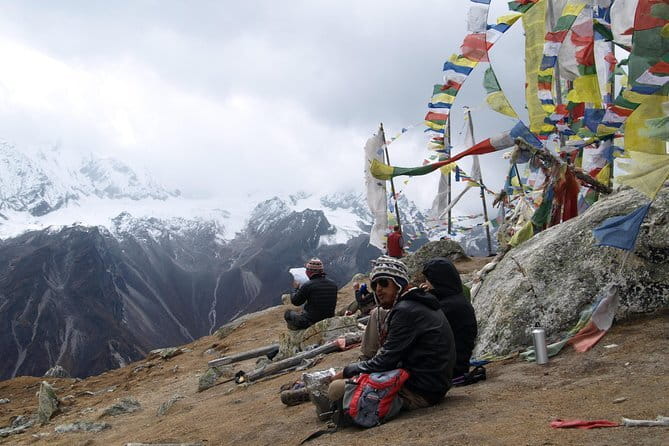
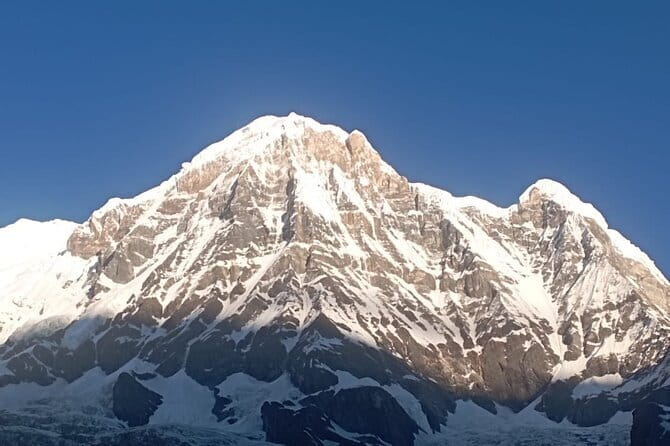
Day 7 is the main event, trekking from Deurali to Annapurna Base Camp in about 6 to 7 hours. You pass by Machapuchare Base Camp along the way, and the route builds toward the moment you’ve been aiming at: reaching Annapurna Base Camp.
This is a day you should treat with respect. Even if you’re fit, the air gets thinner and the pace often slows. The guide team’s job matters most here, because you need good pacing, clear instructions, and consistent support.
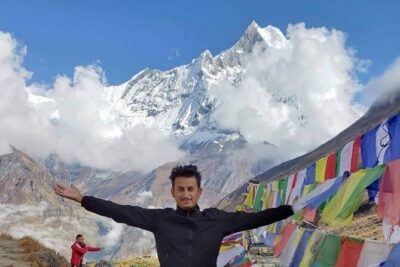
When you reach base camp, the experience is partly physical and partly emotional. You’re at the edge of a big mountain zone where the views and the feeling of altitude hit all at once. It’s also a great day to double-check your gear habits, like gloves or a warm layer for windy moments and a plan for hydration.
In one of the most repeated themes from people who trekked with this company, guides and porters made solo or group treks feel safe and manageable. The team is local to the Annapurna region, and names that show up in their guide network include Madan and guides such as Rishi and Roshan Pandey, with porter support from people like Arjun and Ganesh.
The return: Annapurna Base Camp back to Sinuwa, then Jhinu hot springs
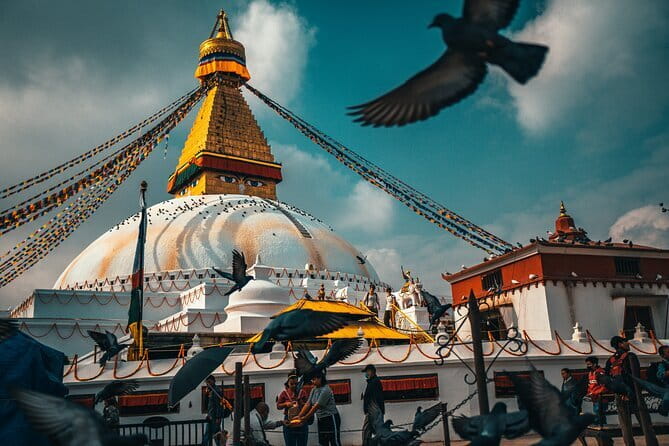
Day 8 starts with time at Annapurna Base Camp, then you descend back to Sinuwa, taking about 6 to 7 hours. This is another important pattern day. Going down is not a free pass, because your knees and lower legs still work hard on uneven stone and steep sections.
Day 8 also gives you time to process the big moment. If you’re the type who needs a calm walk to absorb what you just did, descending day is perfect. You’ll see parts of the route again, which can make the whole trek feel more coherent.
Day 9 goes from Sinuwa to Jhinu in about 5 to 6 hours. After reaching Jhinu, you get a chance to relax in the natural hot springs nearby. This is one of the most practical inclusions, because hot springs are a smart way to soothe sore muscles after a long trek.
In the afternoon, you drive back to Pokhara, about 1 to 2 hours. Then you’re not stuck thinking about transport at the end when everyone is tired. Day 9 feels like a reward day, plus a logistical buffer before you return to Kathmandu.
Day 10 Kathmandu, then free time to breathe and reset

On the final day, you travel back to Kathmandu, with a choice of a scenic drive (around 7 to 8 hours) or a short flight. Once in Kathmandu, you have free time for shopping or exploring before departure.
I like that this keeps the ending flexible. A drive can be scenic if you want one more day of Nepal views, while a flight can help you conserve energy for last-minute rest and airport timing.
Also, because you already had two nights in Kathmandu at the start, you’re not forced to cram everything into one frantic night. That makes the overall rhythm feel kinder.
Guides, safety, and the kind of support you’ll feel on tough days
The guide support here is one of the strongest reasons to pick this trek. The experience includes an English, Hindi, Chinese government-licensed guide who’s first-aid trained, plus a basic first-aid kit carried by the guide. That doesn’t mean “nothing can go wrong,” but it does mean you’re not traveling without essential safety competence.
The company emphasizes local expertise too. Guides are native to the Annapurna region, and that tends to matter because they know the trails, the typical pace, and the way conditions shift. In mountain trekking, small local details often make the difference between an uncomfortable day and a manageable one.
The porter and baggage system also helps a lot. You get a duffel bag, and the porter team handles moving it between camps. People who trekked with this team also highlighted how porters assisted with transferring luggage between camps, which is exactly what you want to hear if you’re bringing anything bulky.
If you’re a solo trekker, there’s another strong theme in the feedback: feeling safe and getting quick answers before and during the trek. One solo woman trekker described how the coordinator, Mr. Madan, was always available with questions, and the guide took good care during the trek.
What to expect about food, tea houses, and packing smarter
Your trek includes breakfast, lunch, and dinner during the trekking days. That helps you avoid hunting for meals at elevation, which can be tiring and slow.
At the same time, you can buy meals in the tea houses during the trek. So you should treat the included meals as your baseline, and pack for the “extra energy” moments. The tour info also suggests carrying lite snacks like chocolate for long days, and I agree. On long climbs, small sugar hits and quick calories can save your afternoon mood.
Plan to bring practical essentials: water bottles, sunglasses, and a charger for the days you can use electricity. In the mountains, it’s easy to overpack because every item feels important, but you’ll do better with fewer, tougher layers and simple daily needs.
Price value check: what $700 includes, and what you should budget for
This is the part I’d do honestly before booking. At $700, the package includes a lot of hidden costs: trekking permits and fees, the guide and porter team expenses (including salary, insurance, equipment, transport, food, and accommodation), plus two nights in Kathmandu before and after the trek.
You’re also getting airport pickup and drop. And since it’s a private tour, the cost is tied to running your group only, not mixing into random shared operations.
Two practical “budget realities” remain. Tips for guides and porters are not included, and that matters in Nepal. Also, while meals during the trek are included, you may still want extra snacks at tea houses.
If your alternative is booking flights yourself, finding a guide separately, paying for permits on your own, and trying to coordinate porter logistics, then the $700 starts to look reasonable. If you already have a guide and a plan, you might not need as much packaged support.
Who this Annapurna Base Camp trek is best for
This trek is well suited for you if you want a guided, private Annapurna Base Camp experience with classic route highlights. It’s also a good match if you prefer clear logistics, included permits, and a team that helps with day-to-day pacing and safety.
The physical demand is real, and the trip asks for moderate fitness. So if you’re newer to trekking, treat it as training with structure, not a casual stroll. The benefit is that the itinerary includes gradual start days with village walks and forest trekking before the bigger climb days.
It can work for solo travelers too, especially if you like having a guide who handles questions and makes you feel looked after. The feedback includes examples of solo travel feeling safe and supported with this team’s communication.
Should you book this Annapurna Base Camp trek?
I’d book it if you want a well-supported trip with a local guide team, permits handled, and a route that includes both sunrise magic at Poon Hill and recovery time at Jhinu hot springs. The $700 price looks most fair when you compare it to the cost of building the same support yourself.
I’d think twice if your priority is low physical strain or you’re not comfortable with altitude and early starts. This trek is doable with moderate fitness, but it still asks your body to work daily, especially around the Deurali and base camp push.
If you like structured planning, local guidance, and the confidence that someone is managing safety and pacing, this Annapurna Base Camp trek is a strong choice.
FAQ
Where is the meeting point and what time does the trek start?
The meeting point is Thamel, Kathmandu 44600, Nepal, and the start time is 6:15 am.
Does the package include airport pickup and drop?
Yes. Airport pickup and drop are included, along with two nights accommodation in Kathmandu before and after the trek.
How long is the Annapurna Base Camp trek?
It’s listed as 10 days, approximately.
What’s included for guides, permits, and meals?
The trek includes an English, Hindi, Chinese government-licensed first-aid trained guide, basic first-aid kit, trekking permit and fees, and breakfast, lunch, and dinner during the trek.
Can I buy meals in tea houses during the trek?
Yes. You can buy meals in the tea houses during the trek.
What are the route highlights included in the plan?
You’ll do a Poon Hill sunrise early hike, reach Annapurna Base Camp, and later stop at Jhinu for natural hot springs.
What is the cancellation policy for a full refund?
You can cancel up to 3 days in advance of the experience for a full refund. If you cancel less than 3 full days before the start time, the amount paid is not refunded.
More Hiking & Trekking Tours in Kathmandu
More Tour Reviews in Kathmandu
Not for you? Here's more nearby things to do in Kathmandu we have reviewed


Annapurna Treks from Kathmandu, compared.
 ★ 5.0Annapurna Circuit Trek with Tilicho LakeFrom $1,093368 reviews
 ★ 5.0Annapurna base camp trek 5 DaysFrom $699252 reviews
 ★ 5.0Annapurna Base Camp TrekFrom $935111 reviews
 ★ 5.0Kathmandu to Annapurna Base Camp (ABC) 5-Day TrekFrom $99102 reviews
 ★ 5.0Annapurna Circuit TrekFrom $1,17594 reviews
 ★ 5.04 Days Poon Hill TrekFrom $40594 reviews
 ★ 5.0Annapurna Base Camp Trek 12 DaysFrom $80085 reviews
 ★ 5.0Ghorepani(Poonhill Trek)From $60081 reviews
Browse the lists this tour appears in