
REVIEW · ANNAPURNA TREKS FROM KATHMANDU
Annapurna Base Camp Trek
A trek into the Annapurna sanctuary changes your pace fast. This 7-day Annapurna Base Camp itinerary is built for real mountain travel, with Ghandruk, Chhomrong, Bamboo, and a base-camp sunrise setup that feels like a reward for the work you do each day.
What I really like is the “full service” feel without feeling overstuffed. You get a government-licensed mountain guide plus the necessary permits (ACAP and TIMS), and the trip includes three meals a day and 7 nights of accommodation on the trail.
One thing to consider before you sign up: the schedule starts early, with a 4:45 am start, and the route expects moderate physical fitness. If you know you hate early mornings or long uphill days, plan for that reality.
Key points before you commit
- Licensed guide and permits included (ACAP and TIMS), so you do not scramble last minute.
- Meals and lodging are handled, which matters a lot when you are tired at 5 pm.
- A hot-spring day at Jhinu gives you a real recovery moment, not just more trekking.
- Base camp time is built in, so you are not just passing through for a quick photo.
- Experienced team options show up in real-life feedback, with guides like Suraj, Anos, and Laku earning strong recommendations.
Annapurna Base Camp in 7 Days, what you really get
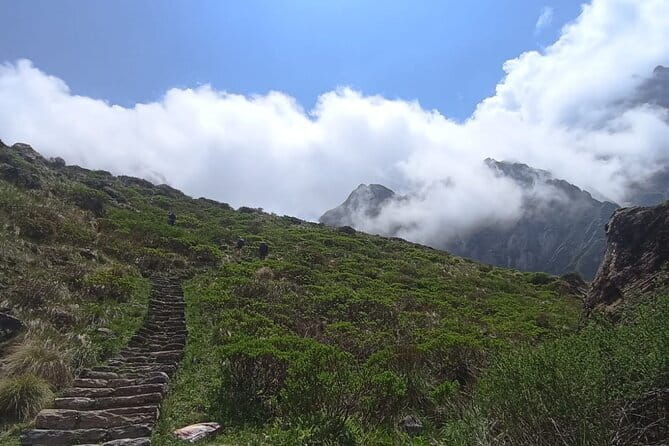
If you want the Annapurna Base Camp experience, but you do not want to spend two weeks on the trail, this 7-day format is one of the more practical ways to do it. The route starts from the trail access around Nayapul, then works its way through terraced fields, rhododendron forests, and Gurung villages before you push into the higher, peak-packed zone.
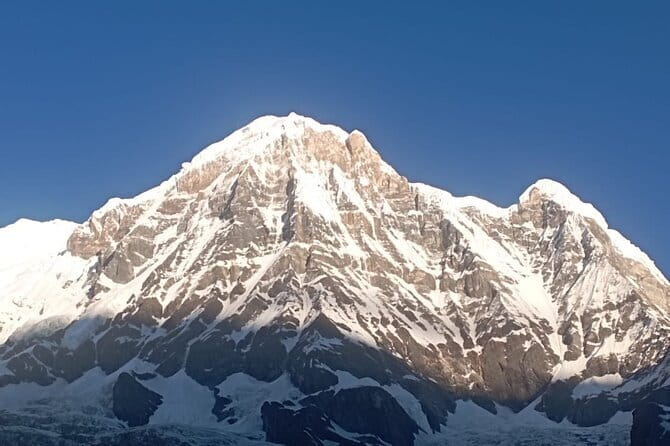
The biggest payoff is obvious on paper: you reach the base camp area and you get that “surrounded by towering peaks” feeling. But what makes this trek work for most people is the way the days are paced. You are always moving between villages, ridges, and forest sections, which keeps the journey from feeling like one long, unbroken grind.
And you do not just reach base camp and rush away. The itinerary gives time for scenic moments at base camp, then turns you back toward lower ground for recovery.
You can also read our reviews of more hiking tours in Kathmandu
Price and Logistics That Affect Your Comfort
The price is $699.67 per person, and the value comes from what is included, not just the number.
Here is what you get for your money:
- A licensed mountain guide
- ACAP permit and TIMS card
- Three meals daily during the trek (breakfast, lunch, dinner)
- 7 nights of accommodation along the route
- Ground transportation related to the trek route segments (Pokhar-Syauli Bazar and Samrung Khola to Pokhara are included)
- Seasonal fruits during the trek
- Pickup is offered
That package matters because the Annapurna trail is where your daily costs can quietly add up. When meals and lodging are already covered, you spend your energy on the hike, not the math.
What is not included (and this is worth thinking about early):
- Travel and rescue insurance
- Personal expenses like bar bills, laundry, phone calls, battery recharge, bottle of water, hot water, and shower
- Tips for the guide
I like when a trek spell-checks the common “surprise costs” category. This one does, as long as you keep some money set aside for those personal items you will want after long days.
Before You Go, Fitness and the 4:45 am Start
This is a moderate trekking region, and the itinerary is designed for people who can handle ups and downs without needing a slow-motion pace every hour. You should be comfortable with long hiking days and uneven steps.
The hard part for many first-timers is not the altitude alone, it is the rhythm. You start early, with a meeting time of 4:45 am, and the day often feels like it begins before your body is fully awake. That does not mean it is harder than it should be. It just means you need to prepare like an early-morning person.
A few practical prep tips that fit this exact style of trek:
- Pack layers for big temperature swings, especially once you are above the forest edges.
- Bring a water plan, but remember that bottle water is not listed as included, so carry or buy based on what you can manage.
- Plan for a day where you are tired, then still have to walk at least part of the next day. That is normal on this route.
Day 1 to Ghandruk After Pokhara, fields to your first peak views
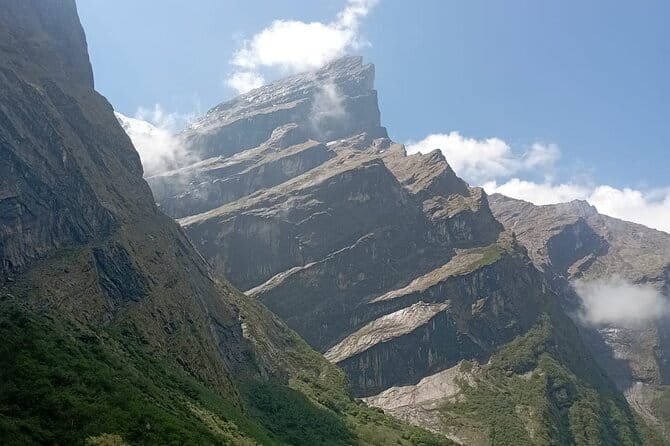
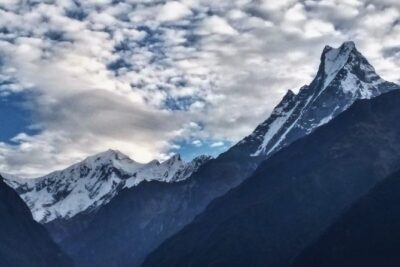
Day 1 is all about transition, then momentum. You start with an overnight in Pokhara, with views of the Annapurna Himalaya range, including Machhapuchhre (Fish Tail). After breakfast, you drive beyond Pokhara to begin the trek.
Your first trek stop is Ghandruk, a village that works well as a “welcome to the mountains” day. The approach is described as following trails along terraced fields and into rhododendron forests, plus passing through charming Gurung villages. That mix is more than scenic. It gives your legs time to warm up before the route turns steeper later.
What to watch for on day one:
- Your body is adjusting to trekking time, even if the walk feels manageable.
- You are still learning how your gear behaves. Socks and boots matter most on the first day.
The best part is you start seeing how the mountain walls shape the valley. This helps you understand what you are hiking toward, not just where you sleep at night.
Days 2 and 3 to Chhomrong and Bamboo, villages, ridges, and forest pace
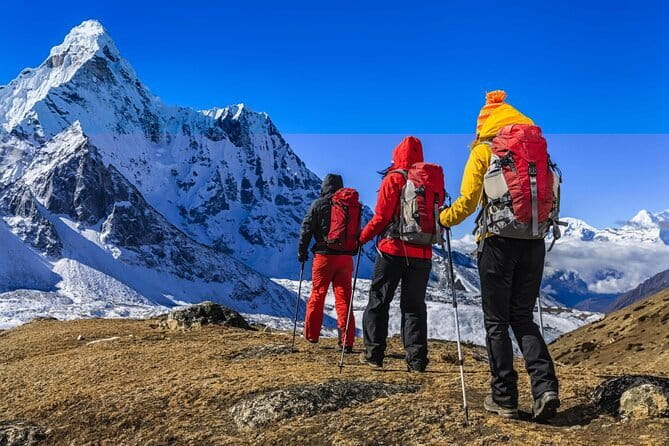
Day 2 centers on Chhomrong. From Ghandruk, you take a gradual path, then climb to Kimrong Danda (ridge). After a short break, you go downhill into cool forested trails and eventually reach Kimrong River and a farm village area.
Chhomrong is a classic Annapurna pivot point. It is where the trek starts to feel more “high country,” because you have more ridges, more views opening up, and longer stretches where your legs get the main job.
Day 3 keeps that rhythm going and takes you toward Bamboo, in the Modi River gorge area. You go from Chhomrong down to a bridge, then uphill toward Sinuwa Danda (ridge). After that, you move through deeply forested sections with winding ups and downs before arriving at Bamboo.
Why days like this are a big deal:
- Forest sections help you pace yourself. It is easier to keep a steady effort when you are not constantly staring at a steep, exposed line.
- Gorge terrain creates a “stop and go” feel. You need good footwork, not just stamina.
These are also the days where your guide’s planning shows. When the route is set up well, you can eat, rest, and keep moving without feeling like you are always behind.

Day 4 to the Annapurna South and Huin-Chuli zone, the closer it gets
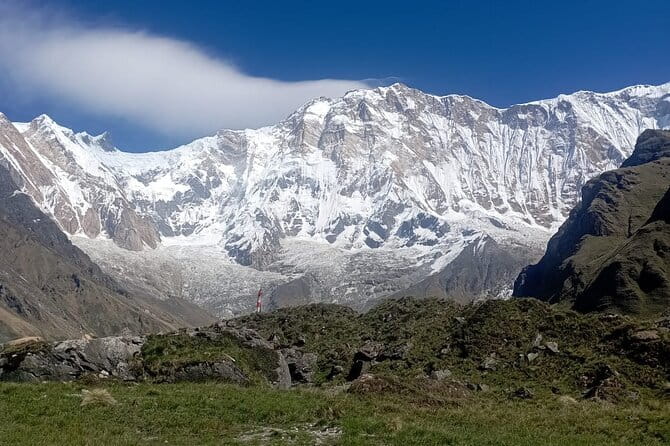
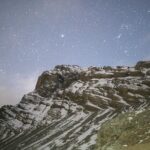
Day 4 pushes toward the trek’s highlight zone. The route is described as leading into the forest past Himalaya Hotel, located next to Hinko cave, beneath Annapurna South and Huin-Chuli peaks. Then you descend from Himalaya Hotel to near the next key area.
This is where the trek starts to feel serious. Even without naming every mile marker, you can tell you are moving from “walk between villages” to “walk under big walls.”
A practical note: days like this can feel long even when your schedule seems calm. The ground may be steady, but your mind changes. You start paying more attention to air temperature, how your breathing feels, and whether weather is cooperating.
If you want a trek that earns its final effort, day 4 is where the pay grade rises.
Day 5 at base camp, then back to Bamboo for recovery
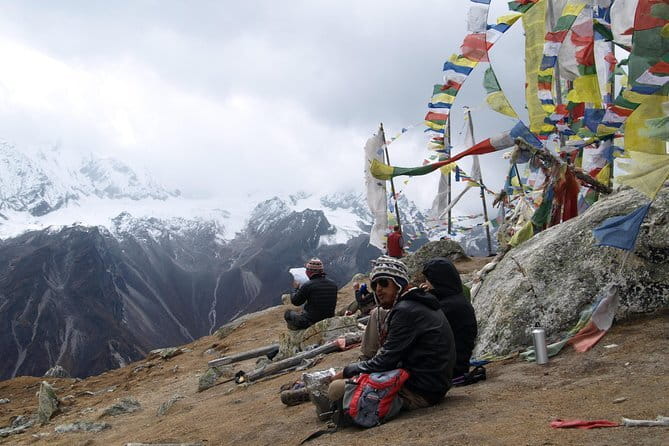
Day 5 is a split day with the important part up front. You enjoy pleasant scenic times at Annapurna Base Camp, and then you walk downhill with short ups for nearly six hours back toward Bamboo, returning into tall tree lines and lush vegetation.
This is smart planning. Many people want to spend all day at base camp, but the body often needs the descent. By the time you are back in the forest zone, you get a chance to lower stress on your legs and sleep better.
Also, base camp days feel different than valley days. You are surrounded by peaks and glaciers, and your senses notice everything. Sunrise views are mentioned as a special moment, and that is the sort of reason this trek is so popular in the first place.
Then you still have to walk back. That is the balance: big view day, plus a practical return.
Day 6 to Jhinu Danda Hot Spring, why this recovery stop matters
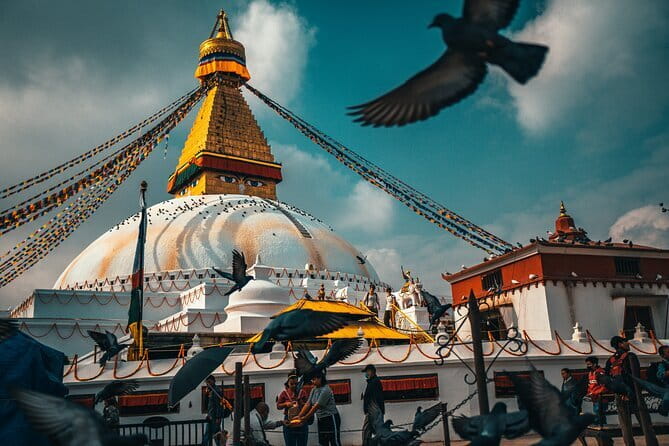
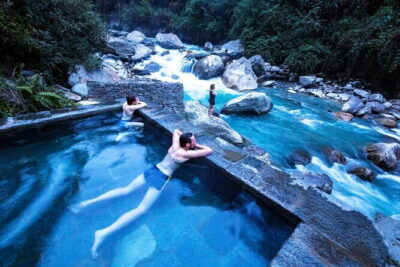
Day 6 turns the trek into a mix of scenery and comfort. You head back toward Chhomrong with ups and downs on the trail. Then from Chomrong hilltop, the route diverts to Jhinu, a ridge area with grand scenery and the well-known Jhinu Danda hot spring stop.
This is a valuable day even if you do not care about soaking your whole body for an hour. Hot springs on a trek like this are about recovery. They help you deal with the kind of leg fatigue you would normally carry into the final descent days.
It is also a morale moment. By day 6, you have enough trekking experience to know you can finish. A hot-spring payoff gives you a reason to feel good while you are still moving.
Day 7 to Pokhara, short walk, drive time, and a museum finish
Your last day mixes hiking and a smoother travel segment. The trek includes a walk to Siwai for about 4 hours, then a drive back to Pokhara around 2 hours.
From there, the itinerary includes a morning walk downhill through low and warmer farm areas, then a scenic drive to Pokhara Museum. It is a nice touch because it gives your brain something different than trail logistics.
The final day is also when you start appreciating the earlier work. When you look back, the valleys and villages you crossed on days 1 through 6 start making a lot more sense.
Best Guide and Porter Fit, how real teams show up on this route
One of the most praised parts of this trek experience is the human factor: guide quality and how smoothly they run the day.
In the feedback you can actually trace names. People mention guides such as Suraj, Anos, and Laku as being friendly, professional, and attentive to planning, meals, and accommodation. Others highlight specific porter support, with examples like Sonam and Necha, who took care of details during the hike.
You can also see how communication matters. One of the most consistent strengths is prompt, easy contact before the trek, even using WhatsApp.
Here is my practical advice if you are booking and you care about the vibe:
- If you have a guide or porter name you want, ask for it early.
- During peak hiking season, request specific team members in advance. Otherwise, you might end up with a great team, but not the exact one you hoped for.
A good guide does not just lead you. They keep meals and lodging on track, adjust if needed, and keep you moving at a pace you can sustain.
Who this Annapurna Base Camp trek is best for
This trek fits well if you want a classic Annapurna Base Camp experience with strong structure and included logistics. It is a good match for:
- People with moderate trekking fitness
- First-timers who want meals, permits, and lodging handled
- Travelers who prefer a private-group feel, since it is listed as a private tour/activity
It might not be your best fit if:
- You hate very early starts
- You want maximum free time at base camp with minimal walking on either side
- You expect most personal costs to be fully covered (hot water, showers, battery charging, and bottled water are not included)
Should you book this Annapurna Base Camp Trek?
Book it if you want value that is actually practical: licensed guide, permits, meals, lodging, transport support, and a hot-spring recovery moment, all bundled into one plan. At $699.67, you are paying for time saved and daily decisions removed. That is real value on a trek where fatigue makes planning harder.
Skip it or consider a different format if you are overly sensitive to early mornings or you are not confident with a moderate hiking profile. This trek expects you to show up ready to walk, eat on schedule, and keep steady momentum.
If you do book, put your focus where it counts: pack for temperature swings, carry essentials for personal costs not included, and send a clear note about your guide preferences if you have them. That is where your experience can turn from good to great.
FAQ
Where does the trek start?
The trek starts from Nayapul, with the trek days including driving segments around Pokhara before and after the hiking portion.
How long is the Annapurna Base Camp Trek?
It is listed as 7 days (approx.).
What time does the experience start?
The meeting time is 4:45 am.
Is pickup offered?
Yes, pickup is offered.
What does the price include?
The package includes three meals during the trek, a government license holder mountain guide, Annapurna permit (ACAP) and TIMS card, 7 nights of accommodation, seasonal fruits, and ground transportation for the listed route segments.
Are meals covered during the trek?
Yes. Breakfast, lunch, and dinner are included (with breakfast 7 times, lunch 7 times, and dinner 6 times).
What permits are included?
The Annapurna permit (ACAP) and TIMS card are included.
What is not included?
Travel and rescue insurance, personal bar bills and phone calls, laundry, battery recharge, bottle of water, hot water, shower, and tips for the guide are not included.
Is this a private tour?
Yes, it is listed as a private tour/activity, with only your group participating.
Is good weather required?
Yes. The experience requires good weather. If it is canceled due to poor weather, you will be offered a different date or a full refund.
More Hiking & Trekking Tours in Kathmandu
More Tour Reviews in Kathmandu
Not for you? Here's more nearby things to do in Kathmandu we have reviewed


Annapurna Treks from Kathmandu, compared.
 ★ 5.0Annapurna Circuit Trek with Tilicho LakeFrom $1,093368 reviews
 ★ 5.0Annapurna base camp trek 5 DaysFrom $699252 reviews
 ★ 5.0Annapurna Base Camp TrekFrom $935111 reviews
 ★ 5.0Kathmandu to Annapurna Base Camp (ABC) 5-Day TrekFrom $99102 reviews
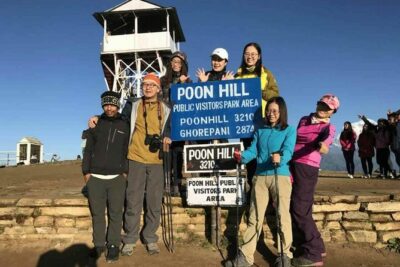 ★ 5.04 Days Poon Hill TrekFrom $40594 reviews
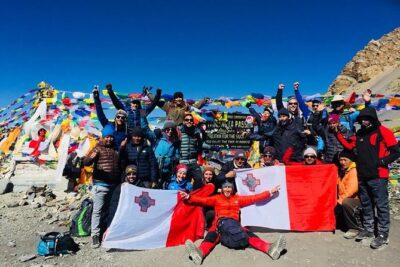 ★ 5.0Annapurna Circuit TrekFrom $1,17594 reviews
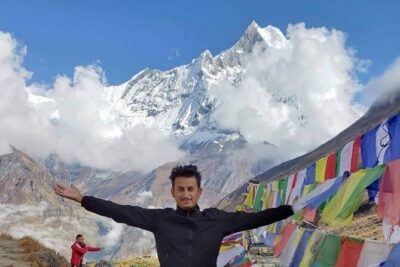 ★ 5.0Annapurna Base Camp Trek 12 DaysFrom $80085 reviews
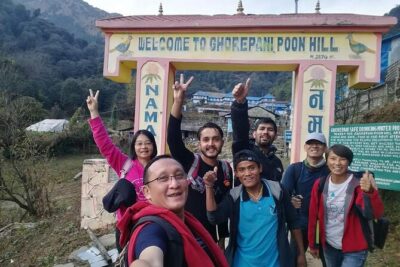 ★ 5.0Ghorepani(Poonhill Trek)From $60081 reviews
Browse the lists this tour appears in