
REVIEW · ANNAPURNA TREKS FROM KATHMANDU
Annapurna base camp -9 days
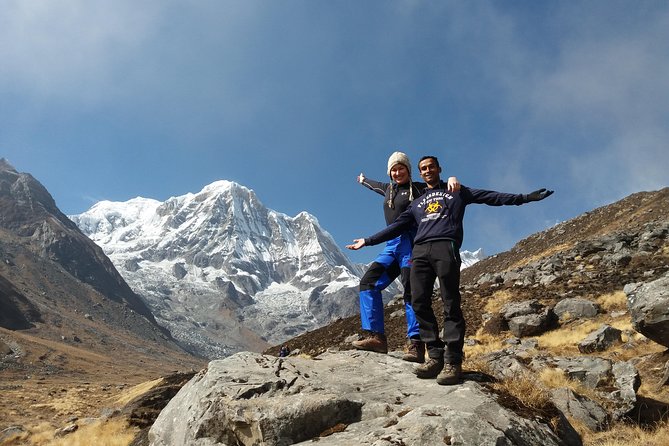
Hit the trail, then watch the peaks change color. This 9-day Annapurna Base Camp trek pairs big viewpoints like Poon Hill and the Annapurna Sanctuary with a steady path through Gurung and Magar villages, oak and rhododendron forests, and sacred river valleys. I particularly like the way the route balances scenery and culture, and I also like that your package covers the core logistics: guide, permits and paperwork, most meals, and even a down jacket and sleeping bag you return after the trek. One drawback to plan for: the trip does not include a porter, and you will likely feel the difference if you pack more than a light daypack.
You also get a nice “start right” setup in Kathmandu with a private airport pickup, plus a cultural welcome or farewell dinner. And after the climb, the finale includes Jhinu’s natural hot springs and an easy descent toward Nayapul, which helps your legs recover instead of just ending on a random bus ride.
Overall, this is a well-scaffolded ABC experience for people who want authentic teahouse trekking without having to coordinate permits, food, and daily pacing. If you want a totally DIY trip, this probably feels too structured. If you want the best parts with fewer headaches, it fits.
Key highlights (the stuff you’ll feel most)
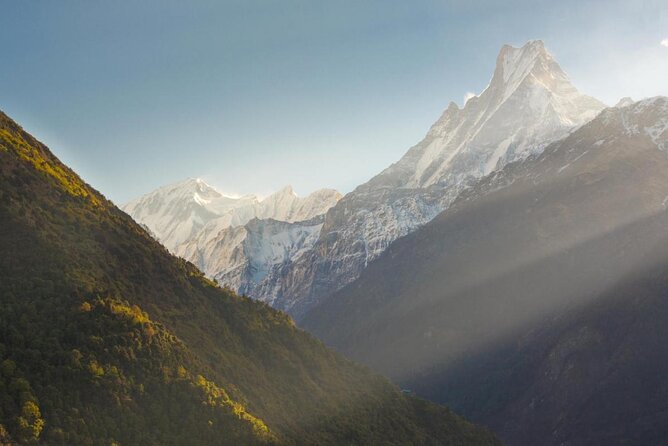
- Poon Hill sunrise views to set the tone, then straight into village trekking
- Guided walking through Gurung and Magar communities, not just mountain scenery
- Machhapuchhare Base Camp rules in the sacred valley, including a meat and fish restriction
- Annapurna Sanctuary morning with an early wake-up for sunrise
- Jhinu hot springs as a real payoff after days of stair-like descents
- Down jacket and sleeping bag returnable after the trek, so you travel lighter
Value And Logistics: What You’re Really Paying For
This trek costs $693.34 per person, and the value is not just the route. It’s what’s wrapped around the route.
You get a licensed English-speaking trekking guide, first aid kit support carried by the guide, and the required permits plus paperwork handled for you. Meals and accommodations during the trek are also included, with breakfast, lunch, and dinner for 9 days, plus 9 nights accommodation. That matters because ABC is one of those trips where the trail is only half the story, and the other half is daily decisions like where to sleep and what to eat at altitude.
You also get airport pickup and drop services in a private vehicle, and transport between Kathmandu and Pokhara in a tourist bus (with an optional flight available for extra cost). On top of that, there’s a welcome or farewell dinner in Kathmandu at a cultural restaurant, which is a pleasant human touch before you start walking for real.
Two small “watch-outs” for your budget:
- A porter is not included. The porter is listed separately as $220 per person, plus tips for guides and porters are not included.
- Food and accommodation in Kathmandu are not included. The trek starts from the second day of arrival, so you’ll still want a plan for that first night and any waiting time.
The good news is that several reviews praised the way guides helped with comfort and safety, especially by choosing good places to stay in the guesthouses. People also mentioned practical flexibility, like adjusting the number of trekking days or swapping plans when flight timing changed. That’s usually where the “value” shows up.
You can also read our reviews of more tours and experiences in Kathmandu.
How This ABC Trek’s Route Builds From Viewpoints To High-Altitude Reality
What I like about this route is the pacing of surprise. You start with viewpoint trekking, then you gradually earn the big day in the Sanctuary.
The trek also repeatedly switches “forest mode” to “mountain mode.” You go through oak and rhododendron areas, then you hit the higher, drier feel described as desert wilderness in the Annapurna Sanctuary. That change keeps the days from blending together.
And culturally, the route keeps returning to the same core theme: village life. You pass through Gurung and Magar communities, with stops at places like Dhampus and Landrung, then further down the trail to Chhomrong and onward. It’s not a hike where you only see humans at the tea shops.
Day 1: Poon Hill And the First Big Nepal Peak Moment
Day 1 includes Poon Hill, and that’s a smart opener. Poon Hill is where you get instant payoff for early starts, without needing full-on high-altitude commitment in day one.
Expect a hike rhythm that’s manageable enough to help you adjust after travel, but still rewarding visually. This is also a good day to test your shoes and clothing layers. If something rubs, you’ll notice now instead of three days later.
You’ll also be in Kathmandu at the start, with pickup from Tribhuwan International Airport and a transfer to your hotel. The package starts on the second day of your arrival, so treat day one as your ramp-up time, not your “hero day.”
Day 2: From Phedi to Dhampus, Gurung Views Without the Chaos
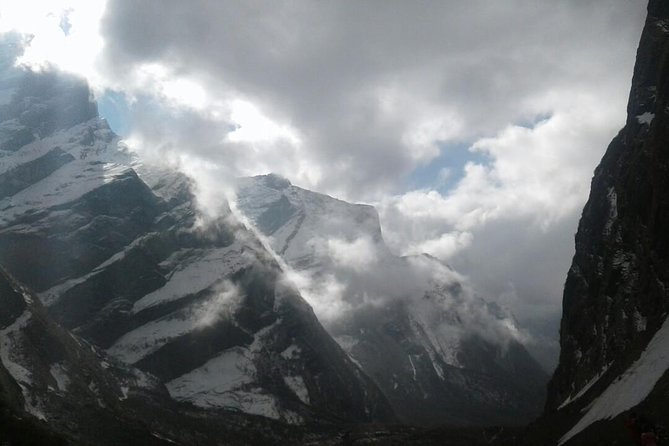
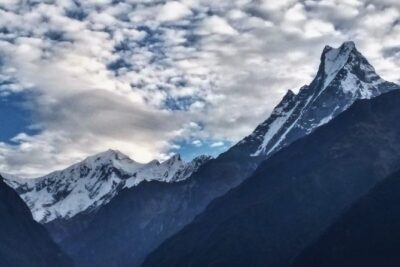
On day 2, you drive to Phedi from Pokhara, then begin trekking to Dhampus. Dhampus is described as a Gurung village with splendid views of Himchuli, Annapurna South, and Mt Fishtail (Machhapuchchre).
Why this stop works: it gives you real mountains early, but it’s still grounded in village life. You get the sense that you’re walking through someone’s neighborhood, not just hiking through scenery.
Also, you’ll be walking from the start of the day, which is great for building a steady pace. If you’re the type who gets overwhelmed by too much travel on day one, this approach feels calmer.
Day 3: Landrung And Jhinudanda, Oak Forest Trails and Terrace Farming
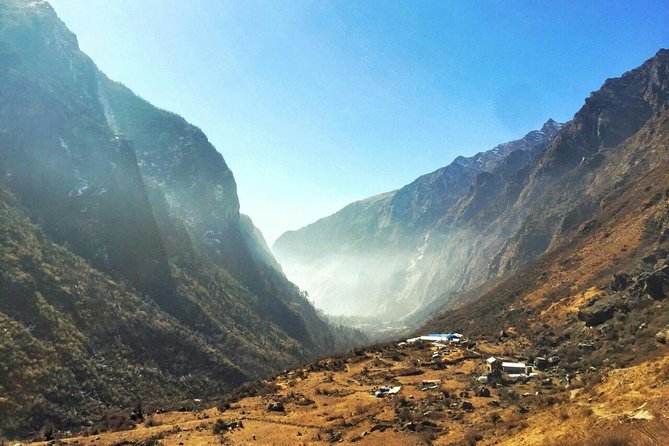
Day 3 moves you through oak forest and terraced fields on the way toward Landrung, then onward toward Jhinudanda.
Landrung is described as a charming village of Gurung, Magar, and Brahmins, so this is where the trek starts to feel social. You’ll see the architecture and everyday life that make the Annapurna region famous beyond the summit story.
One potential consideration here is pace. Routes like this include ups and downs, and days in oak forest can trick you into going too fast early. I’d rather you walk conservatively on day three. Save your energy for the days above treeline where the body feels every step.
Day 4: Chhomrong Bridge to Sinuwa Danda, Rhododendron Forest, and Seti Gandaki
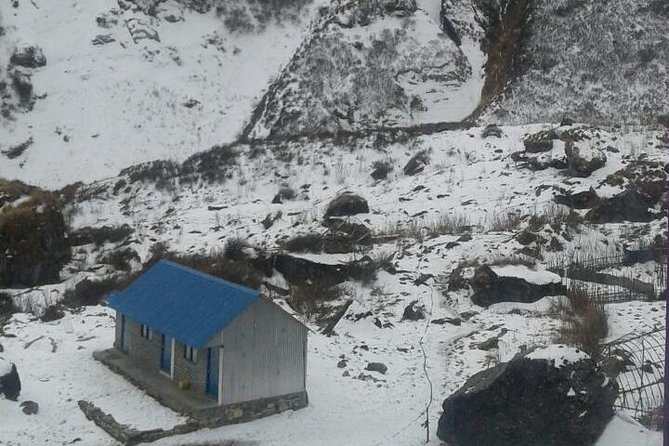
This is a day that changes scenery a few times.
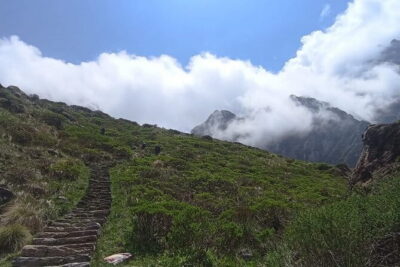
From Chhomrong, you cross a bridge, go up to Sinuwa Danda, then cut through thick rhododendron forest toward Khuldighar. After that, the route descends using long, vertical stone steps down toward Seti Gandaki (Seti River).
Two things to keep in mind:
- Rhododendron forest days often mean cooler walking and softer footing, but wet stone steps can feel slippery.
- Stone-step descents can be hard on knees, even when the climb later is manageable.
If you’re prone to sore knees, this is where having a guide help you pace matters. A good guide keeps you from turning every step into a leg workout.
Day 5: Machhapuchhare Base Camp and the Meat-Free Sacred Valley
Day 5 heads toward Machhapuchhare Base Camp along the banks of the river Madi through a sacred valley. One detail I love here is the rule: no meat or fish is allowed in this area to respect Buddhist and Hindu beliefs.
That makes the place feel different. It’s not just a scenic stop, it’s a place with real meaning. You’re walking into a zone where local customs shape daily life, including what’s available at teahouses.
This day is described as a gradual ascent. Gradual sounds mild, but don’t confuse gradual with easy. At this stage, altitude is already making your breathing a little louder, and you’ll want to keep water intake steady.
Day 6: Annapurna Base Camp, the Sanctuary Shift, and Pristine High Country
Day 6 is the day you enter the Annapurna Sanctuary after leaving vegetation behind. The description calls it a desert wilderness with pristine natural beauty surrounded by towering peaks.
This is the mental shift point for many trekkers. Earlier days feel like a long walk through habitats. The Sanctuary day feels like you’re inside the mountain’s own walls.
You’re also moving after Machhapuchhre Base Camp into the high-altitude feel, and day 6 is listed at about 5 hours. That shorter day can still feel intense. You’re not just walking time. You’re walking oxygen.
If you’re traveling with someone like a parent or a friend who worries about fatigue, this is where having a supportive guide and clear pacing becomes worth it. Reviews you’ll read about this trek often highlight guides and porters helping people stay comfortable and safe, not rushing them.
Day 7: Early Wake-Up Sunrise, Descent to Bamboo Hut
Day 7 starts with an early wake-up call so you can catch sunrise views of the Annapurna Sanctuary. Then you begin your descent following the Modi Khola River to Bamboo Hut.
I like this structure because it gives you one last big morning payoff before you spend your day moving downward. Sunrise treks also tend to help with mood, because everything looks sharper when the light first arrives.
This is also a day where you’ll notice changes in trail feel. Descents can be steep in places, and river routes can bring uneven ground. A steady rhythm helps. Don’t sprint. Let the guide set a pace you can sustain.
Day 8: Sinewa, Chhomrong Khola, Jhinu Hot Springs Finale
Day 8 goes uphill to Sinewa, then descends to meet the Chomrong Khola River. After that, you climb again to Chhomrong, then do the final descent to Jhinu.
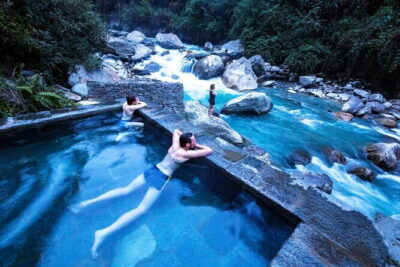
And then, the payoff: you can visit the natural hot springs at Jhinu.
This is the kind of ending that makes your whole trek feel like it had a reason. It’s not just relief after climbing. It’s a real activity that helps your body recover and your brain switch gears.
If you’re traveling in shoulder season or it’s cold at night, hot springs are also a practical reward. Even if you only soak briefly, your legs notice.
Day 9: Nayapul Ending, Easy Descent, and Back To Pokhara
Your final day is an easy descent to Nayapul on the banks of the Modi Khola River. Then you take a private car back to Pokhara, about 1.5 hours, and you’ll be transferred onward after that.
Ending with a gentler walk is smart. It reduces the chance that your trip ends with everyone hobbling around. It also makes it easier to plan your next activity in Pokhara, whether that’s a rest day or a travel connection.
Who This Trek Best Fits (And Who Might Want a Different Option)
This ABC trek fits you if:
- You want a guided experience with permits and daily logistics handled
- You like the idea of trekking through Gurung and Magar villages and not just peak-chasing
- You’re okay spending multiple days in teahouses with included meals
- You want a structured route that still gives plenty of time for scenic stops
It might not fit you as well if:
- You want complete independence and would rather arrange everything yourself
- You know you’ll need extra help carrying gear and you don’t want to pay for a porter
- You’re planning a super tight timeline in Kathmandu, since Kathmandu lodging is not included
Guide and Team Matters: The Human Side You’ll Remember
A lot of the best moments on this trek hinge on the people walking with you. Names that came up include Sona, Shiva, Binod, and porters like Rajendra and Bikash.
What I take from those accounts is that the best guides here focus on comfort and practical choices. People highlighted how guides handled pace, helped find good guesthouses, and treated them like family or trusted companions, not just clients. Others mentioned that Shiva’s team showed strong organization, and that itinerary changes sometimes happen when flight schedules shift.
Even if your trekking style is independent, you’ll probably appreciate having that safety net in the background.
The Big Practical Consideration: Porter Choice and Realistic Packing
The trek includes down jacket and sleeping bag returnable after completion, plus meals and accommodation. That helps a lot.
But your own daypack still matters, and a porter can change how you feel at the end of each day. If you tend to bring extra layers, chargers, or heavier items, consider budgeting for a porter early rather than waiting until you’re already tired.
Also remember: tips for guides and porters are not included. Plan for that so nobody is caught off guard.
Should You Book This Annapurna Base Camp -9 Days Trek?
I’d tell you to book if you want ABC without turning the trip into project management. The included guide, permits, meals, and trekking gear (down jacket and sleeping bag returnable) take away big headache points. The route also feels thoughtfully stitched together, from Poon Hill views to the Sanctuary sunrise day, then down to Jhinu hot springs.
I would not book if you’re determined to go fully self-guided or if you dislike structured itineraries. Also, if you know you will not carry a light daypack, plan for the porter add-on so the trek stays fun instead of painful.
If you’re aiming for an authentic Annapurna experience with strong logistics, this one is hard to beat.
More Tour Reviews in Kathmandu
Not for you? Here's more nearby things to do in Kathmandu we have reviewed


Annapurna Treks from Kathmandu, compared.
 ★ 5.0Annapurna Circuit Trek with Tilicho LakeFrom $1,093368 reviews
 ★ 5.0Annapurna base camp trek 5 DaysFrom $699252 reviews
 ★ 5.0Annapurna Base Camp TrekFrom $935111 reviews
 ★ 5.0Kathmandu to Annapurna Base Camp (ABC) 5-Day TrekFrom $99102 reviews
 ★ 5.0Annapurna Circuit TrekFrom $1,17594 reviews
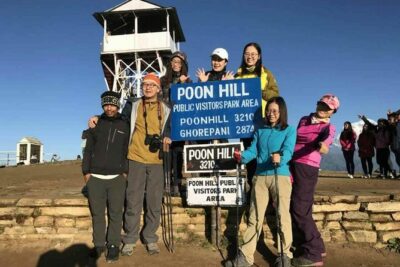 ★ 5.04 Days Poon Hill TrekFrom $40594 reviews
 ★ 5.0Annapurna Base Camp Trek 12 DaysFrom $80085 reviews
Annapurna Base Camp TrekFrom $78581 reviews
★ 5.0Annapurna Base Camp Trek 12 DaysFrom $80085 reviews
Annapurna Base Camp TrekFrom $78581 reviews
Browse the lists this tour appears in