

REVIEW · EVEREST BASE CAMP TREKS FROM KATHMANDU
14 Days Everest Base Camp Trekking
Everest Base Camp starts with logistics that actually make sense. You’ll fly in over big peaks, then ride the adrenaline wave up to Lukla and walk a steady, well-supported route toward Everest Base Camp. What I like most is the built-in pacing for acclimatization plus the calm, hands-on support from an in-person English guide and porter team.
One thing to think about before you book: you’ll need a strong fitness level, and Kathmandu food and lodging are not included, so budget about $45 per day for those days.
Key highlights before you go

- Round-trip flights to Lukla with taxes included, so you are not guessing how to get to the trailhead.
- Certified English-speaking guide plus porter support (a 2 trekkers to 1 porter setup) to reduce the heavy lifting.
- Two acclimatization breaks that help your body adjust before the higher, thinner-air days.
- Everest Base Camp day includes a late-afternoon push to 5,364m with glacier views and dramatic crevasse scenery.
- Kala Patthar morning viewpoint at 5,565m, timed for the classic panoramic shot.
- Permits and national park requirements handled, which saves you time and stress.
Flying Into Kathmandu, Then Immediately Into the Mountains
Your trip is set up to begin with a real wow moment. On a clear day, the flight into Kathmandu brings sweeping, snow-covered peak views down below. Even if you’ve seen Everest on a screen before, the scale hits different when it’s right under your flight path. It’s also a nice mental warm-up, because the rest of the days are all about moving from one altitude jump to the next.
From there, you’re not left to sort out transfers on your own. The package includes private vehicle ground transport from your hotel to the domestic airport and from the domestic airport back to your hotel. That matters more than people think. When your next day starts early, smooth movement cuts down on lost time and avoids last-minute taxi scrambling.
Day 1 also sets expectations for the start. The meeting point is Tribhuvan Airport in Kathmandu, with a 6:15am start time. If you hate waking up on a schedule, now is the time to decide. The trek reward is worth it, but you have to be okay with early mornings.
You can also read our reviews of more hiking tours in Kathmandu
Lukla Flights and the Reality Check of Steep Mountain Runways

Most Everest Base Camp trips live or die by how they handle Lukla. This one includes a round-trip flight Kathmandu to Lukla and Lukla to Kathmandu with departure taxes included. That means your big transport piece is planned, not improvised.
The landing at Lukla is the kind of thing that makes your brain wake up. It’s a steep runway, and you feel it. If you are nervous about flying, bring that to the front of your mind. The good part is that you do it with a guided group, meeting the crew right away after landing so you can focus on getting ready instead of figuring out what comes next.
Once you land, the trek begins fast. On Day 2 you head up the Dudh Koshi Valley on a well-marked route, overnighting in Phakding (about 2,656m). It’s a long day at roughly the 10-hour mark, but it’s intentionally “get moving” rather than immediately brutal. I like this approach because you start building momentum while still having a manageable elevation profile at the beginning.
Practical tip: if you can, choose light daypacks and keep your water within easy reach. The first day of trekking always feels like a test of your habits, not just your legs.
The Dudh Koshi Valley Workhorse Days: Bridges, Villages, and Namche
From Phakding, you move through a classic Khumbu rhythm. Day 3 has you crossing and re-crossing suspension bridges, with the route continuing toward Namche Bazar. Once you pass Monjo (around 2,845m), you enter Sagarmatha National Park, a big deal because it’s tied to protection of the fragile mountain environment.
This is where the trek starts feeling like a place, not just a path. You’re walking through Sherpa villages, seeing lodges, tea shops, and daily life that runs alongside the mountain views. It also helps you get a better sense of where you are headed before you hit the higher, more remote sections.
Day 4 is the first acclimatization day built into the plan. Instead of pushing higher for the sake of pushing higher, you rest in Namche and go to Everest View Point. Namche is tucked between ridges, with the town energy you’d expect at altitude, but the surrounding walls of peak scenery keep reminding you you are not “just hiking.” This is also one of your best chances to slow down, hydrate well, and let your body catch up.
If you want a simple rule for acclimatization days: keep walking light, drink consistently, and don’t treat altitude like it’s a minor inconvenience. It’s not. Even if you feel fine, don’t overdo it on the climb.
Tengboche Views: When the Route Turns Gorgeous and Demanding

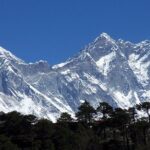
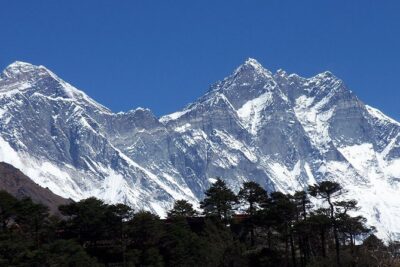
Day 5 brings the first really strong payoff in terms of peak views. From Namche, you contour along the valley side above the Dudh Kosi and head toward Tyangboche. Along the way, you get your first clear look at major Khumbu giants, including Mount Everest, Lhotse, Nuptse, and Ama Dablam.
This is one of those days where the hike can feel long even if it’s not the hardest elevation day. The views pull your attention outward. The trail still asks for good footing and steady effort. In other words, it’s not just a sightseeing walk. It’s a “keep your pace and enjoy it” walk.
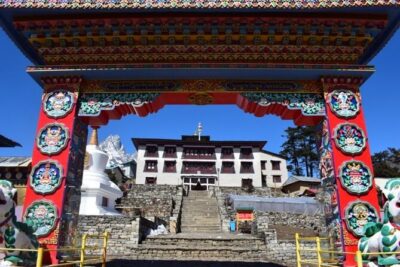
As you get into the Tengboche area, you also start seeing more spiritual landmarks in the form of monasteries and stone details. That blend of faith, village life, and high-altitude travel is part of why people come back to this region. It’s not only about reaching a number on a map.
A note on lodging: you’ll be using best available twin-sharing tea-house accommodation. That’s not a hotel experience, but it’s reliable. Expect simple rooms, warm-ish common spaces when conditions cooperate, and the kind of quiet at night that makes you listen to your own breathing.
Dingboche Acclimatization: Higher, Then Smarter

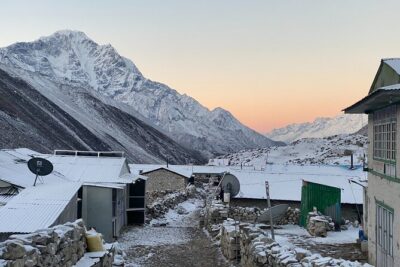
Day 6 transitions you upward with more time on the trail. You descend through forest, cross the Imja Khola, and climb steadily toward the higher village area around 3,985m (often described in this region through Pangboche and the Dingboche zone). You also get standout views, especially tied to the Ama Dablam area, with gompa and stone features that give the villages a distinct character.
Then Day 7 is your official “don’t rush” day. This is a rest and acclimatization day in the Dingboche area. Instead of sitting still all day, you wander up the valley to Tshola Tsho (about 4,510m). You’re also treated to close, dramatic views of peak walls like Cholatse and Taboche, plus the option to climb higher to Nagarjun (around 5,100m) if you feel strong.
Here’s the balanced take: this kind of acclimatization walk is a huge advantage. It trains your breathing without forcing you into a summit-style effort. But it also reminds you to move like a grown-up in thin air. Go slow. Take breaks before you feel wiped out.
Khumbu Glacier Country: Lobuche, Gorak Shep, and the Build-Up to Base Camp

Day 8 continues the climb toward Lobuche. The route moves past impressive peaks like Cholatse and Tawache, then turns toward the Khumbu Glacier with a steep climb toward the glacier foot. You’ll have a lunch stop at Duglha (about 4,620m). This is where it starts to feel colder and more exposed, even if you’ve been tough so far.
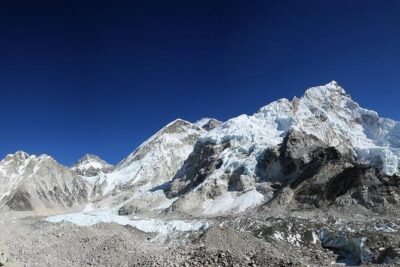
Day 9 is a long and emotionally loaded day. You hike along and around the Khumbu Glacier to reach Gorak Shep (around 5,164m). The trail includes sections where the path rises to cross a tributary glacier, and the scenery becomes more stark and dramatic.
Then you push on to Everest Base Camp at 5,364m. The day’s structure is practical: you stop for lunch at Gorak Shep, then later in the afternoon head to Base Camp. The walk to Base Camp is described as about 5 hours, weaving through ice pinnacles and past crevasses. If you’ve ever wondered what “glacier” looks like at close range, this is where you find out. It’s not the postcard version. It’s real, and it makes your respect level spike.
On the return, there’s a chance to take a higher route for a more spectacular view. This is the one time in the trek where you may feel the temptation to race. Don’t. At this altitude, slow and steady is faster than pushing too hard, then losing energy on the descent.
Kala Patthar Morning: The View That Changes How You Remember Everest

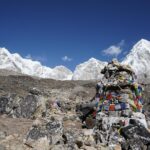
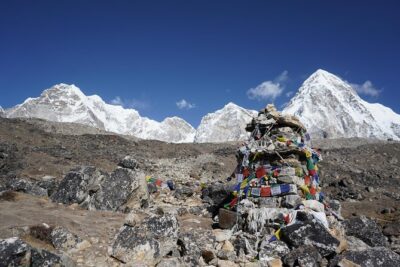
Day 10 shifts gears toward one of the trek’s most famous viewpoints. You hike early to Kala Patthar (about 5,565m) for panoramic views of Everest and surrounding peaks like Nuptse, Amadablam, Pumari, Lola, Lhumbute, and more. The altitude is intense, so your pace matters more than your willpower.
After that, today becomes mostly downhill. You retrace back to Duglha, then descend to Pheriche. This downhill day can feel like relief for your heart, but your knees will still have an opinion. Trekking poles are useful here if you use them well. If you don’t use them now, get good at them before you leave.
This day is also where you start thinking about the finish line, but you still earn the view. That combination is what makes the day feel special, not just tiring.
Back Toward Tengboche and Lukla: Forest, Rhododendron, and a Final Push

Day 11 brings a quieter, more wooded feel. You follow the river, cross it, then climb back up through birch and rhododendron forest toward Tengboche (around 3,860m). You’re not only walking through trees, you’re also re-entering a more village-filled part of the Khumbu where it feels like the trek is winding down.
The views on this day still matter. You get big peak views again, including Kantega, Thamserku, and others mentioned in the route details. So even though you’re going downhill overall over the whole journey, the mountain keeps showing up.
Day 12 is the final trekking day back down to Lukla. The route follows the Dudh Kosi down to around 2,800m. It’s a long day, but it’s the kind that feels celebratory because you can see the end. The plan includes a party with your Sherpa guide on the last evening. That small tradition helps you close the loop emotionally, not only physically.
Kathmandu Wrap-Up: One More Flight, Then Free Time
Day 13 you pack up early and head to the airstrip to fly back to Kathmandu. After touchdown, your day is free. That freedom matters because at the end of altitude travel, you will appreciate normal pace, good hot drinks, and a slower schedule.
Day 14 finishes with transfer to Tribhuvan International Airport for your flight home. The Nepal support team takes you, so you are not stressing over last-minute directions.
One note on costs: Kathmandu food and accommodation are not included in the trek price, listed at $45 per day. If you want a comfortable buffer, you’ll be glad you planned for it.
What You Get for $1,420: A Value Check That’s More Than the Sticker Price
The headline price is $1,420 for 14 days (approx.), and it’s not only “guiding.” A lot of key logistics are included.
Here’s what you’re actually buying value-wise:
- Round-trip flights to Lukla, including departure taxes
- All required permits
- Private vehicle transfers in Kathmandu for airport connections
- Best available twin-sharing tea-house lodging during the trek
- A certified English-speaking guide
- Essential porter support with a 2 trekkers to 1 porter ratio
- Meals during the trek with breakfast (13), lunch (11), dinner (11), plus seasonal fruits
- A first aid medical kit, plus a trekking map and an achievement certificate
- Government taxes and office service charges
And what’s not included, so you can budget honestly:
- Kathmandu food and accommodation at $45 per day
- Travel insurance
- Nepal entry visa (USD 40 for 30 days upon arrival)
- Drinks and personal snacks
- Hot shower during the trek at USD 5 per person
- Personal trekking equipment
- Tips for trekking staff and drivers
My take: this looks like strong value if you want fewer moving parts. In high-effort treks, “almost organized” can turn into wasted time. Here, many of the big-ticket logistics are handled in advance, so your attention stays on the trail and your recovery.
Meals, Lodges, and the Comfort Reality of Tea Houses
During the trek, expect simple but functional tea-house life. You’re getting breakfast, lunch, and dinner on most days, plus seasonal fruit. That helps you keep energy up without negotiating every meal on the fly. It also means your guide can steer the group toward places that fit the schedule.
For comfort, remember what’s included and what costs extra. Hot showers are not automatic. If you want one, there’s a listed USD 5 per person cost during the trek. Plan to pack quick-dry basics so you can feel human even without daily hot water.
Also, twin-sharing rooms are standard. If you hate sharing a room after a hard hiking day, you should consider whether you can upgrade or travel differently. The trip is private, but lodging is still described as twin sharing.
Acclimatization Days: Why This Plan Feels Safer Than Pure Grind
Two built-in days are doing heavy lifting here: Namche rest and Dingboche acclimatization. That’s important because the trek includes high points like Kala Patthar and Base Camp area walking.
The plan doesn’t treat acclimatization as optional trivia. It gives you time to move higher around 4,500m, then rest. It also gives you a chance to do a controlled climb to Nagarjun. That pattern is smart because it lets you adjust without turning every day into a survival exercise.
Also, the route structure includes both glacier proximity (Gorak Shep and Base Camp day) and a major viewpoint climb (Kala Patthar). The more you can keep your body ready for both, the more you enjoy them.
Who Should Book This Trek, and Who Should Rethink It
This trek is for you if:
- You have strong physical fitness and can handle a 14-day plan with long hiking days.
- You like organization that does not require you to figure everything out.
- You want real support, including English-speaking guiding and a porter setup.
It might not be the best fit if:
- You are not comfortable with early starts and long days.
- You want a private experience but with a high-end hotel upgrade level. Tea houses are part of the deal.
- You cannot budget extra for Kathmandu at around $45 per day plus optional hot showers.
If you have kids, older parents, or anyone with slower pacing, private guiding can still work. But you should be honest about fitness and altitude tolerance, because the schedule does not slow down for feelings.
Guides and Support: What the Best Experiences Have in Common
Across past experiences with this operator, the guide support has been a repeated bright spot. Names like Hari and Kapil show up in feedback for smooth logistics and calm on-trail handling. Another name, Namo, is also mentioned with a friendly, family-like guide presence, along with porters Ram and Mongol being praised for their excellence.
Even if you get a different guide, this matters: the tour emphasizes a certified English-speaking professional guide plus a porter team. That combo helps with everything from pacing to morale to practical problem solving when altitude or weather gets a little stubborn.
Should You Book This Everest Base Camp Trek?
I’d book this if you want a solid, well-run Everest Base Camp trek with Lukla flights, permits, meals, and porter support already in place. The value is strongest for people who want less guesswork and more trail time.
Before you click confirm, do two reality checks:
1) Are you truly ready for long hiking days at altitude?
2) Have you budgeted for Kathmandu costs at $45 per day and optional extras like hot showers?
If you answer yes, you’ll be set up for a trek that reaches Everest Base Camp with enough structure to keep you safe and enough flexibility to enjoy the mountains along the way.
FAQ
Where do we meet and what time does the trip start?
The meeting point is Tribhuvan Airport in Kathmandu, and the start time is 6:15am.
How long is the Everest Base Camp trek?
It is listed as 14 days, approximately.
Is pickup offered in Kathmandu?
Yes, pickup is offered, and private ground transport is included from your hotel to the domestic airport and back.
Are round-trip flights to Lukla included?
Yes. Round trip flights Kathmandu to Lukla and Lukla to Kathmandu are included, including departure taxes.
Is there an English-speaking guide and porter support?
Yes. The trip includes 1 professional English speaking certified guide and an essential porter setup with a ratio of 2 trekkers to 1 porter.
Are trek permits included?
Yes. All required permits for the trek are included.
What meals are included during the trek?
Lunch is included on 11 days, breakfast on 13 days, and dinner on 11 days, plus seasonal fruits during the trek.
What does the price not include in Kathmandu?
Foods and accommodation in Kathmandu are not included and are listed as $45 per day.
Do I need a Nepal entry visa?
A Nepal entry visa is required and can be obtained upon arrival for USD 40 for 30 days. It is not included.
Is a hot shower available during the trek?
Hot shower is available for USD 5 per person.
What is the cancellation policy?
You can cancel for a full refund if you cancel at least 24 hours in advance of the experience start time. Free cancellation is offered up to 24 hours in advance.
More Hiking & Trekking Tours in Kathmandu
More Tour Reviews in Kathmandu
Not for you? Here's more nearby things to do in Kathmandu we have reviewed


Everest Base Camp Treks from Kathmandu, compared.
 ★ 5.0Everest Base Camp Trek – 14 DaysFrom $1,8001,499 reviews
 ★ 5.0Everest Base Camp TrekkingFrom $1,350485 reviews
 ★ 5.0Everest Base Camp Trekking – 13 DayFrom $1,399365 reviews
★ 5.0Everest Base Camp Trek -14 DaysFrom $1,420321 reviews
★ 5.0Everest Base Camp Trekking – 13 DayFrom $1,399365 reviews
★ 5.0Everest Base Camp Trek -14 DaysFrom $1,420321 reviews
 ★ 5.0Everest Base Camp Trekking – 2025/2026From $1,339199 reviews
 ★ 5.0Everest Base Camp TrekFrom $1,408193 reviews
14-Days Private Everest Base Camp TrekFrom $1,600152 reviews
★ 5.0Everest Base Camp TrekkingFrom $1,350146 reviews
★ 5.0Everest Base Camp TrekFrom $1,408193 reviews
14-Days Private Everest Base Camp TrekFrom $1,600152 reviews
★ 5.0Everest Base Camp TrekkingFrom $1,350146 reviews
Browse the lists this tour appears in