

REVIEW · EVEREST BASE CAMP TREKS FROM KATHMANDU
14 Days Everest Base Camp Trek
One step into this trek and you feel the pull of Everest fast. You get a guided Everest Base Camp route with thoughtful acclimatization days, plus the big moment viewpoints like Kalapather. What I like most is how the team keeps things organized and calm, with guides who give steady encouragement and prioritize safety, including help from guides like Nabin and Santaji. The main thing to consider is altitude: at this elevation, altitude sickness can affect how far you get, even with the best care.
You also get a practical package for a demanding itinerary. Meals (breakfast, lunch, and dinner) and key logistics like airport pickup and Lukla flight are covered, and you do not have to puzzle out every admin detail yourself. Still, you should plan on extra costs for the essentials that are not in the base price, especially tips, visa, insurance, and any personal spending.
Quick Takeaways Before You Go

- Kalapather sunrise and views at about 5,450m is one of the sharpest photo and motivation moments on the route
- Acclimatization is built in, with rest days that still move you forward safely
- Guides and porters are fully supported, including salaries and expenses, which usually means better consistency
- Altitude is real, and the trek can end early for some people if health requires it
- Food and time are managed, with breakfast, lunch, and dinner included across most trek days
The Big Picture: What Everest Base Camp Gets You in 14 Days

This is not a casual hike with a souvenir shop at the end. The Everest Base Camp trek is a long, high-altitude journey where your main job is to move steadily, rest when it matters, and let your body adjust.
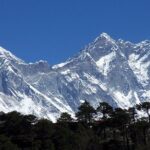
The payoff comes in two parts. First, you gain access to the Everest region in a way most people never will, walking through classic stops tied to Sherpa life and the history of big-mountain climbing. Second, you reach high points where Everest is not just a name on a map. You see it, feel the thin air, and watch the weather shift hour by hour.
Elevation numbers help set expectations. Everest Base Camp is listed at about 5,463m. Kalapather, often used for a close view, is around 5,450m. Even if you are fit, that height is why this trek has a rest-day system instead of a brute-force one.
You can also read our reviews of more hiking tours in Kathmandu
Kathmandu Arrival and the 12:45 PM Start That Sets the Tone
Your trip begins in Kathmandu with a pickup and name-based welcome at Tribhuvan International Airport. The start time is listed as 12:45 pm, so you should build your arrival plans around that. Early or late flights can create stress, and this trek runs on the idea that you get your head and schedule lined up first.
On the first day, you are not tossed into trekking gear and sent off. You are introduced to the operator team from Magic Himalaya Treks and Expeditions. That matters because the route is logistically complex: international travel, domestic flights, and altitude days all add up. Having someone meet you, and having airport pickup/drop included, reduces the chance that one late connection spirals into a messy start.
Day 1, in plain terms
You arrive, you are greeted, and the team gets you positioned for the next flight day.
What to watch for
If you are prone to motion sickness or get anxious with tight timelines, plan a calm first evening. Your body will do better if you sleep, eat normally, and avoid alcohol. You will thank yourself at altitude.
Kathmandu to Lukla: The Domestic Flight and Getting on the Trail Fast
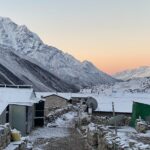
Day 2 is where the trek turns real. After breakfast, a guide comes to the hotel and picks you up. Then you head to the domestic terminal for the flight to Lukla. You meet your porters after landing, and then you start trekking (the day includes trekking downhill to begin the route).
Two things about this segment are worth your attention.
1) Your energy cost is managed: Instead of a multi-day scramble from the lowlands, the flight puts you into the Khumbu system quickly. That is a big value for time.
2) It also puts you near the action immediately: Lukla is the gateway. Weather can affect flights, so being mentally flexible matters.
The overview also highlights the famous, sometimes nerve-rattling nature of the flight landing at Lukla. Whether you feel calm or a little spooked, plan for the fact that this airport is part of the trek’s story, not just transportation.
What I like about the logistics here
The package includes airport pickup and drop on private transportation, and it includes the round tickets for guide and clients as part of the trek plan. That means less scrambling for seats and less negotiating at the airport.
Possible drawback
If weather delays flights in Lukla, your schedule may shift. The experience notes that weather requirements can lead to offering another date or a full refund, so it is not something the operator pretends can always be controlled.
Namche Bazaar (and the Dudhkoshi River): Acclimatize Without Losing the Rhythm

Namche Bazaar is where you start feeling the altitude as a daily theme, not a single event. Day 3 takes you along the Dudhkoshi river, crossing suspension bridges multiple times, with lunch in Jorsella village before continuing toward Namche.
Then Day 4 is a rest day, but it is not a Netflix day. The trek includes an acclimatization walk with options like the Syangboche viewpoint or an Everest view hotel area. The point of these choices is simple: move a little, keep circulation going, and help your body acclimate before going higher.
Why Namche matters
Namche is not only about views. It is a practical altitude checkpoint where your hiking pace becomes slower, your breath becomes more noticeable, and you learn how your body reacts to climbing.
Small benefit you will feel
These rest-day walks tend to make the next stages easier. Instead of arriving exhausted and thinking you missed something, you arrive more prepared because you practiced the routine.
Tyangboche to Dingboche: Everest Gets Personal

Day 5 moves you toward Tyangboche. This is described as the best walk so far, with views of Mount Everest and multiple Himalayan peaks, including Ama Dablam, Thamserku, and Tabauche.
Day 6 then continues to Dingboche, with a shorter walking day listed around 4 hours. You pass Pangboche and Sanasa on the way, and you arrive for lunch and stay overnight.
What makes this stretch special
This is where Everest stops being a distant idea. You start seeing how the valley layout frames the mountain. You also start learning that good pacing beats speed. A shorter day like Dingboche is not a break from the trek, it is part of building your altitude tolerance.
A realistic consideration
You are at high elevation during this part, so even a good day can feel slow. If you expect your legs to work like they do at sea level, this section will teach you otherwise.
Rest Day Hike to Nangkartshang: Training for Thinner Air

Day 7 is another rest day in the schedule, but again, it includes a hike. You go to Nangkartshang hill around 5,000m. This hill gives the best views of the Imja Tse Valley and includes sightlines to peaks like Island Peak, Ama Dablam, and more.
This is the kind of rest day that makes sense. You are not skipping altitude work. You are doing controlled work, at the elevation where you can still manage the climb.
Why this helps most trekkers
If you keep walking in small, controlled ways, your body gets practice without the stress of a big push. That can be the difference between feeling steady and feeling crushed later, especially on the longer days.
Lobuche and Thukla Pass Monuments: Longer Days, Higher Meaning

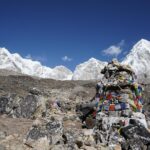
Day 8 goes toward Lobuche, passing Thukla and Thukla Pass. The itinerary highlights monuments made by famous climbers at Thukla Pass, which adds a solemn kind of context to the hike. You have lunch at Laubecha and continue onward.
Day 9 is described as one of the longest days. It starts with a walk toward Gorekshep. You have light lunch upon reaching Gorekshep, then you walk toward Everest Base Camp. The schedule also suggests a base around Gorekshep for the next day’s early morning push.
What you should know before the long day
On a trek like this, fatigue is not just in your legs. It’s in your breathing, your appetite, your patience, and your sleep. The longer day is where the slow training from the rest days earns its keep.
A possible drawback
Long days at altitude can be frustrating if you think of hiking as a time-based sport. Here, it is a breathing-based activity. If you keep that mindset, you will enjoy the experience more.
Everest Base Camp at 5,463m, Then Kalapather Sunrise at 5,450m

Day 9 is the push toward the base area, and Day 10 is the payoff loop. Very early, you hike to Kalapather for sunrise views and mountain views, then you head down to Gorekshep for breakfast.
This is the structure that really works for most people: base camp or the base area moment, then an even more dramatic viewpoint moment just when the light is changing.
Why Kalapather is such a big deal
Kalapather is listed at about 5,450m and is described as the popular and closest view of Everest. Sunrise adds a practical advantage too. At dawn, you often get clearer air and softer light, which makes the views feel sharper and more rewarding even if you are tired.
What I like about this two-day approach
It spreads the emotional peak across two mornings or moments instead of one. That matters because altitude days can be unpredictable. If weather or your body feels off, you still have another chance to see the mountain again under changing conditions.
The Descent Back to Namche and Lukla: Finishing With Your Energy Intact
Day 11 takes you down toward Namche Bazaar passing Pangboche and Tengboche. Lunch is at Phortse Tangha, and you enjoy bars and pubs upon reaching Namche. Then you overnight in Namche.
Day 12 is your final trekking day. You trek about 7 hours from Namche to Lukla, with lunch at Phakding. The day ends with celebration and encouraging porters, which is a nice reminder that this is a team effort.
Why the down days feel different
Your body often feels better on the way down, but your knees can complain. Since the plan includes a steady descent with a final trek day, it makes sense to use trekking poles if you have them. Keep steps short and controlled.
What you will notice on the descent
You see the route shift from effort to familiarity. Stops start to feel like milestones instead of obstacles.
Kathmandu Rest Days: The Recovery Phase You Should Actually Use
Day 13 is travel back to Kathmandu. After breakfast you head to the airport depending on flights. Once in Kathmandu, a driver picks you up and transfers you to the hotel. You then have a full rest day, with accommodation and breakfast provided.
Day 14 is your final day, essentially a fly-home day with breakfast provided.
Why I recommend you use Day 13 on purpose
Altitude can leave you tired longer than you expect. Day 13 is the buffer that keeps the trek from turning into a straight line back into busy city life.
This is also where you can start noticing the trek’s deeper value: your sleep improves, your appetite comes back, and the experience becomes easier to talk about.
Meals, Medical Kit, and the Safety Reality Check
This trek includes meals. The plan lists dinner (13), lunch (11), and breakfast (13). That matters because food is part of altitude management. When you are already managing breathing and pacing, you do not want to also make hard choices about meals every day.
You also get a medical kit box and required medicine for the trek. That is important on a route where basic first aid and common trek medicines matter.
What is not included
Rescue operation in case of emergency is not included. That does not mean you are left hanging. It does mean you must treat travel insurance as non-negotiable for a high-risk trek like this.
Price and Value: Is $1,680 a Good Deal for a 14-Day EBC Trek?
At $1,680 per person, you are paying for a fairly complete guided package. Here is what stands out as real value:
- Government fees including Khumbu Municipality charges and Sagarmatha National Park entrance fee
- Guide and required porters with all their salary and expenses
- Transportation logistics: air-conditioned vehicle in Kathmandu to Lukla, plus round tickets for guide and clients
- Airport pickup and drop on private transportation
- Meals: breakfast, lunch, and dinner across the trek days
- Medical kit and required medicine
So what is the catch? The cost you see is not the full cost you will pay.
Not included items list includes personal expenses, and tips for guide and porters are compulsory. It also excludes bar bills (alcoholic and non-alcoholic drinks.), rescue operations, and extra items during breakfast, lunch, and dinner. You also still have to cover the Nepal entry visa fee, and travel insurance for the trek plus international flight and departure tax.
How to think about value
If you want to minimize uncertainty and avoid last-minute costs, this price looks structured to do that. If you already have your own guide, porters, domestic flights, and insurance sorted, you might compare cheaper on paper. But on this route, the real savings often disappear once you add up gaps.
Magic Himalaya Treks: What the Reviews Reveal About Service
The reviews give a clear pattern: the guides are professional, and they focus on people, not just checklists. In multiple writeups, people praise how nothing feels too much trouble and how encouragement is gentle but consistent.
Names show up too. Nabin and Santaji are highlighted as helpful, and Shantas is praised for organization and care. One review also notes that safety was prioritized throughout the trip.
There is also a more sober point worth respecting. One reviewer could not reach Everest Base Camp due to altitude sickness, but still described the support experience positively. That is not a small detail. It tells you the operator is not just selling success, they are managing health outcomes when they happen.
Who Should Book This Trek, and Who Should Reconsider
This trek is listed for travelers who should have strong physical fitness. Even with a good itinerary, you still must hike in thin air for multiple days.
It is best suited for you if:
- You want a classic Everest route with built-in acclimatization walks
- You prefer guided support and structured logistics, including airport pickup and meals
- You are comfortable with a slow, breath-focused hiking style
- You value professional teamwork and safety attention, with encouragement along the way
You might reconsider if:
- Altitude is a known issue for you, or you have a medical condition that could be affected by high elevation
- You are not prepared for the possibility that you may not reach the highest points if your health requires adjustments
- You cannot get travel insurance for a trek of this type
Should You Book This 14-Day Everest Base Camp Trek?
If you want a solid, organized guided trek to Everest Base Camp with Kalapather sunrise as a highlight, this looks like a good match. The package includes the big cost drivers that usually create chaos on group treks: domestic flight logistics, meals, guides, porters, and government fees.
I would book it if you can commit to the fitness side and you treat altitude as a health-first challenge. I would not book it only if you are hoping for a guaranteed summit experience regardless of how your body reacts. On this route, nature has the final say.
FAQ
What city does this trek start from?
The trek is based in Kathmandu, Nepal.
What is the start time?
The start time is listed as 12:45 pm.
Do you get airport pickup in Kathmandu?
Yes. The package includes airport pickup and drop on private transportation.
How do you get from Kathmandu to Lukla?
You fly from the Kathmandu domestic terminal to Lukla, and then you start trekking.
What elevations are listed for Everest Base Camp and Kalapather?
Everest Base Camp is listed at 5,463 meters, and Kalapather is listed at 5,450 meters.
What meals are included?
Breakfast is included 13 times, lunch 11 times, and dinner 13 times.
Is there medical support included?
Yes. The tour includes a medical kit box and required medicine for the trek.
What costs are not included in the $1,680 price?
Not included are personal expenses, tips for guide and porters (compulsory), bar bills, rescue operation in an emergency, and extra items during breakfast, lunch, and dinner.
Do I need Nepal entry visa and travel insurance?
Yes. Nepal entry visa fee and travel insurance for the trek are listed as not included.
What happens if weather is poor or the minimum travelers is not met?
If canceled due to poor weather, you are offered a different date or a full refund. If the minimum number of travelers is not met, you are offered a different date or a full refund.
More Hiking & Trekking Tours in Kathmandu
More Tour Reviews in Kathmandu
Not for you? Here's more nearby things to do in Kathmandu we have reviewed


Everest Base Camp Treks from Kathmandu, compared.
 ★ 5.0Everest Base Camp Trek – 14 DaysFrom $1,8001,499 reviews
 ★ 5.0Everest Base Camp TrekkingFrom $1,350485 reviews
 ★ 5.0Everest Base Camp Trekking – 13 DayFrom $1,399365 reviews
★ 5.0Everest Base Camp Trek -14 DaysFrom $1,420321 reviews
★ 5.0Everest Base Camp Trekking – 13 DayFrom $1,399365 reviews
★ 5.0Everest Base Camp Trek -14 DaysFrom $1,420321 reviews
 ★ 5.0Everest Base Camp Trekking – 2025/2026From $1,339199 reviews
 ★ 5.0Everest Base Camp TrekFrom $1,408193 reviews
14-Days Private Everest Base Camp TrekFrom $1,600152 reviews
★ 5.0Everest Base Camp TrekkingFrom $1,350146 reviews
★ 5.0Everest Base Camp TrekFrom $1,408193 reviews
14-Days Private Everest Base Camp TrekFrom $1,600152 reviews
★ 5.0Everest Base Camp TrekkingFrom $1,350146 reviews
Browse the lists this tour appears in