

REVIEW · EVEREST BASE CAMP TREKS FROM KATHMANDU
14 Days Everest Base Camp Trek
Everest starts with a short, bouncy flight. This trek is interesting because you’re not just chasing a summit, you’re walking through Sagarmatha National Park with a smart acclimatization rhythm that builds toward Everest Base Camp and the big viewpoint days. I also love the clear logistics and included support, from airport transfers to a licensed guide and porter system, so you spend less energy figuring things out and more energy moving.
One consideration: altitude hits even if you’re fit. Expect cold mornings, busy high-elevation lodges, and the need to follow the pacing your guide sets, especially on the acclimatization days.
Key Highlights You’ll Notice Fast

- Licensed guide + porter coverage: one porter shared between two clients, so your pack stays manageable.
- Drive to Ramechhap then fly to Lukla: reduces the long overland slog and saves time before the trekking really starts.
- Namche Bazaar acclimatization with Everest View Hotel: a practical day for breathing easier and getting big views.
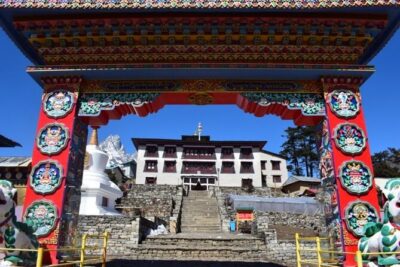
- Tengboche monastery area: where prayer flags, stupas, and serious Himalayan scenery mix in a calm, sacred setting.
- Kala Patthar at 5,545 meters: the trek’s highest-attention morning for wide 360-degree views.
- Eco Nepal Trekkers organization: strong customer-care themes show up in past feedback tied to guides like Prayash and the owner Pemba Tamang.
The Real Deal: What This Everest Base Camp Trek Is

This is a classic Everest Base Camp route with a thoughtful, time-tested pace. You’ll start in Kathmandu, fly into Lukla, and gradually work your way up through Sherpa communities and high-elevation valleys until the trail turns into glacier scenery.
What I like most for you is the balance of structure and freedom. The itinerary gives you rest and acclimatization days where they matter, like Namche Bazaar and Dingboche, but you still get to enjoy the day-to-day rhythm of tea houses, prayer flags, and the slow build of views. The included meal plan also helps a lot. When breakfast, lunch, and dinner are covered on trek days, you avoid the constant decision fatigue.
You can also read our reviews of more hiking tours in Kathmandu
Kathmandu First: Thamel Is Your Easy Start
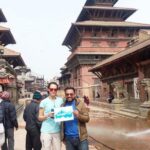
Day 1 is about getting set up, not pushing altitude. You’ll be picked up at the airport and taken to a 3-star hotel in Thamel, then you’ll have time in the afternoon to get your bearings.
Why this matters: Thamel makes it easy to pick up last-minute trekking basics if you find something missing. You also get a calm buffer day before the Lukla timing pressure starts.
On Day 13 and Day 14, Kathmandu becomes your decompression zone again. After the trek, you’ll return by flight when weather and availability allow, then you’ll have time for shopping before your final airport transfer about three hours before departure.
The Lukla Jump: Why the Drive-Then-Flight Plan Helps
Day 2 is where the trek truly begins, even though you’re still on transport. You drive from Kathmandu to Manthali, Ramechhap for about 4 to 5 hours, then fly around 20 minutes to Lukla.
This is a key detail for your planning. The Lukla flight is short, but it’s the kind of segment where weather can matter, so the earlier drive and the included domestic flight ticket help reduce the chaos. Once you’re in Lukla, you transition into the walking portion toward Phakding, which gives you a gentle on-ramp after the travel day.
Phakding To Namche Bazaar: Park Gates and Real Uphill

From Phakding, you’ll head toward Namche Bazaar with stops that put you right into the Everest region’s character. Day 3 includes passing through Sherpa communities like Benkar and Chumoa, then arriving at Monjo, the entrance area to Sagarmatha National Park.
That park entrance moment matters. It’s a mental switch from travel mode into trek mode. After Monjo, the trail has steep uphill sections and your body starts learning the rhythm of higher altitude, even before Namche.
Day 3 ends with your arrival at Namche Bazaar, the hub you’ll keep returning to. It’s also where the trail stops feeling like a series of villages and starts feeling like a real route full of trekkers, lodges, and everyday Everest logistics.
Namche Bazaar Acclimatization With Everest View Hotel

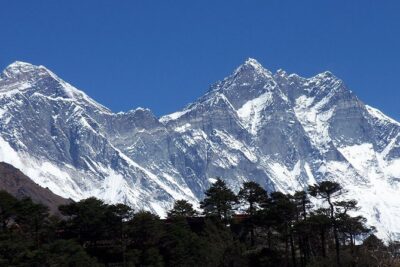
Day 4 is one of the most valuable days on the itinerary because it turns acclimatization into a view day. You walk to the Everest View Hotel for wide-ranging outlooks, including sights of Ama Dablam, Thamserku, Everest, and Nuptse.
Why you’ll thank yourself later: acclimatization isn’t just about taking it easy. It’s about moving enough to stay loose, while not overreaching. A day like this gives you that balance. You also get a big reward for your effort, so the acclimatization choice feels worth it, not like you’re being held back.
If you’re sensitive to altitude, follow your guide’s pacing here. Don’t treat it like a photo sprint.
Tengboche: Prayer Flags, Stupas, and a Softer Day

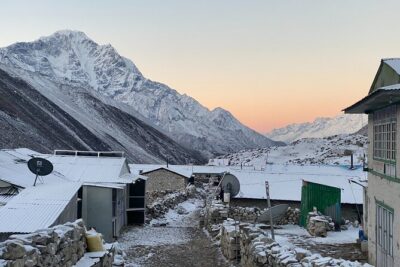
Day 5 brings you to Tengboche, and it’s described as a more leisurely walk with fewer steep sections. That’s exactly what you want at this stage: still moving forward, but with less stress after Namche.
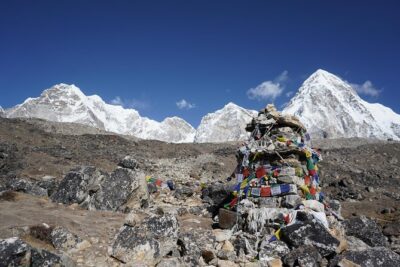
This area is known for the monastery setting, with prayer flags and stupas in the mix. The reward isn’t only scenery. It’s the change in tone. The walk and the village atmosphere feel more contemplative than the higher-energy bazaars.
For your photos, this is one of the friendlier days. You’ll pass visual anchors like Ama Dablam angles, plus plenty of iconic shapes: flags, walls, and the monastery grounds. And because the itinerary is built around good pacing, you’re more likely to arrive feeling steady, not wrecked.
Dingboche and Nagarjun Hill: A Rest Day That Still Works

Day 6 and Day 7 revolve around Dingboche, and this is where the itinerary shows real sense. You travel through villages like Pangboche, where you get views of Mt. Ama Dablam along with chortens and mani walls.
Day 7 then becomes the acclimatization focus day. You go easy, but you stay active with a quick hike to Nagarjun Hill at about 5,100 meters. You’re rewarded with strong panoramas for your effort.
This is how you should think about a “rest day” on Everest. It isn’t couch time. It’s controlled movement plus an early focus on sleep and hydration. If you feel any altitude warning signs, tell your guide right away and slow down.
Lobuche And Gorakshep: The Trail Narrows Into Glacier Country

By Day 8, you’re heading toward Lobuche through Pheriche Valley. The route includes a gradual ascent through alpine brush and yak pastures, with big Himalayan views like Ama Dablam, Tawoch, and Cholotse.
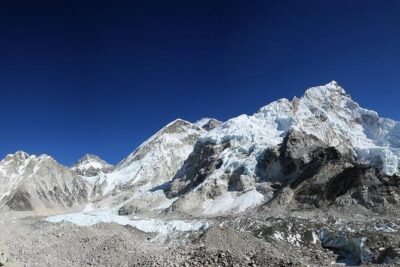
Day 9 is the turning point day because it sets up your arrival near Everest Base Camp. You’ll trek to Gorakshep, described as being on the lateral moraine of the Khumbu Glacier, surrounded by snow-capped mountains.
This glacier-zone detail is important for your expectations. The environment feels harsher and more exposed, and your sense of distance changes. Even if your daily hiking time feels similar to earlier days, the terrain and cold can make the same effort feel heavier.
Kala Patthar At Dawn: When The Views Feel Total
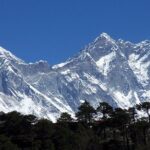
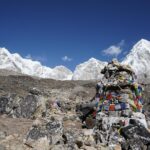
Day 10 is the big “highest point” push: you start before dawn for a strenuous walk to Kala Patthar, at about 5,545 meters. You’re chasing a 360-degree panorama that includes Everest, Nuptse, Lhotse, and Ama Dablam, among other major peaks.
This is the day you plan for in your head. Your goal isn’t only altitude. It’s also early timing, cold conditions, and steady breath control. If you do Kala Patthar well, the rest of the trip feels easier because the main reward is already in your pocket.
Once this day is done, you’re moving into the home stretch. Even though the trail continues to be demanding, the emotional load lightens. You’ve reached the viewpoint that most people dream about.
The Return: Namche Back, Lukla Again, Kathmandu Finish
Days 11 and 12 bring your descent and final walking chapters. Day 11 heads from the higher region toward Namche Bazaar. The trail is described as declining with some uphill stretches, and the forests and flora start returning, which helps the mental side of the trek.
Day 12 follows the same path back to Lukla, described as the last day of hiking. When you arrive, you relax and take the win of a good night’s sleep, because tomorrow is travel home, not trekking.
Day 13 is the Kathmandu return flight based on flight availability and weather. If flights don’t line up, your itinerary notes the alternative route via Manthali Airport. Either way, you’ll have time for shopping in Kathmandu before your final departure.
Price and Logistics: Is $2,200 Good Value?
At $2,200 per person, the value depends on what you’d otherwise pay to assemble the trek yourself. This package includes a lot of the cost drivers for an Everest Base Camp itinerary.
Included items that carry real weight:
- Domestic flights (LUK to RMH to LUK) with domestic airport tax
- Permits for Sagarmatha/Everest National Park and TIMS
- Licensed trekking guide
- Porter support (one porter shared between two clients)
- 2 nights in Kathmandu at a 3-star hotel with breakfast
- Meals during the trek (breakfast, lunch, dinner)
- Farewell dinner and an achievement certificate
- Staff wages, accommodation, meals, and gear insurance costs
What’s not included, and you should plan for:
- Nepal entry visa fee and your international flight
- Travel insurance with high-altitude emergency evacuation coverage
- Personal trekking gear
- Hot showers, WiFi, and drinks bills, plus other personal items
- Tips for guide, porter, and driver
- Alcohol, mineral water, hot water, coffee, and other beverages
For most people, the “included permits and flights” part is the biggest win. You can easily spend time and money trying to line those up, and permits are not something you want to improvise at the last minute.
Who This Trek Fits Best (And Who Might Struggle)
This trek asks for moderate physical fitness. That doesn’t mean it’s easy, it means you don’t need to be a mountaineer. You do need the basics: walking consistency, comfort with steep uphill and cold mornings, and the discipline to acclimatize rather than race.
It also requires a minimum of two travelers, and it’s described as a private tour, meaning only your group participates. That private setup is great for you if you want a pace that matches your group, and if you want fewer surprises around logistics.
If you’re traveling solo and thinking, you’ll need to match with a group or find a shared booking, since the trip needs at least two travelers to run.
Guide and Porter Support: The Human Part That Gets Praised
The biggest recurring theme in feedback tied to this local operator is organization and customer care. One past trek feedback explicitly called out guide Prayash for real support during the journey, and the owner Pemba Tamang is directly mentioned as customizing trips and taking care of details.
Even when you don’t know your guide personally, that track record matters. A licensed guide changes your experience in practical ways, like pacing, route decisions, and how well you handle altitude days. The porter part matters too, since sharing the load keeps your energy for the trail, not for hauling your own gear up and down mountain villages.
Should You Book This Everest Base Camp Trek?
You should book this trek if you want a well-structured Everest Base Camp experience with included permits, domestic flights to Lukla, and day-by-day support from a licensed guide and porter. The route choices for Namche and Dingboche acclimatization, plus the big payoff day at Kala Patthar, are built around making the altitude work.
Skip or reconsider if you hate cold starts, struggle with steep uphill days, or you haven’t planned for altitude discipline. Also make sure you budget for the items not included, especially travel insurance with high-altitude evacuation coverage and your trekking gear.
If you’re asking, will this feel like a real Himalayan journey and not a chaotic scramble? The answer is yes, especially because the logistics and pacing are taken seriously.
FAQ
What locations are included in the trek?
The trip is based in Kathmandu, with trekking through the Everest region via Lukla, Phakding, Namche Bazaar, Tengboche, Dingboche, Lobuche, Gorakshep, Everest Base Camp, Pheriche, and back toward Lukla, then returning to Kathmandu.
Is airport pickup included?
Yes. The tour includes airport pick up and drop off via private vehicle in Kathmandu.
How do you get from Kathmandu to Lukla?
You drive from Kathmandu to Manthali, Ramechhap for about 4 to 5 hours, then fly for about 20 minutes to Lukla.
Is a guide and porter included?
Yes. The trek includes an experienced licensed trekking guide, and a porter is available. The porter assignment is one porter for two clients.
What permits are covered?
The tour includes necessary permits for Sagarmatha/Everest National Park and TIMS.
Where do you stay in Kathmandu, and is breakfast included?
You get 2 nights in a 3-star hotel in Kathmandu on a twin sharing basis with breakfast.
What meals are included during the trek?
Breakfast, lunch, and dinner are included during the trek.
What is not included in the price?
Not included are Nepal entry visa fees, international flight fare and airport departure tax, travel insurance (including high-altitude emergency evacuation coverage), personal trekking gear, lunch and dinner in Kathmandu, hot shower, WiFi, bar and beverages bills, and tips for guide, porter, and driver.
What fitness level do I need?
You should have a moderate physical fitness level for this trek.
What is the cancellation policy?
You can cancel up to 6 days in advance of the experience for a full refund. For a 50% refund, cancel 2 to 6 days before the start time. Less than 2 days before the start time is not refunded. Cut-off times are based on local time.
More Hiking & Trekking Tours in Kathmandu
More Tour Reviews in Kathmandu
Not for you? Here's more nearby things to do in Kathmandu we have reviewed


Everest Base Camp Treks from Kathmandu, compared.
 ★ 5.0Everest Base Camp Trek – 14 DaysFrom $1,8001,499 reviews
 ★ 5.0Everest Base Camp TrekkingFrom $1,350485 reviews
 ★ 5.0Everest Base Camp Trekking – 13 DayFrom $1,399365 reviews
★ 5.0Everest Base Camp Trek -14 DaysFrom $1,420321 reviews
★ 5.0Everest Base Camp Trekking – 13 DayFrom $1,399365 reviews
★ 5.0Everest Base Camp Trek -14 DaysFrom $1,420321 reviews
 ★ 5.0Everest Base Camp Trekking – 2025/2026From $1,339199 reviews
 ★ 5.0Everest Base Camp TrekFrom $1,408193 reviews
14-Days Private Everest Base Camp TrekFrom $1,600152 reviews
★ 5.0Everest Base Camp TrekkingFrom $1,350146 reviews
★ 5.0Everest Base Camp TrekFrom $1,408193 reviews
14-Days Private Everest Base Camp TrekFrom $1,600152 reviews
★ 5.0Everest Base Camp TrekkingFrom $1,350146 reviews
Browse the lists this tour appears in