

REVIEW · EVEREST BASE CAMP TREKS FROM KATHMANDU
12 Days Everest Base Camp Trekking
Everest can feel close on day one. This 12-day Everest Base Camp trek pairs an early Lukla flight with a licensed, English-speaking guide and the kind of steady planning that keeps you moving at mountain pace. I also love that all meals in local teahouses are included, so you can focus on the trail instead of budgeting lunch every day.
The main thing to consider is that the plan depends on weather and altitude timing, and you will feel the thin air if you push too fast.
Key highlights at a glance

- Early start to Lukla to maximize daylight and get your trek underway
- Two acclimatization days in Namche Bazaar and Dingboche to reduce altitude stress
- All meals included in teahouses (with tea or coffee at breakfast)
- Sagarmatha National Park permit and TIMS card handled for you
- Pulse oximeter included in the basic first aid kit for altitude monitoring
- Guide support you can actually talk to, including optional hikes for views
Everest Base Camp trek: where this route really shines
If you are chasing Everest views, this trek gives you a classic Khumbu flow: village days, acclimatization days, then the long day to Gorak Shep and the final big-sight moments. What makes this specific 12-day plan feel practical is how often it schedules time to adjust to altitude, not just time to walk.
You get a guided setup in Kathmandu first, then you transfer to the airport and fly to Lukla at the start. After that, the itinerary builds in a gradual climb with real breaks. That matters because the Everest Base Camp trek is not only a legs test, it is a breathing test.
Also, because your trek includes permits and planned meals, you spend less mental energy on admin and more on the actual mountains. That is not glamorous, but it is exactly what you want at 4,000 m plus.
You can also read our reviews of more hiking tours in Kathmandu
Kathmandu to Lukla: the short flight that sets the tone

Day 1 is all about momentum. Your guide picks you up from your Kathmandu hotel, then you drive to the airport for an early domestic flight to Lukla, around 2,800 m (9,184 ft). Lukla is one of the defining “wow” moments of this region, because even before you hike, you are already in the high, rugged mood.
Once you land, the trek begins with Lukla to Phakding. This first leg is often about getting your rhythm. You will likely feel the change in air and temperature more than anything dramatic on the trail, which is fine. I like that Day 1 is not written as a brute-force start, because you will earn your breath later.
A practical note: domestic flights can be weather sensitive. When weather is bad, plans can shift. The good news is that the itinerary is built as a full trek experience, not a single-day gamble.
Phakding to Namche Bazaar: bridges, river crossings, and your first real climb
On Day 2, you move from Phakding to Namche Bazaar, the main trading hub of the Khumbu region. The trekking time is listed at about 7 hours, and the trail includes several suspension bridges, plus gradual climbing.
This is a big “gear check” day. You will notice how your boots feel after a few hours on uneven ground, and you will learn how your pace changes when the trail tilts up. Suspension bridges also make you pay attention to balance. It is not scary, but it is enough to make you respect footing.
Namche Bazaar itself is where the trek starts to feel like a real ecosystem, not just a trail. Teahouses, shops, and busy cross-traffic make it feel like you are entering a living high-mountain community. And once you arrive, you are close to the next step: acclimatization.
Namche acclimatization day: Everest View Hotel timing matters

Day 3 is your acclimatization day in Namche Bazaar, and it is one of the most valuable pieces of this itinerary. The plan includes an optional hike to Everest View Hotel for panoramic views of Everest and surrounding peaks.
The point of this day is simple: altitude needs time. Staying in Namche helps your body adjust while you still get to move around a bit. If you are new to trekking at elevation, this day can feel like a “rest day,” but it is really an adjustment day. A short hike with great payoff is the sweet spot.
If you choose the Everest View Hotel option, treat it like a slow climb. You want to arrive at the top feeling like you could do more, not like you are wrecked. The views are a bonus, not a reason to overdo it.
Through Sagarmatha National Park: the day views meet the forest

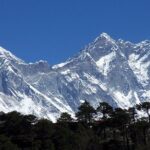
Day 4 steps into Sagarmatha National Park, and the day is described as panoramic on the approach to higher country. You will get views of Everest, Nuptse, and Ama Dablam en route, then descend about two hours through rhododendron forest before climbing up to the next stop area around 8 hours total.
This mix is one of the reasons the Khumbu route works. You see big peaks while also walking through varied terrain. Forested sections can also mean slightly more comfortable footing and sometimes a calmer microclimate, even when the overall altitude is rising.
The main drawback to watch for on days like this is mental. When you get beautiful views, it is easy to speed up because the trek feels like it should be exciting every minute. It should be exciting, yes, but keep your pace controlled. Your legs will thank you on Day 8 and Day 9.
Dingboche: where the valley opens and altitude asks for patience

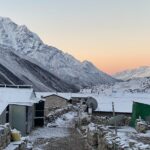
Day 5 brings you to Dingboche. This village sits in the Khumbu Valley, and the itinerary highlights panoramic views, including Island Peak and other Himalayas. The trek is about 8 hours and includes mixed terrain, described as alpine forest and barren land, plus crossing trails along the way.
Dingboche is where many people feel the altitude more clearly. It is not just higher elevation, it is also how your body responds once you have already been walking at height for several days. This is where I would remind you to drink regularly and eat what you can. You do not need huge meals, but you do need energy.
Then Day 6 repeats Dingboche as a second acclimatization day. That might sound like extra time sitting around, but it is actually a smart trade. You are buying safer hiking later.
Second Dingboche acclimatization: Nagarjun Hill and Chukhun options

On Day 6, the plan is built specifically for acclimatization to prevent altitude problems. You stay in Dingboche, with optional hikes such as Nagarjun Hill or Chukhun Khola.
Think of this day as body maintenance. The more slowly you acclimatize, the better you tend to feel when the route gets steeper and colder. Even if you skip the optional hikes, the day is not wasted. Rest, hydration, and eating properly are part of the schedule.
If you do go for one of the optional hikes, keep it gentle. The goal is to return to your teahouse feeling okay, not defeated. The prize later is not the hike today, it is the summit-style sunrise views on Kala Patthar.
Toward the Khumbu Glacier: rocky terrain and glacial moraines

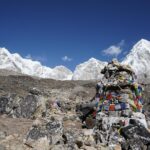
Day 7 is where the trek leans into harsher scenery. You start early by crossing the Khumbu River, then ascend gradually through rocky terrain and glacial moraines. The itinerary notes views of the Khumbu Glacier and surrounding peaks, with about 8 hours on the schedule.
This day can feel like a shift from village-to-village walking into more rugged high-mountain trekking. Mornings tend to be colder, and your legs might feel tight after the earlier acclimatization days. Good footwear and steady steps matter here.
It is also a mental change day. Moraines are a reminder that this landscape is shaped by ice and time, not just “pretty scenery.” If you keep your stride even and avoid sudden effort, you usually feel better than you expect.
Lobuche to Gorak Shep, then Everest Base Camp
Day 8 is the big one. You trek from Lobuche to Gorak Shep, described as the final settlement before Everest Base Camp. You reach Gorak Shep, have lunch, settle your bags, then continue to Everest Base Camp to explore and soak in the atmosphere.
The reason this day feels special is that it combines arrival logistics and the payoff moment in one flow. Gorak Shep is not comfortable like a town, but it is an important staging point. You will likely notice how cold it feels once the day’s warmth fades.
Everest Base Camp is not just a photo stop. You are walking into a place that feels both remote and busy, with expedition history in the background. This is where your patience pays off from earlier acclimatization days.
Practical tip: keep your energy for the walk from Gorak Shep to Base Camp. Then after Base Camp, pace yourself during exploration. Do not sprint for views, you will regret it when the cold hits.
Kala Patthar sunrise: the best views are often early
Day 9 centers on sunrise views from Kala Patthar. The plan includes an early-morning hike to Kala Patthar for excellent views over Everest, Lhotse, and other peaks. After that, you return to Gorak Shep.
Kala Patthar is famous for a reason. Sunrise here tends to feel like a mountain light show, and the ridge perspective can make Everest look more three-dimensional than you expect. This is also one of the hardest mornings, because you hike in colder, darker conditions.
One item in the itinerary heading mentions a helicopter landing at Kala Patthar. The schedule describes it alongside the sunrise plan, so if that part matters to you, I would ask your guide or operator to clarify what is actually included for your specific group and day.
Either way, the core value of Day 9 is clear: controlled effort for a view that feels worth the early wake-up.
The long descent out: Sagarmatha National Park and knee care
Day 10 is mostly about coming down. Descending is described as easier than ascending, but you still need careful steps and balance. The itinerary specifically notes that knee problems can hurt, so take that seriously.
This is where trekking poles earn their keep. Even if you are not used to them yet, consider using them. The wrong move on a descent can be a delayed payoff, meaning you feel it the next day.
The day still includes scenic time in Sagarmatha National Park, so it is not a boring slog. But it is a day to slow down. Your mind may want to “be done,” but your knees are not on the same timeline as your motivation.
Final trekking day and a mountain celebration
Day 11 is shorter, about 6 hours, and it is your final trek day on this route. The plan suggests you can spend the evening celebrating your success with your trekking companion, your guide, and porters.
This is a nice emotional close to a trek that can otherwise feel like a blur of stairs and cold air. If you have been sick, slow, or anxious at any point, this is the day you can finally exhale. Even if you feel tired, the sense of completion is real.
Treat the evening as a chance to check in with your guide about how you are feeling. If you need any last advice for the flight day, ask now.
Back to Kathmandu: flight, hotel comfort, and a real rest day
On Day 12, the plan is to take an early morning flight to Kathmandu, then transfer back to your hotel. You get time for leisure, and it even notes the option of relaxing foot and body messages. A farewell dinner is also organized.
This is the day where your body catches up. After days of teahouse sleeping and constant walking, you will feel every muscle, especially if the descent got you.
I like that the trek ends with an actual Kathmandu day rather than rushing you out the door. Use this time to hydrate, eat something normal (within reason), and take a deep breath. Then you can plan what you want to remember, not just what you want to recover from.
What you actually get for the price, and what you still manage yourself
At $1,399 per person for about 12 days, you are paying for a full, guided Everest Base Camp trekking package that removes a lot of uncertainty. Included features are strong for value, especially if you do not want to coordinate permits, flights, meals, and daily logistics yourself.
Here is what is clearly included:
- Airport pick-up and drop-off in Kathmandu
- One night deluxe hotel in Kathmandu with breakfast
- Round-trip domestic airfare between Kathmandu (or Ramechhap during peak season) and Lukla
- Twin-sharing teahouse rooms during the trek
- All meals during the trek (breakfast, lunch, dinner) plus tea or coffee with breakfast
- Licensed English-speaking guide, with their salary, meals, accommodation, equipment, and insurance covered
- Permits including Sagarmatha National Park permit and TIMS card
- A basic first aid kit that includes a pulse oximeter to monitor altitude-related oxygen levels
- Government taxes and official service charges
What is not included (and you should plan for):
- International airfare to and from Nepal
- Nepal entry visa fee (available on arrival)
- Travel and medical insurance, which is strongly recommended
- Porter service (available upon request)
- Personal expenses such as snacks, drinks, laundry, hot showers, and Wi-Fi
- Tips for guides and support staff, customary and appreciated
My take on the value: the strongest part is the combination of Lukla flights, permits, and meal planning. Those are the things that can derail a DIY attempt. If you want the classic EBC experience without the admin headaches, this package is built for you.
Solo, couples, or small groups: how the private setup changes the feel
This is listed as a private tour/activity, meaning only your group participates. That can be a plus if you want a bit more control over pace and decisions like optional viewpoint hikes.
Your trek is also supported by an English-speaking guide, and the structure includes acclimatization time and planned days for both views and recovery. One of the reviews mentioned a guide named Ramchandra, which is a good sign you can have a human voice, not just a checklist.
If you have never done a high-altitude trek before, having a guide who can explain what to watch for helps. It can also reduce the stress of making gear and pacing choices on the fly.
Who should book this 12-day Everest Base Camp trek
This trek fits best if you:
- Want a classic Everest Base Camp route with established acclimatization stops in Namche and Dingboche
- Like the idea of having permits handled, meals planned, and daily logistics arranged
- Have moderate physical fitness and understand that altitude requires patience
You might choose something else if you:
- Want full independent travel with no guide coordination
- Are looking for luxury comforts on the trail, because teahouses are basic by nature and the main focus is the route and experience
Should you book Blissful Himalayas for this Everest Base Camp trek?
If your goal is Everest Base Camp without turning your trip into a project, this package makes a lot of sense. The inclusion of Lukla flights, permits, and all trek meals handles the parts that usually cause the most friction. The itinerary also respects acclimatization with dedicated days, which is exactly what you want for a safer, more enjoyable trek.
I would book if you are ready for mountain reality: cold mornings, careful descending, and altitude timing that you cannot outsmart. Ask questions early about anything important to you, like the optional viewpoint hikes, and confirm any details around the Kala Patthar helicopter item listed in the schedule.
If that all sounds right, you are set up for a memorable Everest Base Camp journey with solid support.
FAQ
What does the trek include during the 12 days on the route?
The package includes twin-sharing accommodation in local teahouses and all meals during the trek (breakfast, lunch, and dinner, with tea or coffee with breakfast). It also includes a licensed, English-speaking trekking guide and all necessary trekking permits.
Are domestic flights included to reach Lukla?
Yes. The price includes round-trip domestic airfare between Kathmandu (or Ramechhap during peak season) and Lukla.
Do I need to buy Sagarmatha National Park permits and a TIMS card myself?
No. The itinerary lists both the Sagarmatha National Park Permit and the TIMS card as included.
Is the Kathmandu hotel included?
Yes. You get one night of deluxe hotel accommodation in Kathmandu with breakfast.
Do I get an altitude monitoring tool?
The included first aid kit lists a pulse oximeter to monitor altitude-related oxygen levels.
Is a porter included?
Porter service is not included, but it is available upon request.
Is the trek private?
Yes. It is described as a private tour/activity, meaning only your group participates.
What about international flights and the Nepal visa?
International airfare to and from Kathmandu is not included, and the Nepal entry visa fee is available on arrival. Travel and medical insurance is also not included.
What if I need to cancel?
Cancellation is free up to 24 hours in advance for a full refund. If it is canceled due to poor weather, you are offered a different date or a full refund.
More Hiking & Trekking Tours in Kathmandu
More Tour Reviews in Kathmandu
Not for you? Here's more nearby things to do in Kathmandu we have reviewed


Everest Base Camp Treks from Kathmandu, compared.
 ★ 5.0Everest Base Camp Trek – 14 DaysFrom $1,8001,499 reviews
 ★ 5.0Everest Base Camp TrekkingFrom $1,350485 reviews
 ★ 5.0Everest Base Camp Trekking – 13 DayFrom $1,399365 reviews
★ 5.0Everest Base Camp Trek -14 DaysFrom $1,420321 reviews
★ 5.0Everest Base Camp Trekking – 13 DayFrom $1,399365 reviews
★ 5.0Everest Base Camp Trek -14 DaysFrom $1,420321 reviews
 ★ 5.0Everest Base Camp Trekking – 2025/2026From $1,339199 reviews
 ★ 5.0Everest Base Camp TrekFrom $1,408193 reviews
14-Days Private Everest Base Camp TrekFrom $1,600152 reviews
★ 5.0Everest Base Camp TrekkingFrom $1,350146 reviews
★ 5.0Everest Base Camp TrekFrom $1,408193 reviews
14-Days Private Everest Base Camp TrekFrom $1,600152 reviews
★ 5.0Everest Base Camp TrekkingFrom $1,350146 reviews
Browse the lists this tour appears in