

REVIEW · EVEREST BASE CAMP TREKS FROM KATHMANDU
12 Days Everest Base Camp Trek from Kathmandu
One flight, then the roof of Everest. I love the Everest Base Camp morning push and the Sherpa culture stops around Namche and Tengboche, where monasteries and prayer-wheel rituals feel real, not staged. The big consideration is altitude, plus the Kathmandu to Lukla flight can be weather sensitive, so you’ll want to stay flexible and take the slower days seriously.
This private 12-day trek with CAN Travels is built around practical support: pickup and drop-off in Kathmandu, a government-licensed English speaking trekking guide, permits and official documents, guest-house stays, and the Kathmandu to Lukla to Kathmandu flight tickets. Food and drinks are extra, but most of the heavy lifting is handled for you.
Key highlights at a glance
- Everest Base Camp with an early start through the last settled areas
- Kala Patthar for 360-degree views above Everest Base Camp
- Built-in acclimatization days in Namche Bazaar and Dingboche
- Tengboche Monastery and classic Khumbu Sherpa culture
- Sagarmatha National Park walking, with wildlife and flower-rich sections
- Private tour setup, with your group only and an emergency first aid kit with the guide
Flights to Lukla and the first steps into Khumbu

Day 1 is where the trek really clicks into place. You fly from Kathmandu to Lukla, then meet your trekking crew before starting down and along the Dudh Koshi River. Early on, the trail tends to feel manageable because you’re mostly finding your rhythm and getting used to the air and the rhythm of walking on packed dirt and stone.
The Phakding stop is the first taste of the Khumbu trekking world. You’ll likely notice two things right away: how quickly the scenery shifts, and how much the route follows river valleys. Those valleys matter because they shape the walking days to come. The upside is you get steady trail time without sudden, brutal climbs on day one.
One practical tip for the first day: keep your pace easy. Even if you feel fine, your body is still adjusting to a higher start point than you’re used to. This matters later, when you want clean legs for steep moments and when you want to sleep well at night.
You can also read our reviews of more hiking tours in Kathmandu
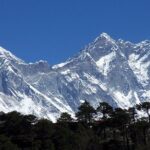
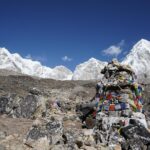
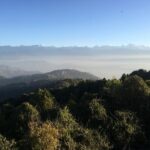
Namche Bazaar acclimatization, Monjo entry, and park scenery

Days 2 and 3 focus on Namche Bazaar, the gateway town of the Everest region. Day 2 has a lot going for it even before you reach Namche: you go through Sagarmatha National Park via the Monjo area, cross streams, and pass small villages. This is one of those days where the scenery comes with texture, not just views. You’ll be walking through varied habitats, with chances to spot wildlife and seasonal flowers in the right sections.
When you reach Namche Bazaar, you’re not just arriving at a town. You’re arriving at a place that’s built for trekkers and also lives as a real Sherpa community. Plan to use Namche as your altitude checkpoint, not as a day to chase miles. The trek is famous for Everest, but the reason it works is that the route doesn’t rush you.
Day 3 is your acclimatization day, and it’s an important one. Instead of pushing higher in a straight line, you spend time exploring Namche and then head out on a short excursion to the Syangboche Airstrip area or the Everest View Hotel area. Either option gives you a chance to look around and understand how high you already are, without forcing a long day.
This is also a good day to practice your pacing and hydration routine. Your body will tell you quickly what it needs, and Namche is a comfortable place to adjust. You’ll be glad you built this rest into the plan rather than trying to power through.
Tengboche Monastery and the rhododendron climb to Khumbu culture
Day 4 is the day the route leans more clearly into culture and ceremony. You move toward Tengboche, gradually ascending through dense rhododendron forests. Those rhododendron sections can make the climb feel less monotonous, because the trail changes character as you gain elevation and as the vegetation shifts.
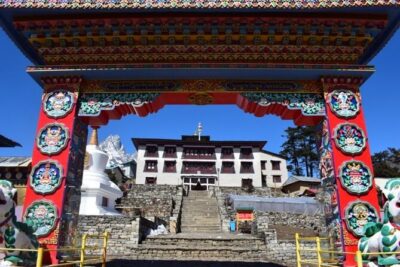
As you pass local areas like Imja Khola and reach Tengboche village, the highlight is Tengboche Monastery. This is described as the oldest monastery in the Khumbu region, and it’s the kind of stop where you see how daily life connects to the mountain. You may encounter Buddhist rituals and prayer wheels as part of the experience, which is one reason Tengboche stays memorable even for people who came only for Everest photos.
A practical drawback to know about: monastery visits can mean a more active day near high points, so keep your energy steady. Don’t treat day 4 like a sightseeing marathon. Aim for a calm pace, enjoy the sights, and prioritize rest so you’ll be able to walk comfortably the next day.
Dingboche bridges, chortens, and Nagarjun Hill’s peak views

Day 5 takes you deeper into the route’s classic high-valley rhythm. You ascend gradually, cross suspension bridges, and pass through smaller settlement areas like Pangboche and Orsho. Along the way, you’ll see stupas and chortens, which helps the trail feel less like a straight line to a summit and more like a route with meaning.
Then you arrive in Dingboche, another base of sorts for acclimatization and stamina. Dingboche is where the trek starts to feel more spare. Compared to earlier days, the vegetation changes and the air tends to feel thinner, even if the walking time stays similar.
Day 6 is your second built-in adjustment day. You hike up to Nagarjun Hill for major panoramic views, including Everest, Lhotse, Ama Dablam, Nuptse, Thamserku, and Pumori. This is exactly the kind of “move up, then settle down” plan that helps your body. You get wide views, you feel the altitude, and then you go back to your sleeping elevation.
For you, the key value here is that this isn’t random. It’s the trek’s way of giving you time to learn how your body handles altitude. If you take the day seriously and keep your pace gentle, the next section toward Lobuche becomes easier to manage mentally.
From Dingboche to Lobuche, where the terrain tightens

Day 7 brings you from Dingboche toward Lobuche. The walking continues upward, but the character changes. You’ll move from richer forest areas into terrain with fewer trees and more sparse shrubs. That shift is one reason the days start to feel colder and more exposed.
Lobuche is described as sitting at the fainter edge of settlement along this trek. That matters because it reminds you you’re moving into a zone with fewer comforts. Even with guest-house lodging, supplies and services are more limited than in lower towns.
This is also a day to keep your gear and routines simple. Dry layers, warm socks, and a consistent warm-up rhythm after breaks make a difference. The goal is not to fight the environment, but to cooperate with it.
Everest Base Camp day, Gorka Shep, and Kala Patthar’s 360-degree payoff

Day 8 is the big moment. You wake early and trek toward Everest Base Camp. The trail passes through Gorka Shep, described as the last human settlement area on the route. In practical terms, that means day 8 can feel like a long push from the last place where the world still feels familiar.
The win here is timing. An early start gives you a better shot at clearer skies and gives you time at Base Camp without rushing. Everest Base Camp itself is where the trek turns from “hard hike” into “I’m actually here.” It’s also the kind of place where you see how climbers and their support teams think and prepare for what comes next.
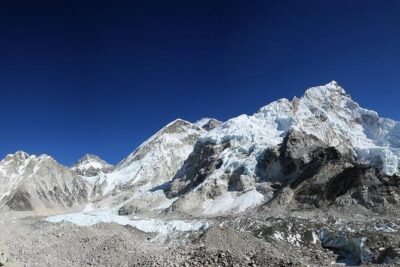
Then Day 9 turns that moment into a full view day. You hike up to Kala Patthar, one of the most famous viewpoints in the region. It’s described as located just above Everest Base Camp, and the key payoff is 360-degree views of Everest and the surrounding peaks.
If you’re the kind of traveler who needs the photo, this is your photo day. But even more, this is your altitude day. You’ll feel the cold and thin air, and you’ll also get a clear understanding of how huge this terrain really is. I like this plan because it doesn’t just give you one highlight. It gives you a Base Camp landmark and then a viewpoint that explains the geography behind the hype.
One consideration: both day 8 and day 9 are mentally demanding, even if your hiking hours are similar to earlier days. Go steady, and don’t treat the last steep bits like a race.
Dropping back through the Imja River route to Namche and Lukla

Day 10 is about returning while still getting views. After breakfast, you trek through forests and small villages, following the Imja River to reach Tengboche again, then descending toward Phungki Thanka before dropping down to Namche. It’s a route that can feel pleasantly different from your ascent because you’re moving downhill in a way that re-frames the terrain.
Day 11 brings the long descent back toward Lukla. You retrace your path, descending through dense forests and crossing streams, passing small villages along the way. You reach Phakding again and then continue forward toward Lukla.
Descending can feel easier than climbing, but it isn’t always easier on your body. Knee strain is common on steep downhills on long days. For you, the fix is simple: take shorter steps, use trekking poles if you have them, and don’t let speed outrun comfort.
Day 12 finishes with the Kathmandu return. You fly back from Lukla to Kathmandu, then head to your hotel. In the evening, you say goodbye over a farewell dinner and prepare to leave. It’s a nice way to close the loop, because the trek stops feeling like a to-do list and starts feeling like a complete story.
Price and logistics: what $1,380 covers and what to budget

At $1,380 per person for about 12 days, this trek is priced in a way that makes sense if you care about fewer moving parts. What’s included is a big chunk of what usually costs time and money on this route: Kathmandu to Lukla to Kathmandu flight tickets, trekking permits and official documents, a government-licensed English speaking guide, guest-house accommodation during the trek, and hotel pickup and drop-off in Kathmandu.
You do pay extra for food and drinks, listed as available for purchase around US$25 per day. That’s the one line item that can really change your total trip cost depending on how you eat, but having it separate also helps you control spending. You’ll want to bring enough cash or confirm how payments work in the guest houses, since options can be limited at higher elevations.
From a value angle, the best part of the price is that it includes the route’s two biggest variables: flights and the paperwork. If you’ve ever tried to cobble that together on your own, you know how quickly it becomes stressful.
The guide factor: why Prakash, Milan, and Dev keep coming up

On this kind of trek, the guide is not just a human GPS. It’s pacing, safety, and decision-making when the mountain is doing its own thing. CAN Travels includes a government-licensed English speaking trekking guide, plus an emergency normal first aid kit with the guide.
In the feedback I’ve seen linked to this operator, guides like Prakash and Milan are repeatedly described as professional, knowledgeable, and safety-minded, with a calm attitude that helps when conditions turn harder than expected. Another guide name that comes up is Dev, noted for taking care of a family and making a challenging trek feel easier to handle.
Even if you never meet those specific individuals, the pattern matters. You want a guide who can:
- keep your group moving at an altitude-friendly pace
- manage rest days in a way that feels clear, not random
- handle simple emergencies quickly, especially on days when you’re tired
Also, the tour is set up as a private tour, which means your group only. That can help a lot if you want your own pace and prefer fewer compromises on daily start times and rhythm.
Altitude management: acclimatization days you should actually use
This is a trek that asks for strong physical fitness, and that’s stated for a reason. The good news is the plan doesn’t just assume you’ll tough it out. It builds acclimatization into the schedule in a way you can follow.
You get key adjustment time in:
- Namche Bazaar, where you explore locally and take a short excursion
- Dingboche, where you hike to Nagarjun Hill and then reset
Then you have the big high moments:
- Everest Base Camp
- Kala Patthar, just above Base Camp, with classic all-around views
This structure is valuable because it turns altitude into something you practice, not something that blindsides you. If you show up fit, hydrate consistently, and treat the acclimatization days like part of the trek instead of a break from the trek, your odds improve across the whole journey.
Who this trek suits best, and who should rethink it
This Everest Base Camp route fits best if you want a classic combination: Everest landmarks plus Sherpa culture stops, without turning the trip into a nonstop grind. You’ll enjoy it if you like monasteries, prayer-wheel moments, and village life as much as you like the summit targets.
It can also be a smart choice if you’re trying to avoid the busiest-feeling routes. One reason people seek this trek is that it can feel less crowded than some other popular trekking corridors, which makes the walk and the viewpoint moments feel more personal.
If you’re on the fence, here’s the honest consideration: you need the stamina for repeated long days, and you need to accept that flights can shift and weather can influence your schedule. If you hate uncertainty, you’ll want a backup mindset.
Should you book CAN Travels for this Everest Base Camp trek?
I’d recommend booking if you want a well-supported EBC experience with the hard parts handled, flights included, permits included, and a guide who can guide both pacing and safety. The route’s strength is how it mixes cultural stops like Tengboche Monastery with altitude-friendly planning at Namche and Dingboche.
I would not book if you know you get overwhelmed by altitude or if you’re so rigid about timing that a flight delay would wreck your trip. Also, if you’re not willing to spend extra on food and drinks during the trek, your budget might feel tight once you’re on the trail.
If you’re ready for a serious, meaningful trek with real Sherpa culture and a strong chance at classic views from Kala Patthar, this one is a solid bet.
FAQ
How long is the Everest Base Camp trek?
The trek runs for about 12 days.
Is the flight between Kathmandu and Lukla included?
Yes, Kathmandu to Lukla to Kathmandu flight tickets are included.
Does the tour include trekking permits and official documents?
Yes, trekking permits and all official documents are included.
Where will we stay during the trek?
You’ll stay in guest houses during the trek.
Are meals included in the price?
No. Food and drinks are not included, but they are available for purchase, with an approximate cost of US$25 per day.
Do we get a guide, and do they speak English?
Yes. You get a government-licensed English speaking trekking guide, and the guide also carries an emergency normal first aid kit.
Can I get a refund if I need to cancel?
You can cancel up to 3 days in advance of the experience for a full refund, and the cut-off is based on the experience’s local time.
More Hiking & Trekking Tours in Kathmandu
More Tour Reviews in Kathmandu
Not for you? Here's more nearby things to do in Kathmandu we have reviewed


Everest Base Camp Treks from Kathmandu, compared.
 ★ 5.0Everest Base Camp Trek – 14 DaysFrom $1,8001,499 reviews
 ★ 5.0Everest Base Camp TrekkingFrom $1,350485 reviews
 ★ 5.0Everest Base Camp Trekking – 13 DayFrom $1,399365 reviews
★ 5.0Everest Base Camp Trek -14 DaysFrom $1,420321 reviews
★ 5.0Everest Base Camp Trekking – 13 DayFrom $1,399365 reviews
★ 5.0Everest Base Camp Trek -14 DaysFrom $1,420321 reviews
 ★ 5.0Everest Base Camp Trekking – 2025/2026From $1,339199 reviews
 ★ 5.0Everest Base Camp TrekFrom $1,408193 reviews
14-Days Private Everest Base Camp TrekFrom $1,600152 reviews
★ 5.0Everest Base Camp TrekkingFrom $1,350146 reviews
★ 5.0Everest Base Camp TrekFrom $1,408193 reviews
14-Days Private Everest Base Camp TrekFrom $1,600152 reviews
★ 5.0Everest Base Camp TrekkingFrom $1,350146 reviews
Browse the lists this tour appears in