
REVIEW · EVEREST BASE CAMP TREKS FROM KATHMANDU
12 Days Everest Base Camp Trek
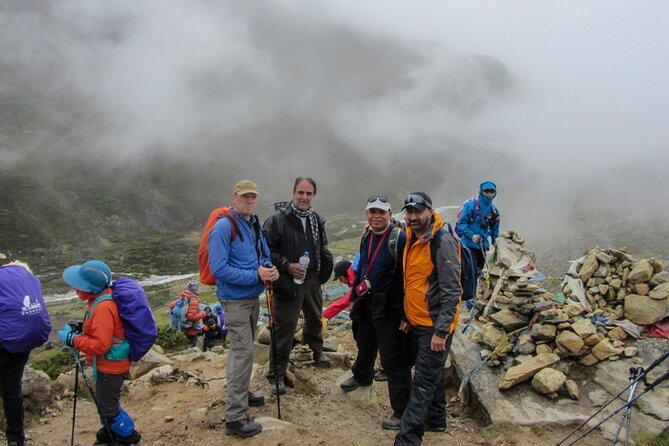
Altitude, paperwork, and comfort all sorted. This 12-day Everest Base Camp trek from Kathmandu feels organized from the first flight to Lukla, and I love that permits and trek paperwork are handled in advance. I also like the teahouse meals and porter support built into the plan, so you can focus on the walk, not logistics. One consideration: domestic flights to Lukla can delay or even cancel due to weather, so you need patience and a little flexibility at both ends of the trek.
You’ll start early, with a 5:15 am meeting point and an airport pick-up and drop in Kathmandu. The tour is private, so it’s only your group, plus you get an experienced English-speaking, government-licensed trekking guide and a medical kit carried by your trek leader. If you’re the type who hates scrambling for details once you’re already in the mountains, this package will feel refreshingly grown-up.
Key Highlights You’ll Feel on the Trail
- Permits arranged for you, including National Park Permit and TIMS, which saves time and stress in Kathmandu.
- Teahouse accommodation with breakfast, lunch, and dinner during the trek, so you’re not hunting menus at altitude.
- Lukla round-trip flights (Kathmandu to Lukla and back) included, which matters because that flight is the gateway.
- Porter service with a clear ratio (2 trekkers per 1 porter), plus duffel handling to keep your load manageable.
- Acclimatization built into the schedule, including a full Dingboche adjustment day.
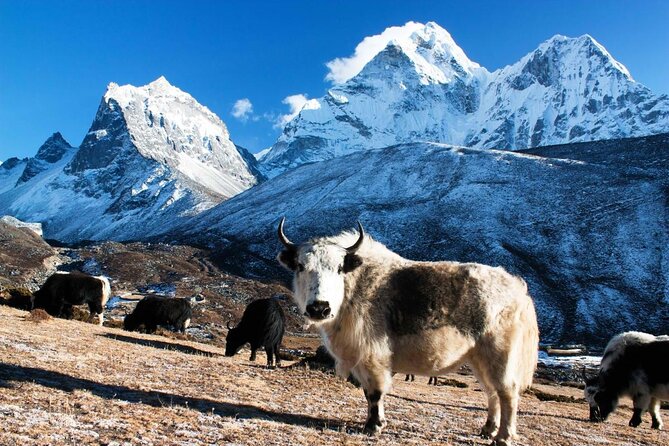
- Sunrise and viewpoint pacing, especially Namche’s early views and the Kala Patthar summit push.
What You’re Really Paying for in a $1,390 Everest Package
At $1,390 per person for 12 days, the price makes sense because several big cost items are bundled. You’re getting the guide, porter support, trek permits, domestic flights between Kathmandu and Lukla, and most meals while trekking. That combination is the difference between a smooth trek and a trek where you spend half your energy comparing prices and chasing paperwork.
It also helps that accommodations are pre-arranged as teahouses on the way. Teahouses are basic by city standards, but they are the normal system in the Khumbu, and pre-arranging reduces surprises. You’ll still be responsible for personal extras at the lodges, like hot and cold drinks and some water options, but your core day-to-day rhythm is covered.
My practical take: this is good value if you want the mountain experience without adding DIY admin. If you already know exactly how to organize permits, guides, flights, and teahouse logistics yourself, you might shop around to go cheaper. But if you’d rather trade money for fewer headaches, this package is built for that.
You can also read our reviews of more hiking tours in Kathmandu
Kathmandu Prep, Airport Transfers, and the 5:15 am Reality Check
Your trip begins in Kathmandu with airport pickup and drop, and you’ll be transferred to your hotel on arrival. Then comes the part many people underestimate: the early start. You meet at 5:15 am, and the schedule is designed around taking an early flight to Lukla.
This matters for two reasons. First, it improves the odds that you’ll get moving while the day is still fresh. Second, it keeps your trekking days on track, because the rest of the itinerary is built around altitude changes and acclimatization timing.
You’ll also receive a mobile ticket, and confirmation is provided at booking. That may sound minor, but once you’re traveling in Nepal, anything that reduces last-minute uncertainty helps.
One more thing to keep in mind: the Lukla flight can be delayed or canceled due to weather. The tour specifically warns you to expect possible long waits at Kathmandu or Lukla airports. If you’re comfortable reading, charging a phone, and staying patient, you’ll handle this fine. If you hate downtime, plan your mindset accordingly.
Day 1: Lukla to Phakding, Where the Trek Starts Feeling Real
Day 1 kicks off with a short flight to Lukla, then the trek begins toward Phakding via Cheplung village. It’s about a 3 to 4 hour walk after flying, and the altitude for this segment is roughly 2,651 m / 8,700 ft at Phakding.
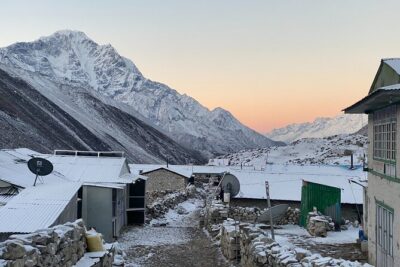
This is a “get your legs under you” day, not a suffering day. The walk gives you the first taste of the Khumbu region, including valley views and that early feeling of being watched over by enormous peaks.
A small detail I like here is the Cheplung angle. The route is known for bringing strong sightlines early, including views of Mt. Khumbila, a sacred mountain tied to local tradition. You’ll start noticing how much culture is woven into the scenery out here, not just rocks and snow.
Night in Phakding also sets you up for the next day’s move toward Namche Bazaar, which is where the real altitude story starts.
Day 2: Phakding to Namche Bazaar via Park Entry and Suspension Bridges
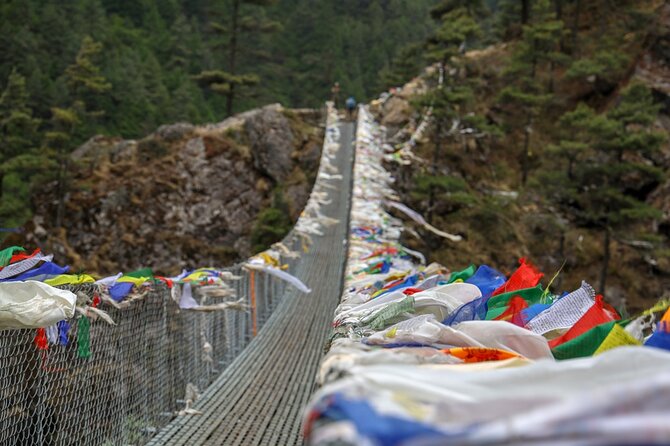
On Day 2 you’ll walk about 4 to 5 hours, heading north through the Benkar valley. You cross the Dudh Koshi River, pass through Chumoa and Monjo (including the entrance into Everest National Park), then continue past Jorsale, where you cross a suspension bridge and follow alongside the Dudh Koshi and Bhote Koshi rivers.
This day is important because it’s both scenic and structural. You’re moving from smaller valley villages into the Namche basin, and you’re also crossing the threshold into the national park system. That’s the point where you’ll likely feel a different mix of trekkers, lodge staff, and ranger presence.
You’ll reach Namche Bazaar for the night at around 3,438 m / 11,280 ft. Namche is where you’ll notice the blend of Sherpa community life and trekking infrastructure. It’s not a theme park, and it’s not just a transit stop. It’s a working mountain town, with daily rhythms and mountain-focused commerce.
If you tend to rush, this is a good day to slow down. The pace is manageable, but altitude is quietly taking attendance.
Day 3: Namche Acclimatization and a Sunrise-First View of Everest Country
Day 3 is your acclimatization day. You explore Namche Bazaar and hike up toward the Sagarmatha National Park area, with a focus on sunrise views of major peaks like Everest, Lhotse, Nuptse, Ama Dablam, Thamserku, and Kongde.
This is also when I think the tour design shows its intelligence. Instead of pushing higher every day, you get a structured adjustment day while still seeing big skies and sharper mountain silhouettes.
There’s also an optional day hike depending on interest, such as heading to Khumjung village. If you want more village time and fewer photos, this kind of sidetrip can break up the stillness you sometimes feel in high places.
Overnight stays in Namche. That’s the calm before you step into Tengboche and later gain the higher altitude feel.
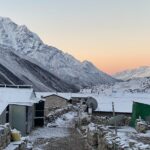
Day 4: Namche to Tengboche, Monastery Time and Classic Mountain Drama
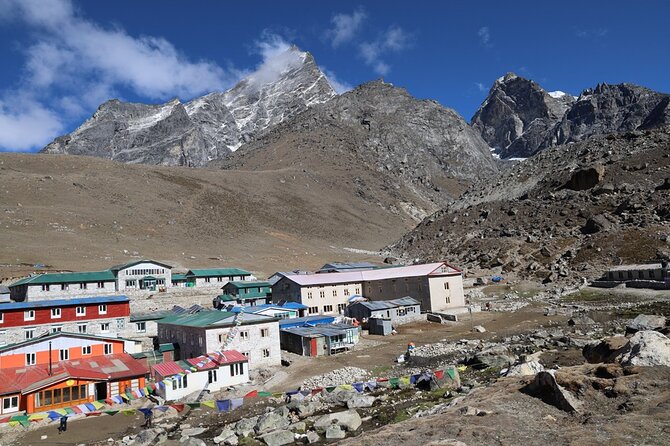
Day 4 takes you from Namche Bazaar to Tengboche in about 5 to 6 hours, around 3,870 m / 12,694 ft. The walk begins with an easier stretch until Phunki, then it turns into a steady ascent toward Tengboche village.
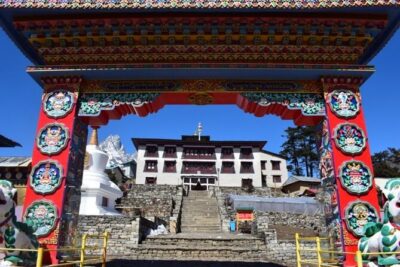
Tengboche is famous for a reason. You’ll visit Tengboche Monastery, described as the biggest monastery in the Everest region. It sits inside Sagarmatha National Park and offers panoramic views of Everest, Nuptse, Lhotse, Ama Dablam, and Thamserku.
Here’s a practical timing detail that can make the difference between seeing a building and feeling a moment. The monastery opens around 3:00 pm, and if you reach by about 4 o’clock, you may be able to observe a Buddhist religious ceremony. Don’t bank on it, but it’s worth timing your day so you arrive with enough room to slow down.
The drawback to this day is simple: Tengboche is high, and your body will notice the altitude more each day. Plan your energy. Save your big excitement for the viewpoints, not for racing up the trail.
Day 5: Tengboche to Dingboche, Passing Monasteries and Crossings
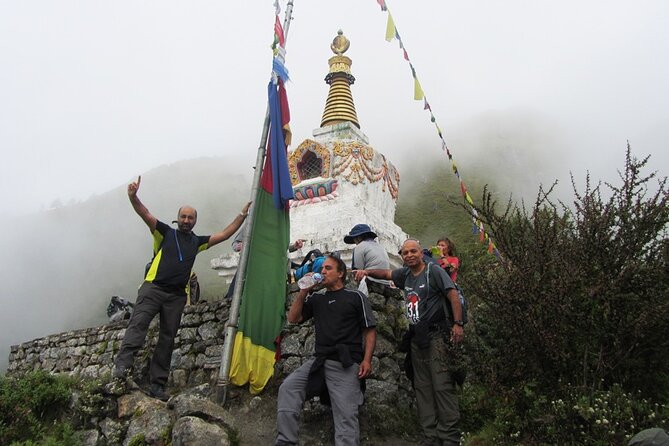
Day 5 is another 5 to 6 hour day, moving you toward Dingboche (about 4,360 m / 14,300 ft). You walk downhill to Debuche, cross the Imja River, and head to Pangboche. Then you continue through the upper Pangboche trail, including time at Pangboche Monastery, before reaching Dingboche via the Imja Valley and the Lobuche River.
What I like about this itinerary stretch is that it connects “views” with “route memory.” You’re not just trekking from point A to point B. You’re also walking through places that feel lived-in, with monasteries that help explain why this region is more than a mountain challenge.
Still, this is also a day where you can get tired in a hurry. Downhill sections can feel easier while they’re happening, but knee strain is real. Keep your steps short and controlled.
Overnight is in Dingboche.
Day 6: Dingboche Acclimatization, Where You Stop Chasing and Start Adjusting
Day 6 is a full acclimatization day in Dingboche. It’s listed as about 3 hours for a recommended hike, and the idea is to help your body adjust to the higher altitude around 4,360 m.
The plan suggests hiking about four hours behind Dingboche to view peaks including Lhotse, Makalu, and Cho Oyu. This day is not about athletic bragging. It’s about giving your body a controlled exposure to height and letting sleep and hydration do their work.
If you’ve ever tried to “white-knuckle” acclimatization by pushing higher too fast, you already know why this matters. Here, you’re getting the chance to breathe deeper and walk smarter before the big push to Lobuche and beyond.
Day 7: Dingboche to Lobuche, The Base Camp Gravity Starts Pulling
On Day 7 you walk around 7 hours (about 9 km) to Lobuche, moving along the Himalayan trail toward Everest Base Camp country. The trek continues via Dughla Pass to the mountain village of Lobuche for overnight.
This is the kind of day where your pace might slow without you noticing, because the terrain and altitude are both working together. You’re also getting closer to the famous name on the map, so motivation stays high but your breathing may feel different.
Overnight in Lobuche sets you up for the big long day to Gorakshep and Base Camp.
Day 8: Lobuche to Gorakshep, then Everest Base Camp Day, Long but Worth It
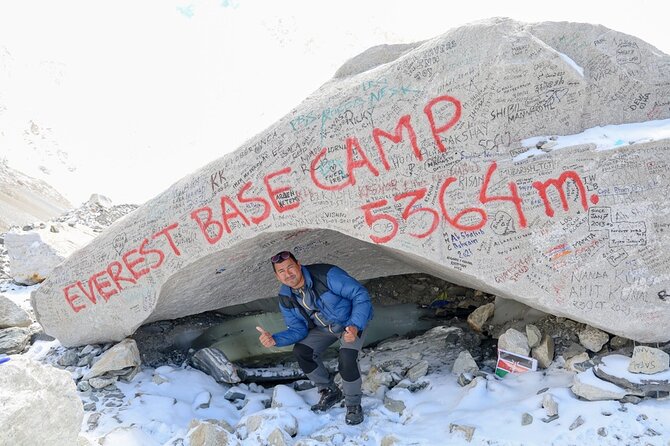
Day 8 is a major effort day. You head to Gorakshep (around 5,160 m) and then go on to Everest Base Camp (around 5,365 m). The long day is listed as nearly 12 hours (about 17 km).
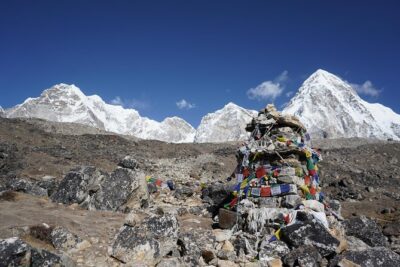
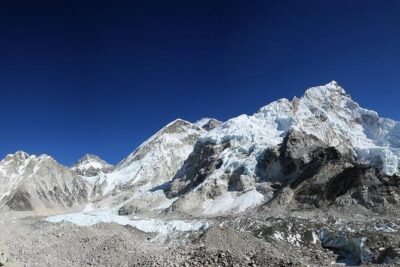
After checking into your lodge at Gorakshep, you’ll have lunch and then walk to Base Camp for amazing views of Nuptse, Khumbuste, and Pumori. Then you return to Gorakshep for overnight.
This is where I think this trek’s structure really helps. You’re not forced to do Base Camp as a random optional detour. It’s planned with rest at Gorakshep, then a purposeful push.
Possible drawback: this is long. Even if you’re fit, the combination of time, altitude, and cold makes it tougher than the distance alone suggests. If you tend to sprint early in treks, resist that habit today. Steady wins.
Day 9: Kala Patthar Sunrise Views, then the Descent to Pheriche
Day 9 starts with early breakfast and a climb to Kalapatthar (Kala Patthar) at about 5,555 m. The route is estimated around 3 hours up, followed by time at the viewpoint.
From Kala Patthar, you get magnificent views of Everest plus surrounding mountains like Lingtren, Khumbutse, and Changtse. After time at the summit, you return to Gorakshep for lunch, then hike down to Pheriche (about 4,200 m) for the night.
This day is for people who like payoff views. If you came to see the iconic “big mountain from a close vantage” moment, this is likely the day you remember most.
The consideration here is altitude fatigue. You’re going high again after Base Camp already. If your energy is low, it can help to pace by effort, not ego. You want to reach the viewpoint, not prove a point to yourself halfway up.
Day 10: Back to Namche Bazaar, Trading High Silence for Town Noise
After the big viewpoint days, Day 10 is about descent and regrouping. You leave the mountains behind through Pangboche and Tengboche, then continue to Namche Bazaar, arriving in the afternoon. The walking time is listed at about 5 to 7 hours depending on the final schedule block.
Overnight is back in Namche at a guesthouse.
This day can feel oddly emotional. You’ll likely notice how fast the “expedition” feeling dissolves into everyday trekking life. It’s also a good day for practical things: slower meals, laundry planning, and gear checking.
One more detail: having Namche again means you’re closer to options for warm drinks and small comforts, even though some costs are personal expenses.
Day 11: Namche to Lukla, The Last Trek Day and a Little Freedom
Day 11 is your final trekking day, moving from Namche Bazaar back to Lukla in about 5 to 6 hours. You’ll return to the town where the trek started and have time to reflect as a group on the achievement.
The afternoon is free, so you can wander around, relax, and enjoy a hot shower if the lodge options allow. In the evening, the plan includes time for celebratory drinks and dancing with trekking mates, depending on what’s available and what your group wants to do.
Overnight is in a guesthouse in Lukla.
This is also the day where weather can affect your next flight. The tour’s warning about possible delays is especially relevant here, so keep your plan flexible.
Day 12: Lukla to Kathmandu and the Farewell Dinner
You catch an early flight to Kathmandu, then transfer to your hotel. The trek ends with a farewell style cultural dinner in Kathmandu in the evening.
This is a satisfying wrap-up because it gives the trip an emotional landing. You’re not just flying home after exhaustion. You’re eating, sharing stories, and letting your body finally process what it just did.
How the Guide and Porter System Keeps the Trek Human
A big reason trekkers like these organized packages is simple: the plan protects your time and your energy. You get an English-speaking, government-licensed trekking guide, and porter service is included at 2 trekkers to 1 porter. That means your main burden is reduced, and you can focus on steady movement.
There’s also a medical kit carried by your trek leader, which matters in remote regions where conditions can change fast. The tour also covers staff costs, including salaries, insurance, equipment, domestic airfare, and food and accommodation for the support team.
One detail from past participants that stuck with me: they use duffel bag handling so your items are organized for porters. That kind of practical system sounds boring until it saves you from gear chaos in thin air.
My balanced note: porter service reduces the load, but you still need to carry essentials depending on how the trek leader organizes it. Keep your most important items accessible.
Practical Pacing Tips for Everest Base Camp Without Guesswork
Even with a structured itinerary, you’ll still be the one making choices with each step. Here are the things I’d focus on based on how the trek is timed and how high you go.
- Use acclimatization days as days off from pressure. Dingboche in particular is built for altitude adjustment. Treat it as part of the climb, not a pause.
- Plan for cold and dry conditions. You’ll likely want a steady layering system, because teahouse warmth can vary.
- Expect water costs to be personal. The tour lists bottle or boiled water as a personal expense, so budget for your chosen approach.
- Take your time at viewpoints. Kala Patthar is not a quick sprint. If you move too fast, you’ll pay for it on the way down.
- Stay mentally ready for Lukla delays. The tour note about waiting time is real. It doesn’t happen every time, but you need a calm backup mindset.
This is a trek where your success is less about heroic speed and more about smart pacing and recovery. The itinerary supports that, but your choices still steer the outcome.
Should You Book This Everest Base Camp Trek Package?
Book it if you want the big adventure with fewer moving parts. The strongest reasons to choose this tour are the bundled permits, the included domestic Lukla flights, the teahouse meal coverage, and the porter setup that keeps your day focused on walking. The private format also suits people who want a more personal pace.
Consider whether the flight risk fits your personality. If weather delays stress you out, you should plan emotionally for waiting at airports. Also, if you love total DIY travel, this package may feel a little too organized, because it removes a lot of the planning work you might otherwise do yourself.
If you want a guided, structured Everest Base Camp trek with practical support and a track record of attentive service, this is the kind of trip that can feel smooth without feeling scripted.
FAQ
What are the main inclusions during the trek?
Teahouse accommodation is included, with breakfast, lunch, and dinner during the trek. The tour also includes an English-speaking, government-licensed trekking guide, porter service (2 trekkers per 1 porter), and a medical kit carried by the trek leader. Domestic flights between Kathmandu and Lukla, plus airport pickup and drop in Kathmandu, are also included.
Are trekking permits handled for you?
Yes. The tour includes all necessary paperwork and trekking permits, including the National Park Permit and TIMS.
What happens when you return to Kathmandu after the trek?
After your last flight from Lukla to Kathmandu, you are transferred to your hotel. The itinerary also includes a farewell or cultural dinner in Kathmandu.
What about flight delays or cancellations to Lukla?
The tour notes that Kathmandu to Lukla to Kathmandu flights can be delayed or canceled due to unfavorable weather, even in good seasons. If that happens, you should be prepared for long waits at Kathmandu or Lukla airports.
Is the trek too hard if I have moderate fitness?
The guidance provided is that travelers should have a moderate physical fitness level. The schedule includes acclimatization days and planned walking times, but you should be prepared for long, high-altitude hikes.
Does the price include meals and lodging, or only trekking?
It includes teahouse accommodation with breakfast, lunch, and dinner during the trek, plus breakfast (12) is listed as included. Lunch and evening meals in Kathmandu are not included, and extra meals may also apply if your schedule changes due to early return or flight issues.
What time does the trip start in Kathmandu?
The meeting point start time is listed as 5:15 am.
More Hiking & Trekking Tours in Kathmandu
More Tour Reviews in Kathmandu
Not for you? Here's more nearby things to do in Kathmandu we have reviewed


Everest Base Camp Treks from Kathmandu, compared.
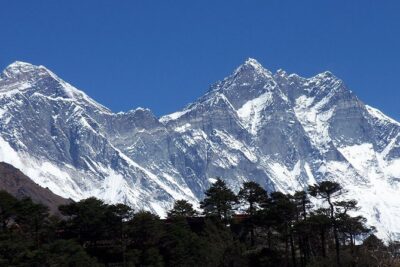 ★ 5.0Everest Base Camp Trek – 14 DaysFrom $1,8001,499 reviews
 ★ 5.0Everest Base Camp TrekkingFrom $1,350485 reviews
 ★ 5.0Everest Base Camp Trekking – 13 DayFrom $1,399365 reviews
★ 5.0Everest Base Camp Trek -14 DaysFrom $1,420321 reviews
★ 5.0Everest Base Camp Trekking – 13 DayFrom $1,399365 reviews
★ 5.0Everest Base Camp Trek -14 DaysFrom $1,420321 reviews
 ★ 5.0Everest Base Camp Trekking – 2025/2026From $1,339199 reviews
 ★ 5.0Everest Base Camp TrekFrom $1,408193 reviews
14-Days Private Everest Base Camp TrekFrom $1,600152 reviews
★ 5.0Everest Base Camp TrekkingFrom $1,350146 reviews
★ 5.0Everest Base Camp TrekFrom $1,408193 reviews
14-Days Private Everest Base Camp TrekFrom $1,600152 reviews
★ 5.0Everest Base Camp TrekkingFrom $1,350146 reviews
Browse the lists this tour appears in