

REVIEW · ANNAPURNA TREKS FROM KATHMANDU
12 Days Annapurna Base Camp Trek
One of the best ways to see the Himalaya up close. This Annapurna Base Camp Trek takes you from Kathmandu into rhododendron forests, terraced hillsides, and Gurung and Magar villages, with classic sunrise moments along the way. I also like that the trip is run by Everest High Pass Adventures, and their guides earn praise for being friendly and caring, including Mandip Ji in past journeys.
The two big wins for me are the mix of scenery and culture, plus the fact that you sleep and eat in the rhythm of local teahouses instead of doing a fast, impersonal route. The only drawback to consider is altitude and effort: you’ll reach about 4,130 meters, and one section includes over 3,000 stone steps, so you really want solid legs and steady pacing.
Key Highlights You’ll Feel From Day One

- Kathmandu to Pokhara transfer options: choose a drive or a quick flight to start the trek feeling fresh
- The Ulleri stair climb (over 3,000 stone steps) right at the beginning, a real leg-check
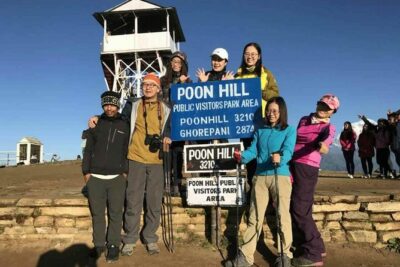
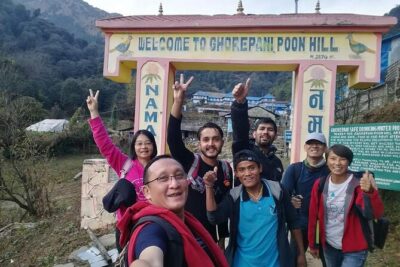
- Sunrise at Poon Hill for big views of Annapurna and Machapuchare
- Annapurna Base Camp arrival at sunset with a calm, mountain-focused finish
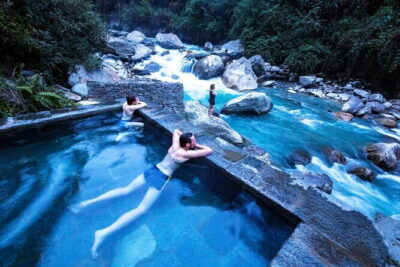
- Jhinu Danda hot springs for a well-earned soak by the riverside
- Private tour, your group only, with guide support throughout
Kathmandu, Pokhara, Then The Mountains Take Over

Kathmandu is your first taste of Nepal, and it also matters practically. Day one is built around a transfer to a hotel in Thamel, then a trek briefing with your guide for permits prep. Even if you are used to travel, this is where you get your bearings fast: gear basics, altitude expectations, and how your days will run.
Then comes Pokhara, your springboard into the Annapurna region. You get two reasonable options: a 6 to 8 hour overland drive or a short flight (about 25 minutes). If you get car sick, the flight is a clear win. If you want to watch Nepal roll by and save money on transfers, the drive can feel like part of the trip rather than just logistics. Either way, Pokhara sits by Phewa Lake with Annapurna-range views, which makes the shift from city to trail feel natural.
Here is what I like about how this sets up the trek: you are not thrown onto steep ground with no prep. You get a day to settle, meet your guide, and start the journey with a little head start.
You can also read our reviews of more hiking tours in Kathmandu
Ulleri’s 3,000 Steps: The Best Kind Of Pain
On the next big move, you drive about 1.5 hours to Nayapul, the trek starting area. From there, the trail begins gently along paths to Birethanti and Tikhedhunga, then the day turns into the famous challenge: a steep ascent of over 3,000 stone steps to reach Ulleri village.
This is one of those days that teaches you how the Annapurna trek works. The hills are real, but the trail is straightforward. You just have to move at the pace your body can handle. If you rush, you’ll pay for it later. If you keep a steady rhythm, the climb turns from a battle into a warm-up.
Practical tip: plan your water and snacks early. Stone steps look short on paper, but by the time you are halfway up, you’ll be glad you started thinking ahead.
Ghorepani and Rhododendron Forests: The Trek’s Calm Middle

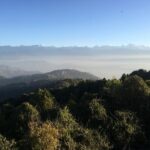
From Ulleri, the route continues uphill through dense rhododendron and oak forests, along with waterfalls and Magar villages. You reach Ghorepani, known for panoramic views and that cool alpine feel.
This stretch is valuable because it balances the stair-climb intensity. Your legs still work, but the trail is more about rhythm than punishment. Rhododendron seasons can change the look of the forest, but either way, it’s a classic “moving through Nepal” day.
Ghorepani is also a key staging point because it sets up the next morning’s early hike. In other words, you’re not just walking today, you’re buying yourself a great sunrise tomorrow.
Poon Hill Sunrise: The View That Makes People Smile

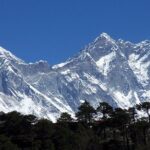
Wake up early for the hike to Poon Hill, and you’re rewarded with sunrise over major peaks like Dhaulagiri, Annapurna, and Machapuchare. After that, you descend back to Ghorepani for breakfast, then continue onward through forested trails.
This day is why the Annapurna Base Camp trek is so popular: you get a high payoff for the morning effort. Sunrise hikes also create a different vibe. You’re not stepping into the view while everyone else is already there. You get quiet light and that rare feeling that the mountains are the main event.
One consideration: early starts mean early fatigue if you try to do too much too fast. Aim for steady effort, keep your breathing controlled, and treat the breakfast as part of the plan, not a bonus you forgot you needed.
Chhomrong: Gurung Village Views and the Mountain Pull

The trail shifts toward Chhomrong, with a steep descent toward a stream and then a climb through terraced farmland and forests. Chhomrong is a larger Gurung village, and the views are a major reason people remember this stop: you get outlooks toward Annapurna South and the sacred peak area mentioned in your route description.
I like Chhomrong because it feels like a real village, not a set piece. Your trek becomes more social and sensory. You’ll hear different sounds than you did deeper in the trees, and you get a sense of how communities live alongside the trails.
If you’re trekking with any knee sensitivity, pay attention on the descent. The trail gives you breaks, but it also asks you to manage downhill steps with care.
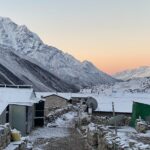
Sinuwa, Bamboo, Dovan, Himalaya: The Route Gets Wilder

On the way toward the base camp area, you start by descending to the river and then climbing back up to Sinuwa. After that, you move through bamboo forests and calmer terrain, passing Bamboo, Dovan, and reaching Himalaya in a quiet gorge.
This part of the journey matters because it changes the feel of the hike. The scenery is still strong, but the experience becomes more about being in the Annapurna region day after day. Bamboo and gorge trails often feel steady and focused, not like endless elevation changes.
This is also where teahouse nights start to feel like home rhythm. Your day ends with a similar pattern, and that predictability helps as altitude begins to play a bigger role in how you feel.
Annapurna Base Camp Day: Sunset at 4,130 Meters

This is the headline day. You ascend past Deurali and MBC, and as the forest gives way to open alpine meadows, the terrain starts to look and feel different. Then you arrive at Annapurna Base Camp, surrounded by towering peaks, with sunset described as part of the experience.
Even without trying to be poetic about it, this is the moment your trek builds toward. You go from villages and forests into a high, open zone where your effort turns into a view that feels enormous. It also helps that the day is structured so you have a big moment at the end, rather than rushing the base camp and leaving immediately.
Altitude note, straight talk: around 4,130 meters, your pace, appetite, and sleep can change. This route keeps the focus on gradual movement and time to enjoy the moment. Still, if you get a headache or feel worse than you should, do not ignore it. Tell your guide early.
The Long Descent Back Down: MBC, Deurali, Dovan, Bamboo

After an early sunrise over the Annapurna range, you begin descending back along the route through MBC, Deurali, and Dovan, then into the forested area of Bamboo. The itinerary notes the descent is easier but long, so you’ll want to treat it like a day of controlled effort, not a day to power down as fast as possible.
This is also when you need to be mindful about your knees and energy. Downhills are easier in altitude terms, but harder on your joints. Take breaks, drink water regularly, and keep your steps under you.
A small but important detail: getting an early sunrise again gives you closure. You are not just leaving base camp, you’re taking a last look at the range under calm morning light.
Jhinu Danda Hot Springs: The Reward You’ll Remember
Day ten adds a classic comfort stop. You trek uphill back to Chhomrong, then descend steeply to Jhinu Danda. In the afternoon, you get time for a dip in natural hot springs by the riverside.
This is not a throwaway add-on. After days of walking, hot springs can make the difference between feeling sore for days and feeling human again. It also breaks up the monotony of trekking-focused days, giving your body a chance to reset.
Practical tip: keep a small towel and a dry layer ready. You’ll want to enjoy the soak, then get warm and comfortable afterward.
Pokhara Reset, Then Kathmandu Finish
On the way back, you drive or trek a short segment to Siwai or Nayapul, then head back to Pokhara. The itinerary suggests celebrating with a lakeside dinner, a massage, or just downtime.
This is a good time to remember that the trek is not only about peaks. It’s also about how you recover. A massage or a long meal can do more for your body than you’d expect.
Finally, you fly or drive back to Kathmandu depending on your schedule. If your international flight is later, you can take an extra night in the city, which is helpful because travel days can eat your energy if you leave too little buffer.
Price and Value: What $1,200 Buys You
At $1,200 per person, this trek is not a bargain-basement deal, but it also is not priced like a luxury expedition. Your value comes from a few concrete things listed in the package:
- Meals included, which reduces day-to-day budgeting in remote areas
- Government fees and entrance fees included, plus admission fees listed in the package
- Excess baggage is listed as included, which can matter if you packed extra layers or gear
- Private tour means you are not sharing the trek with strangers, which changes the experience of pacing and comfort
- Pickup offered, which can reduce the hassle when you arrive in Kathmandu
What’s not included is also clear: public transportation and airport or departure tax. That’s normal for this kind of itinerary, but it’s worth budgeting so there are no surprises when you get to the airport.
My bottom line on value: this price makes sense when you want a well-run, guide-supported trip with meals and key fees handled. If you already have your own Nepal logistics locked down and you are trying to go purely budget, you could compare alternatives. But if you want the “show up and walk” experience, this package is built for that.
Support, Guides, and the Human Side of the Trek
You’re not just buying a route, you’re buying help on a tough terrain. The provider, Everest High Pass Adventures, has reviews that emphasize responsiveness and professionalism during planning. That matters because Nepal treks are paperwork and weather dependent, and having a team that answers clearly saves stress.
More importantly, multiple reviews highlight guides as friendly, caring, and easy to talk to, with Mandip Ji specifically mentioned for knowledge and calm, smiling support. When you are tired at altitude, that kind of attitude makes a difference. It also helps you ask questions early instead of panicking later.
Who This Trek Fits Best
This one fits best if you are comfortable with:
- Moderate physical fitness, as the experience requests
- A mix of steep sections and longer hiking days
- The idea of spending nights in teahouses rather than full-service hotels
- Early starts for sunrise hikes
If you are brand new to trekking, this can still work, but you should be honest with yourself about stairs and sustained walking. If you already trek regularly, you’ll likely enjoy the structure and classic highlights without feeling like you’re doing a marathon of nonstop steep climbing.
Should You Book This Annapurna Base Camp Trek?
If you want a classic Annapurna Base Camp itinerary with a private group, teahouse nights, and standout moments like Poon Hill sunrise and Jhinu hot springs, I’d say yes. The route is packed, but it is organized around real payoffs: viewpoints, village life, and a proper base camp finish.
Skip it or reconsider if you know you struggle with steep descents, you hate early mornings, or altitude makes you anxious. This trek is doable, but it is still a mountains trek.
FAQ
FAQ
How long is the Annapurna Base Camp trek?
The experience runs for about 12 days.
Where does the trek start and end?
It starts back at the meeting point in Kathmandu. It ends back at the same meeting point.
Is this a private tour?
Yes. It is listed as a private tour/activity, meaning only your group participates.
Is hotel pickup included?
Yes. The experience includes pickup offered.
What altitude does the itinerary reach?
The trek is described as reaching an altitude of 4,130 meters.
Are meals included?
Yes. Meals are included in the package.
Are WiFi and fees included?
WiFi on board is listed as included, and government fees and entrance fees are also listed as included.
What is not included in the price?
The price does not include public transportation and airport/departure tax.
Is there time to visit hot springs?
Yes. On Day 10, the itinerary includes time at Jhinu Danda for a natural hot springs dip by the riverside.
What is the cancellation policy?
You can cancel for a full refund up to 24 hours in advance. If you cancel less than 24 hours before the start time, the amount paid is not refunded.
More Hiking & Trekking Tours in Kathmandu
More Tour Reviews in Kathmandu
Not for you? Here's more nearby things to do in Kathmandu we have reviewed


Annapurna Treks from Kathmandu, compared.
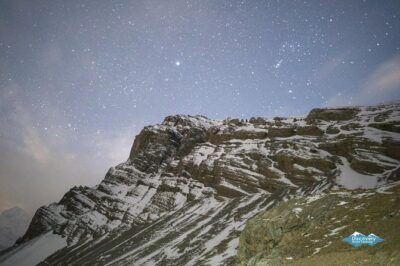 ★ 5.0Annapurna Circuit Trek with Tilicho LakeFrom $1,093368 reviews
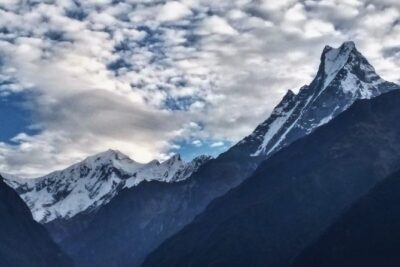 ★ 5.0Annapurna base camp trek 5 DaysFrom $699252 reviews
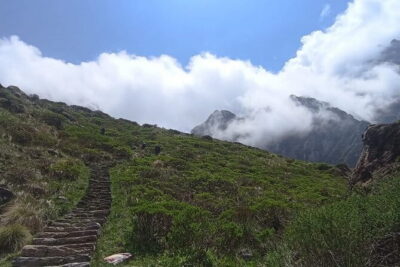 ★ 5.0Annapurna Base Camp TrekFrom $935111 reviews
 ★ 5.0Kathmandu to Annapurna Base Camp (ABC) 5-Day TrekFrom $99102 reviews
 ★ 5.04 Days Poon Hill TrekFrom $40594 reviews
 ★ 5.0Annapurna Circuit TrekFrom $1,17594 reviews
 ★ 5.0Annapurna Base Camp Trek 12 DaysFrom $80085 reviews
 ★ 5.0Ghorepani(Poonhill Trek)From $60081 reviews
Browse the lists this tour appears in