

REVIEW · ANNAPURNA TREKS FROM KATHMANDU
10 Days Annapurna Circuit Trek
Thorung La is the kind of day you remember. This trek stitches together Manakamana Temple culture, classic mountain panoramas, and the high point at 5,416m, with a steady rhythm that feels manageable for 10 days. I especially like how the route keeps changing scenery, from forested climbs to drier, high-altitude stretches, but a real consideration is that some sections near Thorung Phedi have narrow, unstable footing and you should be ready for a serious altitude day at the pass.
I also like the human support built into the plan. You get a guide plus a porter setup (1 porter for every 2 people), and the small group limit (up to 15) makes it easier to keep things moving without feeling rushed. Add included meals for 10 days and a sleeping bag, and you’re spending your energy on walking and photos, not logistics and planning.
Key highlights at a glance

- Thorung La Pass at 5,416m: the main summit moment, with big views across the Dhaulagiri range.
- Manang village plus Gangapurna Lake: a culture and mountain-life day, not just another passing checkpoint.
- Scenery variety you can feel daily: pine forests, narrow valleys, bridge crossings, and then arid Kali Gandaki terrain.
- Temple stops that break up the trek: Manakamana earlier, then Muktinath after the pass day.
- Jomsom to Pokhara by domestic flight: you trade a long downhill grind for a fast finish and views over the gorge.
- Tight support team: guide and porters plus private transportation helps keep the pace and comfort consistent.
Entering Nepal’s rhythm: Kathmandu to Besishar, then straight into the hills
Day 1 starts with a pick-up around 7:15 am from the Himalayan Trekking and Tours meeting point in Kathmandu. From there, you’re looking at a long drive to Besisahar, then a temple visit at Manakamana Temple along the way. It’s a classic “reset your brain” start, Kathmandu noise fading behind you while you’re already moving toward trekking country.
What makes this first day work is the mix of road time and cultural timing. You get enough travel to stop thinking about the city, but you’re not thrown straight onto steep trails the moment you arrive. If you’re the type who gets anxious on day one, this structure helps.
Also, this is where your guide and porter team effectively begins operating. Even if the walking is light compared to later days, the staff is already managing transfers, pacing, and check-in flow, which matters later when altitude fatigue shows up.
The main drawback for most people is simple: day one is long. You spend hours in transit before you settle into the trekking days, so plan for a slower start mindset.
You can also read our reviews of more hiking tours in Kathmandu
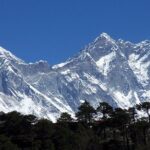
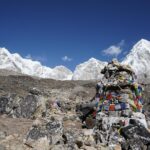
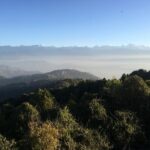
Chame and Manang build-up: bridges, pine, and close-up mountain drama

Days 2 through 4 are about getting your legs used to the climb while Nepal’s big peaks start showing up in layers.
On Day 2, the trail climbs to Tyanja (2,360m) and continues up toward Kopar (2,590m). Then you reach Chame, the Manang district headquarters, and you’re rewarded with strong views of Annapurna II. This is where you’ll notice the Annapurna Circuit’s trick: you don’t just hike, you also get frequent “reveal” moments. Peaks appear, change angles, and reappear, depending on where you crest.
Day 3 adds more character. The route moves through deep forest in a steep, narrow valley and includes bridge crossings, including one long bridge at around 2,910m and another at about 3,040m. Then the rock face of Paungda Danda becomes part of the horizon. If you like trekking days with a few technical-feeling moments (bridges, tighter terrain), this is a good day for it.
Day 4 leans into scenery that feels close and personal. You walk past aromatic pine forests, and as you near Manang you get close-up views of Gangapurna, Annapurna II and III, Tilicho, Chulu east, and Pisang Peak. That is a lot of names in one area, but practically it means you’re walking with a constant backdrop. The mountain drama starts turning from distant to immediate.
One thing I’d watch for on these mid-mountain days is pace. You’re climbing day after day, but this trek still relies on you feeling strong enough to handle the tougher stretches later. If you push too hard early, the pass day becomes harder than it needs to be.
Manang village and Gangapurna Lake: a break from trekking math
Day 5 is built around the idea that this trek is not only about altitude and mileage. You explore Manang village and interact with locals, then visit Gangapurna Lake.
This kind of stop matters because it gives your brain a different job. Trekking can turn into numbers, step counting, and fatigue management. A village and lake day shifts you toward observation, conversation, and slower pace. Even if you still walk, you’re doing it with context: you’re seeing how people live in the high mountains you’re passing through.
In the plan, the lake visit is listed with admission ticket free, so it’s one less thing to budget for on your end. You also get a day that feels more like a “mountain-life experience” than a pure transfer day.
A small caution: Manang-area days can feel physically demanding because you’re already higher than base elevations. If you’re prone to getting tired at altitude, take it easy once you’re there. The point is to enjoy the day, not prove a fitness benchmark.
Leaving Manang: Gunsang, Yak-Kharka, and the long road to Thorung Phedi

On Day 6, you leave Manang behind and the trek starts climbing toward the Marshyangdi valley. The route includes strenuous ascends to Gunsang village, then onward to Yak-Kharka, and you reach Ledar before sunset.
This day is important because it signals a change in “feel.” Up to this point, the trek has had plenty of scenic movement. Day 6 turns more into preparation. Your legs and breathing start to learn the new rhythm, and you’re getting closer to the high-country terrain that surrounds the Thorung La approach.
Day 7 continues that approach. You walk along the east bank of the Jorsang Khola and hike toward Thorung Phedi. The trail is described as tough on this route, with narrow paths and unstable slopes. You overnight at Thorung Phedi.
This is one of the most practical days to respect. The terrain description is your hint: stability is not guaranteed. Take shorter steps, keep your focus on footing, and do not treat this as just another day on the calendar. With the pass coming the next day, it’s the kind of day where being careful helps you arrive more fresh.
I also like that the itinerary gives you an overnight in Thorung Phedi rather than forcing you straight through. It means your pass day can start with less scramble.
Thorung La at 5,416m and Muktinath: the day you plan for months
Day 8 is the headline: a hike toward Thorung La Pass at 5,416m, described as the highest point of the trek, following rocky ridges. From the elevated venue you can spot the Dhaulagiri range. Then, after the pass focus, you stop at Muktinath Temple in Mustang.
This day is physically demanding by definition, and it’s also emotionally intense. You’re going from steep, high terrain to a sacred site, almost like Nepal gives you a gear shift. Muktinath is a reset. Even if you’re tired, it helps you connect the climb to meaning, not just effort.
Note the plan also says the Thorung La pass and Muktinath temple admissions are not included. That doesn’t mean they’ll be expensive for you, but it does mean you should have some extra cash or planning space for those items.
The best part of this itinerary design is the sequencing. By putting the temple stop on the same day, you avoid the feeling of reaching the pass and then having nothing to look forward to. You finish with something grounding.
If altitude has ever gotten the better of you on past trips, I suggest you treat this day with extra caution. One of the strongest positives from the company’s past experiences is that when altitude trouble appeared, the guides stepped in to support and prioritize safety and well-being. That kind of attitude matters most exactly on days like this.
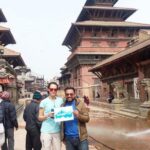
Down the Kali Gandaki Valley: arid terrain, Tibetan villages, and a fast finish
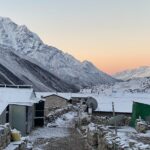
Day 9 begins with descending down the Kali Gandaki Valley through arid landscapes. The trail crosses Jharkot and Khingar, described as Tibetan villages, then follows the valley floor most of the way until you reach the Jo… area (the text is truncated, but the trek clearly heads toward the Jomsom side for your flight).
This is one of the most distinctive “after the pass” moments: your body is tired, but the scenery shifts. Arid terrain and valley floor walking feel different from the forest-to-pine world you left earlier. It can also be easier on some muscles, because you’re descending. Still, long downhills can wear out knees and ankles if you rush.
Day 10 is where the trip becomes practical and time-smart. After breakfast, you catch a morning flight to Pokhara. The flight is described as spectacular, flying above the Kali Gandaki Gorge with views of the Dhaulagiri and Annapurna ranges. Then you get free time in Pokhara, including boating at Fewa Lake.
This is a big value point. Instead of spending another full walking day grinding your way out, you convert the effort into sightseeing. It’s also a great choice if you’re traveling with time constraints, or if your knees are done after the pass descent.
What $1,430 buys you: value, meals, flights, and the real support system

The price is $1,430 per person for the roughly 10-day trek. On paper, that sounds like a high number until you look at what’s included. Here’s what you’re getting based on the package:
- Guide and porters: a guide plus a porter setup (1 porter assigned for 2 people).
- Private transportation: for transfers like the Kathmandu start to Besisahar.
- Domestic flight (Jomsom to Pokhara): included, with that gorge-and-range view.
- Sleeping bag: included.
- Meals: breakfast for 11, plus lunch for 10 and dinner for 10.
For me, the value is less about the dollar amount and more about what you don’t have to manage. You don’t have to coordinate separate rides, arrange the flight at the end, or negotiate meal plans day to day.
It also helps that the group size is capped at 15 travelers. Some treks feel chaotic with big numbers. A smaller group tends to make it easier for the guide to adjust pacing. In past experiences with this company, people specifically praised outstanding organization and attention to detail, even when the group was much larger than this trek’s cap. That suggests the systems behind the scenes are taken seriously.
What’s not included is also important for your budget reality:
- Bottled water
- Alcoholic beverages
- Air-conditioned vehicle
And the itinerary notes that admission tickets are not included for Thorung La Pass and Muktinath Temple, while some other stops are listed as ticket free.
I’d treat it like this: the package covers the core mountain logistics and support, and you handle the small, personal extras as you go.
The staff difference: guides like Babu and Resham, plus porters like Rojit
This trek’s quality shows up in the people.
On the Annapurna Circuit specifically, the guides have been praised for being warm, helpful, and flexible. Babu is mentioned as providing a friendly introduction to Nepal and supporting comfort and pacing. Resham is also named, with people noting that he was accommodating during the trek. Porter Rojit comes up as friendly and supportive too.
There’s also a clear theme tied to safety. When altitude issues started in one case, the guides were there early and took a supportive role rather than brushing it off. That doesn’t mean altitude risk disappears. It does mean your team is paying attention when your body starts sending signals.
If you’re the kind of traveler who cares about more than just scenery, that matters. A guide can make the same trail feel easy or punishing, depending on how they manage breaks, pace, and decision-making.
Who this trek is best for (and who should think twice)
This Annapurna Circuit plan is best for you if:
- You have moderate physical fitness, as stated.
- You want a guided experience with porters and most meals handled.
- You like the idea of a high pass day (Thorung La at 5,416m) plus a cultural finish (Muktinath and then Pokhara).
- You prefer not to arrange the end of the trek yourself, since the Jomsom to Pokhara flight is included.
It may not be the right fit if:
- You struggle with long days of climbing and narrow, unstable trails, especially the Thorung Phedi approach described as tough.
- You want a purely easy walking style. This trek includes strenuous ascends and a major pass.
If this is your first multi-day trek, you’ll still likely be okay, as long as you respect your pace and take the pass day seriously. A big part of success here is walking smart, not walking fast.
Should you book this Annapurna Circuit trek?
I’d book this tour if you want a classic Annapurna Circuit route with a built-in support system and a finish that doesn’t punish you with extra trekking days. The combination of Thorung La, time in Manang including Gangapurna Lake, temple stops, and the flight out to Pokhara feels like a balanced package for 10 days.
I’d also feel comfortable booking if you value organization and staff attention. Past experiences with guides like Babu and Resham, plus porters like Rojit, point to a team that tries to keep things smooth and supportive.
But be honest with your body. If you’re not ready for a serious altitude day and a tough pass approach, you may end up miserable even with the best guide. For this itinerary to feel worth it, you need to show up prepared to walk hard for several days and take the high point with care.
If that sounds like you, this is a strong way to do the Annapurna Circuit in a tight 10-day window.
More Hiking & Trekking Tours in Kathmandu
More Tour Reviews in Kathmandu
Not for you? Here's more nearby things to do in Kathmandu we have reviewed


Annapurna Treks from Kathmandu, compared.
 ★ 5.0Annapurna Circuit Trek with Tilicho LakeFrom $1,093368 reviews
 ★ 5.0Annapurna base camp trek 5 DaysFrom $699252 reviews
 ★ 5.0Annapurna Base Camp TrekFrom $935111 reviews
 ★ 5.0Kathmandu to Annapurna Base Camp (ABC) 5-Day TrekFrom $99102 reviews
 ★ 5.04 Days Poon Hill TrekFrom $40594 reviews
 ★ 5.0Annapurna Circuit TrekFrom $1,17594 reviews
 ★ 5.0Annapurna Base Camp Trek 12 DaysFrom $80085 reviews
 ★ 5.0Ghorepani(Poonhill Trek)From $60081 reviews
Browse the lists this tour appears in