

REVIEW · KATHMANDU SACRED SITES TOURS
The Boudhanath Yoga Experience in Nepal
Yoga by Boudhanath feels instantly grounded. This 4-hour workshop turns a major Kathmandu sight into a calm, hands-on class, with hotel pickup so you are not juggling streets or timing. You also get a real look at Boudhanath Stupa, one of the most important Buddhist pilgrimage places in Nepal, right beside where you practice.
I especially like the way the yoga is taught for real-world bodies and real-world focus. You get move-by-move instruction and plenty of room to ask questions, which makes the breathing and meditation feel practical, not mysterious. The one thing to consider is that the area around Boudhanath is active, so if you are chasing total silence, you may notice the city beyond the practice space.
The upside is a balanced mix of physical postures and mind training, wrapped in Buddhist-inspired teachings. Expect time to view the stupa, then settle into a structured class that works on breath, hand gestures, and guided attention, with an experienced instructor and a group capped at 14.
Key highlights worth clocking before you go

- Boudhanath Stupa next door: you get a peek at the world’s largest Buddhist stupa while still doing your yoga
- Private hotel transfers: round-trip pickup and drop-off by private vehicle, so the day stays simple
- A full practice menu: asanas, mudras, pranayama, plus techniques for focus and meditation
- Breathing that aims to relax and purify: pranayama is taught as both calming and energizing
- Small-group feel: maximum 14 travelers keeps it easier to follow and ask questions
- Half-day length, not a time sink: about 4 hours total, with 2.30 hours devoted to yoga
Kathmandu Morning Pickup, Then Straight to Boudhanath
This experience is timed like a good city outing, not a whole-day production. It starts at 9:00 am, and you are looking at roughly 4 hours total, with 2.30 hours of actual yoga class time. That balance matters in Kathmandu, where getting across town can eat your energy if you do it on your own.
The big comfort win is round-trip hotel pickup and drop-off. You meet the team, then ride in a private vehicle to Boudhanath and back. For me, this is where the value shows up. At $110 per person, you are not just paying for yoga, you are also paying to remove transportation stress and coordination work from your morning.
Your destination is the Boudha area, home to the world’s largest Buddhist stupa and a thriving exiled Tibetan community. Even if you have been to Kathmandu before, this part of town has a different tempo. It is a place where you can see devotion in motion, and where the setting naturally supports a more mindful day.
One practical thing to plan for: the class happens in a real public area. A past participant noted that even though it is busy nearby, the yoga stays focused and does not get derailed by the surrounding noise. Still, if you are extremely sensitive to activity, keep your expectations grounded.
You can also read our reviews of more tours and experiences in Kathmandu.

Boudhanath Stupa: What You’re Seeing and Why It Matters
One of the nicest parts of this tour is that you do not treat Boudhanath Stupa like a quick photo stop. You get a great chance to visit Boudhanath Stupa and spend time looking at a major spiritual landmark before you settle into practice.
The stupa itself is the anchor of the day. This site is widely recognized for its scale and importance, and you are literally walking distance from where you will learn your yoga. That proximity changes the feel of the morning. Instead of separating sightseeing and spirituality, you blend them, which makes the whole session feel connected rather than stitched together.
And because the entry fee at Boudhanath Stupa is included, you avoid a common hassle. You do not need to figure out ticketing or scramble for the right person while you are already trying to arrive in time and warm up mentally.
What I think you will notice once you are there is how the stupa acts like a focal point. People orient themselves around it for prayer and attention. That matters for the yoga side, because you are about to work with techniques aimed at steadying the body and mind.
There is also a social layer. Boudha is tied to the exiled Tibetan community, so you are not only looking at architecture, you are witnessing a living tradition. The setting helps explain why the workshop leans so heavily into Buddhism-inspired teachings, instead of treating yoga as a purely physical workout.
Inside the Yoga Workshop: Asanas, Mudras, and Breathing
The core of this experience is the hands-on yoga class, taught by a highly qualified, trained yoga instructor. You get 2.30 hours of instruction, which is long enough to learn and practice without feeling like you are constantly rushing to the next thing.
You start with the foundation: asanas, which are proper posturing of the body. This is not just about copying shapes. Good instruction here helps you learn how to move with less strain and more control, so your body supports your breath instead of fighting it.
Then you build from there with mudras, the hand gestures designed to guide the flow of energy. Mudras are an interesting addition because they turn stillness into something you actively do. Even if you are not familiar with the concept, the practical side is that you gain another way to focus your attention.
After postures and gestures, the workshop shifts into pranayama, breathwork. The way it is described is worth paying attention to: pranayama is presented as relaxing you and purifying both body and energy. In real life, you can treat this as breath regulation for calm, then gradually make it a mindfulness exercise. The goal is not breath gymnastics. The aim is steadiness and clarity.
One reason this is such a strong fit for beginners is the teaching style. A previous participant highlighted that the instructor explains everything move by move. That matters because yoga in a new cultural context can feel intimidating if you are left guessing.
Also, the class is designed to be approachable. The experience says most travelers can participate, and the structure supports adaptation. If you have limitations, you will likely be able to follow along at your level, especially with a smaller group.
Dhārana, Dhyāna, and the Mind Training Piece
Yoga here is more than physical practice. The workshop spells out a full sequence of mind-focused techniques, and it ties them directly to Buddhist teachings.
You will cover:
- dharana, the technique of controlling the mind to cultivate positive energy
- dhyana, a proper technique for divine meditation that helps liberate the mind
Even if those terms are new to you, the idea is familiar. Dharana is attention training. Dhyana is the deeper, steadier practice that comes when attention stops constantly jumping tracks.
What I like about this is the balance. Many yoga classes either focus mainly on the body or mainly on meditation. This one deliberately links body movement, breath regulation, and mind focus into a single pathway.
The workshop also references the Eight-Fold Path as taught by Lord Buddha, along with the Seven Disciplines. You do not need to be a scholar to benefit. Think of it as a framework for how the practice supports daily life, not only your mat.
And the setting reinforces it. When you are near Boudhanath, the idea of liberation and calm is not theoretical. You are practicing in a place where people come to focus their minds, so the workshop’s meditation component feels less like a separate add-on and more like the natural endpoint of the breath and posture work.
If you are the type who asks questions, bring that energy. In one review, the participant explicitly said it is fine to ask questions and that the teacher welcomes you. That is a good sign for anyone worried that their questions might be a bother.
Private Transfers and the Smooth 4-Hour Schedule
This is the kind of tour that respects your time. You are not spending half the day figuring out transport, negotiating directions, or trying to remember where you parked your patience.
Your day runs like this in plain terms:
- Meet for pickup from your Kathmandu hotel.
- Ride to the Boudhanath area.
- Spend time with Boudhanath Stupa as part of the experience.
- Enter the yoga workshop and practice for 2.30 hours.
- Return with drop-off to your hotel.
That structure is valuable because it keeps transitions simple. Yoga is sensitive to mood. If you arrive frazzled, it takes longer to settle. Private transfers help you arrive ready to focus.
The small group size helps too. The experience caps at 14 travelers, and smaller groups usually mean more personal attention and fewer communication gaps during breathing and posture instruction.
One detail to note: the tour includes transport by private vehicle. That sounds standard, but in Kathmandu, private means your day stays on your schedule instead of constantly reworking your route.
Finally, your price includes entry fee at the stupa and the instruction. Since food and drinks are not included, plan to eat before or after your class window. You do not want a hungry body to take over your attention during pranayama.
Price and Value: What $110 Covers (and What It Doesn’t)
At $110 per person, this is not a bargain-basement class, but it is also not overpriced for what you get. Here is what is clearly included:
- Hotel pickup and drop-off
- Transport by private vehicle
- Highly qualified yoga instructor
- 2.30 hours yoga class
- Entry fee at Boudhanath Stupa
That combination is where the value sits. If you tried to recreate this on your own, you would still pay for transport, possibly pay for stupa entry, and then find a qualified teacher for a structured session that includes breathwork and meditation techniques. This tour bundles the whole package into a half-day format.
Two more value signals:
- Group discounts are offered, which can help if you are traveling with others.
- The experience is capped at 14, which usually supports a less chaotic class environment.
What is not included is also important: food and drinks. That is common, but it matters because you are in a practice-oriented day. If you are used to grab-and-go travel breakfasts, this is the time to be a little deliberate. Eat normally, hydrate responsibly, and keep your stomach settled before the session begins.
There is also timing context. The average booking lead time is 113 days. That hints the experience is in demand, so if you want a smoother schedule, lock it in early.
Who This Yoga Workshop Suits Best
This experience is a great match if you want your yoga tied to place and meaning. The workshop is explicitly Buddhism-inspired, and the day flows through Boudhanath Stupa and into techniques like mudras, pranayama, dharana, and dhyana.
It is also a good fit if:
- You are curious about how yoga can be holistic, not only physical
- You like structured teaching with clear step-by-step guidance
- You want a smaller group format where questions feel welcome
- You value not navigating the city yourself, especially in a time-specific morning
It may be less ideal if:
- You need total quiet and you dislike the sense of being in a busy public area, even if the class keeps you focused
- You are looking for a purely athletic yoga workout, since the class includes mind training and meditation techniques rather than only challenging poses
For first-time yoga students, the approach is promising. The workshop emphasizes breathing, posture, and attention. That is usually easier to follow when teaching is detailed move by move.
If you are an experienced yogi, you might still find value in the inclusion of mudras and the way breathwork is framed within a Buddhist-inspired path. You may not agree with every teaching lens, but you can still benefit from the method and the setting.
Practical Tips Before You Go (So You Can Enjoy It)
This one is simple, but a few small choices make a noticeable difference.
Wear loose-fitting clothing so you can move comfortably through asanas and settle into breathwork and meditation. Yoga feels better when your clothes do not distract you.
Arrive with a mindset for learning rather than performing. You are being taught techniques like pranayama, dharana, and dhyana, which take practice. If you expect perfection, it will feel harder than it needs to.
If you are worried about not understanding the terms, you do not need to study the vocabulary beforehand. The teaching is designed to be accessible, and the workshop format supports questions.
Finally, remember that food and drinks are not included. Plan your meal timing around a morning start. If you eat too close to the class, you might feel uncomfortable during breathwork. If you wait too long, you might lose focus.
Should You Book the Boudhanath Yoga Experience?
If you want yoga that is connected to a real spiritual setting, with Boudhanath Stupa as more than scenery, I think this is worth your time. The combination of structured instruction, breathwork, and meditation training, plus hotel pickup and included stupa entry, makes the day feel smooth and meaningful.
Book it if you like hands-on teaching and you want a calm morning without city logistics. Skip it if you are only after a workout-style class or if you absolutely need a silent, off-the-grid environment.
Either way, you are going to leave with two things you can use later: a better sense of how breath and attention work together, and a stronger memory of Boudhanath that is tied to practice, not just sightseeing.
FAQ
How long is the Boudhanath Yoga Experience?
The experience lasts about 4 hours total, and the yoga class portion is 2.30 hours.
What time does the tour start?
It starts at 9:00 am.
Does it include hotel pickup and drop-off?
Yes. Hotel pickup and drop-off are included, along with transport by private vehicle.
Is Boudhanath Stupa entrance included?
Yes. The entry fee at Boudhanath Stupa is included, and you have a good chance to visit the stupa during the experience.
What will you learn during the yoga class?
The class covers asanas (posturing), mudras (hand gestures), pranayama (breathing techniques), dharana (mind control), and dhyana (meditation techniques).
What is the group size limit?
The tour has a maximum of 14 travelers.
Is food included, and what is the cancellation policy?
Food and drinks are not included. Free cancellation is available, and you can cancel up to 24 hours in advance of the experience start time for a full refund.
More Tour Reviews in Kathmandu
Not for you? Here's more nearby things to do in Kathmandu we have reviewed


Kathmandu Sacred Sites Tours, compared.
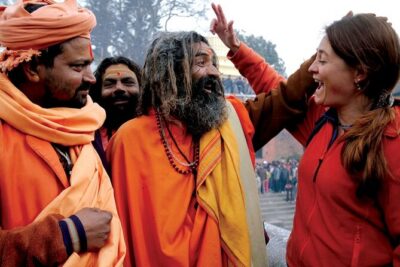 ★ 5.0Kathmandu Spiritual Sites: Bodhnath & Pashupatinath TourFrom $60185 reviews
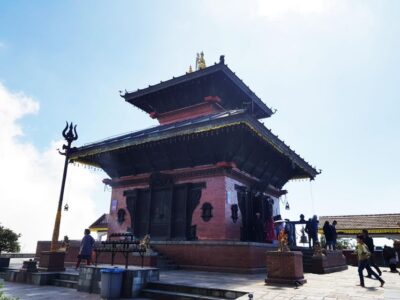 ★ 4.8Chandragiri Cable Car and Monkey Temple TourFrom $3139 reviews
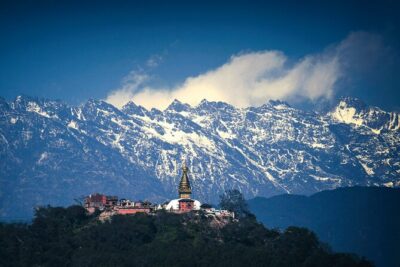 ★ 5.0Monkey Temple – Swayambhunath Tour – Private/Small GroupFrom $1550 reviews
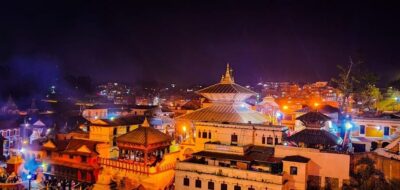 ★ 5.0Pashupatinath Temple Evening Aarati TourFrom $4536 reviews
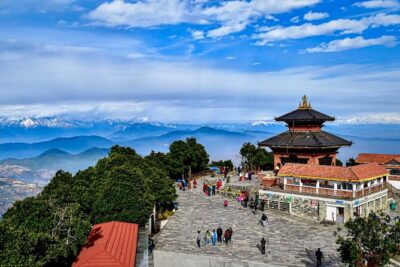 ★ 5.0Chandragiri Cable Car & Monkey Temple Tour- Private/GroupFrom $532 reviews
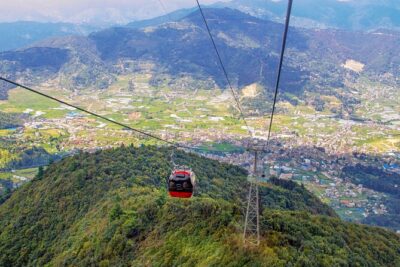 ★ 5.0Private Chandragiri Cable Car and The Monkey Temple TourFrom $530 reviews
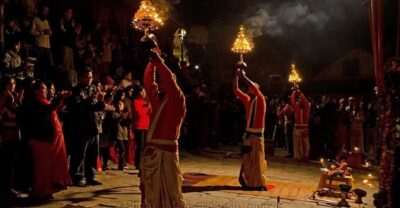 ★ 4.8Pashupatinath Temple Aarti Night TourFrom $7129 reviews
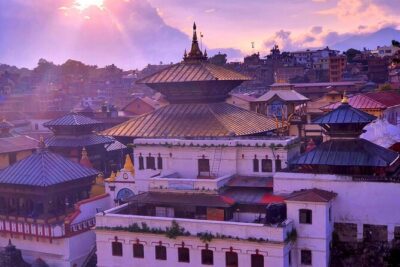 ★ 5.0Pashupatinath Temple, Hindu Crematorium and Aarati in-depth TourFrom $9025 reviews
Browse the lists this tour appears in