
REVIEW · KATHMANDU SACRED SITES TOURS
Monkey Temple – Swayambhunath Tour – Private/Small Group
One hill, a dozen beliefs, and stairs that change your pace. This small-group Swayambhunath tour links the legends of the Monkey Temple with the story of the Kathmandu Valley. You also get a guided walk through nearby Hindu and Buddhist shrines, not just the main stupa.
I especially like the max 5-person group size, which makes it easier to ask questions and move at a comfortable pace. I also like that your guide (often Santosh) ties what you see to the myths behind it, including context for religious ceremonies when they’re happening. The one drawback: you’ll be doing a lot of walking on uneven ground, including 365 stairs.
Key things to love about this Monkey Temple tour
- Max 5 participants, so the guide can actually keep track of what you’re noticing
- Myths with meaning, not just facts, including Swayambhunath origin stories and Kathmandu Valley legends
- Plenty of shrine stops, from Harati Ajima to Manjushree to Amideva Buddha Park
- Temple-view moments, including a panoramic look from Manjushree area
- Small, clear extra cost, the Swayambhunath entrance fee paid in cash to temple authorities
Why Swayambhunath myths are easier with a guide than on your own
Swayambhunath, also called the Monkey Temple, sits on a hill in central Kathmandu. The place is famous, but it can feel like sensory overload if you’re trying to read everything at once. This tour helps you make sense of it by turning the architecture, statues, and ritual spaces into a story.
You’re not only going up for a view. You’re walking through the blend of Hindu and Buddhist beliefs that shapes this corner of Kathmandu. That’s where a good guide earns their keep. When people are doing ceremonies, the “what” is one thing. The “why” is what makes it click, and that context is built into this tour.
Group size matters here. With up to 5 people, you get more time per stop and less waiting around. It also helps if you like to pause and look, or if you want to ask about what a statue, pond, or courtyard represents.
You can also read our reviews of more private tours in Kathmandu
Meeting in Thamel: Pumpernickel Bakery and the vibe right away
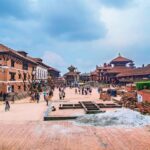
The tour meets at Pumpernickel Bakery in Thamel (Parayatan Marg, Kathmandu). It’s a solid choice because Thamel is where most first-timers start their Kathmandu days. You can do a quick breakfast or coffee nearby before you meet.
Once everyone gathers, the tour includes a transfer to the start point at the base area (Bhagwan Pau). Plan on an organized start, and plan on comfortable shoes. This is a hill walk with temple steps, so footwear is not a minor detail.
If you like a clear handoff and a plan that actually moves, this tour’s structure helps. You’re not wandering for hours trying to guess what comes next.
Bhagwan Pau and the 365 stairs: your first real taste of the hill
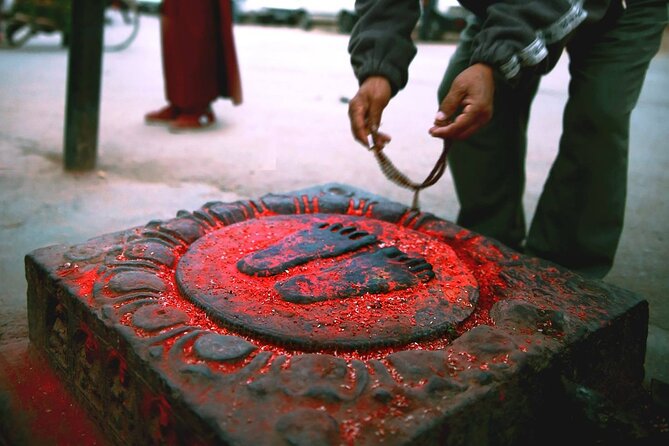
The walk starts at Bhagwan Pau, described as the feet of Lord Buddha at the bottom of the Swayambhu hill. This is more than a dramatic entrance photo spot. It sets your frame for the whole visit, because it signals a devotional starting point.
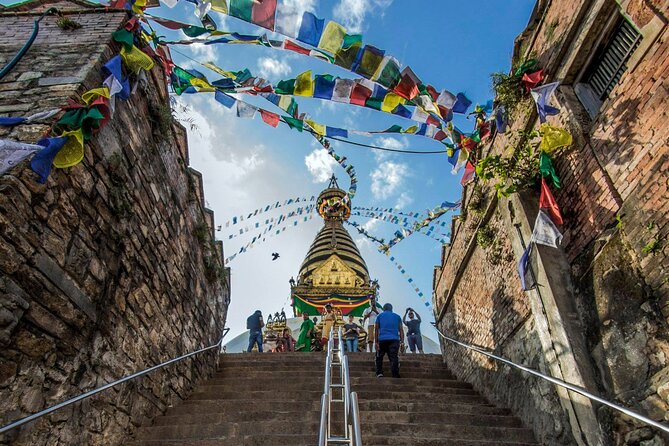
From there, the main entrance leads into the famous climb: 365 stairs up toward Swayambhunath. The tour builds in time for a brief rest and water, which matters because the stairs can feel longer when you’re moving slowly and stopping often.
Here’s the practical consideration: if you’re not used to steep stair climbs on uneven stone, go slower than you think you need to. This tour is designed for a guided pace, but the physical effort is still real.
Swayambhunath stupa: legends of origin and Kathmandu Valley context
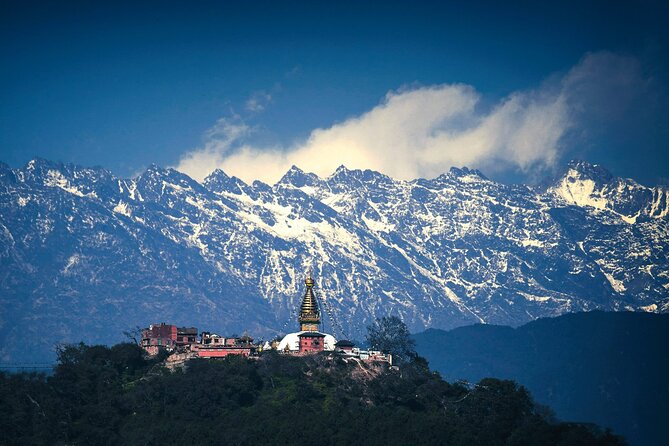
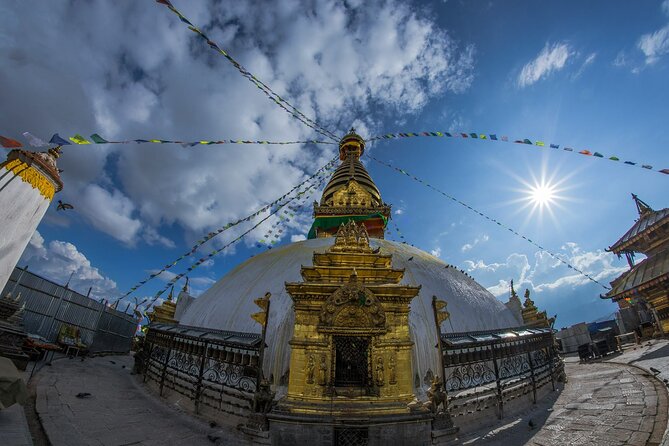
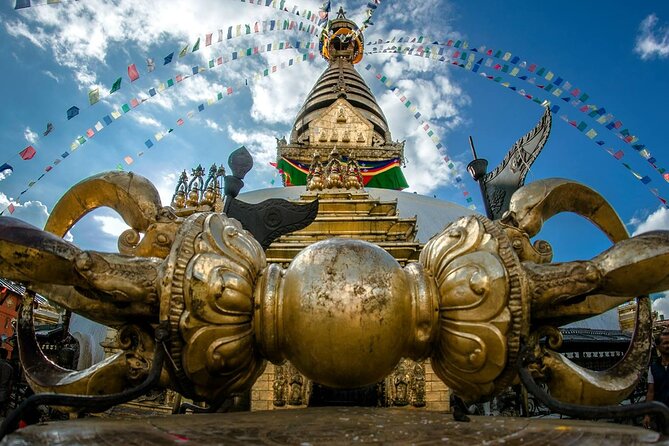
Swayambhunath is the main attraction, one of the holiest Buddhist stupas in Nepal, and it sits right where you can see a lot of Kathmandu. The guide focuses on the myths and legends around Swayambhunath’s origin and the wider story of the Kathmandu Valley.
This is the part I’d prioritize even if you’re short on time. The stupa itself is visually striking, but the real value is learning how the symbols connect to belief and local storytelling. You also explore the surrounding Swayambhu neighborhood areas, so you’re not just standing in one spot.
Admission for this main stupa is not included in the tour price. You’ll pay 200 rupees in cash directly to temple authorities (about US$1.50). That small extra step is easy to plan for, and it prevents confusion on the day.
Indrayani/Luti Ajima and Bijeshwori: the Hindu-Buddhist overlap that makes Swayambhu unique
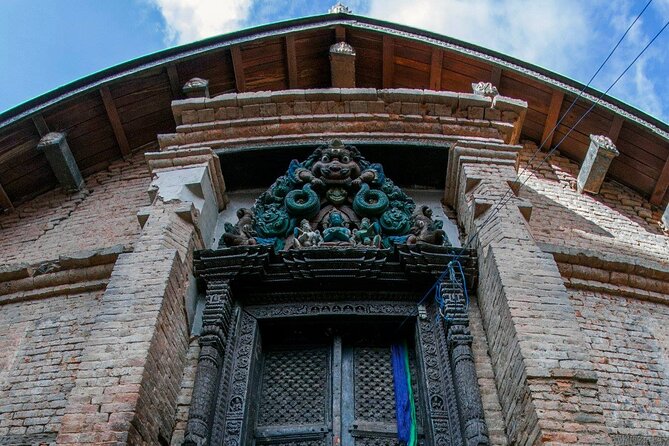
This walk doesn’t treat Swayambhunath like a single-faith stop. You get detours into other sacred sites that help explain why the hill remains important to different communities.
Two stops that stand out are:
Indrayani / Luti Ajima Temple
You’ll hear a local origin story connected to the founding era of Kathmandu. The tour describes how, in the 13th century, Licchavi King Gunakamdev made Kathmandu city and established eight Matrikas in the shape of Khadga, with this temple counted among them. Even if you’re not a history buff, it helps you understand why certain shrines exist where they do.
Bijeshwori Temple
This one is considered sacred to both Hindu and Buddhist followers. It’s described as a significant pilgrimage for Tibetan Buddhists because it’s affiliated with Buddhism. You’ll also be told that some Hindu disciples regard it as sacred too. That two-sided importance is exactly what you want to grasp when you’re visiting a place like Swayambhu.
If you’ve been to temples before but still felt like you were missing the meaning, this section is where the tour starts paying off.

Harati Ajima: the pagoda-style temple and the story behind Mother Harati
Next comes Harati Ajima Temple, with a focus on Nepalese pagoda-style architecture. This is one of those places where the building form and the myth behind it work together.
You’ll be told the story of Harati, a demon who becomes Mother Harati. It’s a conversion story with a strong emotional hook, because it explains why people around the valley worship her. For many visitors, this stop turns the hill from a “stupa sight” into a more human, story-driven landscape.
Admission for this stop is included. So you can spend your attention on the guide’s explanation and the details of the architecture, instead of checking ticket counters.
Manjushree Temple and the western-side panorama
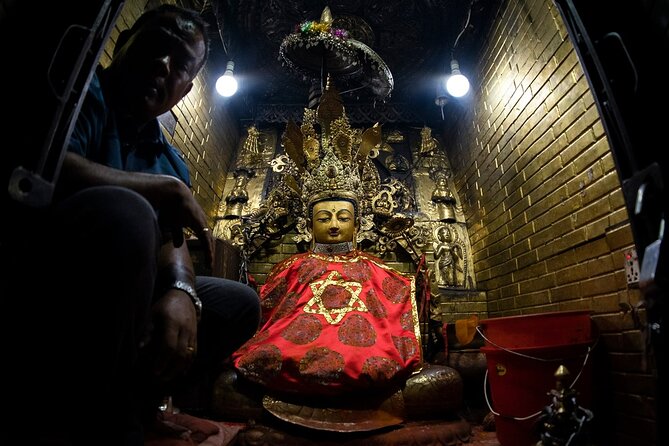
Manjushree Temple is dedicated to Maha Manjushree, and you’ll hear legends connected to how the Kathmandu Valley was turned into a city from a great lake. That lake-to-city story gives the hills around you a larger role, like they’re part of a bigger origin map.
You’ll also get a panoramic view toward the western side, which is one of the best reasons to schedule time for this stop rather than rushing straight to the top. Views are great, but this one is more satisfying because it connects to a story about why the city exists in its current form.
Admission for Manjushree area is included, so again, the tour keeps this part low-friction.
Amideva Buddha Park and World Peace Pond: modern forms of devotion
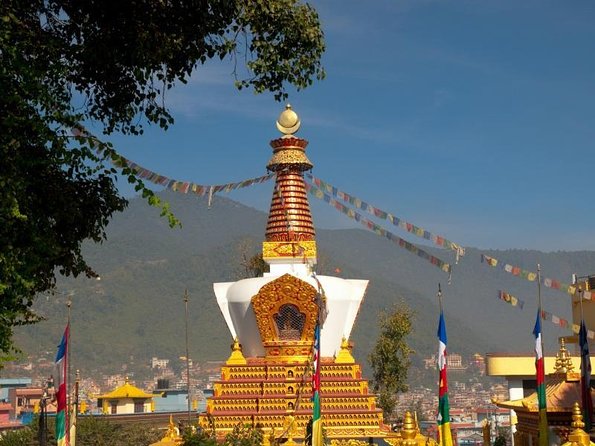
After Manjushree, the route continues to Amideva Buddha Park, built around huge idols: Amitabha Buddha (Amideva) in the center at 67 feet, and Chenrezig and Padmasambhava on the sides at 64 feet each. The sheer scale makes this stop feel different from the older temple buildings. It’s still devotional, but in a more monumental, park-like setting.
You walk around the park while the guide shares the Sid… story tied to these beliefs (the full name of the story isn’t spelled out in the details provided, but you’ll get the meaning behind why these figures are placed here).
Nearby, you’ll also see World Peace Pond, located on the western side of Swayambhunath Temple. In the middle of the pond is a brass Buddha standing on a lotus flower, with words on the surrounding walls written in English. It’s a quieter moment than the stair climbs, and it makes a good breather before the walk continues.
Admission for the Amideva Buddha Park stop is listed as included, so this is another “yes, do the stop” moment without extra hassle.
Shova Bhagawati by the Bishnumati River, then back to Thamel
Not every viewpoint or shrine is on the main stupa axis. The tour also includes Shova Bhagawati, a holy shrine devoted to the goddess Bhagwati on the bank of the Bishnumati River in Kathmandu. The tour notes it’s one of the four major Bhagwati temples in Kathmandu.
This stop helps you widen the lens beyond Swayambhu hill itself. If you only visit one hilltop, it’s easy to miss how the city’s religious life connects to rivers, shrines, and neighborhood worship.
At the end, you walk back toward Kathmandu Eco Hotel area in Thamel, returning to the meeting point area at Pumpernickel Bakery. If you want to keep exploring on your own, you can also extend the walk from there.
Price and logistics: is $15 good value, plus a small temple fee?
The base price is US$15 per person, for a tour that runs about 3 hours and keeps the group to a maximum of 5. For Kathmandu, that combination is usually where value shows up: short enough for a busy schedule, guided enough that the myths and temple meaning do not feel like guesswork.
On top of that, you should budget for the Swayambhunath entrance fee: 200 rupees in cash, paid directly to temple authorities. The amount is small, roughly US$1.50, but it matters because it’s not included.
So the real value equation is this: you’re paying a modest amount for a guided walk that covers multiple sites, and then you pay a small, straightforward temple fee for the main stupa. Add in the English-speaking guide and the mobile ticket included, and it’s a pretty clean deal for first-time visitors who want structure.
One more practical note: coffee and tea are not included. If you need caffeine or a snack, plan it before the tour or bring a small water-friendly option of your own.
Who should book this Swayambhunath tour, and who should skip it
This tour fits best if you:
- Want a short, guided introduction to Monkey Temple and the surrounding shrines
- Like walking with stories tied to what you see
- Prefer a small group where you don’t get separated from the guide
- Want context for religious ceremonies, so you understand what’s happening instead of just watching
You should think twice if you:
- Have knee problems or severe asthma, since the tour recommends against those conditions
- Struggle with steep stair climbs and uneven temple ground
- Expect a purely relaxing sightseeing pace with minimal stairs, because the 365-step section is part of the experience
It’s also a strong pick for solo travelers who want guidance plus safety and clarity. In the feedback shared for this tour, Santosh is highlighted for careful explanations and taking time with visitors, including solo women.
Quick practical tips so the stairs don’t steal your joy
Here are the details that make the biggest difference:
- Bring cash for the 200 rupees Swayambhunath entrance fee, paid directly at the site
- Wear shoes you trust on stone steps, not sandals with slippery soles
- Carry water, and use the rest breaks the tour provides near the start
- Plan your photos, but also plan moments of looking without your camera
- If you have asthma or knee issues, be honest with yourself about what you can handle on steep steps
This is one of those days where small preparation equals a big difference in comfort.
Should you book the Monkey Temple Swayambhunath tour?
Book it if you want to go beyond the Monkey Temple headline. This is a meaning-first walking tour, linking the stupa to Kathmandu Valley origin stories and balancing Buddhist and Hindu sacred sites on the same hill route. The max 5 group size and the guide’s story-driven approach (including Santosh’s clear, time-taking explanations) make it an efficient way to learn without feeling rushed.
Skip it or choose a different option if stairs and steep climbs will be a problem for your body. The tour is short at about 3 hours, but the hill is not flat, and the experience is built around those climbs.
If your goal is a structured, small-group introduction that feels grounded in local belief, this one is easy to recommend.
FAQ
How long is the Monkey Temple – Swayambhunath Tour?
The tour runs about 3 hours.
What is the group size limit?
The tour is limited to a maximum of 5 travelers.
Where do we meet?
You meet at Pumpernickel Bakery in Thamel (Parayatan Marg, Kathmandu 44600, Nepal).
Is there an entrance fee for Swayambhunath?
Yes. The Swayambhunath entrance fee is 200 rupees, paid in cash directly to temple authorities. It is not included in the tour price.
What is included in the tour price?
The tour includes an English-speaking guide. Some stops list admission tickets as included, but the main Swayambhunath entrance fee is not included.
Do I need cash or can I use a card?
For the Swayambhunath entrance fee, you need cash because it is paid directly to temple authorities.
Is this tour suitable for people with mobility or health concerns?
The tour recommends a moderate physical fitness level. Travelers with severe asthma and knee problems are not advised to join.
Can I cancel for free?
Yes. You can cancel up to 24 hours in advance for a full refund.
More Private Tours in Kathmandu
More Tours in Kathmandu

More Tour Reviews in Kathmandu
Not for you? Here's more nearby things to do in Kathmandu we have reviewed


Kathmandu Sacred Sites Tours, compared.
 ★ 5.0Kathmandu Spiritual Sites: Bodhnath & Pashupatinath TourFrom $60185 reviews
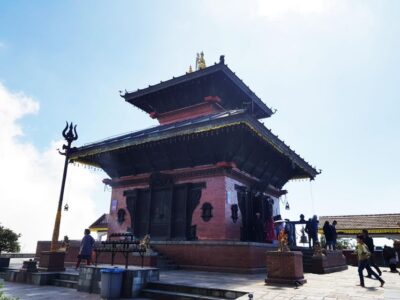 ★ 4.8Chandragiri Cable Car and Monkey Temple TourFrom $3139 reviews
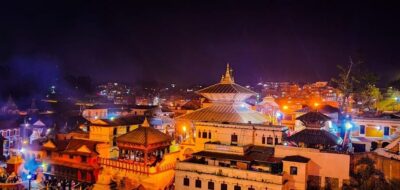 ★ 5.0Pashupatinath Temple Evening Aarati TourFrom $4536 reviews
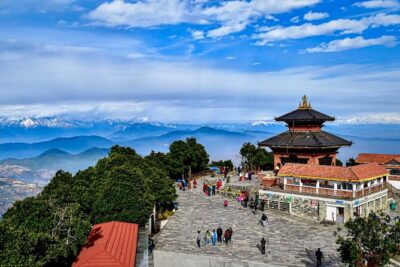 ★ 5.0Chandragiri Cable Car & Monkey Temple Tour- Private/GroupFrom $532 reviews
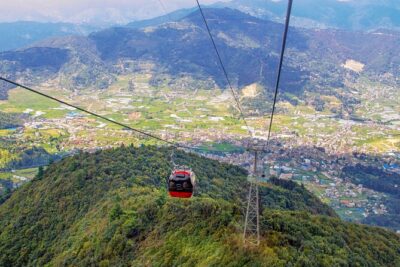 ★ 5.0Private Chandragiri Cable Car and The Monkey Temple TourFrom $530 reviews
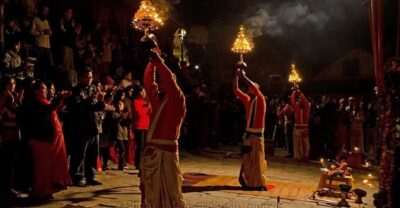 ★ 4.8Pashupatinath Temple Aarti Night TourFrom $7129 reviews
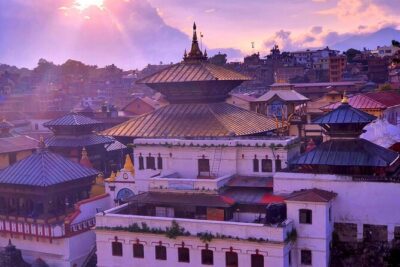 ★ 5.0Pashupatinath Temple, Hindu Crematorium and Aarati in-depth TourFrom $9025 reviews
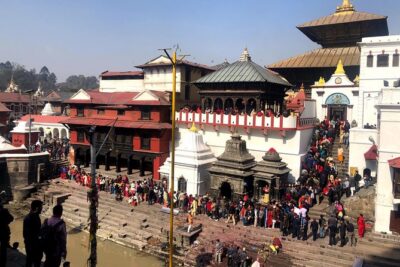 ★ 4.5Pashupatinath Evening Aarati: Few Divinely Hours in KathmanduFrom $3523 reviews
Browse the lists this tour appears in