
REVIEW · KATHMANDU SACRED SITES TOURS
Kathmandu: Pashupatinath Temple Evening Aarati Tour
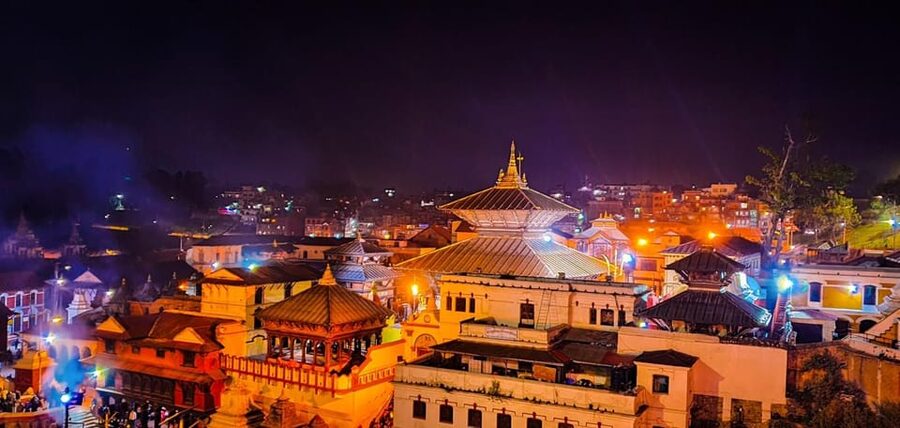
Six o’clock in Kathmandu smells like incense. This evening ritual at Pashupatinath Temple turns the Bagmati River into a moving stage of lights, bells, and Vedic chanting.
Two things I really like: you get a guide-led walk through the temple complex before the ceremony, and you’re positioned to watch the aarti at the riverbank when the chanting and oil lamps come to life. One possible drawback: photography is only allowed in permitted areas, so you may need to be flexible about where you can stand and shoot.
Quick hits: what you’ll notice right away
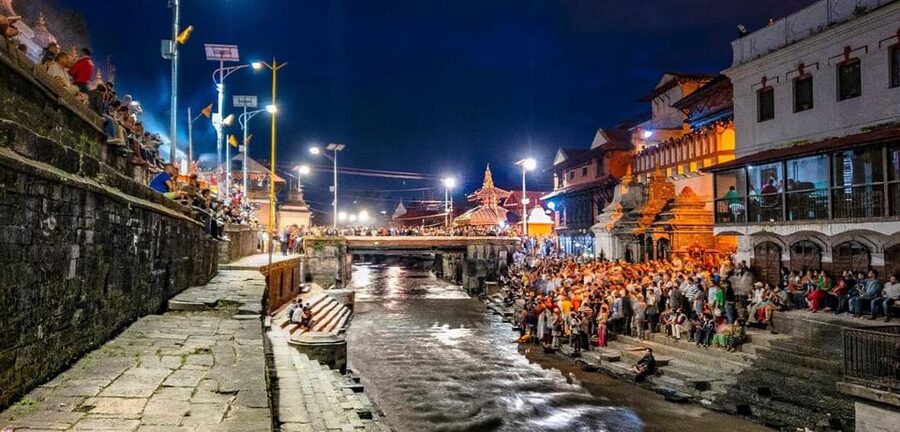
- The Bagmati River aarti happens on the temple’s eastern side, so you’re arriving for the action, not just the view.
- A priest-led ritual plus Vedic mantras: bells, incense, and oil lamps are part of the scene.
- A band with classical instruments and hymns adds a musical layer, not just chanting.
- You get context before you watch, with a licensed English speaking guide.
- A true evening pace: late afternoon pickup, ceremony starting around 6 p.m., then back to your hotel.
- Private group feel, so it’s easier to ask questions and take photos without rushing.
Why the Pashupatinath evening aarti is worth the ride
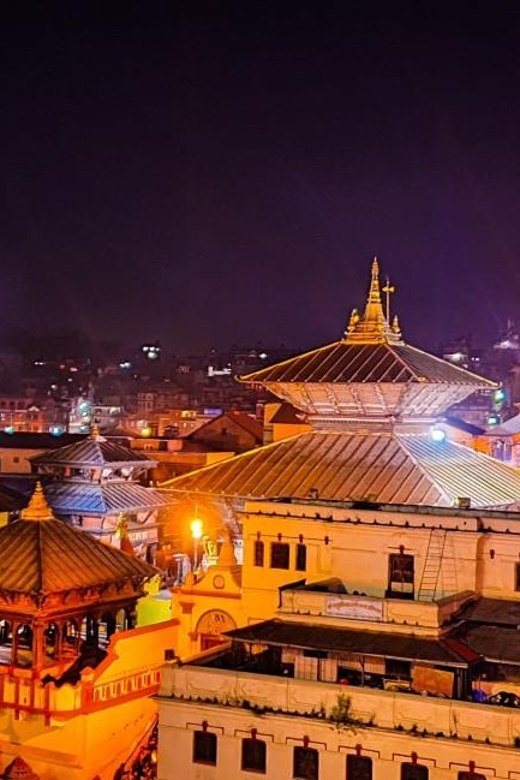
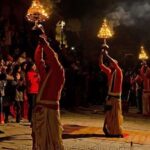
The power of this tour is that it times your day for when the temple shifts from day-time monument to night-time ritual. Around 6 p.m., priests chant prayers and work through the oil lamp sequence in front of Lord Shiva, and the whole Bagmati River area becomes a place where people gather with focus.
I also like that the ceremony isn’t presented as trivia. A good guide here explains what you’re seeing in plain language: the rhythm of the prayers, why the bells and incense matter, and how the lighting of oil lamps fits into Hindu worship. That turns the experience from just watching lights into understanding a living tradition.
The setting helps too. The Bagmati River bank is where the crowd gathers, and because it’s nighttime, the ritual feels both intimate and dramatic. You’ll likely hear chanting, bells, and hymns as the band adds classical instruments to the mix.
You can also read our reviews of more evening experiences in Kathmandu


Late afternoon pickup to the temple: simple logistics, less stress
This is a straight-forward, well-timed setup. You start with hotel pickup in Kathmandu, then you drive to Pashupatinath Temple along the Bagmati River. That matters because traffic and navigation can eat up your evening. Getting there through arranged transport lets you spend your energy on the ceremony instead of worrying about timing.
You’ll have a guided orientation first, then time to explore on your own before the aarti begins. That split is practical: you can get your bearings, then later focus your attention where you want it most, at the riverbank during the main worship.
Transport quality is a highlight. The tour is described as highly rated for transport, so expect a smooth, hassle-free ride with a driver who gets you there safely and back.
Temple complex time: where the “why” comes in
Before the lights, you visit the Pashupatinath Temple complex with your licensed English speaking guide. This part is more than a quick photo stop. The guide walks you through what makes the temple important historically and religiously, then you’re allowed time for independent sightseeing.
This is the moment that makes the evening feel richer. When you know the basics of what you’re looking at, the ceremony doesn’t read like a random performance. Instead, it connects to a place with meaning for worshippers.
Photo note: the tour includes a photo stop. That’s helpful because it gives you a sanctioned moment to grab images without feeling like you’re wandering and guessing. It also sets expectations early, which matters because you’ll later be near active ritual spaces where access can be limited.
The main event around 6 p.m.: Bagmati River aarti, step by step
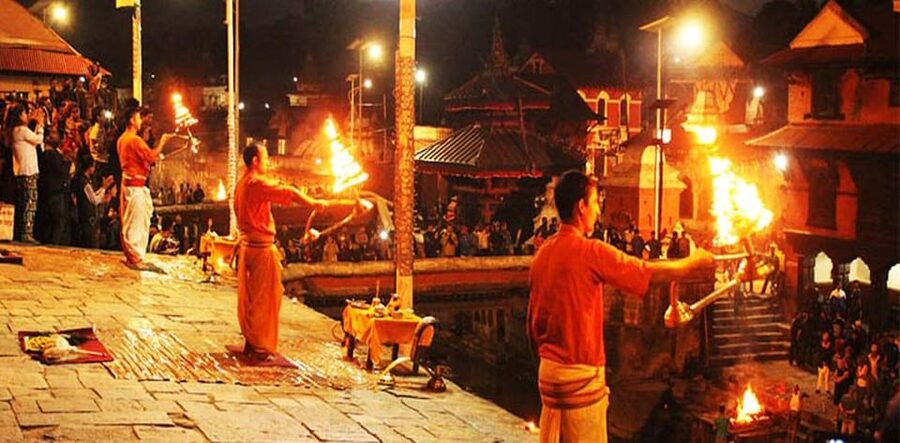
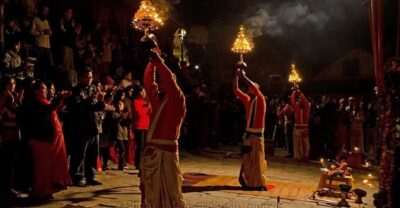
When the ceremony starts around 6 p.m., the tour shifts from sightseeing to watching worship in real time. Here’s what you should expect in the aarti area by the Bagmati River:
- Priests chant prayers and recite Vedic mantras
- Bells ring as part of the ritual rhythm
- Oil lamps are lit and waved in sequence before the idol of Lord Shiva
- Incense smoke fills the air
- A band plays classical instruments while hymns are sung to the gods
What I like most is how layered it feels. You’re not only looking at flames. You’re hearing chanting, bells, and music at the same time, and the movement of the lamps gives the ritual a visual beat. With the riverbank as the backdrop, the ceremony turns into a night-time scene that looks and sounds unforgettable.
One practical consideration: the area can be crowded because people come specifically for the aarti. If you want photos, you may need to adjust your position as others move. Keep your patience. It’s a ritual space, not a theme park, so give yourself permission to watch first and shoot second.
Getting more from your guide: ask the right questions
This tour is built around interpretation, and the guide’s role matters. The best guides here don’t just translate what priests do. They help you understand why it matters to people in Nepal who visit Pashupatinath.
Guides on this tour are licensed and English speaking, and the tone you’ll usually get is friendly and patient. Names that show up often include Ramesh, Rajat, and Anjan, and the common thread is clear explanation with time for questions.
If you want the most value, ask questions that change what you notice:
- What part of the ritual comes first, and what does it signal?
- What’s the meaning behind the oil lamp actions?
- How do the mantras, bells, and incense fit together as one worship moment?
If you care about photography, you’ll also want to set expectations early. Past participants specifically appreciated guides who slow down for photo requests and concerns. So if you want low-light flame shots or want to frame the riverbank view, tell your guide upfront and plan for small repositioning during the ritual.



Value for $45: what you’re really paying for
At $45 per person for about 3 hours, this tour can be good value because it bundles the parts that usually cost time and energy:
- Hotel pickup and drop-off
- Transportation to and from Pashupatinath
- A licensed English speaking guide
- Entry ticket to Pashupatinath
- Taxes and service charges
When you compare it to a DIY evening, the math often favors the tour. You avoid figuring out transport on your own, and you don’t waste your limited evening time guessing where to stand for the best view at the right moment. The guide also helps you avoid missing the “meaning” layer, which is the difference between a nice night scene and a memorable cultural experience.
One thing not included: food and drinks. So plan ahead. If you know your evening will include sitting through part of the ceremony, grab a snack earlier or eat before pickup, because there’s nothing mentioned as part of the tour.
Practicalities that make or break your evening
This is a night ritual, so a few habits will help you enjoy it more.
1) Bring a camera plan that respects access
Photography is mentioned as available, but only in permitted areas. That means you should avoid assuming you can shoot anywhere you want. Decide what you want most, wide riverbank views or close ritual moments, and be ready to work within the allowed spots.
2) Expect a slow crowd flow
The ceremony draws people who want to watch and be part of the moment. If you’re arriving late or constantly moving, you’ll get stressed. Arrive with a calm pace and let the guide handle timing.
3) Dress for a long evening outdoors
The tour runs from late afternoon into the evening. You’ll be outside around the riverbank while the ceremony unfolds. Comfortable layers help because Kathmandu nights can feel cool compared to the heat of the day.
Who this tour is best for
I’d point you toward this tour if you want an evening activity that feels cultural and meaningful, not just a sightseeing checklist. It’s especially good for:
- People who like their travel with context, not just photos
- First-timers to Kathmandu who want a clear, guided plan
- Anyone interested in Hindu rituals and understanding what the aarti represents
- Photo-minded visitors who want help with timing and positioning within allowed areas
- Couples and small groups who prefer a private group experience for easier questions
You might skip it if you’re looking for a fully flexible, independent night out with no structure. This is a guided experience with a set flow and a ceremony time window, so spontaneity is limited by design.
Should you book the Kathmandu Pashupatinath Temple Evening Aarati Tour?
If your goal is one memorable evening that connects you to Nepal’s living spiritual culture, I think this booking makes sense. For the price, you get the essentials that matter most for this kind of experience: hotel pickup, transportation, a licensed English speaking guide, and entry included, with the main aarti beginning around 6 p.m.
Book it if you can handle night crowds with patience and you respect the rules around where you can photograph. Skip it only if you’re mainly after food, nightlife, or you want total freedom to wander without guided timing.
FAQ
FAQ
How long is the Pashupatinath Temple evening aarti tour?
The tour duration is 3 hours.
What time does the aarti ceremony start?
The aarti ceremony begins around 6 p.m.
Is hotel pickup and drop-off included?
Yes, hotel pickup and drop-off are included.
What does the tour include besides the ceremony?
You get transportation to and from Pashupatinath Temple, a licensed English speaking guide, a guided tour of the temple complex, a photo stop, and time for independent exploration before the aarti.
Where does the aarti take place?
The aarti is observed at the Bank of the Bagmati River, on the eastern side of Pashupatinath Temple.
Are entry tickets included?
Yes, the entry ticket to Pashupatinath is included.
Can I take photos during the tour?
Photography is available in permitted areas.
Are food and drinks included?
No, food and drinks are not included.
What language is the tour guide?
The guide is English speaking.
Is there a free cancellation option?
Yes, you can cancel up to 24 hours in advance for a full refund.
Is the group private?
Yes, it’s a private group.
More Evening Experiences in Kathmandu
More Tours in Kathmandu

More Tour Reviews in Kathmandu


Not for you? Here's more nearby things to do in Kathmandu we have reviewed


Kathmandu Sacred Sites Tours, compared.
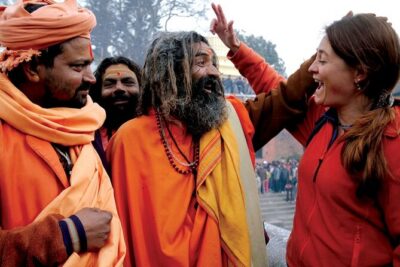 ★ 5.0Kathmandu Spiritual Sites: Bodhnath & Pashupatinath TourFrom $60185 reviews
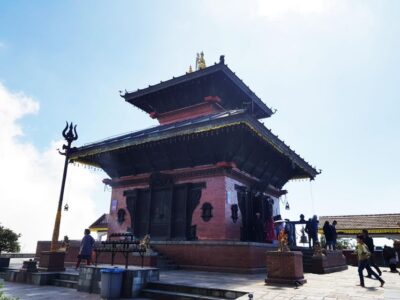 ★ 4.8Chandragiri Cable Car and Monkey Temple TourFrom $3139 reviews
 ★ 5.0Monkey Temple – Swayambhunath Tour – Private/Small GroupFrom $1550 reviews
 ★ 5.0Chandragiri Cable Car & Monkey Temple Tour- Private/GroupFrom $532 reviews
 ★ 5.0Private Chandragiri Cable Car and The Monkey Temple TourFrom $530 reviews
 ★ 4.8Pashupatinath Temple Aarti Night TourFrom $7129 reviews
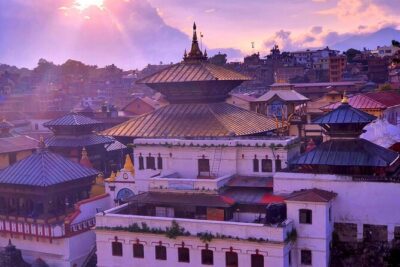 ★ 5.0Pashupatinath Temple, Hindu Crematorium and Aarati in-depth TourFrom $9025 reviews
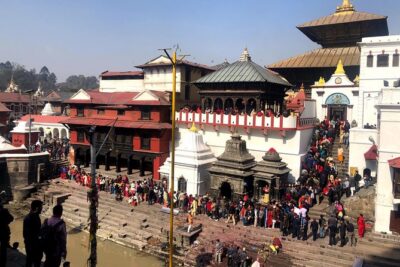 ★ 4.5Pashupatinath Evening Aarati: Few Divinely Hours in KathmanduFrom $3523 reviews
Browse the lists this tour appears in