
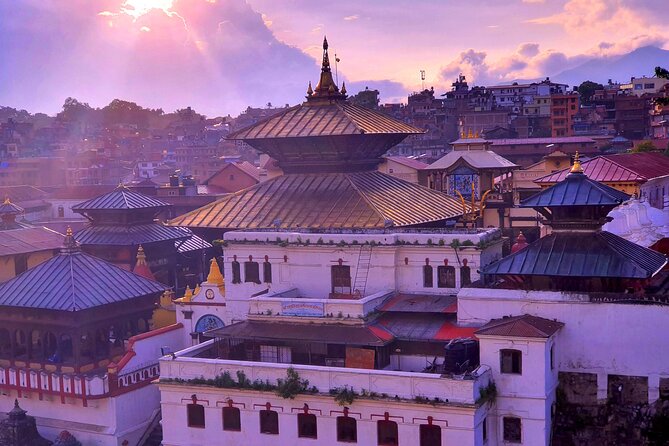
REVIEW · KATHMANDU SACRED SITES TOURS
Pashupatinath Temple, Hindu Crematorium and Aarati in-depth Tour
Cremation and incense share one sacred place. This in-depth Pashupatinath tour brings you into the temple complex and the crematorium area with a serious, PhD-level guide who explains the meaning behind what you see, not just what to photograph. I love how the walk moves at a human pace, with time for questions and small moments you’d miss on your own, and I love that the ceremonies are explained in plain language. The one drawback to plan for: the cremation stop can feel emotionally intense, so bring patience with yourself.
You start at 2:00 pm and spend about 4 to 5 hours covering the main temple grounds, then heading to the crematoria, then finishing with Sandhya Aarati and the Bagmati river bank ritual. You get bottled water, private transportation, and admission tickets included, which matters because it keeps the day focused on the experience instead of logistics. Plus, it is a private tour, meaning only your group participates.
The guides are the heart of the tour. People mention guides like Nabil and Nirajan for patient, detailed explanations, including how priests and devotees follow ritual logic day after day. If you like learning why traditions exist, not just watching what happens, this kind of Kathmandu afternoon can become a true highlight.
Quick highlights before you go
- PhD-level heritage context: you get explanations that connect myth, practice, and today’s Hindu life.
- A real visit to the crematoria: you see the cultural process explained through a live scenario.
- Sandhya Aarati and lamp ceremony: you end with precise priest-led rituals plus the energy of the river bank.
- Guides who answer calmly: the tour is built for questions and careful walking, not a rushed checklist.
- Admission and transport included: you spend your time inside the sacred spaces, not paying add-ons.
Stop 1: Pashupatinath Temple complex, where rituals start to make sense
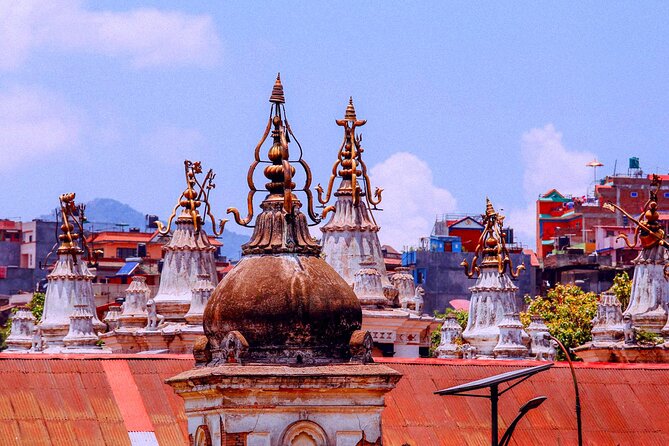
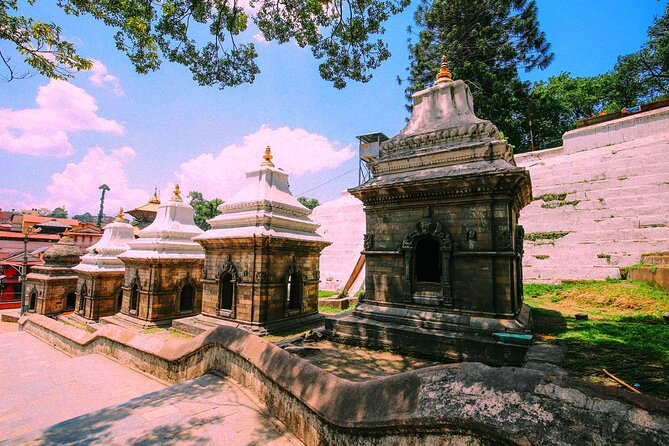
You begin at Pashupatinath, one of the oldest sacred Hindu sites in the world, and the tour starts with orientation that helps everything click. Your guide, trained in the tangible and intangible heritage of Pashupatinath, takes you around the major attractions of the temple area, but the point is not to sprint from one photo spot to another. You are learning how the place works, and what different people are doing for a reason.
What I like about starting here is that the temple stop sets your baseline for the whole experience. You notice the rhythm of prayers, the role of priests, and how the faithful move through the space. You also pick up the logic behind religious practice as it exists now, not just as an old story. That makes the later crematoria visit feel more grounded and less like shock tourism.
The practical side helps too. The stop runs about 2 hours, giving you time to walk the area with fewer time pressures. People also mention noticing incense smells and hearing bells during the temple walk, so even if you normally skip guided tours, your senses will do some of the learning here.
Possible consideration: temples like this can be crowded and spiritually active, so you’ll want to be comfortable sharing space and moving with the flow of devotees. If you prefer quiet, slow museums, this will feel more alive than that.
You can also read our reviews of more tours and experiences in Kathmandu.


Stop 2: The crematoria stop and the Hindu funeral process, explained in real time
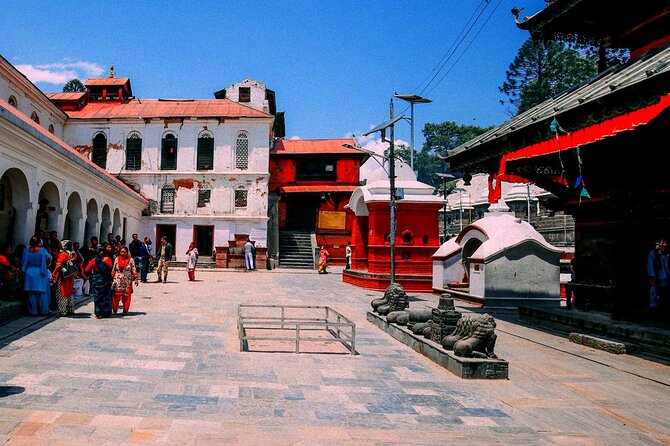
Next comes the part most travelers talk about, and it is also the part where you should prepare your mindset. The crematoria stop is about 1 hour, and it is explained by experts connected to the Pashupati Area Development Trust, using a live scenario so you understand what is happening and why.
This is not just viewing from a distance. You learn the cultural process of cremating the dead body in Hindu religion, and the guide connects it to the sanctity of life. I appreciate that the tour frames the cremations as a meaningful ritual system, not just a spectacle. You also hear explanations that combine mythological values with how the practice exists in the present day.
From the experience descriptions and the way people describe it, the crematoria area can feel solemn and busy at the same time. Photos won’t capture the full tone, and you may find yourself focused on details like the setting, the pace of activity, and the respectful role of priests and attendants. One helpful thing is that the tour includes expert interpretation, so you are not guessing what you’re seeing.
Practical consideration: this stop is emotionally heavy. If you know you struggle with death-related sites, go in with realistic expectations. And give yourself permission to step back when you need a minute.
Stop 3: Sandhya Aarati and Bagmati river bank ritual, ending on lamp-lit meaning
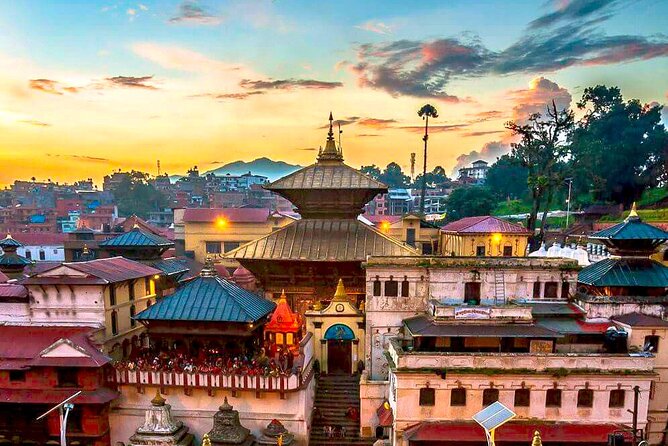
After the crematoria, you return to the spiritual energy of Pashupatinath, this time through ceremony. The tour ends with Sandhya Aarati, a ceremony of offering lamp and incense in precise rituals carried out by dedicated priests. This is timed for the evening rhythm, and the river bank plays a big role.
The Bagmati River bank aarti is part of what makes the ending so memorable. You’re not just watching a performance; you’re seeing a living ritual with a crowd of local people joining in. People mention the feeling of energy around the ceremony, with incense and ritual sound shaping the atmosphere.
What I like about this final stop is how it balances the day. The crematoria teaches you how life and death are treated with spiritual meaning, and the aarati brings you back to devotion in motion, the sense that faith is something people do daily. It also helps you understand why so many visitors consider this place a Kathmandu must-do.
Duration-wise, this final portion runs about 2 hours. That is long enough to actually absorb the ceremony instead of standing there for five minutes and leaving with half an understanding.
How the 4 to 5 hours and private transport keep it comfortable
This tour is designed around a smooth Kathmandu afternoon. It starts at 2:00 pm and typically runs 4 to 5 hours. That timing matters because you get temple atmosphere plus the evening ceremonies without turning your whole day into one marathon session.
Transport is handled with private transportation and pickup is offered. You also get bottled water, and there is a public toilet available nearby. These small comforts count when you’re walking in temple areas and moving between sites. The tour is also private, meaning only your group participates, which usually translates into fewer distractions and more time for your questions.
Pacing is another standout point. Some people say 5 hours sounds long until they experience it, because the guide keeps you moving with purpose and then slows down when you want details. I like that the tour is not built as a rigid timeline where you’re pushed onward every minute. Instead, it feels like a guided walk with room for pauses.
If you are travel-planning: book ahead. The tour is often reserved about 53 days in advance on average, which tells you it is popular. If you are only in Kathmandu for a short window, plan early.
Price and what you get for $90 in Kathmandu
At $90 per person, this tour sits in the middle range for Kathmandu guided experiences, but it earns its value. Here’s why:
Included with the price:
- Expert guides with deep focus on Pashupatinath heritage and practice
- Admission tickets for the temple and crematoria stops
- Private transportation
- Bottled water
- All fees and taxes
Not included:
- Tips for guide and driver
- Donations or offerings to sadhus or temples
The biggest value move is the admission-plus-transport structure. Without those pieces, a lot of tours quietly become more expensive once you add tickets and local transport. Here, you can budget once and concentrate on the experience itself.
Also, your guide time is a real part of the cost. This is not a fast walk with a few pointers. It is an explanation-heavy tour, including the crematoria stop, which is typically harder to navigate without context.
My practical take: if you want a respectful, meaning-based visit, $90 is a fair way to buy understanding, not just access. If you only want quick photos, you can likely do this area on your own for less, but you would lose a big portion of what makes the experience satisfying.



Who this tour fits best, and who should think twice
This tour fits best if you:
- Want an explanation of Hindu ritual logic, not just sightseeing
- Enjoy guides who will answer questions patiently
- Feel curious about how tradition works in everyday life, including major ceremonies
- Are comfortable with intense sacred spaces, especially the crematoria visit
It may be a harder fit if you:
- Dislike death-related sites or get emotionally overwhelmed easily
- Prefer purely uplifting attractions only
- Want a purely casual, low-structure outing with minimal talking
For most people, the guide approach is the key deciding factor. Many people highlight patient guidance, time for walking, and the sense that they reached places they wouldn’t have found otherwise. If you like being guided through hidden-feeling corners of the temple grounds, this structure gives you that.
Should you book this Pashupatinath Temple, crematorium and aarati tour?
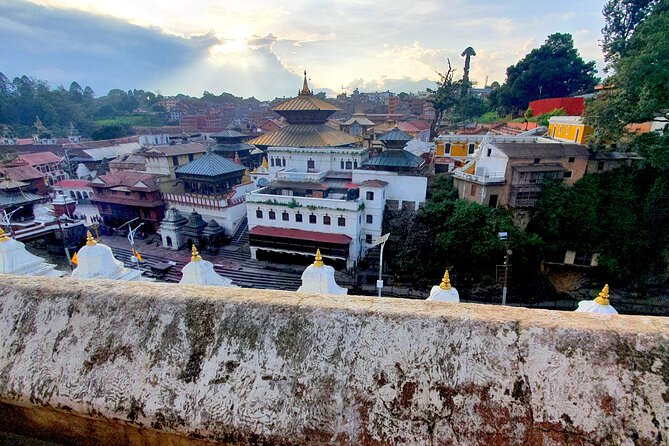
I’d book it if your ideal Kathmandu day includes meaning, not just landmarks. The combination of Pashupatinath Temple, the crematoria stop explained live, and the Sandhya Aarati on the Bagmati River bank creates a full emotional and spiritual arc. And because admission tickets, private transport, and a true expert guide are included, you’re buying more than access, you’re buying clarity.
Don’t book it on autopilot if the crematoria topic will knock you sideways emotionally. If it will, consider a gentler temple-focused visit instead. But if you can handle solemnity and you want to understand why people treat this place with such care, this is one of the most memorable ways to experience Kathmandu’s spiritual heartbeat.
FAQ
What time does the Pashupatinath Temple, crematorium and aarati tour start?
The tour starts at 2:00 pm.
How long is the tour?
It typically lasts 4 to 5 hours.
How much does it cost?
The price is $90.00 per person.
Is pickup included?
Pickup is offered, and the tour includes private transportation.
Are admission tickets included?
Yes, admission tickets are included for the stops at Pashupatinath Temple and the crematoria.
What is included in the tour price?
You get bottled water, private transportation, all fees and taxes, and expert guides.
What ceremonies do you see during the tour?
You see Sandhya Aarati, which includes offering lamp and incense in precise rituals by priests, along with the Bagmati river bank aarti.
Is the crematorium visit part of the tour?
Yes. You visit the crematoria, where experts explain the cultural process of cremating the dead body in Hindu religion using a live scenario.
Is this a private tour?
Yes. It is a private tour/activity, and only your group will participate.
Can I bring a service animal?
Service animals are allowed.
Is there a refund if I cancel?
Yes. You can cancel for a full refund if you cancel up to 24 hours in advance of the experience start time. If you cancel less than 24 hours before, the amount paid is not refunded.
More Tours in Kathmandu

More Tour Reviews in Kathmandu
Not for you? Here's more nearby things to do in Kathmandu we have reviewed


Kathmandu Sacred Sites Tours, compared.
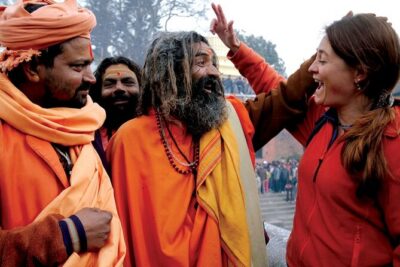 ★ 5.0Kathmandu Spiritual Sites: Bodhnath & Pashupatinath TourFrom $60185 reviews
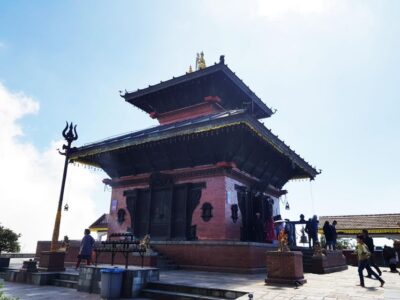 ★ 4.8Chandragiri Cable Car and Monkey Temple TourFrom $3139 reviews
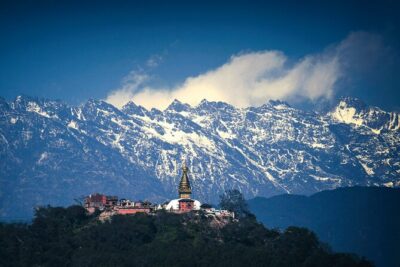 ★ 5.0Monkey Temple – Swayambhunath Tour – Private/Small GroupFrom $1550 reviews
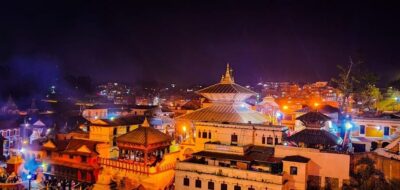 ★ 5.0Pashupatinath Temple Evening Aarati TourFrom $4536 reviews
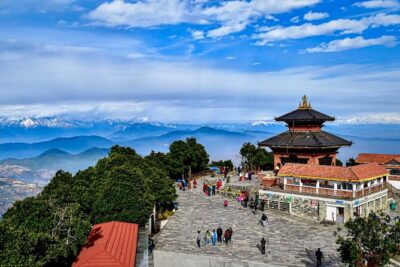 ★ 5.0Chandragiri Cable Car & Monkey Temple Tour- Private/GroupFrom $532 reviews
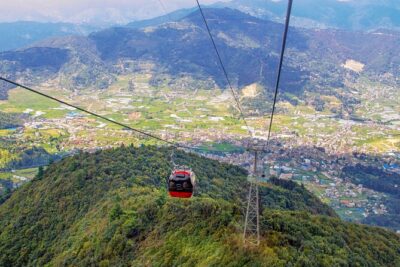 ★ 5.0Private Chandragiri Cable Car and The Monkey Temple TourFrom $530 reviews
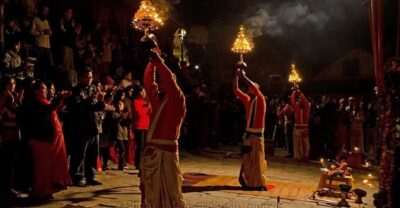 ★ 4.8Pashupatinath Temple Aarti Night TourFrom $7129 reviews
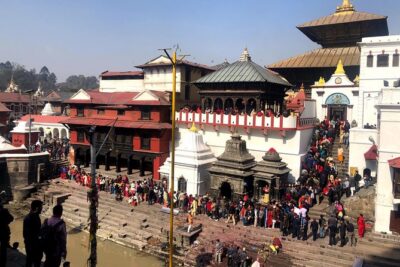 ★ 4.5Pashupatinath Evening Aarati: Few Divinely Hours in KathmanduFrom $3523 reviews
Browse the lists this tour appears in