

REVIEW · KATHMANDU SACRED SITES TOURS
Private Half-Day Tour of Boudhanath and Pashupatinath Temples in Kathmandu
Two faiths, one river, and a long look. This private half-day makes it easy to see Pashupatinath Temple from the Bagmati River banks and then shift over to Boudhanath Stupa, where you’ll spot Buddhist devotion like prayer wheels and statues. I love that it’s paced for real viewing time, not rushed photo stops, and that the guide adds context as you go. The main caution is that Pashupatinath is a place where ceremonies can be intense, so if you’re sensitive to what you might see, plan your mindset ahead of time.
In a city where traffic and finding the right entrances can eat your time, I really like the simple setup: hotel pickup and drop-off plus a private vehicle. You also get entrance tickets for both UNESCO World Heritage sites, and two mineral water bottles per person. Start time is 10:00 am, and it runs about 4 hours, which is a very workable chunk for your Kathmandu day.
Key things I’d highlight before you go
- UNESCO duo in one half day, built around Pashupatinath and Boudhanath
- Bagmati River ghats viewing time, so you can watch temple activity at Pashupatinath
- Prayer wheels and Buddhist statues at Boudhanath, with a slower feel than you might expect
- Private guide and private vehicle, which saves you from transport stress in busy Kathmandu
- Entrance fees included, so you spend your time looking instead of figuring out tickets
- Dress code for worship sites, meaning you should plan what you wear early
Why This 4-Hour Private Route Works in Kathmandu

This tour is designed for people who want two major landmarks without turning the day into logistics homework. With a 10:00 am start and about 4 hours total, you’ll spend roughly 2 hours at each site, which is enough time to see the key areas and still catch your breath between them.
Kathmandu can be busy, and moving around with your own schedule helps. Having a private vehicle means you’re not hunting for the right transit option or timing buses while you’re already thinking about temple entrances and viewing points. The guide also handles the order of things and keeps you from wandering into the wrong spots.
One practical upside: it is a private tour/activity, so it’s just your group. That usually means less waiting around and fewer moments where you feel stuck behind a tour shuffle. Also, you’ll get a mobile ticket, which can make entry-day feel simpler.
You can also read our reviews of more private tours in Kathmandu
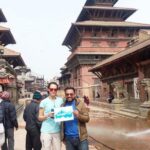
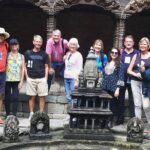
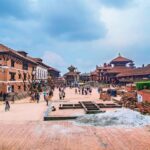
Pashupatinath Temple: Bagmati River Ghats and Living Hindu Rituals

Pashupatinath Temple is one of Nepal’s most important Hindu pilgrimage complexes, and it sits right on the banks of the Bagmati River. From here, you’re positioned to observe temple activities from the river side, which is the point. You’re not just looking at buildings. You’re watching how the place works as a living religious space.
The complex is associated with Lord Pashupatinath, described as the seat of Nepal’s national deity. That matters because it explains why the temple draws attention from so many people. You’ll see the areas set up for worship and ceremonies, and you’ll notice that much of the action is oriented toward the river.
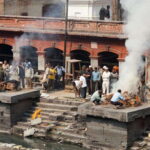
If you’re going with the expectation of something calm and scenic, calibrate a little. One of the strongest memories people share from this stop is witnessing a cremation along the river. It may not be for everyone, but it’s precisely the kind of real-world view that explains why Pashupatinath is so significant. If you think you might struggle with that, choose respectful distance and take breaks. You can do it.
Dress matters here. A modest outfit is required to enter places of worship, and selected museums too. Bring something you can wear without fuss, because you’ll likely want to focus on watching rather than adjusting clothing.
Boudhanath Stupa: Prayer Wheels, Statues, and Devotion in Action
After Pashupatinath, you shift to Boudhanath Stupa, a major Buddhist worship site in Kathmandu. It’s about 11 km from the city center, so it helps to have a driver and guide who know the route and can keep your day smooth.
Boudhanath is famous for its massive mandala and its large spherical stupa form, described as one of the largest spherical stupas in Nepal. When you stand near it, you’ll understand why this place is so recognizable. The scale changes how you feel from the first minute, even if you don’t know every term connected to Buddhist architecture.
This stop connects Buddhism across communities too. Boudhanath is sacred for both Nepalis and Tibetans, which is part of what makes it feel like a shared spiritual space rather than only a tourist attraction. And yes, your time here includes the kind of details you can actually watch: prayer wheels and Buddhist statues. Those objects are more than decoration. They are part of how devotion is expressed in daily practice.
The vibe tends to feel slower than Pashupatinath, but still meaningful. You get about 2 hours at Boudhanath, so you can circle your way around, pause when something catches your eye, and let the stupa’s geometry and ritual rhythm sink in.
One more reason this stop pairs well with Pashupatinath: it shows you how Nepal holds Hindu and Buddhist traditions side by side. The contrast is educational, but the experience is still coherent because you’re staying within the same Kathmandu Valley world of ritual and sacred space.
Guide and Driver Quality, and How to Use It Well
A private tour is only as good as the person guiding you through it. I like that this experience includes an English speaking local guide and a private vehicle, because that usually means fewer awkward moments where you’re guessing what you’re looking at.
In practice, the guide role is where you get the real value. People have highlighted how guides like Mr. Bishnu arrive on time and explain history and background in great detail. That makes a big difference at religious sites, where the terms can be confusing and the layouts can be easy to misread.
You’ll also appreciate the small operational touches. One account mentions the guide waiting in the hotel foyer, so pickup felt clean and organized rather than chaotic. In a busy city, these tiny logistics reduce stress and help you start the day focused.
How you can get more out of your guide in real time: ask simple questions as you walk. For example, you can ask what to pay attention to at the ghats, or what prayer wheels mean in day-to-day practice. If the guide has a language advantage beyond English, that’s a bonus. One guide name that came up in French was Pawan, which shows how flexible some staff can be depending on your group needs.
Your job is to keep an open mind and use the guide as a translation layer. Let the sacred places do the talking, and let the guide help you understand what you’re seeing.
Price and What You Actually Get for $47

At $47 per person, the price feels reasonable for Kathmandu if you zoom out and count what’s included. You’re not just paying for a seat in a car. You’re paying for a private vehicle, an English speaking local guide, entrance fees at both sites, and hotel pickup and drop-off. You also get two mineral water bottles per person.
For value, the biggest line items are the entrance tickets and the guided explanation. Many visitors find that the cost of doing things independently adds up fast once you factor in transport and guide time. Here, you get structure in about 4 hours, which can be a win if you only have a limited number of Kathmandu days.
Two cautions on value, though. First, food and drinks are not included, so you’ll need to handle snacks or a meal on your own. Second, dress code is required for worship sites and selected museums, which means you should plan what you’re wearing anyway. Neither is a dealbreaker, but both affect how smooth your day feels.
Also note the tour offers group discounts and a mobile ticket. If you’re traveling with friends or family, it can make the overall per-person cost feel even better, while still keeping the private-group setup.
A few more Kathmandu tours and experiences worth a look
What to Wear, What to Bring, and How to Handle the Religious Sites

Because both stops are places of worship, you should treat clothing like part of your planning. A dress code is required to enter places of worship and selected museums, and the direction given is to dress modestly. I recommend choosing breathable, modest layers you can manage easily, especially if Kathmandu weather shifts.
For what to bring, keep it light. You’ll already receive two mineral water bottles per person. That helps, but it does not replace common-sense hydration and basic comfort. If you tend to feel hungry after a couple hours walking and standing, pack a snack plan, since food and drinks are not included.
How to behave: you are entering active sacred spaces. That means moving thoughtfully, staying aware of what is going on around you, and following the guide’s direction about where to stand. If there is a ceremony happening that feels intense, you can still be respectful while taking a step back. Watching from a distance is still part of the experience.
Also, keep in mind that Pashupatinath can include ceremonies along the river. The tour gives you the chance to witness these rituals, so make a decision before you go about how you want to handle that emotionally.
Timing, Comfort, and Getting the Most From Both Stops
This is a “two strong stops” day, not a roaming, stop-anywhere day. That’s good if you like efficiency, because each location gets time: about 2 hours at Pashupatinath and about 2 hours at Boudhanath. It means you can arrive, settle in, and actually look rather than rushing through.
The start time of 10:00 am helps too. It gives you enough morning rhythm to get moving without feeling like your entire day disappeared early. If you’re sensitive to crowds, you may still want to be ready for active religious sites, but the structure of the tour helps you move with purpose.
Comfort-wise, you’ll have a private vehicle between stops, which is a real relief in traffic. It also helps you avoid the stress of figuring out transport on your own while you’re trying to keep a schedule.
One more practical detail that I like: the tour includes pickup and drop-off from your hotel or airport. That reduces the number of separate things you have to arrange.
Should You Book This Private Half-Day Tour of Pashupatinath and Boudhanath?

I’d book this tour if you want two UNESCO World Heritage sites in one focused morning-to-afternoon block, and you don’t want to wrestle with transportation in a busy city. It’s a strong fit if you appreciate cultural context and you like learning what you’re seeing, not just collecting landmarks.
You should also book it if you want a guided experience that can make sense of Hindu and Buddhist traditions side by side. Having a private guide turns the day into a clearer story: river ghats and Hindu worship, then Buddhist devotion at Boudhanath with prayer wheels and statues.
But I would think twice if the idea of witnessing ceremonies at Pashupatinath feels too heavy for you. The tour can bring you close to real rituals, and that’s meaningful for some people and uncomfortable for others. If you think you might struggle, go with a plan for where you will stand and how you will take breaks.
If you fit the middle ground, this is a well-shaped half-day that saves time, includes key costs, and lets you focus on what matters.
FAQ
What time does the tour start?
The tour starts at 10:00 am.
How long is the private half-day tour?
It runs for approximately 4 hours.
Is hotel pickup and drop-off included?
Yes. Pickup and drop-off are included from your hotel or airport.
Is this tour private?
Yes, it is a private tour/activity, so only your group participates.
Are entrance fees included for both sites?
Yes. Admission tickets for both stops are included.
What does the tour include besides the guide?
The tour includes transport by private vehicle, an English speaking local guide, and 2 mineral water bottles per person.
Is food included?
No. Food and drinks are not included.
Do I need to dress modestly?
Yes. A dress code is required to enter places of worship and selected museums, so you should dress modestly.
How does free cancellation work?
Free cancellation is available, and you can cancel up to 24 hours in advance for a full refund.
More Private Tours in Kathmandu
More Tours in Kathmandu


More Tour Reviews in Kathmandu
Not for you? Here's more nearby things to do in Kathmandu we have reviewed


Kathmandu Sacred Sites Tours, compared.
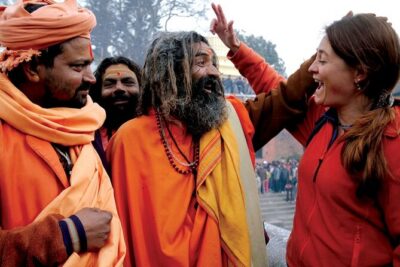 ★ 5.0Kathmandu Spiritual Sites: Bodhnath & Pashupatinath TourFrom $60185 reviews
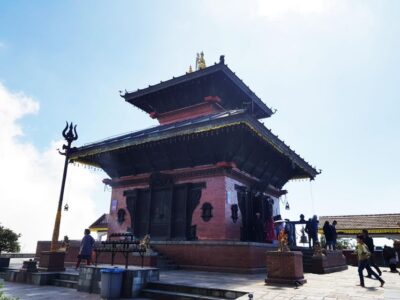 ★ 4.8Chandragiri Cable Car and Monkey Temple TourFrom $3139 reviews
 ★ 5.0Monkey Temple – Swayambhunath Tour – Private/Small GroupFrom $1550 reviews
 ★ 5.0Pashupatinath Temple Evening Aarati TourFrom $4536 reviews
 ★ 5.0Chandragiri Cable Car & Monkey Temple Tour- Private/GroupFrom $532 reviews
 ★ 5.0Private Chandragiri Cable Car and The Monkey Temple TourFrom $530 reviews
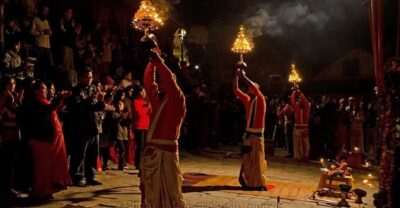 ★ 4.8Pashupatinath Temple Aarti Night TourFrom $7129 reviews
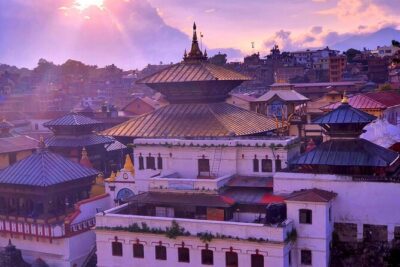 ★ 5.0Pashupatinath Temple, Hindu Crematorium and Aarati in-depth TourFrom $9025 reviews
Browse the lists this tour appears in