
REVIEW · KATHMANDU SACRED SITES TOURS
Pashupatinath: Evening tour of temple and Aarati ceremony
Night rituals change the whole feeling fast. This 3-hour evening experience at Pashupatinath pairs temple architecture with the Pashupati Aarati on the Bagmati River. You get an up-close look at daily sacred practice, not just a quick photo stop.
Two things I especially like: the chance to see the temple complex in a calmer evening mood, and the way the ceremony builds into a powerful riverside moment. One thing to consider, though: the cremation rites at the ghats can be emotionally intense, and the tour is not suitable for wheelchair users.
Key Points You Should Know Before You Go
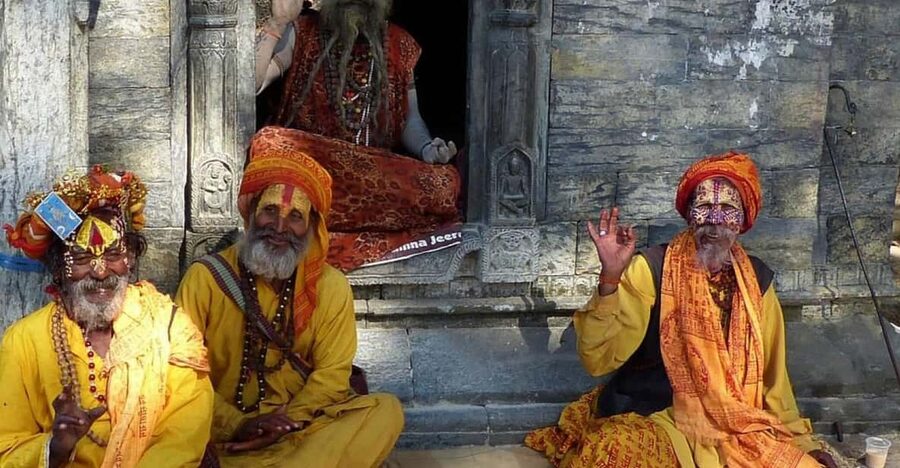
- UNESCO-level Pashupatinath complex with centuries-old pagoda-style architecture
- Golden-spired main temple and the sacred lingam of Lord Pashupatinath
- Bagmati River ghats where life, death, and spiritual belief are shown directly
- Pashupati Aarati by sunset with oil lamps, mantras, and drum rhythms
- English-speaking private guide plus skip-the-ticket-line convenience
- All transportation included for an easier evening plan in Kathmandu
Pashupatinath After Sunset, When the Rituals Feel Close
Pashupatinath is always meaningful, but timing matters. This is an evening tour, so the temple grounds and riverbank take on a quieter, more concentrated mood as ceremonies start to gather. You do not just hear about Hindu sacred practice, you see how it unfolds step by step.
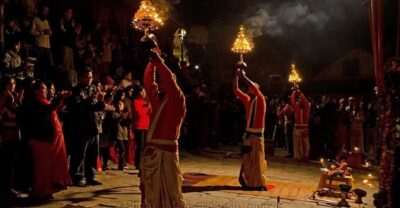
I like that this tour is built around real daily ritual rhythms. The highlight is the Pashupati Aarati ceremony near the river, when priests perform coordinated movements with oil lamps (diyas) while chanting and drumming carries the pace. It is the kind of experience where you can watch without needing a lot of extra context first.
You can also read our reviews of more evening experiences in Kathmandu


Arriving at Pashupatinath Temple Grounds by the Bagmati River
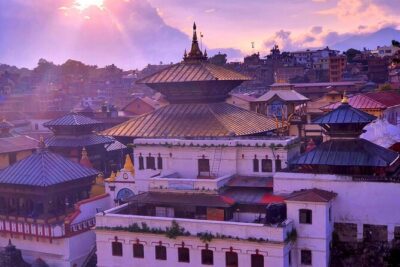
The experience starts as you approach the temple complex. Pashupatinath is famous for its distinctive pagoda-style architecture, and from the start you feel that this place is not a single building, but an entire sacred zone. The main temple area centers on the golden spire, and it is designed to draw your eye upward, literally toward the divine.
As you move into the grounds, you get the sensory stuff right away. Expect incense in the air and bells chiming in rhythmic devotion. Devotees and pilgrims make the space feel alive, but this tour gives you a way to slow down and focus instead of getting swept along.
You will also have a guide to help you notice what matters. Instead of treating it as only a sightseeing stop, you learn how the different shrines and murtis (statues) connect to myth and worship. That context is the difference between seeing stone and actually understanding why these details are placed here.
The Main Temple and Shrines, What to Focus On
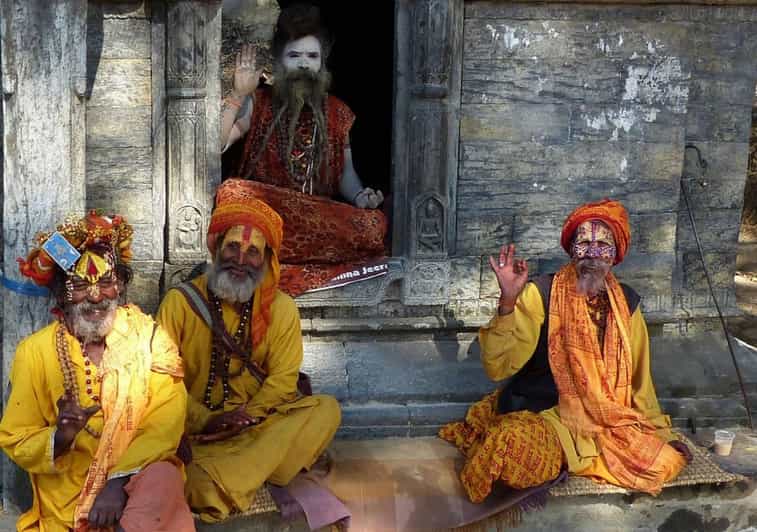
Inside Pashupatinath, the architecture is only part of the story. The complex is organized around worship spaces, shrines, and statues, and each one reflects a different thread of belief. If you are the type of person who loves looking closely, this is your moment.
At the center is the main Pashupatinath Temple, with its golden spire. It houses the sacred lingam of Lord Pashupatinath, a manifestation of Lord Shiva revered by Hindus. Even if you are not religious, it helps to understand that this is a living place of worship, not a museum exhibit.
Your guide’s job is to translate the visual language. You will likely move through areas where you can see various shrines and murtis scattered across the complex. The point is not to check boxes. The point is to notice how the space guides devotion, from the sound of bells to the way people gather near ritual points.
River Ghats and Cremation Rituals, How to Handle This Moment
One of the most discussed parts of this tour is the Bagmati River ghats. This is where cremation platforms host solemn ceremonies, and it is where you see life and death treated as part of a spiritual cycle rather than only a tragedy. The atmosphere is described as mournful, yet dignified, with chanting priests present during rites.
If you are curious about cultural practices but also sensitive to heavy scenes, give yourself a realistic expectation: this portion can hit hard. You are not just watching a performance. Families bid farewell to loved ones, and the ritual is part of their religious framework.
So here is how I suggest you prepare mentally. Go in with the understanding that your feelings are allowed to show. If you feel overwhelmed, step back a little and focus on what your guide is pointing out. You do not need to force yourself to stare. Respect is more important than endurance.
This part of Nepalese spirituality is not abstract. It is shown physically at the river edge, and once you see that, you understand why locals treat Pashupatinath as a cornerstone place for devotion.
The Pashupati Aarati Ceremony at Sunset, Lights, Mantras, and Drums
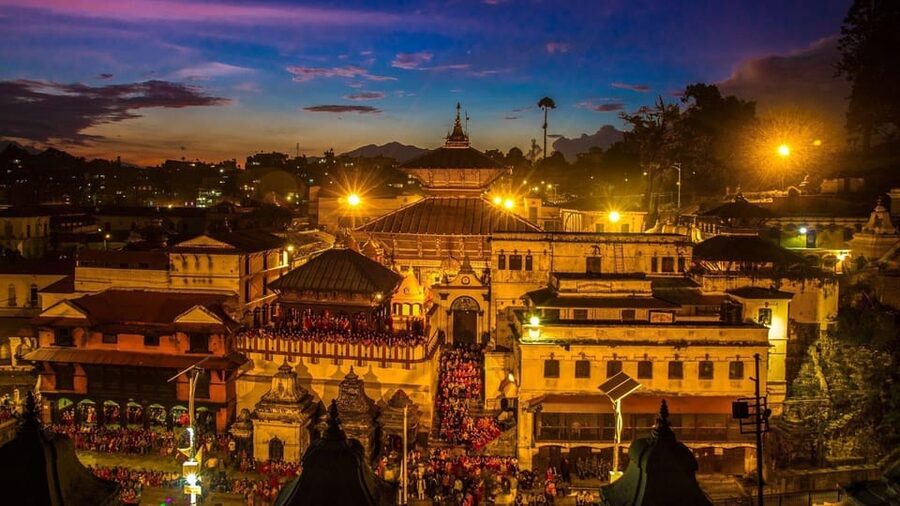
When sunset comes, the mood shifts toward the Pashupati Aarati ceremony. This is the ritual many people come for, because it combines devotion, choreography, and sound into one public moment.
You will gather near the riverbank as priests perform intricate movements with oil lamps (diyas). Chanting mantras and drumbeats add a steady pulse, so the ceremony feels structured rather than random. It is hypnotic in the best way, because every gesture has a role and the lamps create a rhythm of light across the water and steps.
The ceremony culminates in a collective offering of prayers and reverence to Lord Pashupatinath. Even if you do not share the faith, you can still read the intention. People are unified in purpose, and the ritual gives that unity a visible form.
I especially like this ending structure. Starting at the temple grounds and then moving toward the Aarati by the river makes the evening feel like a complete arc, not a list of separate stops.





How the 3-Hour Private Group Feels, and Why the Guide Matters
This tour is private and lasts about 3 hours. That timeframe is ideal for an evening plan, because you do not need a full half-day to experience the key pieces. It is long enough to cover the temple grounds, the river ghats, and the Aarati, without feeling rushed in a way that kills the meaning.
Because the guide is English speaking, you are not left guessing. You get explanations for what you are seeing, especially around the sacred lingam, the shrines and murtis, and the purpose behind riverbank rituals. That matters a lot at Pashupatinath, because so many details can look similar to an untrained eye.
The provider for this experience is Peak to Peak Treks, and the private format tends to help you move at a human pace. In a place like this, that is a gift. You can ask questions, pause where you need to, and stay focused on the parts that genuinely interest you.
There is also a practical perk: skip the ticket line. When you have a short evening window, cutting friction is smart. The tour also includes all transportation, so you are not trying to figure out how to get from temple to river area on your own at night.
One small note from the overall feel of the experience: there can be a moment for cha (tea) along the way, which many people find comforting after hours of walking around a temple complex.
Value for $57, What You Get Beyond a Photo Stop
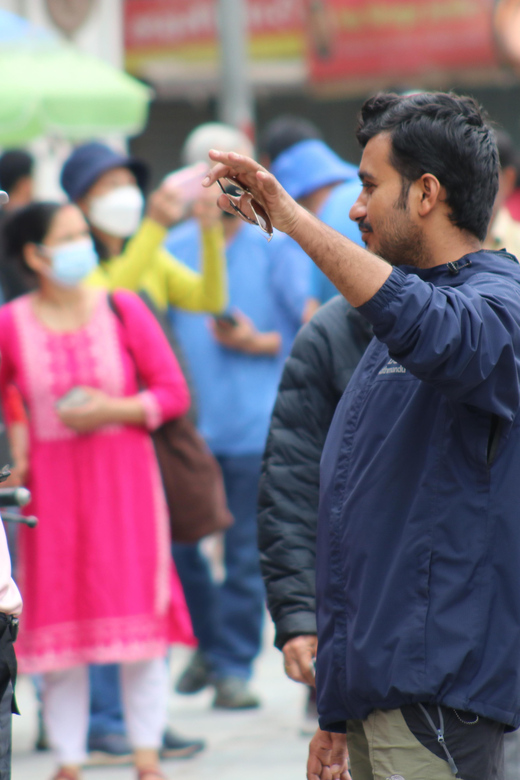
The price is $57 per person for 3 hours, and the value is not just that you see Pashupatinath. You also get:
- All transportation
- Entry fees
- English-speaking guide
- Skip-the-ticket-line convenience
- Private group format
For an evening tour, those included items matter. Transportation and ticketing can eat up time, and time is the real currency when sunset and ceremony start at specific rhythms. An English guide also prevents you from missing the point of what you are looking at, which is the difference between a cool sight and a meaningful experience.
If you are traveling with limited time in Kathmandu, this is also a practical way to cover the temple, the river ghats, and the Aarati in one pass. You do not have to plan separate visits, and you do not have to build your own timing around ceremony cues.
Who This Tour Suits, and Who Should Think Twice
This tour is best for you if you want authentic cultural and religious exposure. You should enjoy architecture, but you should also be genuinely curious about daily ritual. The cremation ghats and the Aarati ceremony are not optional side quests. They are central to why this tour exists.
It is also a strong fit if you like guided context. The experience includes explanations of major sacred elements like the lingam of Lord Pashupatinath, plus what to look for among shrines and murtis. That guidance helps you understand what you are seeing instead of treating it as only scenery.
Think twice if you need wheelchair access. The tour is not suitable for wheelchair users, so plan an alternative if mobility is an issue.
Also think twice if you know you cannot handle scenes involving death rites. You will not be shielded from that reality here. If you are sensitive, consider whether you want an experience that confronts life and death so directly.
Should You Book This Pashupatinath Evening Tour?
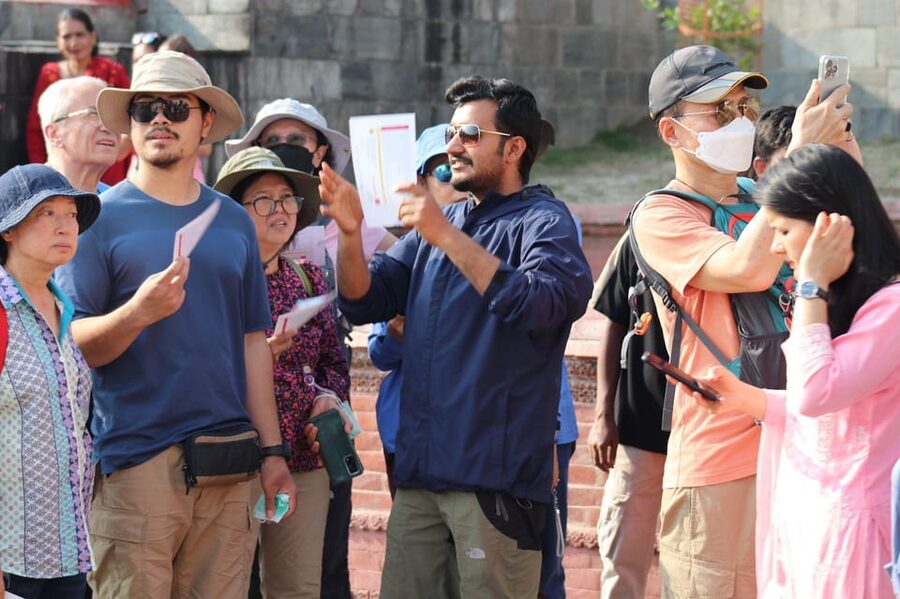
I would book this tour if you want the full Pashupatinath evening storyline: temple grounds, river ghats, and the Pashupati Aarati by sunset. It is well paced for 3 hours, and the combination of English guidance plus skip-the-ticket-line support keeps you from wasting your limited evening time.
Look for another option if the cremation rituals at the river are not something you can handle. This is not a light and cheerful sightseeing stop.
If your goal is understanding, not just photographing, this is a solid choice. With a 5/5 overall rating across a small set of bookings, the experience has clearly landed well for people seeking a spiritual and cultural evening that goes beyond the surface.
More Evening Experiences in Kathmandu

More Tours in Kathmandu



More Tour Reviews in Kathmandu



Not for you? Here's more nearby things to do in Kathmandu we have reviewed


Kathmandu Sacred Sites Tours, compared.
 ★ 5.0Kathmandu Spiritual Sites: Bodhnath & Pashupatinath TourFrom $60185 reviews
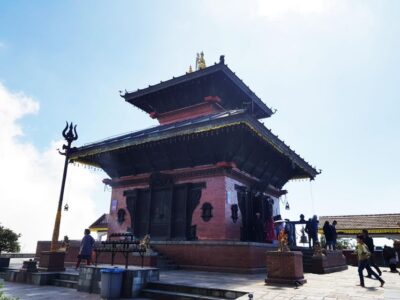 ★ 4.8Chandragiri Cable Car and Monkey Temple TourFrom $3139 reviews
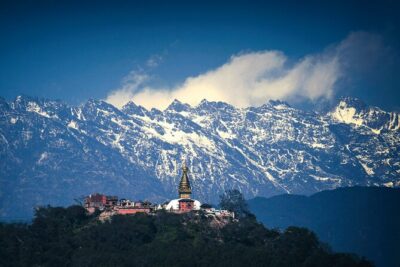 ★ 5.0Monkey Temple – Swayambhunath Tour – Private/Small GroupFrom $1550 reviews
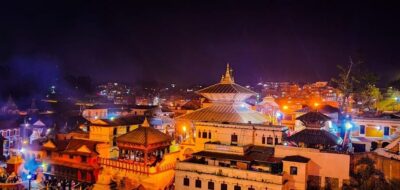 ★ 5.0Pashupatinath Temple Evening Aarati TourFrom $4536 reviews
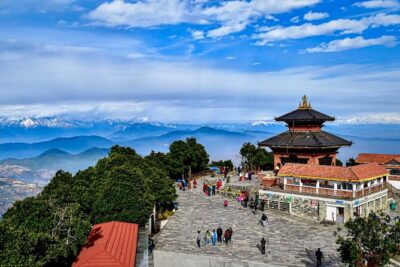 ★ 5.0Chandragiri Cable Car & Monkey Temple Tour- Private/GroupFrom $532 reviews
 ★ 5.0Private Chandragiri Cable Car and The Monkey Temple TourFrom $530 reviews
 ★ 4.8Pashupatinath Temple Aarti Night TourFrom $7129 reviews
 ★ 5.0Pashupatinath Temple, Hindu Crematorium and Aarati in-depth TourFrom $9025 reviews
Browse the lists this tour appears in