

REVIEW · 7-DAY EXPERIENCES
7 Days Langtang Valley Trek from Kathmandu
Langtang is close, but it hits hard. What makes this trek special is how easy it is to start from Kathmandu, so you trade long road days for more time actually walking in the mountains. You’ll also pass through Tamang and Tibetan-influenced villages and end up staring at big peaks like Langtang Lirung.
I love the early climb to Kyanjin Gompa and that sunrise timing at the viewpoint, because it turns the whole day into something you remember. I also love having an English-speaking guide, and the way good guides (names like Biru and Amrit show up in the operator’s guide roster) focus on safety, pacing, and practical trail advice.
One thing to think about first: the guest houses are basic. A past trekper summed up the lodging and meals as average, and that is usually the reality in the Langtang route. If you want five-star comfort, this trek is not that.
Key points before you go
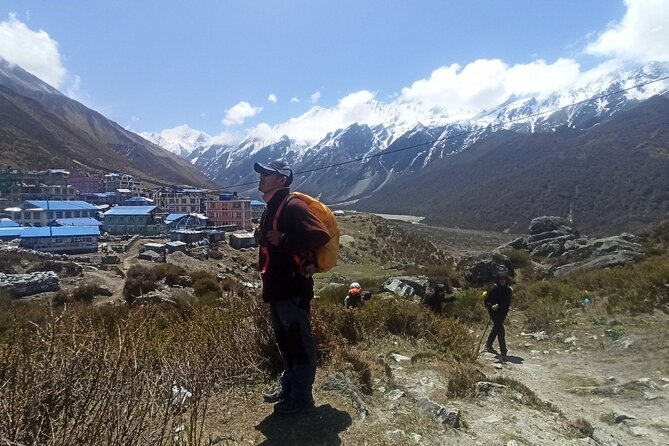
- Less driving, more trekking: The trail is reachable from Kathmandu, so you spend fewer hours in transit.
- Kyanjin Gompa is the spiritual and scenic anchor: It’s one of the clearest payoffs of the route.
- Big-peak views with real variety: You get a mix of snow peaks, glacier scenery, waterfalls (when conditions allow), and high-alpine terrain.
- A guide who handles the details: English-speaking support plus a first aid kit carried by the guide keeps things sensible.
- Guest-house life is part of the deal: Comfort is simple, so pack for warmth and focus on the experience.
- Permits are handled: Langtang National Park/Conservation Area access plus TIMS are included.
Why this Langtang Valley trek works so well from Kathmandu
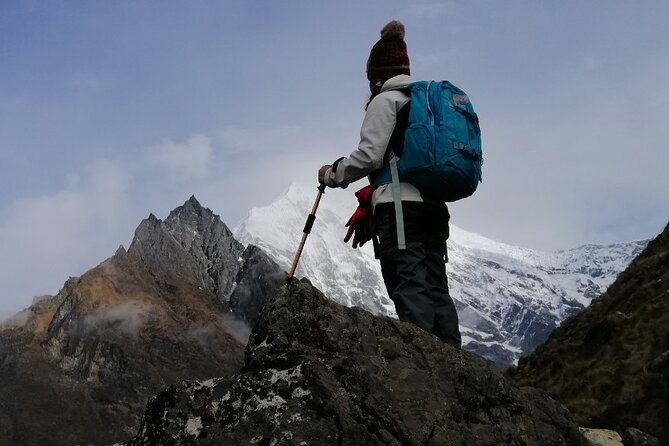
Langtang is one of Nepal’s best “you still want a true trek, but you do not want a huge travel slog” options. Instead of spending day after day getting to the trail, this route is structured to run from Kathmandu with a pickup at 6:30 am and shared bus transport to the starting area.
That matters for your energy. When you start trekking sooner, you are less exhausted for the early walking days. You also get more consistent momentum across the week, which helps if you have only moderate hiking experience.
Then there is the cultural layer. This route is not just about views. You walk through villages with Tamang and Tibetan influences, see chortens along the trail, and visit an ancient monastery site at Kyanjin Gompa. The mountains are the headline, but the daily details keep it interesting.
Finally, the scenery is dramatic without being one long, identical ridge-bash. You’ll spend time in thick woodland, then move into higher elevations where the terrain feels more open and the air gets thinner. You’ll also look up at Langtang Lirung, Dorje Lakpa, and Yala Peak, plus glacier and waterfall scenery when the route and weather line up.
You can also read our reviews of more hiking tours in Kathmandu
Day 1: Kathmandu pickup, forest roads, and Shyfru Bensi arrival
Your day begins early, with your representative coming to your hotel door at 6:30 am in Kathmandu. You start with a drive through lush green forest and meandering roads through the hills. This is one of those travel days that feels like a warm-up, not a slog, because the scenery keeps changing.
Practically, you should treat this first day as a “reset” day. You do not want to burn energy before the trek begins. You’ll likely reach the Syabrubesi/Shyfru Bensi area and then settle into simple lodging for the night so you can start Day 2 feeling ready.
The value here is clear: pickup reduces the usual Kathmandu chaos. You do not have to coordinate transport on your own, and you can focus on getting out the door early.
Day 2: Lama Hotel day, river-side trails, and suspension bridges
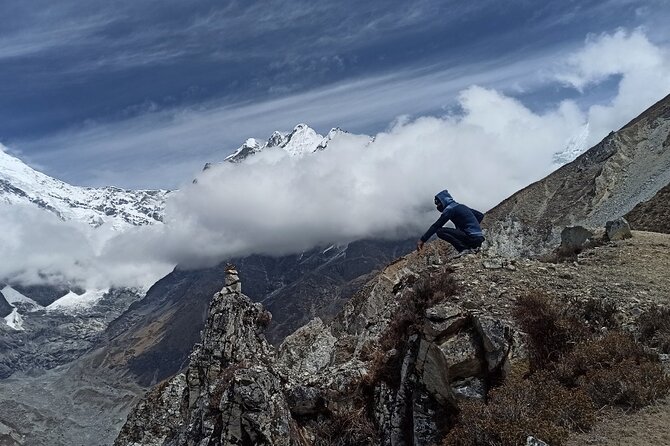
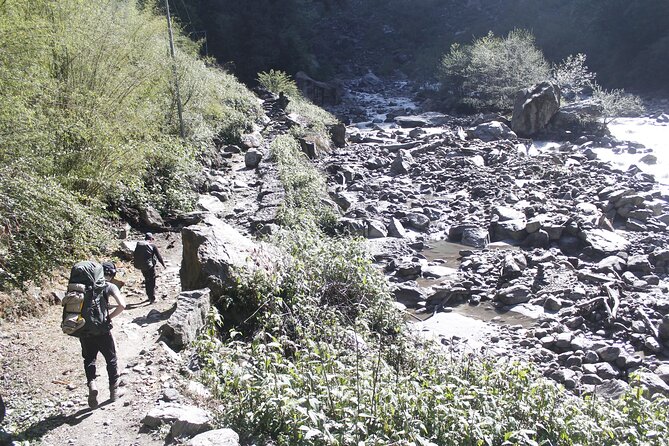
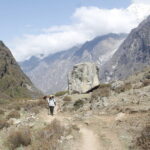
Day 2 is your first real trekking day. You follow the Langtang Khola, walking along the river as the trail threads through thick woodlands. Expect a mix of ups and downs at the trail scale, plus a few suspension bridges that break up the monotony and give you those quick, moving glimpses across the valley.
The route also includes tea houses, which is comforting for pacing. Even if you love hiking, having reliable breaks helps you manage altitude comfort later in the week. One good sign in how this trek is described is that the trail looks steep but is not overly testing. That does not mean it is easy, but it suggests you’re set up to start at a reasonable difficulty level.
If you want a “best first day” type of trek experience, this is it. You get hiking confidence building, plus the feeling that you are truly moving deeper into Langtang country.
Day 3: Into the Langtang Valley, peaks, chortens, and small local details
On Day 3 you push further along the Langtang Valley route. You keep trekking through thick woods, then start getting grand views of the high peaks, including Langtang-Lirung. This is the day when the scenery starts to feel bigger, even if your daily walking time stays moderate.
Along the way you pass elements that make the trail feel lived-in. You’ll see chortens, cross sections where you may notice water-related structures (described as water factories), and walk past hills and village edges that show how people rely on the valley.
This is also a good day for mindful hiking. When you are staring at snow-capped peaks, it is tempting to rush. Don’t. Let your breathing set the pace. On this kind of trek, steady effort beats dramatic speed, especially as altitude climbs.
One more practical note: because this day sits in the middle of the week, you want to eat and drink like it matters. Even if you feel fine, dehydration can creep up when temperatures shift between morning and afternoon.
Day 4: Kyanjin Gompa, yak pastures, and a major mani divider
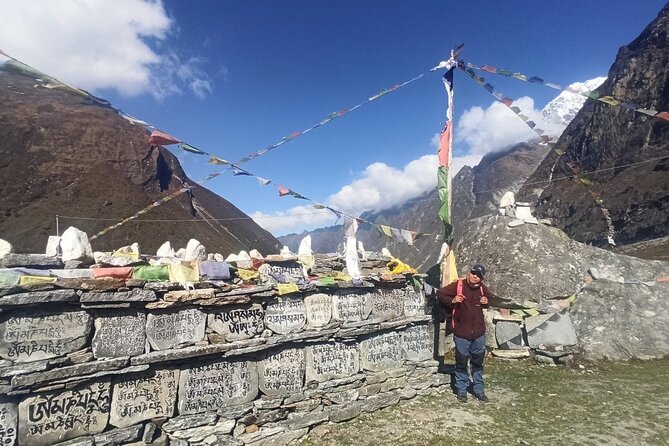
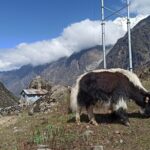
Day 4 is where the trek starts feeling more like a cultural pilgrimage as well as a hiking route. You escape the denser town zones and move into areas with yak pastures. You’ll also cross the biggest Mani divider in Nepal, plus a few wooden scaffolds. That combination makes the day feel active and real, not just scenic postcard walking.
Your destination is Kyanjin Gompa, described as an important monastery area. Once you arrive, you’re likely to feel the place in your body as well as your eyes. Higher elevations reduce your physical margins, so even simple movement can feel slower. That is normal. The good part is that you are not rushing, because the trek plan gives you a day that is focused on reaching the site and settling in.
You’ll also notice how the valley changes here. The terrain becomes more high-alpine, and your sense of isolation grows. That is exactly what makes the views feel so rewarding later in the week.
A few more Kathmandu tours and experiences worth a look
Day 5: Sunrise at Kyanji Viewpoint, then an easier downhill walk
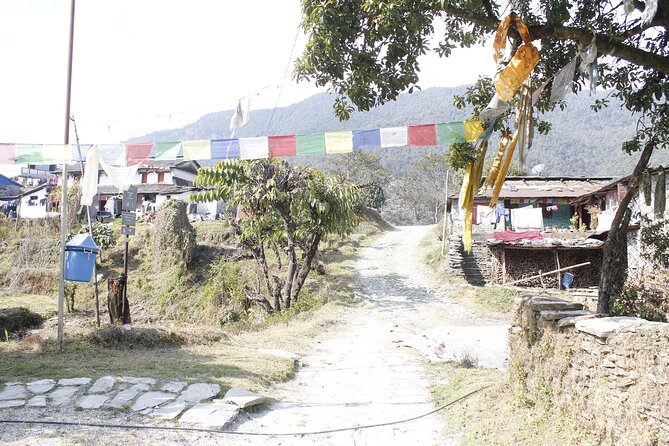
Day 5 is a highlight day, built around an early morning visit to Kyanjin viewpoint at 4,800 meters (16,404 feet). The point of doing this early is simple: sunrise views at altitude can be spectacular, and you get the kind of moment that makes the week click into place.
After breakfast, you continue down to Lama Hotel. The route is downhill, and it’s described as a 4 to 5 hour stroll from Kyanjin Gompa to Lama Hotel. That is a gift on a trek like this. Downhill days can be tricky on your knees, but they are usually less demanding than uphill altitude days.
This is where pacing matters most. If you sprint downhill to catch daylight, your legs may pay for it later. Keep steps short, take your time, and let the views come to you.
Day 6: Syabrubensi return, lush vegetation, and time to catch your breath
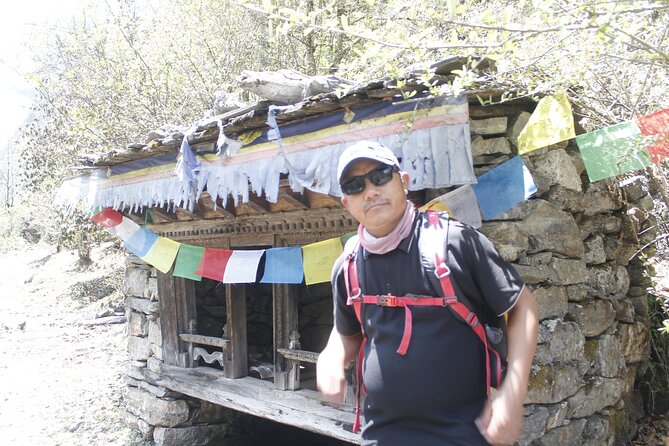
By Day 6 you’re trekking down to Syabrubensi, a walk described around 5 hours. The trail is a simple downhill through lush green vegetation, which contrasts nicely with the higher, harsher-feeling parts of the route.
When you arrive, you take lunch and, according to the plan, you may have spare time. That’s important. People often underestimate how much recovery they need after several days of altitude walking. This buffer helps you avoid that classic post-trek crash.
Also, having time in Syabrubensi gives you a chance to dry out gear, rehydrate properly, and get your head clear before the return to Kathmandu.
Day 7: Drive back to Kathmandu and a low-key finish in Thamel
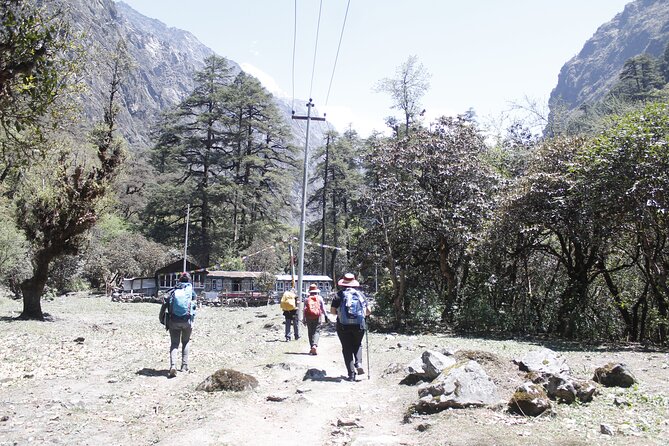
On Day 7, you drive back to Kathmandu and then transfer to your hotel. The day is at your leisure, so you can treat it like your recovery day. A lot of people use this time to walk around Thamel, eat something warm, and reset after mountain nights.
This finish also makes sense logistically. You are not expected to cram in additional activities immediately after a trek. You get to land in Kathmandu, shower, and decide what you feel like doing next.
Price and value: what $410 covers on the Langtang route
At $410 per person, this trek is priced like an organized, fully supported trek rather than a budget DIY trip. Here is what that means for value.
What you get included:
- Hotel pickup and drop off
- A professional English-speaking guide
- Guest-house accommodation during the trek
- Shared bus to and from the starting point
- Langtang National Park and Conservation Area permit plus TIMS card
- First aid kit carried by the guide
- Private trip setup, meaning only your group participates
What you do not get included:
- Personal expenses
- Gratitude (optional)
That permit inclusion is a big deal. TIMS and national park access are not “nice to have”, they are part of trekking responsibly, and having them arranged saves time and hassle when you’re already focused on walking.
Is $410 “cheap”? Not really, but it is not just paying for a view. You’re paying for logistics, legal permits, guiding, and safety support. If you compare it to the cost of piecing together transport, guide, and paperwork yourself, a guided package often makes more sense.
The only trade-off is that you still have basic guest-house comfort. If you want comfort, you should plan to spend money on warmer layers and better sleeping setup rather than expecting hotel-style rooms.
Guides, safety, and pacing: where the best parts usually come from
What really makes Langtang feel smooth is how the day structure and guidance work together. You have an English-speaking guide, a first aid kit, and a plan that keeps daily walking times around 5 to 7 hours depending on the day.
You also have cultural landmarks built into the schedule. That matters because it gives your guide a reason to slow down, explain what you’re seeing, and connect routes to meaning. Names that have come up for this trek include Biru and Amrit, both praised for being supportive and for keeping things safe and comfortable. Even if your guide is someone else, the operator’s track record suggests you’ll get that same practical, human support.
My advice for you: treat your guide as a coach, not just a translator. If you feel breathless, speak up early. If you’re unsure about cold, ask before you get miserable. Good guides respond best when you are honest early.
What to pack and how to prepare for this week’s rhythm
The data here points to moderate physical fitness as the target level. That means you do not need to be an ultra-fit athlete, but you should be ready for repeated days of walking, some downhill and some uphill, and the reality of altitude.
Pack like a person who expects temperature swings:
- Warm layer for mornings and higher elevations
- Rain protection for mountain weather
- Comfortable hiking shoes with good grip
- Sunglasses and sunscreen (altitude light can surprise you)
- A small day bag so you can keep water and layers easy to reach
For comfort, your sleeping setup matters too. Guest houses are basic, and past feedback has described accommodation and food as average. So plan to compensate with warmth, earplugs if needed, and a positive mindset. If you come in expecting simple rooms, you’ll enjoy it more.
Who this trek is best for (and who should skip it)
This trek fits you if:
- You want a real Himalayan trek without spending your entire trip in transit
- You enjoy cultural walking, not just mountain selfies
- You are okay with guest-house comfort in exchange for big scenery
- You prefer a guided plan that handles permits and daily logistics
You might want a different option if:
- You want hotel-level comfort every night
- You hate early mornings (Day 5 starts with sunrise at Kyanjin viewpoint)
- You are not comfortable with a moderate fitness level requirement and multi-day hiking rhythm
Should you book the 7 Days Langtang Valley Trek from Kathmandu?
I would book it if your goal is a week that feels active, scenic, and meaningful without turning your trip into a logistics puzzle.
The strongest reasons to choose this specific plan:
- The accessible start from Kathmandu keeps the trip realistic
- The route includes both mountain drama and cultural stops like Kyanjin Gompa
- Permits and TIMS are handled, plus you get an English-speaking guide and a first aid kit
- Past trek notes highlight guide support as a major win, with names like Biru and Amrit coming up
My caution is simple: take guest-house comfort seriously. If average food and basic rooms would frustrate you, adjust expectations now. If you can handle simple lodging, you’ll likely find this trek leaves you with that best kind of souvenir, confidence plus memories of peaks and monastery mornings.
FAQ
What time does the pickup start in Kathmandu?
Pickup is at 6:30 am. Your representative comes to your hotel door to collect you before the trip begins.
How long is the trek?
The duration is about 7 days.
Are permits included?
Yes. The Langtang National Park or Conservation Area permit and the TIMS card are included.
Is accommodation included during the trek?
Yes. You get accommodation during the trek in guest houses.
Do I need my own guide?
No. The trip includes a professional English-speaking guide.
How do you get to the trail starting point?
You travel by sharing bus to and from the starting point.
Is there a first aid kit?
Yes. A first aid kit is carried by the guide.
What is the cancellation policy?
Free cancellation is available. You can cancel up to 24 hours in advance for a full refund. If you cancel less than 24 hours before the start time, the amount paid is not refunded.
More 7-Day Experiences in Kathmandu
More Hiking & Trekking Tours in Kathmandu
More Tour Reviews in Kathmandu
Not for you? Here's more nearby things to do in Kathmandu we have reviewed


7-Day Experiences, compared.
 ★ 5.07 days Nepal Motorcycle tourFrom $2,35012 reviews
 ★ 5.0Kathmandu to Langtang Valley 7-Day TrekFrom $30011 reviews
 ★ 4.57 Day Kathmandu Pokhara TourFrom $3805 reviews
 ★ 5.0Langtang Trek from Kathmandu 7 DaysFrom $4105 reviews
 ★ 4.27 Day Langtang Valley TrekFrom $4503 reviews
Browse the lists this tour appears in