
REVIEW · KATHMANDU SACRED SITES TOURS
Kathmandu: Pashupatinath Temple Evening Aarati Tour
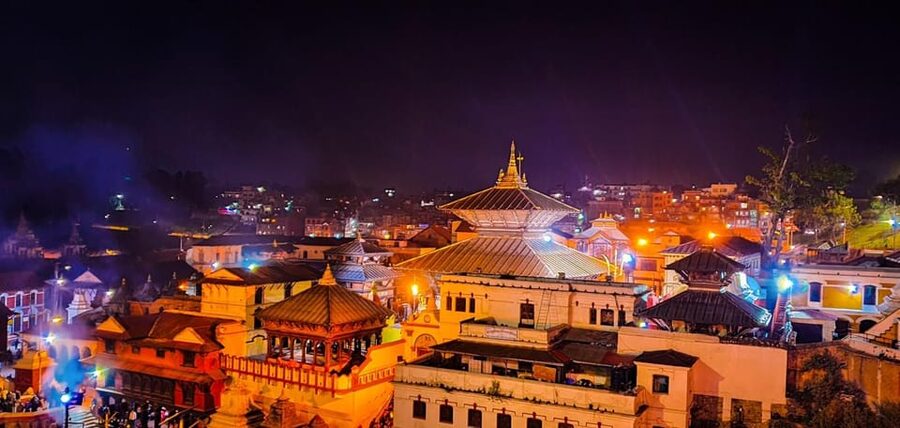
Six o’clock in Kathmandu turns spiritual fast. This evening tour centers on the Pashupati Bagmati Aarati at Pashupatinath, where oil lamps, chants, and bhajans happen right by the Bagmati River. I love that you get an English guide to translate what you are seeing, including how the aarti fits Hindu prayer traditions. The other win is practical, like getting a good place to watch even when the temple area gets packed. One thing to plan for, the monument entry fee is not included, so you will need cash on the day.
You will be standing or positioning yourself along the river banks for a ritual that is designed for sight, sound, and ceremony. Expect incense smoke, chanting, and a steady flow of devotees singing along, so come with patience and a calm mindset. Dress matters here too, cover shoulders and knees, and keep your pace respectful.
This is also one of those tours where the guide really shapes your night. Names like Razz and Shankar show up in guide stories for a reason, they helped people understand both the ritual mechanics and the broader cultural context. Still, if you do any shopping for religious items, stay alert, because at least one booking described pressure toward a shop and a high-priced purchase.
Key things to know before you go
- 6:00 to 6:30 PM timing usually kicks off, so aim to arrive with buffer time.
- Riverbank viewing is where the action is, since non-Hindus cannot enter the main temple.
- Oil lamps and circular motions are central, plus priests chant and devotees sing bhajans.
- A tradition since 2000, regular from 2006 gives this a modern rhythm alongside ancient beliefs.
- Crowds on weekends and festival days can be intense, and your viewing spot matters.
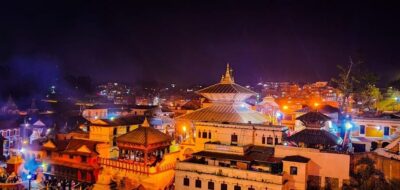
Pashupatinath at Night, where the Bagmati River becomes the stage
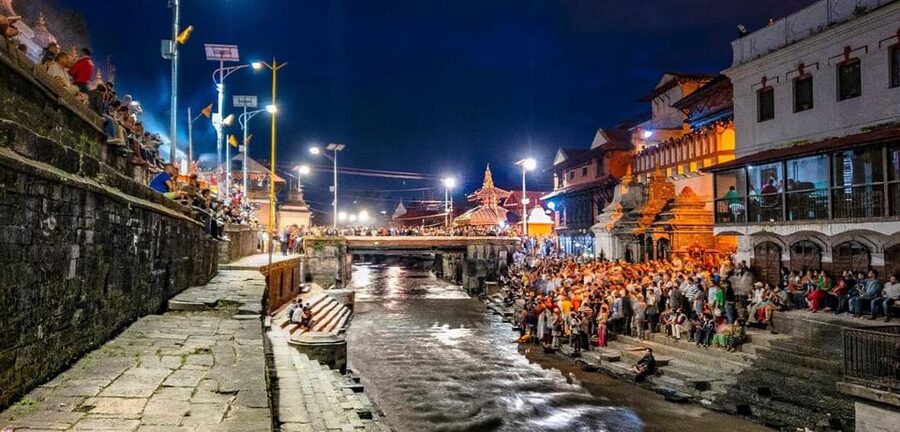
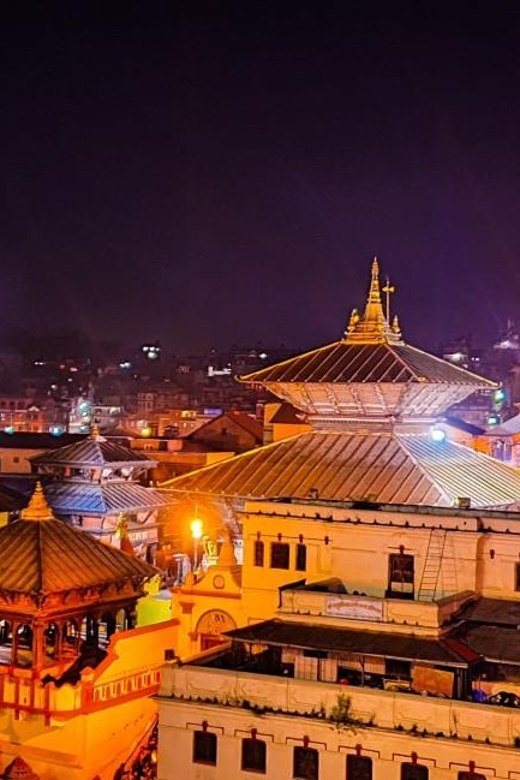
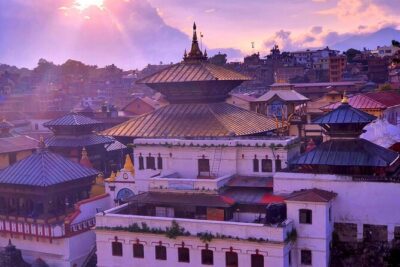
Pashupatinath is one of Kathmandu’s most important Hindu pilgrimage sites, and the evening ritual is when it becomes most watchable for first-timers. The evening Pashupati Bagmati Aarati takes place beside the holy Bagmati River, and the ceremony is built around the idea that the river is sacred. You are not just looking at a temple facade, you are watching worship unfold beside running water, with the whole place tuned to prayer.
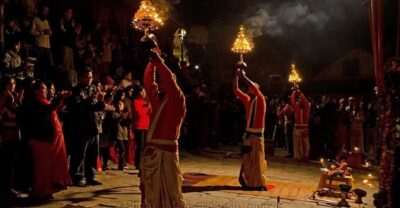
What I like most is that the ritual has clear “what you see is what it means” details. Priests perform worship using oil lamps, they chant sacred words, and they move the lamps in circular motions as part of devotion. If you pay attention, the ceremony makes more sense fast, instead of feeling like random pageantry.
A gentle reality check: this is a religious space with smoke, sound, and lots of people. The experience can be serene, but it is also intense. If you are sensitive to incense or chanting, plan to slow your breathing and give yourself space.
You can also read our reviews of more evening experiences in Kathmandu


The 3-hour plan that keeps things simple
The tour is built around one main goal: get you to Pashupatinath in time for the evening aarti, then bring you back. It is only about 3 hours, which is ideal if you want a meaningful cultural night without swallowing your whole evening.
Your day starts with hotel pickup by private air-conditioned vehicle. There are three pickup options depending on where you are staying: Boudhha, Thamel, or central Kathmandu. You will also get a professional English speaking guide, and the tour includes taxes, which helps avoid surprise add-ons.
After the ritual, you return to one of three drop-off points, Kathmandu, Thamel, or Boudhha. If you are staying outside Kathmandu city center, the tour notes there may be an additional fee, so it is worth confirming your exact pickup pin early.
Getting there in time: why 6 PM is the whole game
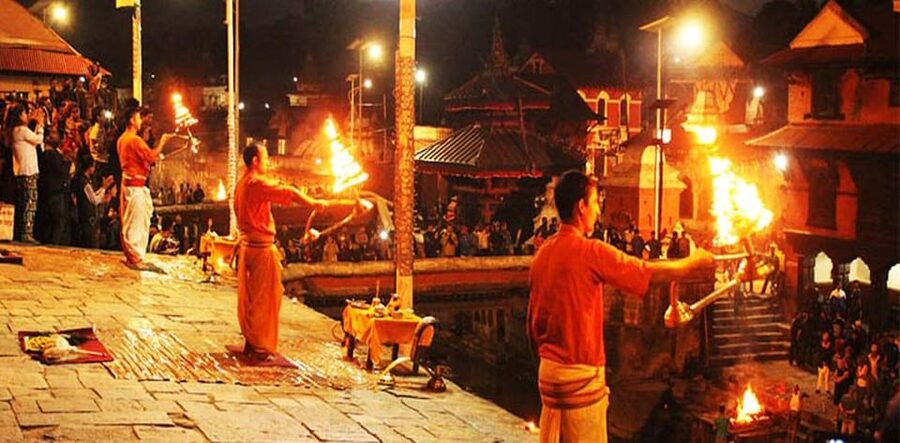
The aarti usually starts around 6:00 to 6:30 PM, though timing can shift by season. That means timing is not a technicality here, it is the difference between catching the ceremony calmly and trying to squeeze into view while everyone else is already settled.
Your best move is to treat the “start time” as a deadline, not a suggestion. The temple area can get crowded on weekends and during holidays, and you need to factor in walking and positioning along the Bagmati River banks.
Also, this is a place where the atmosphere builds steadily. Even if the exact start shifts a bit, you will feel it ramp up as chants and lamp-lighting begin. Come ready to stand still, watch closely, and let the night unfold.
How the Pashupati Bagmati Aarati works on the river banks
Here’s what you are actually going to see during the ceremony. At Pashupatinath, the ritual honors the holy river and the temple complex together. The belief that bathing in the Bagmati washes away sins is part of the spiritual gravity of the place, and the evening ritual reflects that relationship.
During the aarti, priests use oil lamps as the focal offering. They chant sacred words, and they move the lamps in circular motions to symbolize devotion to the Divine. Around this, devotees sing religious songs called bhajans, which gives the ceremony its collective rhythm, not just a priest-led performance.
It is also helpful to know the timeline behind the ritual itself. The Bagmati Aarati began in 2000 and became a regular tradition from 2006. So yes, you are witnessing something rooted in Hindu practice, but it also has a modern pattern that draws thousands of people each year.
Finally, the ceremony ends with prayers for the wellness of all souls and gratitude for God’s kindness. That ending matters because it is not only about spectacle, it is about what the community is hoping for.
Temple access rules you should understand before you arrive
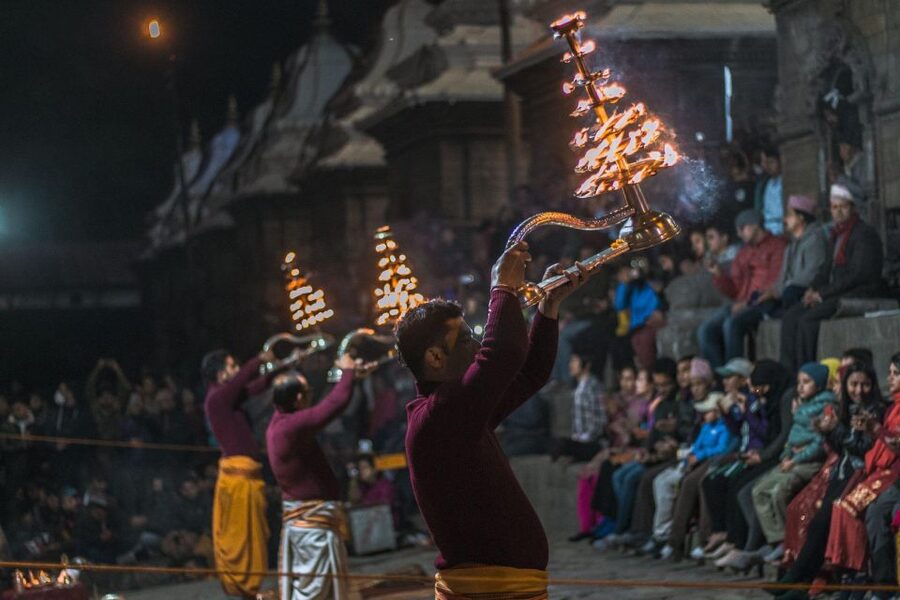
This tour is designed so you can experience the main action without needing to enter the main temple space. The important rule is simple: non-Hindus are not permitted inside the main temple. The good news is that the aarti can be viewed from the Bagmati River banks, where you can watch the ceremony unfold respectfully.
Photography is generally allowed, but the site is still a working place of worship. Keep your phone use quiet, avoid blocking people’s sightlines, and be ready to put the camera away when the ceremony tightens.
One more practical point: modest dress is required. Cover shoulders and knees. You do not need fancy clothes, but you do need to follow the site’s expectations, especially in a sacred space where many devotees are dressed formally.





What guides really add, Razz, Shankar, and the value of context
The tour runs on guide-led interpretation. The ritual can look like a set of moving pieces unless someone explains what is happening and why it matters. In guides, names like Razz and Shankar come up in people’s experiences for a reason: they explained not only Hindu traditions tied to Pashupatinath, but also added context from Buddhism, which helped some visitors understand connections across Nepal’s spiritual landscape.
If you want to get the most out of the night, ask your guide questions like:
- What does the circular lamp motion symbolize in this setting?
- Why is the Bagmati River part of the ritual rather than just the temple address?
- How does the aarti relate to the larger idea of prayer in Hinduism?
You will also hear about significant festival timing, since many people visit on holidays, Mondays, and festivals such as Maha Shivaratri and Haritalika Teej. Those details help you understand why the crowd pattern changes and why the same ritual feels different depending on the calendar.
One caution: the tour includes professional guidance, but it is still wise to watch how any side suggestions are presented. One booking described a situation that involved steering the purchase toward a shop at a high price. If you want to buy religious items, decide before you go or set a clear spending plan so the experience stays yours.
Cremations, Tandav, and the cultural context you may notice
Pashupatinath is known for more than candlelight. The evening setting can include views related to cremation areas, and the tour’s guidance often explains what those rituals mean. In at least one experience, the guide helped connect religious beliefs to what was visible near the temple area, before the group settled back for the aarti.
You should also know about Tandav, a divine dance associated with honoring Lord Shiva, mentioned as part of what followers may do at Pashupatinath. Even if you do not see a full performance in your exact viewing window, your guide can help you interpret what you notice in the broader cultural atmosphere.
Is it heavy? It can be. But if you treat it as part of a working religious complex, the night becomes more meaningful. You are not watching only a show, you are witnessing how devotion, death rituals, and prayer coexist in the same sacred geography.
Price and value: what $22 covers, and what to budget for
The price is $22 per person for a 3-hour guided evening tour. What you get for that price is practical: hotel pickup and drop-off by private vehicle, a professional English speaking guide, private air-conditioned transportation, and all taxes.
What is not included is the monument entry fee, NPR 1,000 per person. Personal expenses and meals and drinks are also not included. So you should budget at least for that entry fee and any small costs you choose during the night.
When value feels good here, it is usually because of time saved and focus gained. The aarti is time-sensitive and crowd-heavy, and a guided night with pickup reduces the mental load. You spend your energy watching and understanding, not wrestling logistics in the dark.
Who this is best for (and who should skip it)
This tour is a strong fit if you:
- Want a single evening highlight in Kathmandu that feels tied to local life and ritual.
- Prefer a structured plan with hotel pickup and a guide who explains what you see.
- Are comfortable being part of a crowd for a sacred ceremony, even if you cannot enter the main temple.
I would hesitate if you:
- Hate crowds and standing for long stretches, since the riverbank viewing area can be busy.
- Are very uncomfortable with incense smoke and chanting in close quarters.
- Expect a quiet, museum-like experience. This is worship in motion.
If you like to understand religion through real-world practice, you will probably find this night rewarding.
Should you book the evening Aarati tour?
I think this is worth booking when your goal is a guided, time-specific Pashupatinath experience. The best reasons are straightforward: the Pashupati Bagmati Aarati is scheduled around a predictable evening start, you get English interpretation, and riverbank viewing keeps the experience accessible even if you cannot enter the main temple as a non-Hindu.
If you go, come with a small plan: bring modest clothing, arrive early enough to secure a good spot, and keep your expectations flexible about crowds. Budget for the NPR 1,000 entry fee and remember that respectful behavior matters more than perfect photos.
If you want a night that mixes devotion, ritual detail, and real Kathmandu spirituality in just a few hours, this tour fits that bill.
FAQ
What time does the Pashupati Bagmati Aarati usually start?
The evening aarti usually starts around 6:00 to 6:30 PM, but timing can vary by season.
Where are the pickup locations?
Pickup is available from Boudhha, Thamel, or Kathmandu hotel locations in the city center.
Can non-Hindus enter the main temple?
No. Non-Hindus are not permitted inside the main temple, but the aarti can be viewed from the Bagmati River banks.
Is the monument entry fee included?
No. The monument entry fee is NPR 1,000 per person and must be paid on the day of the visit.
Is skip-the-ticket-line included?
Yes, the tour description says you can skip the ticket line.
What should I wear to the temple area?
Dress modestly and cover shoulders and knees, since it is a sacred Hindu site.
Is photography allowed?
Photography is generally allowed, but you should remain respectful during the rituals.
How long is the tour?
The tour duration is about 3 hours.
Is there free cancellation?
Yes, free cancellation is offered up to 24 hours in advance for a full refund.
More Evening Experiences in Kathmandu

More Tours in Kathmandu



More Tour Reviews in Kathmandu



Not for you? Here's more nearby things to do in Kathmandu we have reviewed


Kathmandu Sacred Sites Tours, compared.
 ★ 5.0Kathmandu Spiritual Sites: Bodhnath & Pashupatinath TourFrom $60185 reviews
 ★ 4.8Chandragiri Cable Car and Monkey Temple TourFrom $3139 reviews
 ★ 5.0Monkey Temple – Swayambhunath Tour – Private/Small GroupFrom $1550 reviews
 ★ 5.0Pashupatinath Temple Evening Aarati TourFrom $4536 reviews
 ★ 5.0Chandragiri Cable Car & Monkey Temple Tour- Private/GroupFrom $532 reviews
 ★ 5.0Private Chandragiri Cable Car and The Monkey Temple TourFrom $530 reviews
 ★ 4.8Pashupatinath Temple Aarti Night TourFrom $7129 reviews
 ★ 5.0Pashupatinath Temple, Hindu Crematorium and Aarati in-depth TourFrom $9025 reviews
Browse the lists this tour appears in