
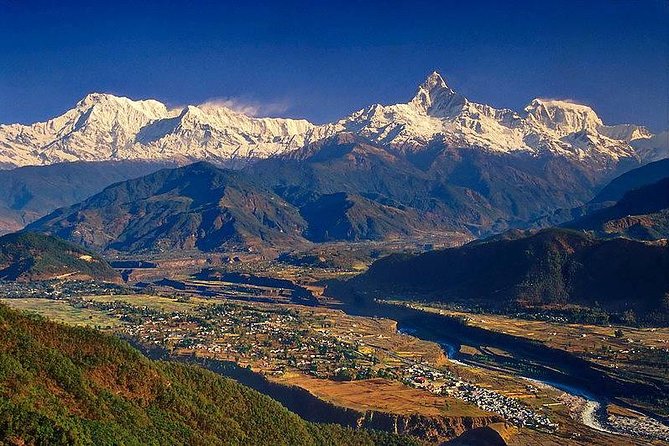
REVIEW · ANNAPURNA TREKS FROM KATHMANDU
Annapurna Base Camp, Nepal 10 days
The Annapurna Base Camp trek has a way of getting under your skin fast. This private 10-day route is interesting because it mixes teahouses and hotels with guided walking you can adjust to your comfort, while focusing on the spiritual and environmental meaning of the Annapurna Sanctuary. I also like that most meals are included, so your budget and daily decision-making feel simpler.
One thing to consider: this is a high-altitude trek, so you need to take the itinerary’s rhythm seriously. Expect cool, sometimes damp conditions and long walking days, plus the fact that hot water, hot showers, WiFi, and battery charging are not included.
Key things to know before you go
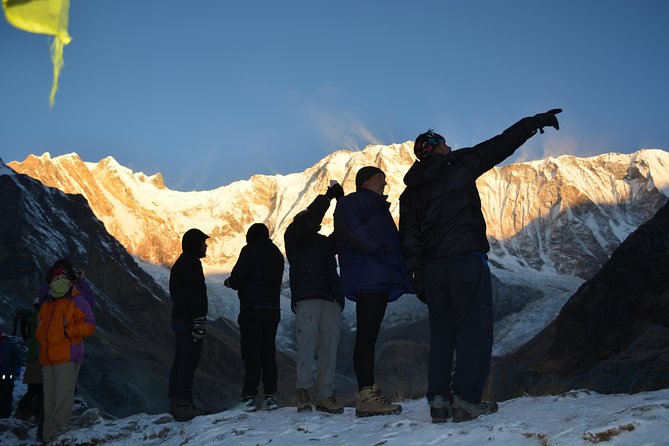
- Private, at-your-pace trekking: you are not stuck with a fast group tempo.
- Teahouses plus hotels: comfortable rests when you are not on the trail.
- Meals are mostly handled: breakfast, lunch, and dinners are largely covered.
- A real guide matters here: multiple reviews highlight guides who are caring, helpful, and flexible.
- You walk a lot, daily: the plan ranges from about 3 to 8 hours of hiking, depending on the day.
- Limited creature comforts on the trail: plan around no WiFi and no included hot shower.
The big idea: what makes this Annapurna Base Camp trek feel special
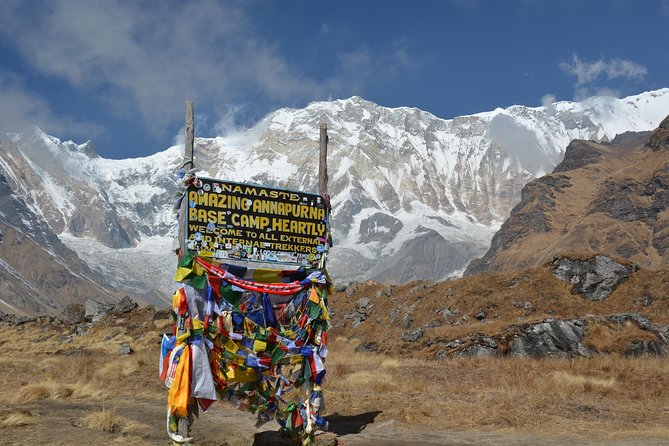
Annapurna Base Camp is not just about a final photo. The best version of this trek is the one that helps you understand why the Annapurna Sanctuary matters, while also letting you walk in a way that keeps you safe at altitude. This is a private trek, so the guide can set a pace that matches your breathing, energy, and comfort level. That matters because even fit hikers can get slower once altitude starts to tug at your lungs and legs.
I also like the structure because it’s practical. You get a blend of hotels and teahouses, so you are not living in a constant hardship mode. Meals are mostly included too, which is a big deal on trekking days when you do not want to negotiate menus, prices, and timing.
If you are nervous about logistics, the fact that pickup is offered helps. You start with an organized handoff rather than trying to figure out local transport on day one.
You can also read our reviews of more tours and experiences in Kathmandu.
Day 1: Kathmandu to Pokhara, a long ride that sets the tone
Your day starts early, with a 6:15 am start time. Day 1 is a drive from Kathmandu to Pokhara (about 7 hours). Pokhara sits at a much lower altitude than the trekking zones, so it works like a buffer day. Use it to hydrate, eat normally, and keep your legs loose.
This is also where you get your first taste of the trip’s pace and comfort level. You are riding in an air-conditioned vehicle, and you are not forced into a rushed start. For a trek like Annapurna Base Camp, having a smoother entry day can be the difference between feeling calm and feeling tense.
A small consideration: if you hate long bus rides, plan a distraction (music, downloaded shows, a good book). Seven hours is seven hours.
Day 2: Siwai to Ghandruk, Gurung village charm and first rhythm
On Day 2, you drive to Siwai (about 2.5 hours), then start trekking to Ghandruk. The walking day runs around 4 hours. Ghandruk is a village mostly inhabited by the Gurung community, and it’s one of those places where you feel like you’re entering a living culture, not just passing through.
What I like about this day is that it builds your walking rhythm. You are not thrown into the steepest sections right away. It’s a good chance to test your pack weight, settle into your footwear, and learn how your body responds once you start climbing and descending.
This is also a day to pay attention to guidance. Since this is private, your guide can remind you about pacing and how to manage pauses. In the reviews, the guides are repeatedly praised for being welcoming and caring, and you’ll feel that sort of support early rather than only at the summit moment.
Day 3: Chhomrong route and big mountain views coming into focus
Day 3 brings a longer walking day, around 6 hours, moving from the area near Kimrungdanda toward Chhomrong. Along the way you get views of Annapurna South, Hiunchuli, Fishtail Mountain (Machhapuchhre), and Ganggapurna.
This is one of those trekking days where the scenery does the work of motivation. Those peaks are not subtle. Even if the day is physically steady rather than explosive, the views can make every uphill step feel worth it.
The Chhomrong area also matters because it’s a key part of how the trek transitions from village trails into more high-mountain terrain. If you like having clear “milestones” on a hike, this day gives you that.
One more practical note: expect a mix of uphill effort and downhill fatigue. Early on you might feel fine, then later in the day your knees will start asking questions. Take shorter breaks instead of long ones, and keep moving steadily.
Day 4: Chhomrong steps, suspension bridge crossing, and forest time
Day 4 is about 5 hours. You start by descending from Chhomrong via about 2500 stone steps, then cross the Chhomrong Khola on a swaying suspension bridge. After that, you climb uphill to Sinuwa, then continue through forest toward Kuldih.
This is a great day if you like variety. One moment you’re dealing with steps, the next you’re crossing a bridge, then you’re walking through a forest section where the air can feel cooler and damper. That mix keeps the mind engaged, which is underrated on mountain treks.
The drawback is obvious: steps are steps. If your legs get sore easily, you will want smart foot placement and trekking poles if you use them. Also, suspension bridges can feel more intense than they look, especially in windy conditions. Go slow and keep your eyes on the path, not on the drop.
Day 5: Bamboo forest to Deurali at 3230m, cool and steady climbs
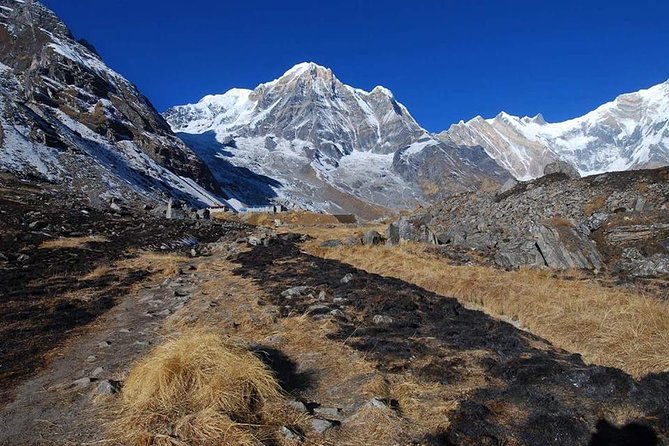
Day 5 goes from Bamboo to Deurali (3230m / 10,595ft), with about 4 to 5 hours of walking. You pass through bamboo forest, described as damp and cold, then ascend steadily with fewer steep sections. The note about reaching Himalaya Hotel suggests this is your transition point into higher, more exposed terrain.
Why I like this day is that it sounds designed for acclimatization through gradual effort rather than nonstop steepness. The “steady” climb helps you keep breathing under control, which is what you want when altitude is a real factor.
However, damp cold can sneak up on you. Even if the sun is out, a bamboo forest section can leave you chilled once you stop moving. Wear layers you can adjust quickly. And because hot water and hot showers are not included, think about how you’ll dry out and stay comfortable after your walk.
Day 6: Toward Machhapuchhre Base Camp area, strenuous but rewarding
Day 6 is around 6 hours and focuses on the path from Bagar toward Machhapuchhre Base Camp. The hike is described as somewhat strenuous, and you get an excursion after reaching Machhapuchhre Base Camp, with time to enjoy views before moving onward.
This is the day where the trek’s “challenge” becomes real in a noticeable way. If you’re the kind of traveler who likes a clear sense of effort, this is it. Strenuous days are where your guide’s role becomes essential, because pacing and decision-making matter for altitude safety and overall energy.
Also, keep expectations realistic. Machhapuchhre Base Camp is a named destination area, and once you reach it, you’ll likely want time for photos and a long rest. You’re not racing through. That’s part of the private trek value.
Day 7: From Annapurna Base Camp back toward Bamboo, downhill that still works your body
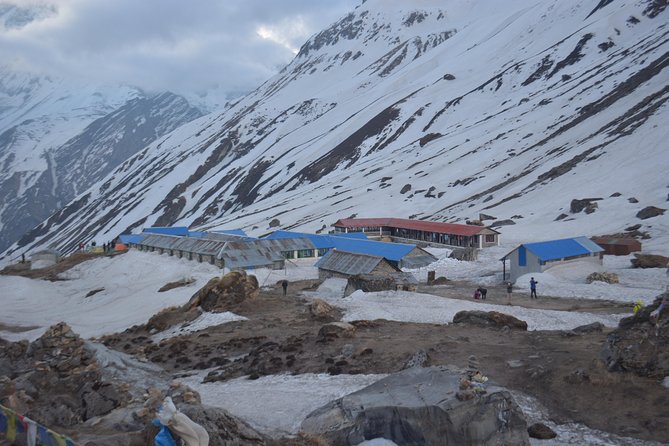
Day 7 is the return leg from Annapurna Base Camp, retracing steps to Bamboo. The walking time is listed as 8 hours and the day is downhill, so it might sound easier than it is.
Here’s the truth: downhill can be just as tiring as uphill. You’re loading your knees and quads for hours. Even with a private pace, an 8-hour day is a full day. Take the descent seriously, keep your stride shorter, and avoid the temptation to “fly” down and then pay for it later.
This is also your opportunity to enjoy the emotional side of the trek. After reaching the base camp area, the return doesn’t feel like failure. It feels like coming down from the mountain high, with time to reflect and absorb what you’ve seen.
Day 8: Bamboo to Jhinu Danda, a steady day of up and down
Day 8 is around 6 hours. You trek uphill to Kuldighar, then downhill to Chhomrong Khola, and then climb stone steps back toward Chhomrong. After that, you descend to Jhinudanda where you rest.
This is a classic “legs test” day. You’re repeating terrain types: uphill efforts, downhill sections, then step climbing. Even if you’re not facing a brutal ascent, fatigue accumulates quickly in this stage.
If you’re a first-time trekker, this is also a day to watch your hydration. Stone steps and repeated climbs can create a dehydration cycle even if you don’t feel dramatically hot. Sip consistently rather than waiting for thirst.
Day 9: From Jhinudanda back toward Siwai, including scenic moments and a lunch stop
Day 9 has about 6 hours of trekking, plus the travel transition later. On the way from Jhinudanda to Siwai, you get to enjoy hill scenery in western Nepal, including wild bee hive under the cliff, and you have lunch on the way.
These small scenic details are the kind of things that make trekking feel human rather than mechanical. They can also become memory anchors, the moment you remember after the big peaks fade into general admiration.
The trek ends at Siwai, where you board your vehicle for the next leg. If you like having a clear finish line, day 9 gives it to you.
Day 10: Pokhara back to Kathmandu, souvenir time and optional flight
Day 10 is a drive from Pokhara to Kathmandu (about 7 hours). You get time to look around shops and pick up souvenirs, and you can also take a flight for an extra $100.
This is your decompression day. After ten days of walking, you will probably feel like you need a normal sidewalk moment. Use this day to eat something familiar, rehydrate properly, and treat your body gently.
The optional flight is helpful if you dislike long road travel. But the cost matters, so decide based on your budget and your comfort with sitting for hours after hiking.
Guides like Resham GC and Sandip make a real difference
One theme shows up again and again in the feedback: strong guiding. Names that appear include Resham GC and Sandip, plus others like Sandeep and Kamal. What matters is not just route knowledge. Guides are described as welcoming, caring, cheerful, and very helpful throughout the journey.
On a trek, that kind of support changes how you experience the day. A caring guide helps you slow down when you need to, encourages you without pushing, and keeps you grounded when the mountain starts to feel heavy. A knowledgeable guide also helps you understand what you’re seeing and why the Annapurna Sanctuary is more than a backdrop.
Even the operational side feels smoother in the reviews. People mention smooth travel and hospitality, which is what you want on a private trek. You do not want your vacation energy spent on fixing small problems.
Price and value: what $848 buys you, and what it does not
At $848 per person, this trek is positioned as a mid-range guided experience, especially because it is private. You are paying for structure, timing, and support: a vehicle for key transfers, accommodation in hotels and teahouses, and most meals covered (breakfast 10 times, lunch 8 times, dinner 7 times).
What that means for you: you’ll spend less time worrying about food and logistics each day. When you are trekking, that is real value. It also helps you budget more easily, since a big chunk of daily costs is handled.
What you should plan to cover yourself includes hot water and hot shower, WiFi, and battery charging. Tipping the crew member is also not included.
If you expect modern conveniences on the trail, you’ll be disappointed. If you’re okay with the mountain version of comfort, this price starts to look fair because the planning and guidance are clearly baked in.
Food, teahouses, and the comfort reality check
Accommodation alternates between hotels and teahouses. In the feedback, sleep quality in teahouses is described as good, and food is described as good too. That lines up with what you should aim for: clean, simple lodging that does not waste your limited energy.
Still, you should hold two expectations at once. The teahouse experience is basic by design, and so is the charging and shower situation. Even if the lodging is comfortable, you should bring the mindset of “good enough and warm enough,” not “spa weekend.”
Meals are mostly included, which helps you eat on schedule. That is important for trekking because you want fuel before a long walk, not after you feel depleted.
Pacing and physical demands: how to think about 3 to 8 hours daily
The trek includes daily hiking in the 3 to 8 hour range. Some days list 4 hours, 5 hours, 6 hours, and one long return day around 8 hours. As a planning tool, you should treat the time range as a signal: you will likely walk longer some days even if the terrain feels familiar.
Private trekking helps because you can pause without feeling like you’re slowing down a group. But it doesn’t change the mountain. If you want an easier experience, choose your pace intentionally early and avoid going too fast on day 2 or day 3 just because the views are amazing.
A practical strategy is to keep breaks short, eat what’s available at regular times, and drink consistently. For a high-altitude trek, your body rewards steady effort.
What to bring (based on what is not included)
Because hot water, hot showers, WiFi, and battery charging are not included, you need to plan your comfort and power. You might find yourself relying on small warm-up routines and battery management more than you expect.
Practical items to consider:
- Layers for cold, damp areas, especially because bamboo forest sections are described as damp and cold
- A way to keep essentials powered, since battery charging is not included
- Drying time habits, since shower options may be limited
- A good attitude about limited connectivity, because WiFi is not included
If you want a smooth trek, show up with the expectation that the mountains come first. The guide and the itinerary help a lot, but you are still the one wearing the gear.
Who this trek is best for
This private Annapurna Base Camp trek fits best if you:
- Want your own pace, not a strict group march
- Are okay with teahouses and a high-altitude walking rhythm
- Like guided context around spiritual and environmental meaning, not just peak chasing
- Prefer a structured trip where hotels, meals, and key transfers are handled
It may be less ideal if you want nonstop comfort upgrades like hot showers every day, constant connectivity, or short walking days.
Should you book this Annapurna Base Camp trek?
If your priority is a guided, private Annapurna Base Camp experience with good support, this is an easy “yes, consider it.” The standout praise centers on great guiding and caring personalities, and the trip design sounds built around keeping you fed, housed, and moving at a manageable pace.
I’d book if you’re realistic about the tradeoffs: high altitude, long walking days, and limited included amenities like WiFi and hot showers. I’d hesitate if you want modern conveniences on the trail or you are not prepared for cold, damp trekking segments and a long downhill return day.
FAQ
FAQ
How long is the Annapurna Base Camp trek?
The trek is listed as 10 days (approx.).
Where does the tour start and end?
The tour starts in Kathmandu, Nepal, and the itinerary returns to Kathmandu on Day 10.
What time does the experience start each day?
The meeting start time is listed as 6:15 am.
Is this a private trek?
Yes, it is a private tour/activity, so only your group participates.
What meals are included?
Breakfast is included 10 times, lunch 8 times, and dinner 7 times.
Are hot showers or WiFi included during the trek?
No. Hot water, hot shower, WiFi, and battery charge during the trekking are not included.
Do they provide pickup and transportation?
Pickup is offered, and the itinerary includes an air-conditioned vehicle for key drives.
Is there an optional flight instead of driving back to Kathmandu?
Yes. You can take a flight for an extra $100.
If you want, tell me your hiking experience level and travel month, and I’ll help you sanity-check whether the 8-hour downhill day and the cold damp forest sections are likely to feel manageable for you.
More Tour Reviews in Kathmandu
Not for you? Here's more nearby things to do in Kathmandu we have reviewed


Annapurna Treks from Kathmandu, compared.
 ★ 5.0Annapurna Circuit Trek with Tilicho LakeFrom $1,093368 reviews
 ★ 5.0Annapurna base camp trek 5 DaysFrom $699252 reviews
 ★ 5.0Annapurna Base Camp TrekFrom $935111 reviews
 ★ 5.0Kathmandu to Annapurna Base Camp (ABC) 5-Day TrekFrom $99102 reviews
 ★ 5.04 Days Poon Hill TrekFrom $40594 reviews
 ★ 5.0Annapurna Circuit TrekFrom $1,17594 reviews
 ★ 5.0Annapurna Base Camp Trek 12 DaysFrom $80085 reviews
 ★ 5.0Ghorepani(Poonhill Trek)From $60081 reviews
Browse the lists this tour appears in