

REVIEW · HIKING & TREKKING
Upper Mustang Trek 14 Days
Upper Mustang feels like a time machine. This 14-day route takes you into the once forbidden kingdom with walled cities, Tibetan-influenced culture, monastery stops, and cave visits around Lo Manthang. It is the kind of trip that makes you look twice at every stone wall and alley.
I love two things most. First, the trip builds around a government license holder English-speaking trekking guide, and Devaraj is specifically mentioned in feedback as both professional and easy to coordinate with before departure. Second, the program aims for a smart rhythm, with careful acclimatization planning and thoughtful pacing, so you spend more energy on the experience and less on fighting the altitude.
One consideration: the deal list does not cover everything you will feel day to day. Meals are not included, and accommodation during the trek is also listed as not included, so you need to budget for daily teahouse costs and plan your cash habits early.
Key things to know before you go
- Upper Mustang Restricted Area permit is included for 10 days only, so you want to match that with your exact trek dates.
- Lo Manthang is the headline stop, with monastery visits and Chhoser Cave timing built into the plan.
- You will fly partway through, using Pokhara to Jomsom and back, which can save time compared with a longer overland route.
- Kathmandu includes 2 nights at Hotel Chhimeki, plus airport pickup and drop service.
- Porters are not included, so bring a realistic plan for how much you will carry.
First step in Kathmandu: Thamel for jet lag and last-minute essentials

Your trip starts in Kathmandu at Hotel Chhimeki near Purano Dhalko Marga, and the big win here is that the schedule gives you time to land, check in, and get your footing. The first day is focused on easing in, with a stroll through Thamel to reset your senses after travel.
I like the approach because Upper Mustang has a lot of moving parts already: permits, flights, and then days of trekking in a dry, high-altitude region. A calm Day 1 means you can shop for the basics you may have missed, like a warm layer, a reliable headlamp, sunscreen, or any small hygiene items you want for the road.
Practical tip: if you are the type who always thinks you packed enough, treat Thamel as your backup plan. That area is built for travelers, so you can usually solve small problems fast.
You can also read our reviews of more hiking tours in Kathmandu
Pokhara break: Phewa Tal and Tal Barahi to soften the edges

On Day 2 you drive from Kathmandu to Pokhara, which helps you transition gradually. Once there, you get the easiest kind of sightseeing, a short walk along Phewa Lake, plus the option to rent a boat if you want a calmer, more flexible pace.
Then there is Tal Barahi Temple, on its own small island in the middle of the lake. It is a quick stop, but it gives you a peaceful break from mountains and trekking logistics. In a trip like this, those quiet moments matter because you will have several long travel days later.
If your legs feel heavy from flying, this is your chance to loosen up without the stress of a full tour day. Just remember it is still Nepal in shoulder season of temperatures up high later, so keep hydration and sun protection in mind even when you are relaxing.
Flight to Jomsom and the start of Mustang’s dry-country feel
The rhythm changes on Day 3. You fly from Pokhara to Jomsom, then immediately step into the gateway village vibe in Kagbeni.
Jomsom sits in the Kali Gandaki Valley, and the region is known for dramatic mountain views plus strong winds. Even if you do not notice them in the airport, you often feel them in the route planning and timing once you are outside. Kagbeni is a key cultural entry point too, with ancient mud-brick houses and narrow alleys linked to Buddhist monastic life.
This combo is smart. It avoids the slow ramp-up that can be mentally tiring. You start the trek proper the next day, but Day 3 helps you understand the terrain and the feel of the places you are going to spend time in.
Tip: keep your daypack light for flights and windy transitions. If your main bag is bulky, you might feel it later when you hit uneven paths.
Kagbeni to Chele: desert trails, old caves, and Mustang villages
Day 4 begins in Kagbeni and walks toward Chele. This is one of those segments where the value is not just the distance. It is how the path threads through arid country, with references to traditional Mustang villages and even ancient cave scenery along the way.
What I like here is that it is a gentle way to acclimatize to the visual world of Upper Mustang. The terrain looks different from green trekking routes people know from other parts of Nepal. Here you are in a high-altitude desert setting, so your body reacts differently to sun, dryness, and walking effort.
Possible drawback: the dry air can make you underestimate dehydration. Your thirst cues may lag, so drink steadily even when you do not feel desperate.
You will likely arrive in Chele ready for quiet, simple teahouse life. That is part of the charm, just be realistic about comfort. This is remote trekking, not resort cruising.
Chele to Syanboche to Ghami: long trekking days and the altitude lesson

The itinerary keeps building your momentum with Day 5 at Syanboche and Day 6 at Ghami. These days are described as crossing high-altitude deserts and rugged, barren terrain. If you like stark views and empty-feeling skies, this is where you get them.
Ghami is framed as a larger, more lively village with historical monasteries, which is a good emotional break. Without those stronger community nodes, long desert trek days can start to feel monotonous. Ghami helps reset your expectations and gives you something to orient around besides rocks and sky.
One important reality check: many days in the plan are listed around 12 hours. That does not mean you will be walking every minute at high intensity, but it does signal that your days will be full. If you are prone to getting tired early, build a habit of consistent pace and short rest breaks rather than hoping you will push through only at the end.
Tip: pack layers for temperature swings. Even when the sun is out, nights up high can get cold fast.
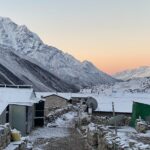
Tsarang: monasteries and the Tsarang Fort payoff

On Day 7, you trek from Ghami to Tsarang, a prominent Upper Mustang village. Tsarang is known for its ancient monastery and the imposing Tsarang Fort. This is a day that tends to reward travelers who enjoy architecture and cultural anchors.
I like that Tsarang is not just a stop for photos. It gives you a reason to slow down and pay attention to how people built in a harsh environment. Fort walls, monastery sites, and village layout help you understand why Upper Mustang remained distinct for so long.
If you are traveling for culture as much as scenery, Tsarang is one of the strongest “pause points” in the trip.
One note: if you are sensitive to crowds, remember this is a private tour/activity, meaning your group size is limited to your own party, but popular monastery areas can still feel busy at times depending on the season.
Lo Manthang day: walled city streets and Tibetan-influenced culture

Day 8 brings you to Lo Manthang, the capital of Upper Mustang. The big idea is simple: this is a walled city with Tibetan-influenced culture, narrow streets, and traditional mud-brick architecture.
This is the part of the trip that changes from trekking to living inside a place. You are walking at a slower pace now, spending time in alleys and communal corners instead of only covering ground. Lo Manthang’s compact feel makes it easier to learn how the town works, how people move, and where monastery life shapes daily rhythm.
Practical tip: wear shoes you trust. Old stone and packed earth can be slippery, especially if the weather turns. Also, Lo Manthang is a great place for an early night, not because you have to, but because you will want energy for the monastery and cave day ahead.
Thubchen Gompa and Chhoser Cave: the spiritual and historical day

Day 9 is built around two major experiences: Thubchen Gompa and Chhoser Cave. Thubchen Monastery is presented as one of the oldest and most significant monasteries in Lo Manthang. Visiting it gives you the chance to see monastery architecture up close and enjoy the quiet atmosphere around religious sites.
Then you shift gears to Chhoser Cave, near Lo Manthang. The cave complex has been used for centuries, and it is described as having historical significance with stunning setting. That combination of monastery calm and cave history is exactly why Upper Mustang feels different from typical mountain trekking.
What you should know before you go: cave visits can be physically awkward, with uneven ground and colder temperatures inside. Bring a light layer and watch your footing.
Also, keep this day respectful. You are in religious and historical spaces, so move gently, speak softly, and follow your guide’s cues on where to stand and how long to stay.
Return trek through Dhakmar and back to Kagbeni: same route, new meaning

Days 10 and 11 take you back out, first trekking from Lo Manthang to Dhakmar, then from Dhakmar to Kagbeni. A return route often feels easier because you know the basics now, but I like it because the views start to make more sense the second time.
Dhakmar is described as known for its landscapes and unique rock formations, while Kagbeni acts as your familiar landing point. When you reach Kagbeni again, you can compare earlier impressions with what you notice after days in the region.
This is also a smart time to think about energy and pacing. Do not rush because you want the trip to end. Your body is still adjusting to altitude, and enjoying the second pass helps prevent that last-day fatigue spiral.
Fly out from Jomsom to Pokhara, then back to Kathmandu
On Day 12 you fly from Jomsom back to Pokhara. This is a nice reset day compared with long hiking days. Pokhara gives you room to reflect and recover, with time for rest and a final look at the Annapurna region views from lower altitude.
Day 13 drives back to Kathmandu. The day is intentionally lighter, leaving you time for last-minute shopping or casual exploring around the capital. Then on Day 14 you head to Tribhuvan International Airport.
This wrap-up matters. After remote trekking, a smooth return reduces stress. And since airport pickup and drop service is included, you avoid the common post-trek headache of scrambling for transport while tired.
Price and what you truly get for $1,212
At $1,212 per person, this trek sits in the mid-to-upper range for Nepal. The price makes sense when you look at what is included versus what is not.
What is covered in your package:
- Airport pickup and drop service
- Accommodation in Kathmandu for 2 nights at Hotel Chhimeki
- Transportation as per the itinerary, including the Pokhara to Jomsom flights and return
- A government license holder English-speaking trekking guide
- Permits: Upper Mustang Restricted Area Permit (10 days only) and the Annapurna Conservation Area Permit
- First aid medical box
- T-shirt, duffel bag, and trekking map with company logo
- All taxes
What you should budget separately:
- Visa fee to enter Nepal
- International flights
- Travel insurance and rescue operation costs
- Porters
- Accommodation during the trek
- Meals: the data states meals are not included, and only dinner is listed as included
That meal and trek-lodging gap is the big budgeting variable. Teahouse trekking can be affordable, but it adds up fast if you eat more than you plan or if the daily costs are higher in peak weeks. Also, with porters not included, you might choose to hire help anyway if you want to hike with a lighter load. That can significantly change your total trip spend.
Value verdict: you are paying for guide support, permits, internal transport, and Kathmandu lodging. If you already have your visa and you budget for daily teahouse meals and lodging, it can be a very fair deal. If you assumed meals and trek beds are bundled, you will need a quick recalculation.
Permits and the restricted-area reality of Upper Mustang
Upper Mustang is special because access is controlled. Your package includes:
- Upper Mustang Restricted Area Permit (10 days only)
- Annapurna Conservation Area Permit
That matters because it changes how your trek is organized and what is legally accessible for your route. It is also why the trip feels orderly despite being remote: permits keep you on the right path and the right calendar.
The practical takeaway for you: confirm your exact trek dates line up with the 10 days covered by the restricted-area permit. If you extend, the permit coverage could change. Your guide should be able to clarify the timing in plain language.
Packing and health basics for a 14-day high-altitude trek
The data points to moderate physical fitness being required. That is not a guarantee of an easy hike. You should still expect long walking days and a dry-air effect on your stamina.
Here is what I would plan for based on what the program indicates:
- Bring layers. Days can be warm, mornings and nights can be chilly.
- Start hydrating early. Dry regions can trick you into thinking you are fine.
- Use a small daypack you can manage during flights and village transitions.
- If you are not used to carrying weight for hours, decide ahead of time whether you want a porter. The data says porters are not included, so it is an extra decision.
Also, the program includes a first aid medical box, which is helpful. Still, treat this as a real mountain trek. Keep your own basics tight, like any prescription meds, blister care, and sun protection.
Who should book this Upper Mustang Trek, and who should skip
This is a strong fit if you:
- Want Lo Manthang and monastery or cave visits, not just mountain views
- Like cultural stops that feel linked to daily life
- Prefer a guided setup with permits handled and internal flights included
- Are comfortable with a multi-day trek rhythm and can handle long days
You might rethink if you:
- Expect full meal coverage and trek lodging included in the package
- Want a do-it-everything with no extra costs plan
- Are extremely sensitive to cold cave interiors or uneven rocky paths
If you want a trip that balances cultural authenticity with a clear structure, this one is built for you.
Should you book Upper Mustang with Trek Mania Nepal?
If your dream is Upper Mustang with Lo Manthang at the center, this looks like a solid choice. The biggest strengths are practical: permits are included, a licensed English-speaking guide is part of the package, and the trek is planned with a careful pace instead of rushing you through. The Kathmandu and Pokhara setup also feels designed to keep the start and finish from turning into chaos.
My deciding advice is simple. Calculate your true daily budget. Since meals and trek accommodation are not included, you need to plan for teahouse costs and decide how you will handle porters. If that extra spending fits your trip style, you will likely find the experience worth the price tag. If it does not, you might want to compare options that bundle more of the day-to-day costs.
FAQ
How many nights are included in Kathmandu?
The package includes accommodation in Kathmandu for 2 nights at Hotel Chhimeki, plus airport pickup and drop service.
What permits are included for the trek?
You get the Upper Mustang Restricted Area Permit for 10 days only and the Annapurna Conservation Area Permit.
Are meals included?
No. Meals are not included. The package specifically lists dinner as included.
Is accommodation during the trek included?
No. Accommodation during the trek is listed as not included.
Do you fly to Jomsom or travel by road?
You fly from Pokhara to Jomsom on Day 3, and you fly from Jomsom back to Pokhara on Day 12.
Is this a private tour?
Yes. It is a private tour/activity with only your group participating.
Where does the tour start and end?
It starts at Hotel Chhimeki at 17 Purano Dhalko Marga, Kathmandu 44600, Nepal, and ends back at the same meeting point.
More Hiking & Trekking Tours in Kathmandu
More Tour Reviews in Kathmandu
Not for you? Here's more nearby things to do in Kathmandu we have reviewed


Hiking & Trekking, compared.
 ★ 5.0Everest Base Camp Trek – 14 DaysFrom $1,8001,499 reviews
 ★ 5.0Everest Base Camp TrekkingFrom $1,350485 reviews
 ★ 5.0Nagarkot Sunrise View and Day Hiking from KathmanduFrom $45471 reviews
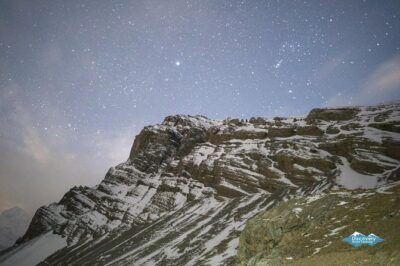 ★ 5.0Annapurna Circuit Trek with Tilicho LakeFrom $1,093368 reviews
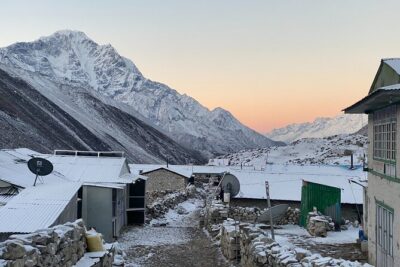 ★ 5.0Everest Base Camp Trekking – 13 DayFrom $1,399365 reviews
★ 5.0Everest Base Camp Trek -14 DaysFrom $1,420321 reviews
★ 5.0Everest Base Camp Trekking – 13 DayFrom $1,399365 reviews
★ 5.0Everest Base Camp Trek -14 DaysFrom $1,420321 reviews
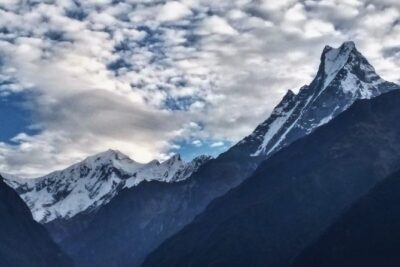 ★ 5.0Annapurna base camp trek 5 DaysFrom $699252 reviews
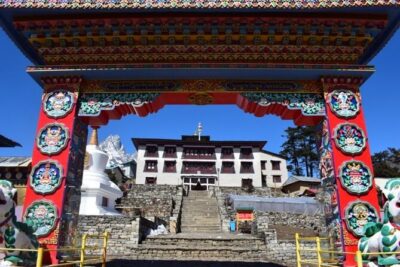 ★ 5.0Everest Base Camp Trekking – 2025/2026From $1,339199 reviews
Browse the lists this tour appears in