

REVIEW · KATHMANDU COOKING & MOMO CLASSES
Traditional Momo Making Class
Momo folding turns your hands into kitchen art. This traditional momo making class in Thamel is a hands-on way to learn dough, fillings, and folding from local women chefs, then eat what you shaped yourself. I also like that you get a warm welcome with masala chai and a clear, step-by-step rhythm that makes the whole process feel doable.
One thing to plan for: the class can run a bit longer than the 1.5 hours you see listed. And there is no hotel pickup, so you’ll want to know how to reach the school in Thamel on your own.
Key Highlights Worth Making Time For

- Women chefs guide every step, from kneading to folding
- Real dumpling practice, not just watching demonstrations
- Locally sourced ingredients and Nepali spices shape the flavor
- Masala chai welcome, plus tasting at the end
- Bright, clean cooking space, with some sessions on a rooftop terrace
- English instruction, so you can ask questions without guessing
A Women-Led Cooking Class in Thamel, Kathmandu That Feels Practical

Kathmandu’s Thamel is the kind of area where food plans happen easily. You can walk in hungry, then spend the next hour and a half learning a skill you can actually use again at home. This class focuses on Nepal’s most famous dumpling style, with you doing the work, not just taking photos.
I like that the school is women led, and that matters in a tangible way. You’re not watching a distant performance. You’re working beside people who explain, correct, and keep the kitchen moving, so the lesson sticks.
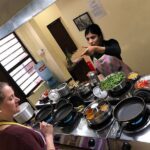
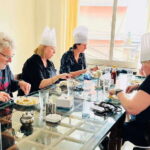
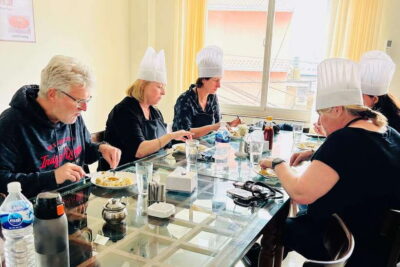
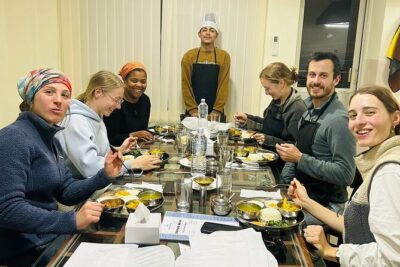
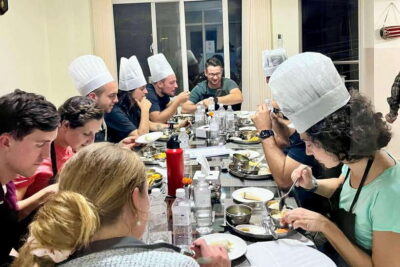
The setup also helps. Several past participants commented on a space that was very clean and bright, sometimes on a rooftop terrace. That kind of environment makes a cooking class more comfortable, especially if you’re not used to kitchen heat or flour dust.
A few more Kathmandu tours and experiences worth a look

What the 1.5-Hour Session Really Includes (And What You Make)
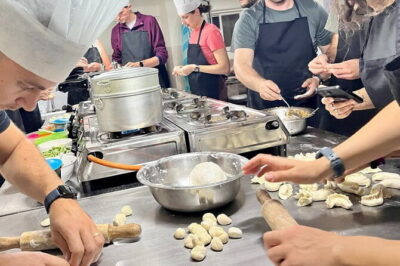
This is a traditional momo making class built around three core steps: dough, filling, and folding. You’ll start from scratch, then end with a tasting of your own momos. You also get a welcome masala chai, which is a small detail, but it sets the tone right away, warm and casual.
Because this class centers on making momos, the pace is hands-on. Expect time spent actually shaping dumplings, not only learning theory. That is exactly what you want if your goal is to return home and try again.
At the end, you eat what you made. This is one of the best parts because you can connect flavor to technique immediately. If something tastes different, you’ll remember what you did at that step.
Kneading the Dough: The Texture Lesson You Can Use Everywhere

Momo dough sounds simple until you try it. That’s why the kneading phase is such a big deal here. You’ll learn how to work the dough until it feels right, then keep it workable for filling and folding.
A good momo dough texture is about more than softness. You’re aiming for something elastic enough to fold without tearing, but not so tough that it fights back. This class gives you the practical feedback you need, like how the dough should look as it comes together and how it feels when you press and fold.
If you’ve ever made dumplings elsewhere and struggled with sticking or splitting, the kneading guidance is the part most likely to save you later. You’ll leave with a clearer sense of what to watch for by feel, not just by time.
Fillings and Nepali Spices: Learning Flavor, Not Just Measurements

The filling stage is where Nepal’s pantry comes into focus. You use fresh, locally sourced ingredients and authentic Nepali spices, so the flavors are not generic. Even if you can’t measure everything at home, you can recognize what directions the spice flavors push.
In classes like this, the win is usually in the explanations. You don’t just get told what goes in. You get taught how the filling should come together, so when you start adjusting later, you do it for a reason.
Also, fillings are a training ground for portioning. If you overfill, your momo can burst while cooking. If you underfill, it tastes flat. The class helps you find that balance through doing, not guessing.
Folding Momos: Shape, Seal, and Confidence
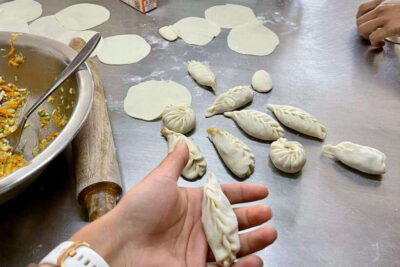
Folding is the moment most people picture, and it’s also the part that makes the class worth doing. You’ll practice shaping the dumplings into traditional forms, while instructors show you how to seal properly.
A sealed edge matters. When the dumpling edge is tight, the filling stays in and the texture improves. When it’s loose, you’ll lose filling and your momo can look messy even if the flavor is good.
What I find helpful about this style of instruction is that it builds confidence fast. You do a fold, you get feedback, you try again. By the time you reach the end, you’re not just producing dumplings. You’re producing consistent ones.
If you’re traveling with kids, this is also the best moment. One parent described how their 11-year-old helped with chopping and surprised themselves with folding skill. The point is: folding is learnable, and this class gives you the structure to make it happen.





The Taste Test: Eating Your Dumplings While the Lesson Is Fresh
There’s something special about the final tasting. You’ll savor the flavors of your handmade momos right after learning them. That makes it easier to remember which step influenced the result.
You can also use the tasting to spot what you want to repeat at home. If your dumplings tasted great, you’ll know which technique you nailed. If something was off, you’ll likely remember whether the dough felt too thick, whether the filling was too spread out, or whether the seal needed work.
And because you already got masala chai, the whole experience ends with that comfortable, satisfied feeling that food classes aim for. It’s not just a snack. It’s a finish line you earned.
Clean Kitchen, Friendly Energy, and English That Actually Helps
This isn’t a classroom where you catch one clue and hope the rest lands. Past participants highlighted that the kitchen was kept very clean and bright, which makes cooking feel more relaxed.
They also noted that the instructors speak English clearly. That is important. You want to understand instructions like how dough should feel and how filling consistency should look. When you can ask questions and get straightforward answers, you’ll learn faster and make fewer mistakes.
One name that came up in feedback is Sushi, described as the lead trainer and a joy to work with. That matters because a strong teacher makes technique feel friendly, not intimidating.
Logistics in Kathmandu: Where It Fits and How to Plan Your Time

This class runs for 1.5 hours and is held in Bagmati Zone, Nepal, in Thamel. It’s a short block of time, which is great if you’re juggling walking tours and sightseeing.
Still, plan for extra time. Some people found the session ran longer than the stated duration, often because conversations in the kitchen can stretch naturally. That’s not a problem if you schedule loosely nearby. If your afternoon is packed tight, build in buffer.
Also, there’s no hotel pickup and drop-off. So you’ll need to get to the school yourself. The good news is Thamel is easy to navigate on foot if you’re already staying around there, and it’s a walkable area before and after your class.
Finally, arrive early. You’re asked to show up 10 minutes before the class starts. That’s enough time to settle in, wash hands, and get ready without stress.
What to Wear, What to Bring, and How to Prepare Your Mind

You’ll want comfortable clothing and shoes suitable for cooking. If you wear slippery soles or stiff shoes, the flour and kitchen motion can make you uncomfortable. Think practical, not fancy.
You don’t need to bring ingredients. The class includes what you need for momo preparation. Your job is to show up ready to work your hands and follow directions.
One mental tip: treat the first momo as practice. Your goal is not perfect symmetry on the first attempt. Your goal is learning how dough behaves and how folding seals.
And if you’re unsure, it helps to remember that this is exactly the type of lesson where instructors expect beginners. That’s the whole point of a cooking class like this.
Value for Money: Why $15 Makes Sense for Skill, Food, and Culture
At $15 per person, this is a small price for a hands-on meal lesson. Many food experiences in Kathmandu give you a story. This one gives you a technique you can repeat.
You get ingredients, guidance, masala chai, and a tasting of your own momos. If you’re comparing it to eating out, it’s similar to the cost of a meal, but you’re leaving with a repeatable skill.
The cultural part also has value. Momos aren’t just street food. They show up in Nepali celebrations and everyday life, which is why learning them feels like learning a piece of social routine, not only a recipe.
Who This Momo Class Is Best For (And Who Might Skip)
This class is a great fit if you want a straightforward, practical way to learn Nepali dumplings. It’s especially good for:
- Food lovers who want technique, not just tasting
- Travelers who like meeting local cooks and learning in a women-led setting
- Families, since chopping and folding can be fun for older kids
- Solo travelers who want a structured activity with friendly conversation
You might skip it if:
- Your schedule is extremely tight and you can’t handle a session that may run a little longer
- You strongly prefer observation over hands-on work
- You don’t want to manage getting to Thamel on your own, since there is no pickup
If you’re on the fence, think about what you enjoy in travel. If you like learning skills through doing, this class delivers.
Should You Book This Traditional Momo Making Class?
I’d book it if you want a memorable Kathmandu food experience that ends with a plate of what you made. The combination of women chefs, practical instruction in kneading, filling, and folding, plus masala chai and tasting at the end is exactly the kind of value that sticks with you.
Just remember two things before you commit: get yourself to Thamel without relying on pickup, and give yourself a little extra time since it can run longer than the stated duration.
If your priority is a skill you can recreate later, this is one of the better choices in Kathmandu. You’ll leave with confidence, not just a full stomach.
FAQ
How long is the Traditional Momo Making Class?
The class lasts 1.5 hours.
What does the class cost?
The price is $15 per person.
Is hotel pickup and drop-off included?
No. Hotel pickup and drop-off are not included.
What is included in the experience?
You get the 1.5-hour momo making class, ingredients for momo preparation, guidance from experienced local chefs, a tasting of your handmade momos, and welcome masala chai.
What language are the instructors?
Instruction is in English.
What should I wear?
Wear comfortable clothing and shoes suitable for cooking.
Is there an early arrival recommendation?
Yes. Arrive 10 minutes before the class starts.
Can I reserve now and pay later?
Yes. You can reserve now and pay later.
Is free cancellation available?
Yes. You can cancel up to 24 hours in advance for a full refund.
More Workshops & Classes in Kathmandu

More Tour Reviews in Kathmandu



Not for you? Here's more nearby things to do in Kathmandu we have reviewed


Kathmandu Cooking & Momo Classes, compared.
 ★ 5.0Half day cooking class in Thamel kathmanduFrom $28607 reviews
 ★ 4.9Local Women-Led Nepali Cooking & Momo ClassFrom $4360 reviews
 ★ 5.0Local Lead Nepali Cooking & Momo-Making ClassFrom $5212 reviews
Local Women Lead Nepali Cooking ClassFrom $30125 reviews
★ 5.0Local Lead Nepali Cooking & Momo-Making ClassFrom $5212 reviews
Local Women Lead Nepali Cooking ClassFrom $30125 reviews
 ★ 5.0The best Private Nepali Cooking Class in KathmanduFrom $2483 reviews
 ★ 4.8Traditional Momo Making Class & PickupFrom $460 reviews
 ★ 5.0Traditional Nepali Momo Making ClassesFrom $1853 reviews
 ★ 4.9Local Women-Lead Nepali Cooking & Momo ClassFrom $545 reviews
Browse the lists this tour appears in