

REVIEW · HIKING & TREKKING
Pikey Peak Trek
Pikey Peak feels quietly world-class.
This 7-day trek from Kathmandu chases big sunrise views without the usual Everest hassle, plus it mixes hiking with culture on the Hillary Trail and a visit to Tupten Choling Monastery.
What I like most is the mix of mountain payoff and low-crowd energy. You get a dramatic early climb to Pikey Peak for panoramic sights of major Himalayan peaks, and the local team organizing it, including people like Kishwor and guides such as Sabine or Raj, tends to run the days smoothly and with real care.
One consideration: you still climb. The peak area reaches around 4,066m, and even if the route is doable for beginners and seniors, you should be ready for steep moments and cool mornings.
Key points to know before you go

- Seven-high-peak viewpoint at Pikey Peak: sunrise gives you the wide-angle version of the Himalaya.
- Quieter route than the headline trails: expect calm days and fewer crowds.
- Hillary Trail connection: you’re walking on a historic path that adds meaning beyond photos.
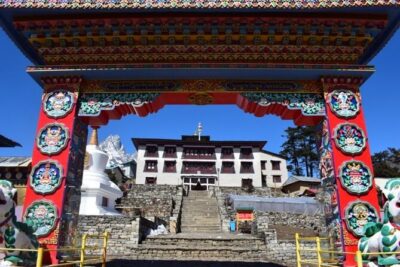
- Tupten Choling Monastery visit: one of the region’s largest nun monasteries, with about 20 nuns.
- Tea houses, not luxury lodges: comfortable enough, but keep expectations practical.
- Small group size: up to 20 people, which helps the pace feel human.
Why Pikey Peak feels like a quieter Everest alternative

If Everest is on your mind but the crowds and constant altitude fear feel like too much, Pikey Peak is a smart pivot. You’re chasing views of some of the world’s highest mountains from a viewpoint that’s famous in Nepal but still under the radar compared with the main Base Camp routes.
The big hook is the sunrise viewing experience. You do a short early hike, then you stand in the cold for the kind of panorama that makes you forget your phone. This is also where the trek earns its reputation as an easier way to see Everest without dealing with the logistics of a flight into the mountains like Lukla.
Then there’s the path itself. Walking portions on the historic Hillary Trail gives the days extra weight. You’re not just checking boxes, you’re moving through a route with a story, and you feel it in the way the trail communities carry on their routines along the way.
You can also read our reviews of more hiking tours in Kathmandu
The 7-day rhythm, drives included, and how the pace works
This trek runs about 7 days, with a couple of longer drive days around your hiking. That matters because it shapes your energy. You start with a scenic Kathmandu to Dhap transfer, then you settle into day-by-day trekking with tea-house nights, and you finish with a longer return drive from the Phaplu area back to Kathmandu.
A practical way to think about it: the trekking days are the focus, but the journey days are part of the experience. The drives give you early Himalaya glimpses and village life scenes, so even before you start hiking, you’re already in the mountains’ orbit.
The group size stays small, up to 20 people. That usually means fewer delays and less waiting around at trail junctions and tea houses, so the day feels smoother from start to finish.
Day 1: Kathmandu to Dhap, settling in with Sunkoshi River views
On day one, you’re driven from Kathmandu to Dhap, around 5 hours. The ride is not just transportation. It’s where you see Himalayan views in the distance and catch glimpses of villages and local daily life.
Why this day matters: it helps you acclimate mentally. You’re not hiking yet, but you’re already seeing what you came for. It also gives your body time to adjust after arrival, since the hike begins the next day.
Expect the vibe to be calm and organized. You start from Breeze Adventure Pvt Ltd in Thamel Marg, then leave the city behind without a chaotic scramble.
Day 2: Sunrise mountain views, then an easier trek toward Jhapre

Day two starts with an early wake-up for sunrise. You take in wide Himalayan views, then after breakfast you trek toward Jhapre.
This is described as an easy day’s trek, and one reason is the trail follows a newly constructed road for a big portion. That makes it feel more like steady walking than constant uphill grind. You still get mountain views, but the effort level feels manageable.
You’re also building altitude gradually. The goal here is not to sprint. It’s to keep your breathing comfortable so you can enjoy tomorrow’s more uphill-feeling day.
Day 3: Mostly uphill to Pikey Peak Base Camp

By day three, the mood shifts slightly. The hike to Pikey Peak Base Camp is mostly uphill, with some downhill moments too. Plan for a steady climb, not a flat stroll.
Why I think this day is important: it prepares you for day four. You’re training your legs for that early-morning push, and you’re also learning how your body handles the cool air and thinner atmosphere.
If you’re coming from sea level, pace is everything. Go slow, drink water, and keep your effort steady. This is the kind of trek where arriving tired can still lead to great sunrise rewards if you manage the climb right.

Day 4: The Pikey Peak sunrise hike, about 1 hour up

Day four is the headline. You wake up early, then hike for about an hour to Pikey Peak to catch sunrise. This is short, but it’s not a walk in the park in the cold.
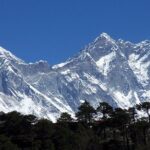
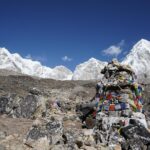
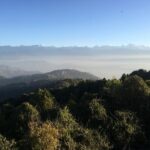
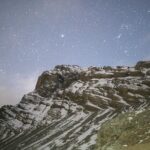
Once you reach the viewpoint, you’re set up for panoramic views. The experience is all about seeing the Himalaya spread out in layers, from near ridges to distant giants. This viewpoint is known for showing a wide range of the highest peaks, which is why it’s such a strong alternative to the busier Everest corridors.
After the sunrise, you continue your trek onward for the day, and the hours afterward feel like a transition from peak excitement to steady mountain rhythm.
Day 5: Junbesi and the rhododendrum forests

Day five takes you to Junbesi. You wake up, have breakfast, and begin trekking in Himalayan breeze weather. The route details can vary depending on where you stayed the previous night, including an option that first trekked to Taktor for about 3.5 hours if you were coming from Jasmane Bhanjyang.
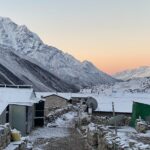
This is also a day where scenery can really do the work. People who’ve done this trek describe blooming rhododendrum forests, which is one of those Nepal details that makes the trek feel alive, not just scenic.
At about 5 hours on the day, it’s a reasonable length. You’re still working, but you’re not forced into an all-day grind. That’s a big part of why this trek can suit a range of ages, from seniors to families, when the group keeps an appropriate pace.
Day 6: Phaplu area, then Tupten Choling Monastery

After breakfast, you head to the Phaplu Airport area, around 6 hours. Then you visit Tupten Choling Monastery, one of the largest nun monasteries in the region.
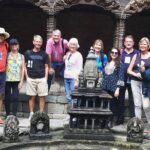
This stop adds a different kind of meaning. Instead of more mountain time, you get a calm, human moment at the foot of a mountain. The monastery is home to around 20 nuns, so you’re likely to feel the day-to-day presence of a real community rather than a staged performance.
Why this belongs in the trek: it breaks up the hiking loop and gives you a chance to connect with local spiritual life. It also makes the trek feel more complete than a viewpoint-only experience.
Day 7: Long drive back to Kathmandu, with Dhap Thade breakfast
Day seven is a longer day because you’re driving back to Kathmandu. It starts early, and after about two hours you stop at Dhap Thade for breakfast, with views along the way.
The total drive time is about 10 hours, so don’t schedule anything tight in Kathmandu afterward. This is your wind-down day, not your souvenir sprint.
Still, it’s not wasted time. That last morning keeps the Himalaya in view, and the scenery helps you come down from peak altitude vibes.
Tea houses and what “comfortable” really means here
Most nights are spent in tea houses, similar to other trekking routes in the region. Think simple rooms and practical facilities, not boutique hotels. The upside is convenience. Tea houses are built for trekking schedules, so meals and sleep line up with your hiking plan.
People have described the tea houses as comfortable, which in this context usually means clean enough, warm enough for night recovery, and easy enough to live with for a few nights.
Food quality is one of the comfort factors that often decides whether a trek feels enjoyable or exhausting. With lunch and dinner included during the trek (details below), you’re not stuck hunting for meals when you’re tired.
Price and logistics: where the $899 value shows up
At $899 per person, you’re paying for a structured week that includes more than just the trail. The tour provides meals and transport elements, plus in-trek WiFi on board.
Here’s what the package includes:
- WiFi on board
- Lunch for 7 days
- Dinner for 6 days
- Breakfast for 7 days
What’s not included:
- Fuel surcharge
So the value story is pretty clear: your main costs beyond the package are the fuel surcharge and your personal trekking needs (gear, personal drinks, any extras at tea houses). You’re also getting a mobile ticket, and you can expect confirmation at the time of booking.
One more value factor is the group size. A maximum of 20 people helps with pacing and reduces the chaos factor on a trail route like this.
Guides matter: Kishwor, Sabine, Raj, and the calm professionalism vibe
This trek’s quality often comes down to how the guiding team handles timing, route transitions, and your personal comfort. In past experiences organized by Breeze Adventure, the office support included Kishwor, and guides seen on the trail included Sabine and Raj. A porter named Amrit also came up as part of the team experience.
What I’d take from that: you want a guide who can help you match the pace to your body, and who can keep the schedule realistic for sunrise days. With sunrise hikes, minutes matter, and so does the ability to keep the group together without rushing people.
That’s the kind of professionalism you feel during logistics, like moving from one village to the next and coordinating the monastery stop without turning it into an all-day shuffle.
Who should book Pikey Peak, and who should rethink it
This is one of the reasons Pikey Peak gets attention as an accessible trek. It’s suitable for people of all ages, including senior citizens and families. The route is often described as easy for beginners in terms of overall difficulty, with the biggest challenge being the uphill parts and the altitude exposure.
It also fits well if you want Everest views but do not want to deal with the more intense Everest Base Camp route crowding and the logistical complication of a Lukla flight.
If you’re the type who hates long drives, you should know day seven is about 10 hours in the car, and earlier drive segments also take time. If you prefer only short transfers and lots of compact hikes, this might feel heavy on the transit side.
Practical tips to make sunrise day and tea-house nights easier
A few things I strongly recommend thinking through before you go:
- Dress in layers. Sunrise mornings can feel sharp, even if the trek is not “hardcore.”
- Plan your snacks and water rhythm for uphill days. Day three is mostly uphill, so steady intake helps.
- Keep expectations realistic for tea houses. Warm food and rest matter more than room style.
- Take the sunrise seriously. That hour hike to Pikey Peak is short, but it sets the tone for the whole trek.
- If you’re sensitive to altitude, talk to your team about pacing and listen to your body on uphill sections.
Also, start time is early. The trek begins at 6:15 am from the meeting point, so you’ll want a good night’s sleep before departure.
Should you book this trek with Breeze Adventure?
I’d book Pikey Peak with Breeze Adventure if you want Everest-level views without the usual Everest trail stress. The route has a strong “right size” feel for many people: not too long, not too short, with a standout sunrise viewpoint and meaningful cultural time at Tupten Choling Monastery.
You should consider it carefully if long drives make you miserable, or if you know you struggle with altitude climbs. Even though the trek can work for beginners and seniors, it still reaches high country conditions around the 4,066m area.
If you want a calm Himalayan week with expert local organization, solid meals included, and a chance to walk a historic trail, this is a very reasonable choice.
FAQ
Where does the trek start in Kathmandu?
The meeting point is Breeze Adventure Pvt Ltd, Thamel Marg, Kathmandu 44600, Nepal.
What time does the trek start?
The start time is 6:15 am.
How long is the Pikey Peak Trek?
It runs for about 7 days.
What’s included in the $899 price, and what costs extra?
The price includes WiFi on board, lunch for 7 days, dinner for 6 days, and breakfast for 7 days. Fuel surcharge is not included.
How do tickets and confirmation work?
This tour uses a mobile ticket, and confirmation is received at the time of booking.
Is the trek suitable for seniors and families?
Yes. The trek is described as suitable for people of all ages, including senior citizens and families.
Do you need to fly to Lukla for this trek?
No. The experience is specifically described as possible without needing to fly to Lukla.
How many people are in the group, and what’s the cancellation window?
The group is capped at a maximum of 20 people. Cancellation is free if you cancel up to 24 hours in advance for a full refund.
More Hiking & Trekking Tours in Kathmandu
More Tour Reviews in Kathmandu
Not for you? Here's more nearby things to do in Kathmandu we have reviewed


Hiking & Trekking, compared.
 ★ 5.0Everest Base Camp Trek – 14 DaysFrom $1,8001,499 reviews
 ★ 5.0Everest Base Camp TrekkingFrom $1,350485 reviews
 ★ 5.0Nagarkot Sunrise View and Day Hiking from KathmanduFrom $45471 reviews
 ★ 5.0Annapurna Circuit Trek with Tilicho LakeFrom $1,093368 reviews
 ★ 5.0Everest Base Camp Trekking – 13 DayFrom $1,399365 reviews
★ 5.0Everest Base Camp Trek -14 DaysFrom $1,420321 reviews
★ 5.0Everest Base Camp Trekking – 13 DayFrom $1,399365 reviews
★ 5.0Everest Base Camp Trek -14 DaysFrom $1,420321 reviews
 ★ 5.0Annapurna base camp trek 5 DaysFrom $699252 reviews
 ★ 5.0Everest Base Camp Trekking – 2025/2026From $1,339199 reviews
Browse the lists this tour appears in