
REVIEW · KATHMANDU COOKING & MOMO CLASSES
Kathmandu: Local Lead Nepali Cooking & Momo Making Class
Cooking in Nepal feels personal, fast, and practical. This Kathmandu class is built around hands-on lessons with a real market tour, then you sit down and eat what you made, right after learning the steps.
I especially like how the focus stays tight on two Nepal staples, momo and dal bhat, while still letting you choose extra dishes. Second, the small group size (limited to 10) means you can actually get help while you’re folding, stirring, and learning.
One consideration: if you dislike hands-on cooking or you need very specific dietary support, you’ll want to message ahead so the menu can be tailored.
Quick takeaways
- You’ll shop for ingredients first, so your cooking starts with what’s actually fresh and used locally
- Momo folding is the skill to master, with patient, step-by-step guidance from the instructor and assistants
- Dal bhat training is hands-on, so you learn the rhythm of simmering and serving, not just the recipe
- Small groups make a difference, capped at 10 participants for real coaching
- The tasting plus Nepali masala tea turns the class into a meal, not just a demonstration
First taste of Kathmandu: meeting at Kathmandu Cooking Academy
Most people start around Thamel, and the activity centers on the Kathmandu Cooking Academy, where you’ll be greeted and guided to registration. If you choose hotel pickup, a driver meets you at your address in Kathmandu Valley and brings you to the academy area so you can skip the hassle of finding it.
From Thamel, the academy is an easy walk, about 10 to 15 minutes on foot, so if you prefer to arrive early and soak up the neighborhood, you can do that. I like that it’s simple to reach, because this kind of class runs on timing, and you do not want to be late when chopping and dough work starts.
You’ll also want to arrive at least 15 minutes early. That buffer helps you check in, settle down, and get ready for the market walk and kitchen work without stress.
You can also read our reviews of more cooking classes in Kathmandu
Market walk in Kathmandu: what you buy changes what you cook
You begin with a market or shop visit, guided by the chef. This is not just a photo stop. The point is to see what ingredients Nepalis typically choose, and to understand the logic behind the flavors you’ll taste later.
When you’re buying dumpling filling items, spices, and produce, your eyes start picking up patterns. You learn that good momo is not only about the dough, it’s about the balance in the filling and seasoning. When you shop together, you also get a head start on what each ingredient role is, so later the steps make more sense.
A small practical note: wear comfortable clothes. You’ll be active, and your pace will include walking, browsing, and then cooking right after.
Momo and dal bhat cooking session: where the real learning happens
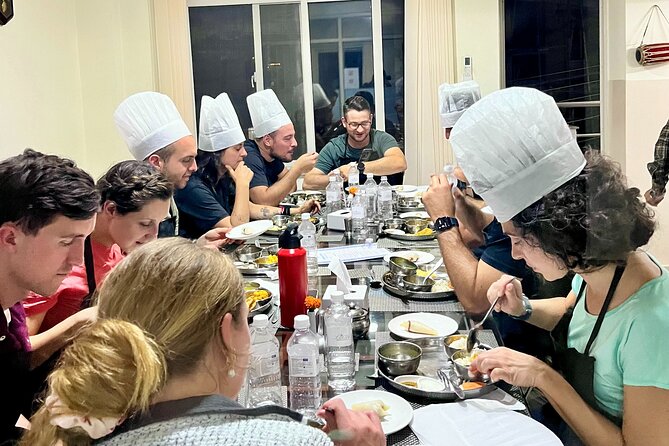
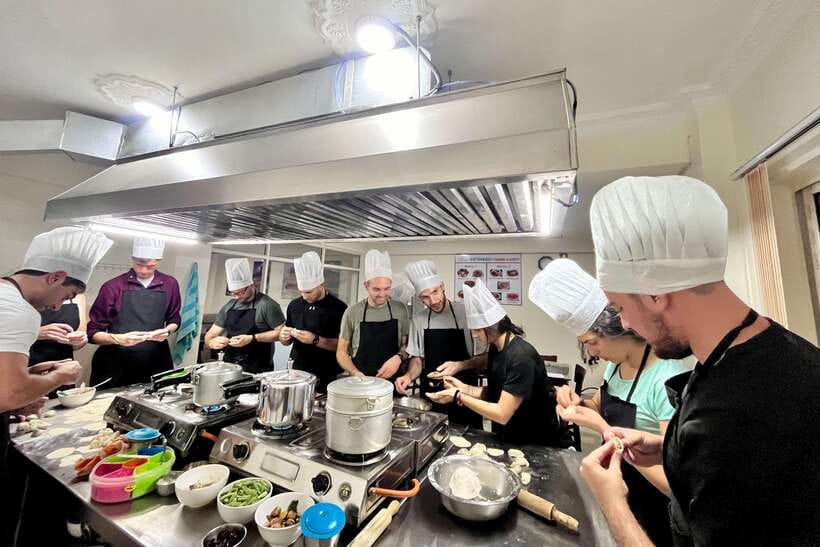
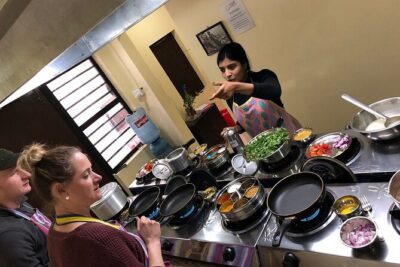
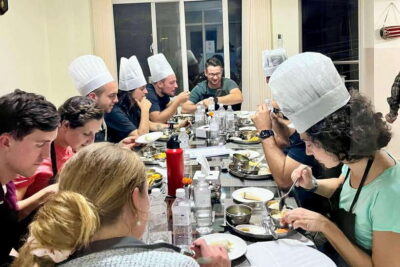
The main kitchen time runs around 3 hours, depending on the flow and what you choose to cook. The class is designed to be hands-on the whole time, and the pacing is friendly, not rushed.
The core lesson centers on two dishes:
- Momo, Nepal’s dumplings
- Dal bhat, the classic meal built around lentils and rice
Momo folding: the step that turns a recipe into a skill
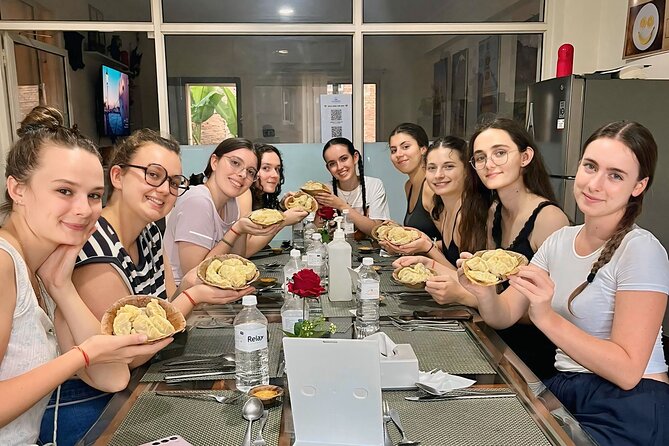
Momo folding gets the spotlight for a reason. You can read a recipe at home, but the folds are where the dish becomes yours. Several experiences describe clear coaching while you shape and fold the dumplings, with instructors staying patient when you need to try again.
If you’ve never folded dumplings before, start by focusing on consistency. Don’t aim for perfect on try one. Aim for correct, repeatable motion. Once you get the rhythm, the rest gets easier fast.
Dal bhat: learning the “make it feel right” parts
Dal bhat is not only about following steps. It’s about getting the texture and seasoning right. Since the class includes step-by-step guidance, you learn what to watch for while simmering, and how the lentils should feel when they’re ready to serve.
This is one reason I think this class works so well for beginners. You’re not left alone with a bowl and a hope. You’re coached through the process, and you can ask questions while the food is actively cooking.
A few more Kathmandu tours and experiences worth a look
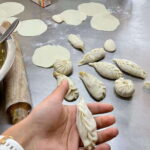
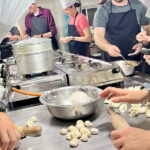
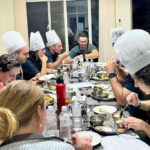
The kitchen setup and help on demand
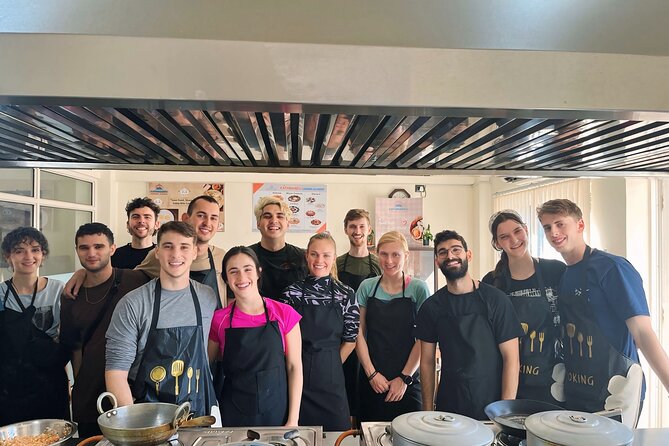
The kitchen at Kathmandu Cooking Academy is described as clean and well equipped, and you cook with professional equipment and accessories. That matters more than it sounds. When tools work smoothly and the kitchen is set up for teaching, you spend your energy learning instead of fighting sticky dough or awkward workspace.
Also, the class is small, up to 10 participants. That size makes it easier for instructors and assistants to check in while you work.
English instruction, so you can learn fast
Instruction is in English. That makes it easier to pick up small details, like how a specific seasoning is used or what texture to aim for. It also helps if you want to ask, during the cooking, about swaps or what you can replicate at home.
In the past, the class has featured instructors such as Vikram and Niche, both described as enthusiastic, clear, and patient. That track record is part of why the experience lands well.
Choosing your dishes: more than a momo-only class
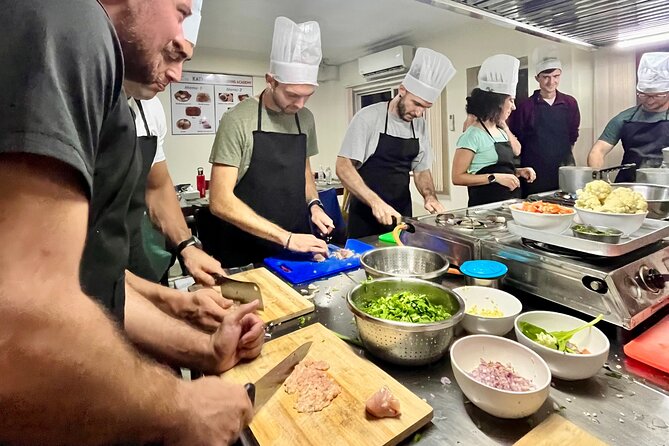
Even though the class highlights momo and dal bhat, you’re not locked into just two dishes. You typically select from other traditional Nepali options, and the overall session includes two main courses plus additional items like dessert, depending on your picks.
Some examples mentioned include bara and yomari alongside momos. Another experience notes choosing three dishes and cooking them during the same session length. The key point for you: you can shape your class around what you actually want to eat later at home, as long as you choose within the options offered during booking.
Before you go, message about dietary restrictions or preferences. The class specifically asks you to inform them in advance so they can tailor the menu where possible. That’s worth doing, because it’s easier to adjust ingredients before you arrive at the market and begin cooking.
Tasting session with Nepali masala tea: the payoff
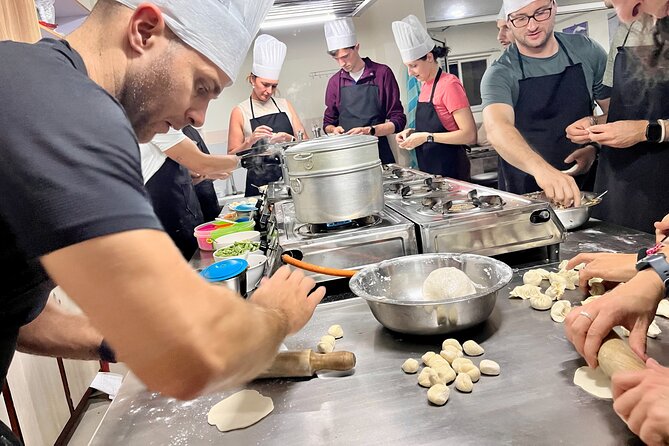
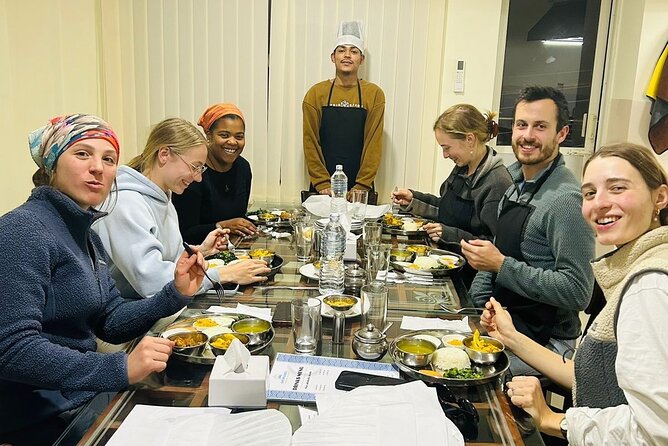
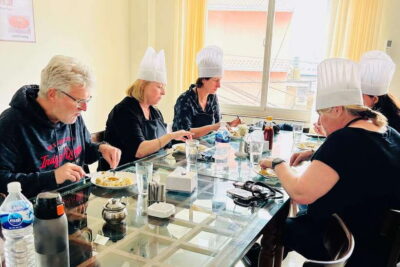
After you cook, you sit down and enjoy the meal you made. This is a big difference from some cooking classes where you just watch a final plate and move on. Here, you taste your own work, including whatever extra dishes you chose.
You also get complimentary Nepali masala tea. It’s a small detail, but it rounds out the experience. Tea helps reset your palate between bites, and it makes the meal feel complete, like you’re part of the rhythm of a real Nepalese lunch or snack time.
One tip I like: go hungry. More than one experience recommends arriving with an empty stomach so you appreciate the food even more after the work. You’ll taste better when you’re ready for it.
And yes, bring a camera if you want photos. You might also be interested in professional photos or videos, but those are available for an additional fee, so plan for that if it matters to you.
Price and value in Kathmandu: low cost, real instruction
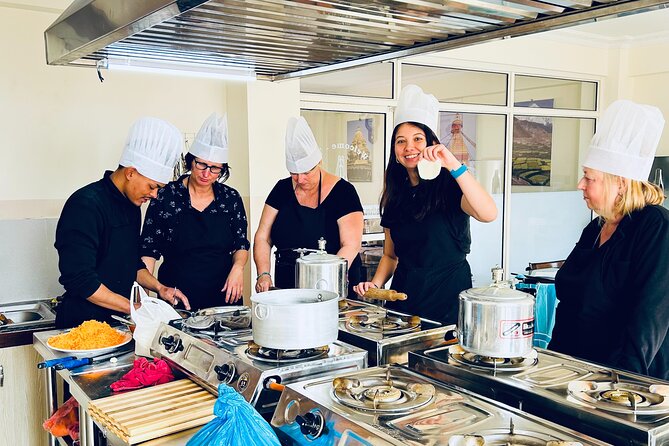
The price listed is $4.00 per person, which is unusually low for a hands-on cooking class with market time, equipment, and a full meal to eat afterward. In practical terms, you’re paying for three things:
- Your instruction time, with step-by-step help
- The ingredients and cooking setup, so you’re not sourcing and messing around on your own
- The meal experience, with tasting and Nepali masala tea
What makes it feel like great value is the small-group attention and the chance to learn a technique that travels well, like momo folding. Once you know how the dough behaves and how to shape the dumplings, you can recreate the dish at home, which is where the real payoff is.
The only way the value could feel weaker is if you’re expecting a big, multi-course restaurant-style cooking show with lots of sitting and watching. This is teaching focused, and you’ll be working.
Logistics that matter: timing, pacing, and what to plan around
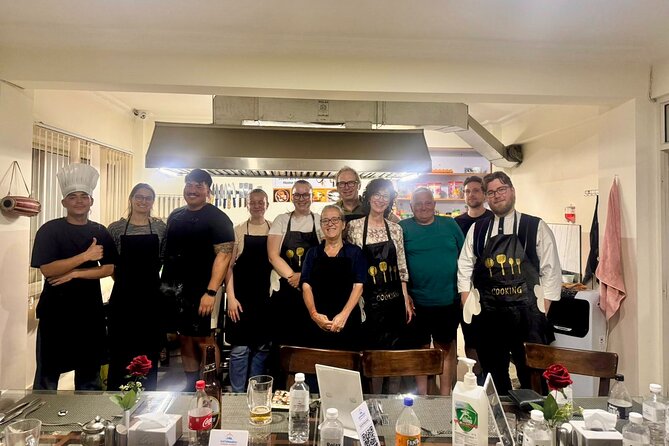
You’re looking at 3 to 4 hours total, and some versions run around 3 hours for the market, cooking, and tasting flow. The pace is described as pleasant, and the class keeps sizes small so attention stays on you.
If you want to fit this into a Kathmandu day, plan a buffer before and after. You’ll walk to the academy if you’re starting from Thamel, do market time first, then cook. After the meal, you’ll likely want to rest, not sprint across town.
Also note that there’s a minimum number of participants required for the class to take place. If the minimum is not met, you’ll be offered an alternative date or a full refund. That’s a normal operational detail to keep in mind if your schedule is tight.
Who this class fits best, and who might want to skip it
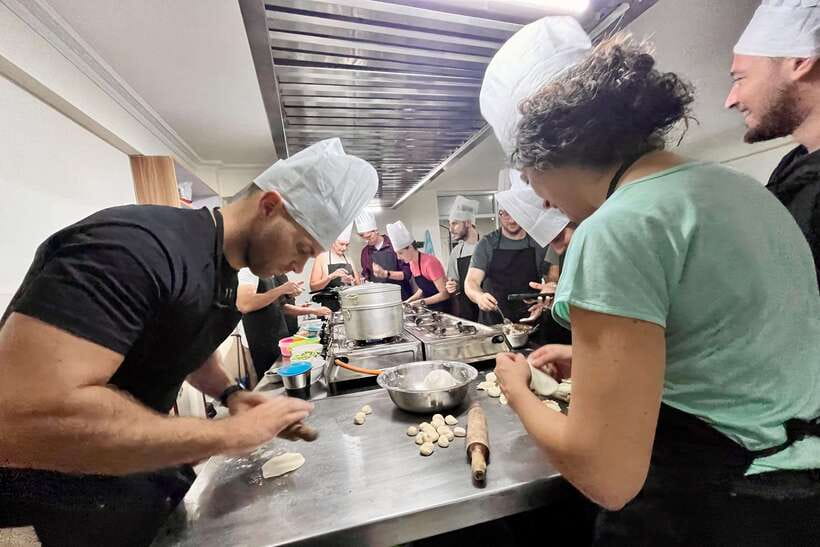
This class is a strong match if you:
- want hands-on cooking instead of watching
- care about learning techniques you can repeat later
- like the idea of a market walk tied directly to what you’ll eat
It’s also great for people who enjoy small-group teaching, because with up to 10 participants, you get coaching while you work.
It may not be the right fit if you:
- want a purely vegetarian or purely meat-free menu, since the class says you can choose dishes but doesn’t promise specific ingredients in the provided details
- prefer to observe rather than cook, because the class is built for active participation
- are bringing very young children, since it’s not suitable for children under 5 years
- are traveling with someone extremely elderly, since it’s not suitable for people over 95 years
Wheelchair accessibility is listed as available, which is reassuring if you need that access for your group.
Should you book Kathmandu: Local Lead Nepali Cooking & Momo Making Class?
If you want a Nepal food experience you can use after you leave, I’d book it. The combination of a guided market visit, instruction from English-speaking instructors like Vikram or Niche, and the focus on momo plus dal bhat makes it one of those activities where you learn something real, not just a fun story.
Book it especially if you’re staying near Thamel and you like the idea of turning a half-day into a meal you understand. If you have dietary needs, message early and be clear.
If you’re only in Kathmandu for a short stop and you hate cooking, then it might feel like too much work. But if you like learning by doing, this is a very good value way to bring Kathmandu tastes home.
FAQ
How long is the Kathmandu Nepali cooking class?
The class lasts about 3 to 4 hours, and the full experience including the market walk, cooking, and tasting is approximately 3 hours.
What dishes will I learn to make?
The focus is on momo and dal bhat, with options to choose additional traditional Nepali dishes from what the class offers.
Is hotel pickup included?
Hotel pickup and drop-off are optional. If you select pickup, the driver meets you within Kathmandu Valley and brings you to the Kathmandu Cooking Academy.
How big are the groups, and what language is used?
The class is a small group with a maximum of 10 participants. Instruction is provided in English.
Is the class wheelchair accessible, and are there age limits?
Yes, it is listed as wheelchair accessible. It is not suitable for children under 5 years, and it is not suitable for people over 95 years.
What should I bring, and can I cancel?
Bring a camera if you want photos. For cancellation, free cancellation is offered up to 24 hours in advance for a full refund.
More Workshops & Classes in Kathmandu
More Cooking Classes in Kathmandu
More Tour Reviews in Kathmandu

Not for you? Here's more nearby things to do in Kathmandu we have reviewed


Kathmandu Cooking & Momo Classes, compared.
 ★ 5.0Half day cooking class in Thamel kathmanduFrom $28607 reviews
 ★ 4.9Local Women-Led Nepali Cooking & Momo ClassFrom $4360 reviews
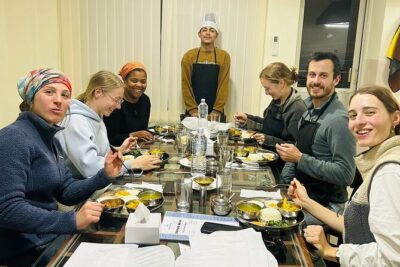 ★ 5.0Local Lead Nepali Cooking & Momo-Making ClassFrom $5212 reviews
Local Women Lead Nepali Cooking ClassFrom $30125 reviews
★ 5.0Local Lead Nepali Cooking & Momo-Making ClassFrom $5212 reviews
Local Women Lead Nepali Cooking ClassFrom $30125 reviews
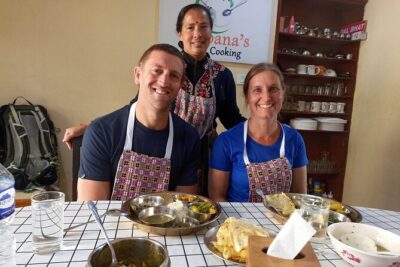 ★ 5.0The best Private Nepali Cooking Class in KathmanduFrom $2483 reviews
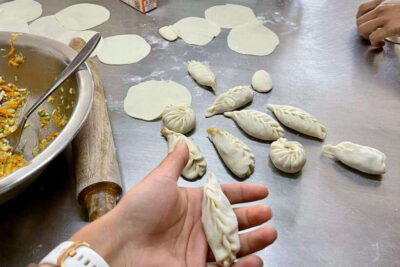 ★ 4.8Traditional Momo Making Class & PickupFrom $460 reviews
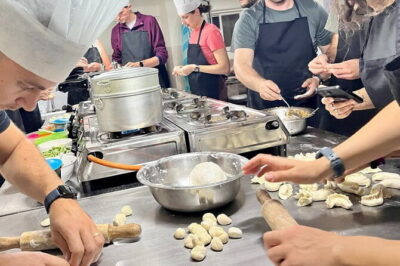 ★ 5.0Traditional Nepali Momo Making ClassesFrom $1853 reviews
 ★ 4.9Local Women-Lead Nepali Cooking & Momo ClassFrom $545 reviews
Browse the lists this tour appears in