

REVIEW · HIKING & TREKKING
Mohare Danda Trek
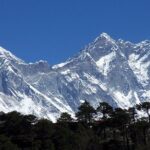
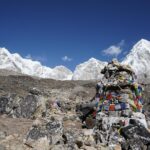
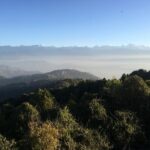
A short trek that still feels epic. The Mohare Danda trek is built for easier days, community lodge nights, and serious mountain eye-candy, with the chance to spot up to 42 peaks and even see three 8000-meter giants (Annapurna, Dhaulagiri, and Manaslu) on clear mornings. I especially like the women empowerment and community welfare angle, because your money is tied to local education and rural development goals. One thing to think about: even on an easier trail, you will still be walking uphill and dealing with stone stairs at times, so if knees or joints are a concern, tell the team early so they can plan the easier route.
This is also a trekking format with real structure. You get guides and porters with wages, insurance, and gear handled, plus a bundle of safety support like a first aid kit and an oxygen monitor. In the villages, you are not just passing through either, you are meeting people along the way, including Magar communities and Poon Magar traditions that shape daily life on the trail.
In practice, that balance is what makes Mohare Danda work. You get the drama of the Himalayas, and you also get something more grounded than a box-checking hike. I did notice one caution from past trekkers you should take seriously: your comfort depends a lot on the mountain weather and on telling the guide what your body can handle.
Key highlights you should care about

- Sunrise at Mohare Danda (3,313 m) with Himalayan views timed for early light
- Community lodge nights centered on local support and long-term village benefit
- Women empowerment focus, with trekking framed as education and rural development support
- Magar villages and viewpoints like Thula Kharka and Sikha Danda on the way to Tikot
- Small-group feel (maximum 11 travelers), plus guides like Apar or Lokendra have led past groups
- Included support gear like a down jacket, sleeping bag, and oxygen monitor for peace of mind
Why Mohare Danda feels different from other short Himalayan treks

Mohare Danda is pitched as a newer, easier, short trekking circuit that still hits the big-view payoff. The main headline is the summit-day altitude, 3,313 meters, which is not Everest-level, but it is high enough that the morning light tends to make the mountains look crisp instead of hazy.
The second headline is community. This trek is positioned as a “community welfare” journey, tied to education, economy, and women empowerment. That matters because it changes how you experience the trail. You are not only earning photos, you are seeing how lodge life and daily village work tie into tourism.
And yes, there is mountain bragging rights in the pitch: up to 42 peaks can be visible, and three 8000-meter peaks are on the list when conditions align. You should treat that as a best-case scenario, since weather controls visibility. But even when you do not catch all of it, clear mornings here tend to be the kind that make you pause, not just snap.
You can also read our reviews of more hiking tours in Kathmandu
Getting to the trail: Kathmandu to Pokhara, then to Beni Bazaar
Day 1 starts in Kathmandu with an airport arrival and a transfer into the Thamel area. The key value of that first day is not sightseeing, it is getting you settled so the next long drive does not feel like your “day one stress test.”
Day 2 is a long overland ride from Kathmandu to Pokhara, about 200 km and roughly 6-7 hours. That is a proper bus-day, not a quick hop. If you are the type who gets cranky on the road, pack small comforts like lip balm, a light layer, and whatever helps you stay hydrated.
Day 3 continues the travel rhythm. After breakfast, you head toward the trail start at Beni Bazaar via another road segment, described as around 4 hours driving from Pokhara. This is common for region-based trekking: you earn your first trail steps by spending energy first on getting into the right valley.
If you are trying to judge whether this trip fits your style, think of it like this. You are trading a bit of city time for more trail time and a smoother progression into higher elevations.
From Ramche to Nagi: a warm-up day that also teaches patience
Once you start trekking, the early days are about steady effort, not suffering. Day 4 sets you on the trail toward Nagi Village, with Ramche listed as the stop point. The day is described around 3 hours, which is a manageable stretch that helps your body adjust before the longer mileage begins.
This is a good day to slow down. I like short trekking days because you can actually look at what is happening around you, not just focus on where your next step lands. You pass through culturally rich village life, and that early walking time gives you a feel for how the Magar and broader community settings shape the trail.
A practical takeaway: if your knees are sensitive, tell your guide early how you feel on stairs. The operator notes that they can assist with a better, easier route if you have joint problems or difficulty hiking down stone stairs. That is exactly the kind of detail that prevents a bad day from becoming a bad trip.
The Nagi to Mohare Danda day: views start before you think they will

Day 5 is where the trek begins to feel like it is leading toward the main moment. You trek to the destination spot at Mohare Danda, starting after breakfast at Nagi. The time estimate is about 4-6 hours, so you should treat it as a half-day hike with breaks, not a race.
This day is also the psychological shift. The landscape of your effort changes as you get higher and the air cools. Even if you are not at the top yet, you often start seeing the mountain line earlier than expected.
If you want great photos, I recommend planning your energy for the view moments, not just the walking. You will have plenty of photo time on the best mornings, but having the stamina to stand still when the light hits the peaks is part of what makes Mohare Danda rewarding.
Mohare Community Lodge sunrise: the highest point and the real payoff

Day 6 is the big one. You reach Mohare Danda, described as the highest elevation of the trip at 3,313 meters, and you stay at Mohare Community Lodge. The schedule notes sunrise and Himalayan views, and the day is listed as long, around 15 hours.
That time estimate signals that this day is not just trekking. Expect early starts, time for views, and a slower pace once you arrive. High elevation mornings are cold, even when the afternoon feels warmer later. If you already know you run cold, do not skimp on layers.
Here is where the included gear is more than a line item. The package includes a sleeping bag and a down jacket for the Mohare Danda section, plus safety tech like an oxygen monitor and a first aid medical kit. You are not left to guess how to prepare for altitude conditions. You still should respect altitude, but the support reduces uncertainty.
Also, the operator includes an achievement certification after completion. It is a small thing, but it adds a sense of closure, especially on treks that are emotionally tied to community support.
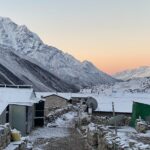
Tikot and Magar village life: walking with viewpoint breaks

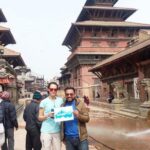
Day 7 shifts the experience from the peak day to cultural immersion. You trek to Tikot village, described as a beautiful ethnic Magar settlement. The route includes viewpoint stops like Thula Kharka and Sikha Danda, where you get breaks for scenery and photos.
The length estimate here is around 10 hours, which is a longer day. This matters because the “easy trek” idea does not mean “short.” It means the route is designed to be manageable rather than punishing, but you still need stamina for a full hiking day.
This is also one of the best days to engage with the people around you. When the trail is long, conversations happen naturally during rests. You will see how community life is woven into daily village rhythm, not staged for tourists.
Baseri finish, then the road back to Kathmandu

Day 8 marks the end of the main trekking section. You walk toward Baseri, with the itinerary describing this as the last mountain trail day. That shift tends to feel good because your daily routine changes from hiking-focused to logistics-focused.
Day 9 is back to Kathmandu from Pokhara, around 7 hours by road. Once you reach Kathmandu, you get rest time as listed in the itinerary, giving you a chance to wash up, eat something simple, and let your legs recover without another immediate schedule demand.
Day 10 is the departure day, with transfer to Tribhuvan International Airport.
If you are the kind of traveler who hates “travel sandwich days,” Mohare Danda might still be fine, but plan your energy. Two major road days bookend the hike and shape how you feel at the end.
Value and what you actually get for $799

At $799 per person, you are not only paying for guides and routes. The package includes a lot of the stuff that often adds hidden cost on trekking trips.
Here is what is covered, based on the included list:
- Guide and porters, including wages, insurance, and gears
- All required permits and documentation
- Safety items like first aid kit and an oxygen monitor
- Sleeping bag and down jacket for the Mohare Danda elevation segment
- Ground transportation as available
- Meals: 9 breakfasts, 6 lunches, and 5 dinners across the trip
- A map (Mohare Danda Trekking Map) plus a complimentary trekking duffle bag
- A short visit stop for Baglung High Bridge, including entry fees
- A mobile ticket option
What that means for you: you can travel lighter. If you are coming from outside Nepal, you can avoid buying or renting critical cold-weather gear for a single trek segment. And since permits and documentation are handled, you spend less time worrying and more time walking.
The tradeoff is that you still cover personal expenses. Drinking water, bar bills, snacks, drinks, and personal bills are not included. Tips for your guide and porter are also not included, which is important for budgeting and for showing appreciation in a way that feels respectful to you.
Food, lodges, and the community angle that goes beyond marketing
The package includes lots of meal coverage during the trekking days. That matters because village trails do not always operate like cafés on a street grid. Having breakfast, lunch, and dinner planned reduces the chance of a “we’ll see what we can find” situation.
You also sleep at Mohare Community Lodge on the highest section. Community lodge stays are not just a place to sleep, they are the physical link between tourism and village benefit. When the trek is framed around women empowerment and community welfare, lodge operations are part of what your money supports.
I also think that the community lodge model often helps with trip flow. You get a predictable place to gather, eat, warm up, and prep for the next day.
Guides and small groups: why names matter here
A trek runs on people, not brochures. Past groups have been guided by Apar, with Lokendra also mentioned as a guide in other treks run by the same company. Porters named include Ashishm and Joyendra in one Mohare Danda experience.
Why this matters for you: when you are in a small group (maximum 11 travelers), the guide can adjust pace and offer practical mountain advice in real time. The operator also includes flexibility for joint problems by assisting with easier routes, which is the kind of service that shows up only when your team is paying attention.
You should ask your guide two things on day one:
- How you should pace on the longer days, like Day 7
- What signals mean slow down for altitude or exhaustion
Even when the itinerary feels straightforward, your body sets the pace.
Weather, altitude, and the gear you should not ignore
This trek requires good weather. That is not a marketing line, it is a reality for high-elevation views. The company notes that if poor weather cancels the experience, you will be offered a different date or a full refund.
Altitude is the other big factor. You top out at 3,313 meters, which is manageable for many people, but you should still treat it seriously. The package includes an oxygen monitor and an oxygen-related support item (as listed), plus an included first aid medical kit. That reduces risk, but it does not replace common sense: go slow, drink water, and tell your guide if anything feels off.
On packing: you receive a down jacket and sleeping bag for the Mohare Danda segment. Still, you should bring personal layers, a rain layer if you own one, and footwear you trust on stone stairs and uneven ground.
Also remember that joint issues matter on downhill sections. If you have difficulty with stone stair descents, let the team know so they can assist you with an easier route.
Who should book Mohare Danda, and who might rethink it
This trek fits best if you want:
- Big Himalayan views without a super technical route
- A smaller group and guided logistics handled for you
- A trek with a community welfare and women empowerment story you can feel on the ground
It might be less ideal if:
- You want lots of downtime, because there are long road travel days and a longer hiking day around Day 7
- You are very sensitive to cold mornings, even though a down jacket is included for the key elevation segment
- You prefer a fully self-directed hike, because this is guide-run and permit-based
If you have knee or joint concerns, do not assume you cannot go. The operator specifically mentions assistance for joint problems and difficulty on stone stairs, but you need to communicate early.
Should you book Mohare Danda Community Trek?
I think Mohare Danda is a strong choice when you want a short trek that still delivers on views and people-to-people contact. The value equation is compelling at $799, especially because permits, safety support, guide and porter coverage, and key cold-weather gear are included. You also get structured meals, which makes the whole thing feel more comfortable.
Book it if your dream includes sunrise mountain moments plus a community-focused itinerary, not just a photo stamp. If you hate long vehicle days, mentally prepare for the Kathmandu-Pokhara-Kathmandu rhythm. And if stairs are an issue, tell the team upfront so you can get the easier routing mentioned in their guidance.
If those points fit you, this is the kind of trek that leaves you talking about more than scenery. You come back with a sense of how tourism can support real local goals, education, and women empowerment, one hike at a time.
FAQ
What is included in the Mohare Danda Trek package?
The package includes guide and porters (wages, insurance, and gears), trekking permits and documentation, a certification of achievement, first aid medical kit, oxygen monitor, sleeping bag and down jacket for the Mohare Danda portion, ground transportation, a complimentary trekking map, a short visit to Baglung High Bridge with entry fees, and a complimentary trekking duffle bag. Meals are included as 9 breakfasts, 6 lunches, and 5 dinners.
Do I get pickup and transport from Kathmandu?
Yes. Pickup is offered, and the tour includes all ground transportation as best available. The itinerary shows transfer between Kathmandu, Pokhara, and the trek start area by road, plus transfers for airport departure.
How high do we reach on Mohare Danda?
The highest elevation mentioned is Mohare Danda at 3,313 meters above sea level.
What is the group size?
The maximum number of travelers is 11.
What support and gear are provided for safety and comfort?
Included safety items are a first aid medical kit and an oxygen monitor. Included comfort gear for the Mohare Danda segment includes a sleeping bag and a down jacket.
What happens if I need to cancel, or if weather causes changes?
There is free cancellation. You can cancel up to 24 hours in advance for a full refund. If the experience is canceled due to poor weather, you will be offered a different date or a full refund.
More Hiking & Trekking Tours in Kathmandu
More Tour Reviews in Kathmandu
Not for you? Here's more nearby things to do in Kathmandu we have reviewed


Hiking & Trekking, compared.
 ★ 5.0Everest Base Camp Trek – 14 DaysFrom $1,8001,499 reviews
 ★ 5.0Everest Base Camp TrekkingFrom $1,350485 reviews
 ★ 5.0Nagarkot Sunrise View and Day Hiking from KathmanduFrom $45471 reviews
 ★ 5.0Annapurna Circuit Trek with Tilicho LakeFrom $1,093368 reviews
 ★ 5.0Everest Base Camp Trekking – 13 DayFrom $1,399365 reviews
★ 5.0Everest Base Camp Trek -14 DaysFrom $1,420321 reviews
★ 5.0Everest Base Camp Trekking – 13 DayFrom $1,399365 reviews
★ 5.0Everest Base Camp Trek -14 DaysFrom $1,420321 reviews
 ★ 5.0Annapurna base camp trek 5 DaysFrom $699252 reviews
 ★ 5.0Everest Base Camp Trekking – 2025/2026From $1,339199 reviews
Browse the lists this tour appears in