

REVIEW · HIKING & TREKKING
Makalu Base Camp Trek
Makalu Base Camp feels quietly untouched. This 15-day trek takes you through Makalu-Barun National Park, where far fewer trekkers turn up compared with the classic Everest or Annapurna routes. You move from river valleys and rhododendron forests into higher alpine terrain, with big-mountain views from unusual angles.
I especially like the remote feel and the chance to spot wildlife and medicinal plants in a national park that stays peaceful. I also love the way the itinerary builds in acclimatization and then sends you over passes like Shipton La (4,170m) and Keke La (4,150m), which makes the tough days feel earned.
One thing to consider: this is a physically demanding trek, and the weather can be a real factor. You’ll be walking 5 to 7 hours on many days, and the higher passes and long descents mean you need solid stamina and steady pacing.
Key highlights worth planning around
- A rare-quiet route inside Makalu-Barun National Park, away from the busiest trekking corridors
- Shipton La and Keke La crossings, with a hard day that many hikers remember for the views
- Base camp time plus a glacier option, with an optional side hike toward Barun Glacier
- Teahouse rhythm most nights, with more basic or tented arrangements when you’re closest to the base camp zone
- English-speaking guide support, plus guide and porter insurance and daily allowances included
- Gear support on request, including sleeping bag, trekking poles, and even crampons if needed
Why Makalu Base Camp feels different from the usual Nepal trek

If you want your Nepal trekking photos to look like real wilderness, Makalu Base Camp is a strong pick. You’re not following the most crowded lines. Instead, you’re working through the heart of Makalu-Barun National Park, with a mix of forests, rivers, meadows, and high passes. The overall effect is calm and a little raw, the kind of place where you hear more than you see crowds.
This is also a trek built around variety. You’re moving through green pockets of forest and farm areas first, then shifting toward high alpine terrain. Along the way, the park’s biodiversity is part of the story, with the chance to see things like red pandas, Himalayan thars, and colorful birds, plus rhododendron forests and medicinal plants.
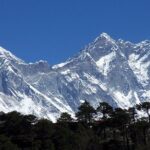
And because Makalu is fifth-highest in the world, you get views of Mt. Makalu itself, plus distant angles on Everest, Lhotse, and Baruntse. The key is that your viewpoints don’t feel copied from the same old trail every day. You’re constantly turning a corner on the scenery.
You can also read our reviews of more hiking tours in Kathmandu
Getting there: flights to Tumlingtar, then off-road into the park

Your journey starts from Tribhuvan Airport in Kathmandu, with an early start around 12:15am. From there, you fly for about 45 minutes to Tumlingtar. Then it’s 4 to 5 hours of off-road driving to reach the trekking area, with an overnight at a teahouse.
This setup matters for two reasons. First, it saves you from days of land travel, which lets you spend your energy on the actual trek. Second, it signals the type of route you’re on. The trail is remote, and even the road approach reflects that.
For the return, the package includes two-way flight tickets between Kathmandu and Tumlingtar. On the last day, you’ll trek for about 4 hours, drive 4 to 5 hours, and then you may have a chance to fly Tumlingtar to Kathmandu the same day or the next morning depending on timing.
If you’re the kind of traveler who likes clean logistics, this is helpful. You still have a rugged feel on the trail, but the air and main transport pieces are taken care of.
Day-by-day rhythm: what each stage does for you
This trek has a clear logic: you start in lower, easier terrain, then you gradually raise the ceiling on altitude and effort. Some days are straightforward progress, others are about prepping your body.
Day 1: Entering Makalu-Barun National Park by river-road mix
After your flight and off-road drive, you settle into the first teahouse night inside the park area. The theme here is getting your legs working while staying comfortable enough to sleep well. It’s also where the trip’s “remote Nepal” vibe starts to kick in.
Day 2: Arun River descent, then a steep climb
Day 2 pushes you with a steep descent to the Arun River, then a steep climb up to Seduwa. Expect a full 5 to 6 hours. This kind of day is good training because it teaches you how to manage effort on slopes, not just flat walking.
Practical tip: take downhill carefully. Your quads will feel it later.
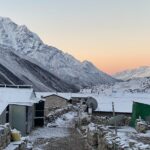
Day 3: Farms and forests, steady progress
You transition into a more gradual walk through farms and forests, with around 4 to 5 hours of trekking. This is the kind of day you use to find your pace, eat well, and keep your pack weight comfortable.
Day 4: Long uphill through forest and meadows
Day 4 is one of the heavier walking days, with about 6 to 7 hours on a long uphill through forest and meadows. The payoff comes from the change in vegetation and the way the trail begins to feel more open as you gain altitude.
Day 5: Short ridge hikes to help you acclimatize
This is a smart day: short hikes to nearby ridges for acclimatization, then back to a teahouse night. You’re still moving, but not exhausting yourself. That’s the goal, so your body adjusts before the real altitude days.
If you’ve struggled on past treks, this kind of acclimatization day is the difference between enjoying the week and suffering through it.
Day 6: Shipton La and Keke La passes, a hard day with big payoff
This is the “earned views” day. You cross Shipton La (4,170m) and Keke La (4,150m), with a 6 to 7 hour trek that’s described as hard but beautiful. Pass days are where weather matters most, and where you’ll feel the air get thinner.
Also, this is where having the right trekking kit can help. The package includes trekking poles, and crampons are provided on request, which can be useful if conditions are icy.
Day 7: Rhododendron forests and river valleys
You move through rhododendron forests and down into river valleys, around 5 to 6 hours. Rhododendrons are one of Nepal’s best “seasonal signatures,” and this trek’s positioning makes it more than just a pass-through forest.
Day 8: Gradual ascent with valley views
Another steady effort day, about 5 to 6 hours, with gradual ascent and strong valley views. This is the kind of walking day that builds anticipation. You start thinking, is the base camp day close yet? This is where you start to feel it.
Day 9: Climb to the base camp area
Day 9 is your big goal push: a 6 to 7 hour climb to base camp with incredible Himalayan views. You overnight in a more basic lodge or possibly a tented setup.
If you’ve never slept in the base camp zone before, here’s the expectation to hold: comfort is simpler. You’ll likely prioritize warmth, rest, and getting water sorted for the next day.
Day 10: Optional side hike toward Barun Glacier
Day 10 gives you a choice: an optional side hike toward Barun Glacier. You stay in a teahouse or tented camp. This is a perfect “I want one more day of high scenery” addition without forcing a full extra trek length.
On a day like this, the best plan is to decide based on your energy and conditions. If you feel strong and visibility is good, you’ll likely enjoy the extra effort.
Day 11 to Day 14: Retracing steps, then long descent
Day 11 brings the climb-down phase with a 7 hour retrace. Days 12 and 13 continue with 6 to 7 hours and 5 to 6 hours respectively. Day 14 is a long descent with about 6 to 7 hours.
This is where your body does the math differently than on the ascent. Going down is rough on knees and feet, so slow and steady matters. The upside is you often get a clearer read on the way terrain changes as you drop elevation.
Day 15: Final trek, drive out, then flight back
You trek about 4 hours, then drive 4 to 5 hours. After that, you connect by flight to Kathmandu. If timing lines up, you might fly out the same day or the next morning.
Lodging, meals, and the water routine that keeps you comfortable

Most nights are teahouses, which makes this trek more “liveable” than fully camping every day. Still, once you’re close to base camp, you should expect more basic conditions, including possible tented nights.
Meals are included in a simple, trekking-friendly way. You get one item for breakfast, one item from the menu for lunch, and one item from the menu for dinner, with breakfast for 14 days, lunch for 14 days, and dinner for 15 days as listed. Translation: your meals are covered, and you’re not trying to hunt down food at every stop.
What isn’t included is important:
- Bottled water is not included. You can purchase it along the trail or refill at tea houses. A refillable water bottle is strongly recommended for sustainability.
- Coffee and/or tea are not included, but you can buy them at tea houses along the route.
I like this arrangement because it keeps you from being stuck with meals you didn’t want. You still control your comfort items like hot drinks and water, but the core nutrition is handled.
Packing and gear: what’s provided, what you still need

The package can provide some heavy-lift gear, which is a big deal if you hate lugging equipment through airports. You can request sleeping bags, trekking poles, and crampons. Maps are included as well.
Even with that, you should plan on bringing your own essentials:
- Layers for cold mornings and pass conditions
- Gloves and a hat, because higher altitude days can bite
- Rain protection, since mountain weather can swing fast
- A refillable water bottle (and ideally a backup way to treat water if you prefer)
Because crampons are only listed as provided on request, don’t assume you’ll automatically have them. If you’re booking, ask early whether you’ll get them for your dates and conditions.
Guides, porters, and day-to-day support you can actually feel

This is where the trek turns from challenging to manageable. You travel with an English-speaking guide, plus porters where needed, and the package includes guide and porter daily allowances and insurance. First aid kits are also included.
In plain terms, this means you’re not just buying a route. You’re paying for navigation, pacing decisions, and support that matters on hard days like pass crossings and long descents.
The names you’ll hear in feedback from previous travelers include Raj, Pujan, and David. People specifically thanked them for making the stay in Nepal amazing, for bringing them on an entirely quiet and natural trek, and for being professional and well organized. That matches the kind of trail this is, because remote treks reward good guidance.
If you’re worried about feeling lost or rushed, this kind of support is exactly what you want.
Wildlife, forests, and real community life along the trail

Makalu-Barun National Park isn’t just about views. It’s about the in-between moments, the parts where you notice birdsong, forest shade, and the changing colors of plants as elevation rises.
The trek passes through areas with medicinal plants and rhododendron forests, and you may see rare animals such as red pandas and Himalayan thars. Even if you don’t spot those exact species, the biodiversity is part of why this feels wilder than the big-name trails.
You’ll also experience the daily rhythm and hospitality of local communities including Rai, Sherpa, and Bhotiya. That’s not just cultural trivia. It shapes how your teahouse nights feel and how the trail conversation goes after you’ve finished walking for the day.
Price and value: what $1,750 covers, and what to budget for

At $1,750 per person for about 15 days, you’re paying for a lot more than “a guide and some maps.” The package includes:
- Two-way flights from Kathmandu to Tumlingtar (public transportation)
- A guided trek with English-speaking guide
- Daily allowances and insurance for guide and porters
- First aid kits
- Meals: breakfast, lunch, and dinner as listed for the trek days
- Some gear support on request: sleeping bags, trekking poles, and crampons
- Maps, plus all listed fees and taxes
Not included items you should budget for:
- Visa fee
- Bottled water
- Coffee/tea
- Alcoholic beverages
- Private transportation
- Personal insurance
- Extra porter service for excess baggage (charges apply per day)
So is it good value? For a remote base camp trek in a national park with pass days and included flights, it’s fairly in line with what you’d expect when logistics are real and staffing costs matter. The biggest cost saver is that you’re not paying separately for the flight portion and you’re not handling your crew and core meals on your own.
Who should do the Makalu Base Camp trek, and who should think twice

This trek is best for you if:
- You have moderate physical fitness and can handle 5 to 7 hours of walking on most days
- You want a quieter route inside Makalu-Barun National Park
- You care about passes like Shipton La and Keke La, not just checking a base camp off a list
You might think twice if:
- You’re not comfortable with long descents or uneven trekking terrain
- Weather variability worries you, because this experience depends on good conditions
- You dislike simple accommodations, since nights near base camp are more basic or tented
Should you book this Makalu Base Camp trek?
Book it if you want a trekking experience that feels off the main conveyor belt. The combination of Makalu-Barun National Park, pass crossings like Shipton La and Keke La, and included support like insurance, first aid kits, and guide logistics is exactly what makes this worth the effort.
I’d lean yes if you can train a bit before you go and you’re comfortable budgeting for extras like water, tea/coffee, and visa. If you’re chasing a crowded, nightlife-after-trek vibe, this is not that trip.
FAQ
What’s included in the trek package meals?
Breakfast, lunch, and dinner are included, with breakfast for 14 days, lunch for 14 days, and dinner for 15 days. Each meal is listed as one item for breakfast and one item from the menu for lunch and dinner.
Are flights included, and where do they go?
Yes. The package includes two-way flight tickets from Kathmandu to Tumlingtar. Flights are part of the route on the way in and also on the way out.
What water and hot drinks should I plan for?
Bottled water is not included. You can purchase water along the trail or refill at tea houses, and a refillable bottle is recommended. Coffee and tea are also not included, but you can buy them at tea houses.
What trekking gear is provided?
Sleeping bags, trekking poles, and crampons can be provided upon request. Maps are also included.
How difficult is this trek physically?
The trek is listed as suitable for travelers with moderate physical fitness, and many days involve 5 to 7 hours of trekking. The pass crossing day is described as hard but beautiful.
What kind of accommodation should I expect?
Most nights are teahouses. Closer to the base camp zone, you may have basic lodge or tented camp arrangements, depending on the day.
Is this tour private?
Yes. It’s described as a private tour or activity, so only your group will participate.
More Hiking & Trekking Tours in Kathmandu
More Tour Reviews in Kathmandu
Not for you? Here's more nearby things to do in Kathmandu we have reviewed


Hiking & Trekking, compared.
 ★ 5.0Everest Base Camp Trek – 14 DaysFrom $1,8001,499 reviews
 ★ 5.0Everest Base Camp TrekkingFrom $1,350485 reviews
 ★ 5.0Nagarkot Sunrise View and Day Hiking from KathmanduFrom $45471 reviews
 ★ 5.0Annapurna Circuit Trek with Tilicho LakeFrom $1,093368 reviews
 ★ 5.0Everest Base Camp Trekking – 13 DayFrom $1,399365 reviews
★ 5.0Everest Base Camp Trek -14 DaysFrom $1,420321 reviews
★ 5.0Everest Base Camp Trekking – 13 DayFrom $1,399365 reviews
★ 5.0Everest Base Camp Trek -14 DaysFrom $1,420321 reviews
 ★ 5.0Annapurna base camp trek 5 DaysFrom $699252 reviews
 ★ 5.0Everest Base Camp Trekking – 2025/2026From $1,339199 reviews
Browse the lists this tour appears in