

REVIEW · KATHMANDU COOKING & MOMO CLASSES
Kathmandu: Nepali Cooking Class with Hotel Pickup
Your Kathmandu meal starts on a rickshaw. I love the way the Kathmandu-Ason market gets you shopping for dinner first, then the momo-focused cooking class turns that shopping into real skills you can use at home. You also get plenty of cultural context along the way, so it is not just a meal, it is an explanation of how Nepal eats.
One thing to consider: the class is listed around 3 to 4 hours, but timing can be shorter depending on the session. If your schedule is tight, plan a little buffer.
I also like that it is built for visitors, with English instruction and extras like Nepalese folk music and a few phrase lessons during the class and meal. Add in the hotel pickup from Thamel and it feels like a complete, low-stress half-day.
Key highlights to look for

- Thamel hotel pickup and drop-off that keeps you out of logistics mode
- Rickshaw ride to Kathmandu-Ason with chances to meet local merchants
- Market shopping that directly feeds your menu instead of being a sightseeing add-on
- Hands-on Nepali favorites including momo, curries, roti, and sel roti
- English support plus audio guidance, with folk music and simple phrase practice
Thamel hotel pickup and the rickshaw ride to Ason market

This experience starts the practical way: you get hotel pickup and drop-off from the Thamel area. That matters in Kathmandu because mornings can get busy fast, and streets can feel like a puzzle if you are not used to them. Starting with a scheduled pickup helps you stay focused on the food plan instead of navigating.
Next comes the fun part, the rickshaw ride to a typical local market in Kathmandu-Ason. You are not just dropped at a viewpoint. You head into a real shopping hub, where you can watch merchants at work and get a feel for how daily food buying happens. It is one of the best ways to turn “I want to cook Nepali food” into “I understand the ingredients that drive it.”
You can also read our reviews of more cooking classes in Kathmandu
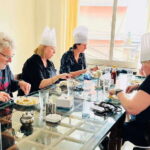
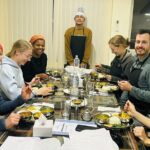
Kathmandu-Ason market: ingredients you buy, dishes you cook
The market stop is not presented as a random walk. You visit to pick up ingredients for your meal, and you have time to interact with local merchants in the middle of the crowd. That makes the shopping feel purposeful, especially when the cooking lesson later uses what you bought.
If you care about authenticity, pay attention to how the market time is handled during your specific session. One schedule felt more like visiting a local shop than spending real time in the broader Ason market scene. I would treat the market visit as a highlight, but also keep realistic expectations about how long it will last.
A helpful mindset: treat the market as your ingredient classroom. You might see spices, flours, and packaged items that you would never pick up on your own in a supermarket at home. Even if you only recognize a few things, you learn what goes into the flavors you are about to make.
The hands-on cooking class rhythm, from prep to plating

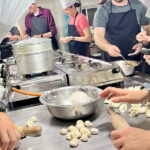
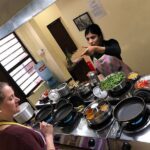
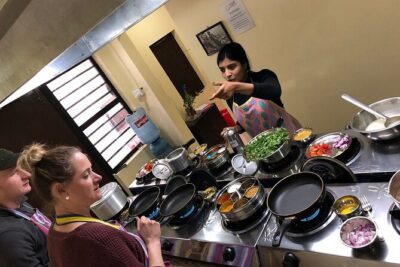
After the market run, the cooking class starts with an experienced chef instructor guiding you through making a traditional Nepali meal. The flow is designed to teach you the basics, not just hand you tasks. You learn what ingredients are used and how dishes are cooked, which is the difference between eating a meal and understanding it.
You can expect a mix of cooking and explanation. The instructor covers local delicacies and cooking methods, then you put that knowledge to work at your station. It is the kind of activity where you should ask questions when you are actively cooking, because that is when answers stick.
Also, the pace is part of the experience. Some sessions may feel tightly packed, while others give you more time on each dish. Either way, you will leave knowing more than a recipe list, you will understand what changes the taste and texture.
Your Nepali menu: momo, curries, roti, and sel roti
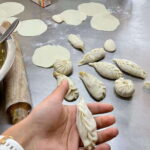
The menu is where this class delivers. You will prepare beloved Nepali dishes, including momo and different varieties of curries. Momo is the big crowd-pleaser for a reason. It is hands-on, it teaches technique, and it is easy to recognize as a signature Nepalese bite once you see how it is made.
You will also make roti and sel roti, with sel roti often described as being slightly similar to American donuts. That comparison is useful because it helps you picture the shape and sweet fried style, but the important point is that you are learning a Nepalese specialty, not a Western shortcut.
Then there is the bread-and-curry pairing. Curries teach you how Nepalese flavors build, while the bread part shows you how people balance richness with something you can tear and scoop. If you like eating your way through a cuisine, this menu makes it practical.
One small caution: if you are expecting only one main dish, adjust your thinking. The class is built around variety, so you are cooking more than one component during the session.
Folk music and Nepalese phrases during the meal

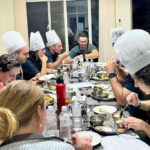
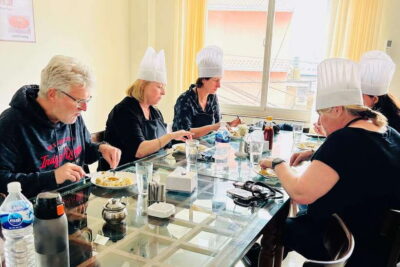
Food lessons get more memorable when the atmosphere feels like the culture you are learning. This class adds Nepalese folk music during the cooking and again at mealtime, so you are not stuck in silent classroom mode while you fry and fold.
You also get the chance to learn a few Nepalese phrases. The exact phrases are not listed, so I would treat this as a fun bonus, not language training. Still, even basic phrases can make you more comfortable asking questions or thanking people when you are out in Kathmandu afterward.
If you prefer structured, quiet learning environments, this may feel more social than you expect. If you enjoy a lively class where learning happens while you eat, this part is a big plus.
A few more Kathmandu tours and experiences worth a look
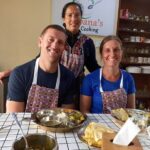
English instruction, audio support, and who teaches you

The instructor communicates in English, which makes the class feel accessible right away. You also get an English audio guide included, which can help if you miss a detail while you are busy cooking.
One detail to keep in mind: in at least one case, the chef was described as a local student in Kathmandu. That does not automatically mean low quality, and the chef was still described as competent. But it is a reminder that the teaching team may be more mixed than you would expect from a full-time, internationally famous chef.
My practical tip: watch for clarity in the instructions and ask questions early. Cooking works best when you understand the step you are on. With English support and audio help, you have tools, but your questions still matter.
Time expectations: what 3 to 4 hours can feel like
The duration is listed as a 4-hour experience, with the cooking class described as 3 to 4 hours. In practice, some sessions have run closer to two hours, while others feel fuller. That variation can change the balance of cooking time versus market time.
So here is what I would do if you want a stress-free day in Kathmandu. Keep your afternoon open or schedule a flexible activity afterward, not a tight appointment. If you are using the class as your main plan for a morning, arrive early to avoid compounding schedule changes with traffic delays.
If you are the type of traveler who hates uncertainty, send a quick message when you confirm your booking and ask what the exact session flow will be that day. Even a simple clarification helps you plan your time on the ground.
Price value: about $60 for a full Kathmandu food experience
At around $60 per person, this class is priced like a serious half-day activity, not a casual tasting. What you get for that money is the whole package: hotel pickup and drop-off from Thamel, an English instructor, a market trip to buy ingredients, and hands-on cooking with a meal that includes the things you make.
You are also paying for guidance while you cook. With a class like this, the value is not only what you eat, it is the how you learn: ingredient choices, cooking methods, and the steps that create texture in items like momo wrappers and fried breads like sel roti.
Is it worth it? For most people, yes, if your goal is more than just photos. You should book if you want a practical skill session and you do not mind that the market portion and cooking time can vary. If you want a long, slow wandering market experience, you may be happier choosing a dedicated market tour plus a separate cooking lesson.
Practical tips before you go
A few rules and prep points are clearly stated. You need a passport or ID card, and a copy is accepted. Alcohol and drugs are not allowed during the activity.
It also runs rain or shine, so plan for wet weather in Kathmandu. Even if you do not want to think about it, rain can affect comfort and timing, especially when you are outside for the market portion.
Finally, because this is a cooking class, go in ready to participate. You will get more from it when you treat it like a working session, not a show.
Who this Kathmandu cooking class suits best
This tour fits travelers who learn by doing. If you want to taste Nepal, but also want to understand what makes Nepali flavors work, you will appreciate the market-to-menu connection. It is also a good fit for visitors staying in Thamel because pickup and drop-off remove one of the biggest barriers to getting out and back smoothly.
It can work well for couples and solo travelers who want an organized food day with built-in cultural touches like folk music and phrase practice. If your top priority is quiet, academic food history, you might want something more lecture-based. If your top priority is practical skills, this is a solid choice.
Should you book this cooking class in Kathmandu?
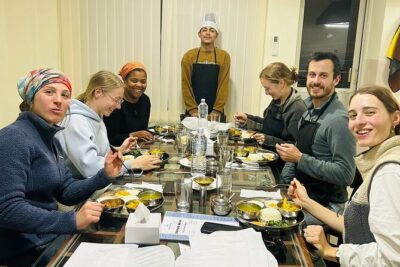
I would book this if you want a hands-on Nepali cooking experience with real ingredient shopping in Kathmandu-Ason and a menu that covers iconic dishes like momo, curries, roti, and sel roti. The best part is the combination: market context plus cooking instruction plus a meal that feels tied to what you learned.
I would hold back or ask questions first if you have a very strict schedule, because session timing can run shorter than the headline duration. Also, if you expect a long, full-scale market exploration, be prepared that the market stop may be shorter or more shop-like depending on the session.
On balance, this is a good value way to spend a half-day in Kathmandu, especially if you like learning through food and you do not mind a little variability in how the day unfolds. If you want flexibility, there is also reserve now and pay later, plus free cancellation up to 24 hours in advance, which helps when you are balancing multiple plans in the city.
FAQ
How long is the cooking class?
The experience is listed as 4 hours, and the cooking class portion is described as 3 to 4 hours.
Where do you get hotel pickup?
Hotel pickup and drop-off are included from the Thamel area.
Do you visit a local market?
Yes. You visit a typical local market in Kathmandu-Ason to buy ingredients for your meal.
What will you cook?
You will prepare traditional Nepali foods including momo, varieties of curries, roti, and sel roti.
Is the instructor English-speaking?
Yes. The instructor provides instruction in English, and an English audio guide is included.
Is the tour wheelchair accessible?
Yes. The activity is listed as wheelchair accessible.
What identification do I need to bring?
You should bring your passport or ID card. A copy is accepted.
Is alcohol allowed during the class?
No. Alcohol and drugs are not allowed.
Does the tour run in bad weather?
Yes. The tour takes place rain or shine.
More Workshops & Classes in Kathmandu
More Cooking Classes in Kathmandu
More Tour Reviews in Kathmandu
Not for you? Here's more nearby things to do in Kathmandu we have reviewed


Kathmandu Cooking & Momo Classes, compared.
 ★ 5.0Half day cooking class in Thamel kathmanduFrom $28607 reviews
 ★ 4.9Local Women-Led Nepali Cooking & Momo ClassFrom $4360 reviews
 ★ 5.0Local Lead Nepali Cooking & Momo-Making ClassFrom $5212 reviews
Local Women Lead Nepali Cooking ClassFrom $30125 reviews
★ 5.0Local Lead Nepali Cooking & Momo-Making ClassFrom $5212 reviews
Local Women Lead Nepali Cooking ClassFrom $30125 reviews
 ★ 5.0The best Private Nepali Cooking Class in KathmanduFrom $2483 reviews
 ★ 4.8Traditional Momo Making Class & PickupFrom $460 reviews
 ★ 5.0Traditional Nepali Momo Making ClassesFrom $1853 reviews
 ★ 4.9Local Women-Lead Nepali Cooking & Momo ClassFrom $545 reviews
Browse the lists this tour appears in