

REVIEW · KATHMANDU COOKING & MOMO CLASSES
Kathmandu: Momo Making Class with a Local Chef
You can smell the spices before you even start. This one-hour class in Thamel teaches you how to make momos step by step, from dough to steaming dumplings. I especially like the hands-on rhythm of the session, because you are actively shaping and cooking, not just watching.
Two big wins for me were the clear guidance from an English-speaking instructor and the chance to use authentic-style momo ingredients (flour, water, filling options, and spices). A small drawback to plan for is that you should expect to get messy, since you are working with dough and folding dumplings.
Key moments worth showing up for

- Small group limit of 8 means you get personal attention during the hour
- Make every component yourself, from mixing dough to folding shapes
- Work with typical momo ingredients, like flour, water, veggies, spices, and often meat
- Cook your own dumplings and learn what the finished result should look and taste like
- Eat what you make, usually with dipping sauces or sides
Where momo classes meet real Kathmandu: Nepal Cooking School in Thamel

Kathmandu’s Thamel is where visitors cluster, but that is also why it is convenient for cooking classes. The meeting point is specific and easy to find once you know the landmark: Paknjaol Marg, opposite the Ganesh Temple, inside the building of the delicious pizza, third floor. If you like arriving a few minutes early, you’ll have time to settle in before the class starts.
What I like about this setup is that it keeps the class focused. You are not doing a big tour circuit, you are just showing up, learning, and leaving with a skill you can use again. And because the session is only one hour, you can pair it with other Thamel plans without losing half a day.
One practical note: the class is labeled in English, and the group stays small, limited to 8 participants. That matters because dumpling making is hands-on. If you were in a large crowd, you would spend the hour waiting your turn. In a small class, you get more time to ask what to do next.
A few more Kathmandu tours and experiences worth a look
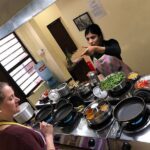
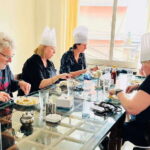
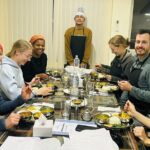
The 1-hour plan: dough, filling, folding, cooking, and tasting
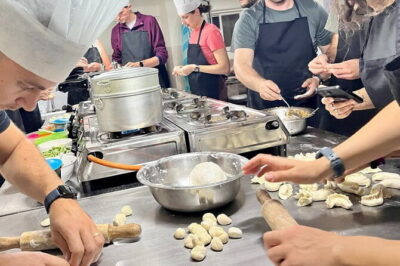
This is a fast, full-circle lesson. You start by meeting your chef or instructor at Nepal Cooking School, then you move through the full momo workflow: dough, filling, shaping, cooking, and finally tasting.
The order is important. You do not just learn how to mix dough in theory and then hope everything works out later. You learn the steps in the sequence that real momo making uses, so each part supports the next. For me, that is the difference between a fun activity and a useful class.
What you’ll do during the class
You can expect to:
- Mix and work the momo dough using flour and water
- Prepare the filling, typically with vegetables and optionally ground meat depending on preferences
- Shape and fold the dumplings so they stay sealed during cooking
- Cook the momos as part of the session, not after the fact
- Eat the dumplings you made, often with dipping sauces or sides
Because the duration is 1 hour, each step is taught efficiently. You should go in with the right mindset: this is practice, not a slow, leisurely pastry workshop. If you want a long, detailed cooking binge, you may feel the time goes quickly. If you want a concentrated, hands-on Kathmandu experience, it fits nicely.
Dough making in a Thamel kitchen: flour and water, hands first

Momo dough sounds simple. Flour, water, then you work it until it becomes something you can roll, stretch, and fold. What makes this class valuable is that you practice, not just listen.
When you mix flour and water, you start learning the basics that matter for dumplings:
- Dough needs the right feel to roll without tearing
- It needs enough elasticity to fold and seal
- It should be manageable, not sticky and chaotic
You also get that very satisfying moment when the dough stops being a messy ball and starts behaving like dough. That hands-on stage is where you build confidence fast, because you can correct as you go.
The class instructions also suggest you bring clothes that can get dirty and plan to wear something comfortable. That’s good advice. Even in a tidy cooking space, dough gets on you. The goal is to leave knowing how to handle the dough texture, not to keep your outfit spotless.
Filling the momos: vegetables, spices, and optional meat
The class includes the ingredients needed for momo preparation. That typically means flour and water for the dough, plus filling components like vegetables and various spices and seasonings. Depending on the setup, the filling may include ground meat, or you might have a vegetarian option.
The most useful part here is how the filling comes together as a working mix, not just a bowl of ingredients. You learn how vegetables and seasonings are combined so the filling tastes balanced and stays cohesive enough to handle. Dumpling filling has to be flavorful, but also practical, because you will be stuffing it into dough and sealing it.
If you have a dietary preference, this is one of those activities where your choices actually matter. Since the class notes mention ground meat if not vegetarian, you can plan around that and ask what options are available when you arrive. (Since the exact menu details are not listed here, you will want to confirm in person.)




Folding dumplings in real time: why shape is more than looks

Folding momos is where most people accidentally turn a fun class into a frustrating one. You can fix that by knowing what you are aiming for: a fold that seals, so the dumpling holds together when it cooks.
In this class, you shape your own dumplings as part of the workflow. That means you learn the technique with feedback. If a dumpling opens, you see it in practice. If it seals well, you understand what made the difference.
This is also where small group size helps. With a limit of 8 participants, you are not left with vague instructions. You can get guidance while your hands are doing the work. Dumpling making is hard to learn from a recipe because it depends on feel. That is exactly what you get here.
Cooking your momos: learning when they’re ready
You do not just shape dumplings and then wait for someone else to cook them. You cook them as part of the session, so you connect the final result to your earlier steps.
That connection is the big value. When you taste the momos, you can associate success with what you did during dough mixing, stuffing, and folding. And when something is less than perfect, you can identify the likely cause without guessing in the dark.
While the class description does not spell out a detailed cooking method (like steaming times or temperature settings), it clearly includes cooking and a final tasting. That practical loop is what turns this into a real skill you take home, not just a meal you attend.
The payoff meal: what to expect when you eat
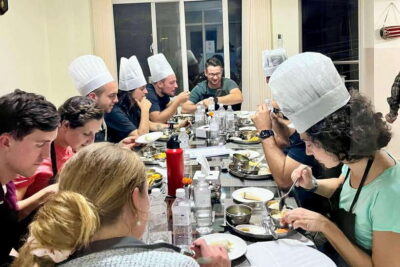
After the dumplings are cooked, you enjoy a meal featuring what you made. The description notes that momos are often served with dipping sauces or sides, so plan to taste them as a full, plated experience, not just dumplings on their own.
I like that the tasting is part of the lesson, because it teaches how momo sauce and dumpling work together. The dough and filling matter, but the dipping experience is what makes the flavor complete.
Even if you are not a big dumpling person, this meal stage can convert you. Freshly made momos tend to feel different from packaged ones, and the texture is usually the first thing you notice. If your dumplings sealed well and cooked evenly, you’ll taste that difference right away.
What it costs in time and energy (and why it’s still good value)
There’s no price listed here, but value is easy to judge based on what is included. For a one-hour session, you get:
- A full momo workflow, not a demo-only class
- Ingredients for dough and filling
- Cooking during the same visit
- A chance to taste what you made
- An English-speaking chef or instructor
- A small group limited to 8 participants
For most visitors, this kind of class is a high value choice because it fits into a travel schedule. You are not spending a whole day on food logistics. You get a local skill, plus a meal.
The main tradeoff is intensity. This is not slow cooking. If you like stretching meals out, chatty pacing, and long hands-on time, you might want a longer class elsewhere. If you want a concentrated Kathmandu experience you can actually remember and repeat later, this hits the mark.
Who should book this momo making class (and who might want a different plan)

This class is ideal for:
- Food lovers who enjoy learning by doing
- Travelers who like short activities in Thamel
- Anyone curious about Himalayan dumpling culture, especially momos’ roots across Tibet, Nepal, and the broader Himalayan regions
- People who want an English-led experience with a small group
You might skip it if:
- You dislike getting your hands dirty
- You prefer watching rather than participating
- You need a longer lesson format with more time for technique practice
If you are traveling with limited time, this is also a strong option. Thamel is easy to reach, and the session duration is short enough that it works well between other plans.
Practical tips so your hour goes smoothly
Here’s how to make the most of your one-hour class without turning it into a stress test.
- Wear comfortable clothes you do not mind touching with dough
- Bring what the class asks you to bring. The notes mention comfortable clothes and also list ingredients under what to bring, so double-check that point when you confirm
- Arrive with a little hunger. You’ll make the momos and then eat them, so feeling peckish beforehand can improve the whole experience
- If you care about vegetarian or meat filling, ask clearly before the hands-on part begins. Since ground meat is mentioned as an option when not vegetarian, your preference should guide the filling
Also, because transportation to and from the class is not included, plan your route through Thamel. You want enough time to get to Paknjaol Marg and up to the third floor without racing.
Should you book the Kathmandu momo making class?
If you want a memorable Kathmandu food experience that is practical and fun, I think this class is a strong yes. You get the full process, hands-on participation, and a meal that directly rewards your effort. The small group size is a quiet advantage, because you can actually learn while you’re doing.
Book it if you like learning by making, and you’re okay with a little flour on your sleeves. Skip it if you hate mess, or you want a long cooking session with lots of downtime. For most people, though, this one-hour window is exactly the right length to leave satisfied and proud.
FAQ
Where is the meeting point for the momo making class?
The meeting point is Paknjaol Marg, opposite the Ganesh Temple, in the building of the delicious pizza. The class is on the third floor.
How long is the momo making class?
The class duration is 1 hour.
Is the class taught in English?
Yes, the instructor is listed as English.
What is included in the class?
The class includes a 1-hour momo making session, an experienced chef or instructor, the ingredients for momo preparation, and the chance to taste what you make.
Do I need to arrange transportation?
Transportation to and from the class location is not included, so you will need to handle getting there on your own.
How many people are in the group?
The class is a small group limited to 8 participants.
More Workshops & Classes in Kathmandu
More Tour Reviews in Kathmandu


Not for you? Here's more nearby things to do in Kathmandu we have reviewed


Kathmandu Cooking & Momo Classes, compared.
 ★ 5.0Half day cooking class in Thamel kathmanduFrom $28607 reviews
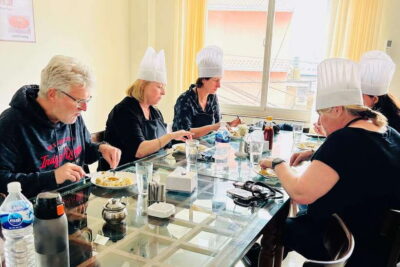 ★ 4.9Local Women-Led Nepali Cooking & Momo ClassFrom $4360 reviews
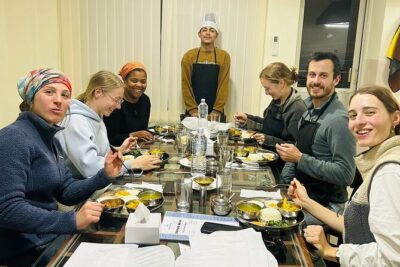 ★ 5.0Local Lead Nepali Cooking & Momo-Making ClassFrom $5212 reviews
Local Women Lead Nepali Cooking ClassFrom $30125 reviews
★ 5.0Local Lead Nepali Cooking & Momo-Making ClassFrom $5212 reviews
Local Women Lead Nepali Cooking ClassFrom $30125 reviews
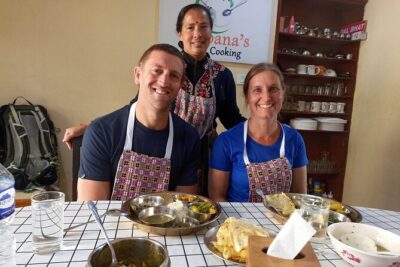 ★ 5.0The best Private Nepali Cooking Class in KathmanduFrom $2483 reviews
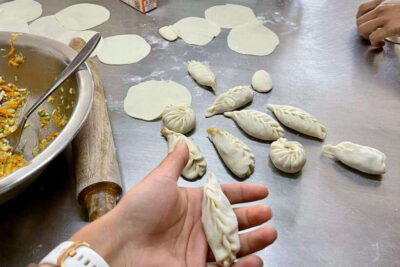 ★ 4.8Traditional Momo Making Class & PickupFrom $460 reviews
 ★ 5.0Traditional Nepali Momo Making ClassesFrom $1853 reviews
 ★ 4.9Local Women-Lead Nepali Cooking & Momo ClassFrom $545 reviews
Browse the lists this tour appears in