
REVIEW · KATHMANDU COOKING & MOMO CLASSES
Kathmandu: Local Women Lead Nepali Cooking & Momo-Making Class
Momos taught by local women are a highlight. This half-day Kathmandu cooking class pairs a market walk in Thamel with hands-on lessons, so you understand the food, not just watch it. You also get to taste what you make before you head back out to explore.
I especially like two things about this class. First, the format is genuinely practical, you learn step-by-step techniques at the stove, including momo dough work and classic dishes like dal bhat. Second, the experience includes a market/shop visit, so you learn how to pick ingredients that matter for flavor and texture.
One consideration: you will pay a bit of attention to what is included in your menu and what you might buy yourself at the shops. The lesson covers cooking and tasting, but specialty drinks and tips are not included, so plan a small extra budget for that.
Key things to know before you go
- Market to meal: you start with a shop walk for key ingredients, then cook and eat your own food
- Small group size: a maximum of 8 travelers keeps the attention on your technique and questions
- Hands-on momos: expect dough and dumpling practice, not just watching someone else cook
- Nepali masala tea: included during the lesson, giving you a comfort-food pause while you work
- Equipment included: you do not need to bring tools or worry about basic cooking setup
- Pickup option: hotel pickup and drop-off are available if you select that option
A Half-Day Kathmandu Cooking Class That Starts in Thamel
Thamel is the place where most first-time trips to Kathmandu begin, and it is also where you can make food learning easy. This cooking class is based in that neighborhood area, with the meeting point at Kathmandu Cooking Academy on Yapikhya Marg. From there, the day flows in a simple pattern: market stops first, then cooking, then eating what you made.
What makes this feel worthwhile is that you do more than cook. You learn how Nepali cooking starts with ingredients you can recognize in the shop, not just a list on a screen. That is the real value if you want to keep cooking after the trip.
Also, the group size limit of 8 matters. In a small class, you get time with the instructor, and you are more likely to get answers to questions as they come up, like how dough should feel or how to balance salt and spices.
You can also read our reviews of more cooking classes in Kathmandu
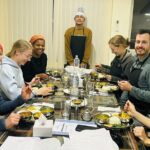
What the 3-Hour Schedule Really Looks Like
The class runs about 3 hours, which is a good fit if you want something memorable without losing half a day to logistics. A typical flow looks like this:
First, you meet at the Kathmandu Cooking Academy in Thamel. If you selected the pickup option, a driver brings you from your hotel and you return there afterward.
Next comes the market/shop portion. You walk through the ingredients you will use, and your instructor helps you understand what each item does in Nepali cooking. This is not just a sightseeing walk. It is ingredient education tied directly to the food you will cook later.
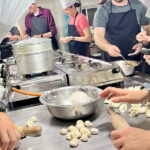
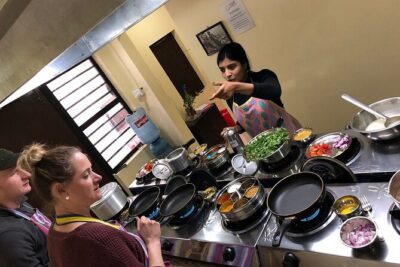
Then you move into the cooking session. The lesson is hands-on, with step-by-step instructions from the chef and instructor. You will work with dough and stovetop cooking, and you will prepare multiple Nepali dishes during the session.
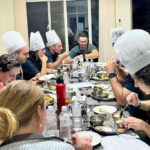
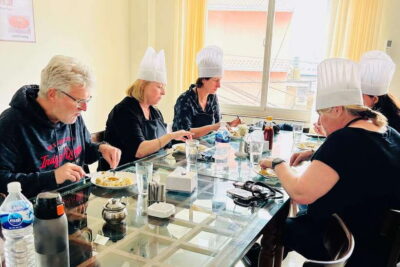
Finally, you sit down for a tasting of the food you prepared. That last part matters more than people expect. It is where you connect what you just did to what it tastes like, and it is the easiest moment to ask follow-up questions about flavor and technique.
The Market Tour: How to Pick Ingredients That Actually Matter
The market stop is the part many people look forward to because it is sensory and quick. Spices, produce, and common Nepali staples show up right in front of you. Even if you have cooked before, this step helps you see how Nepali dishes build flavor.
You are not just buying things at random. The market/shop tour is included because the cooks want you to understand ingredient roles, especially for dishes like momos and dal bhat. For example, momo fillings and dumpling dough benefit from the right textures and flavor balance, and dal bhat depends on how spices are used, not only which spices are used.
A practical tip for you: come ready to walk and browse. Thamel and surrounding areas can be busy and tight, and you will likely spend time looking, not just moving. Wear comfortable shoes, and keep your phone and wallet accessible but secure.
Also, this market segment gives you a useful souvenir. Not a bag of spices for the sake of it, but ingredient knowledge you can repeat later.
Cooking Station Time: Momo Dough, Dal Bhat, and Real Technique
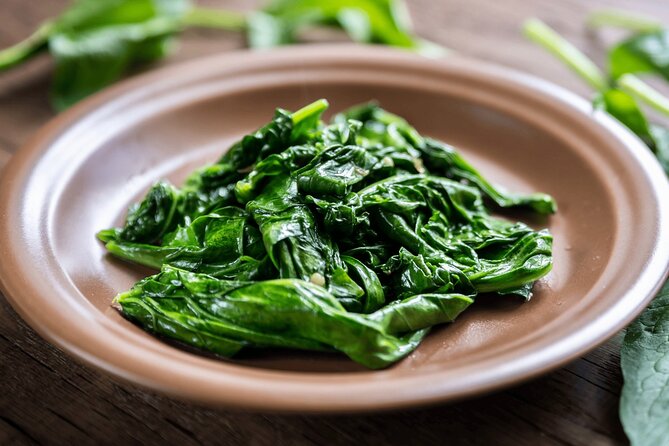
This class is built around the idea that technique beats memory. You learn what to do, then you do it.
Momos: the dough and dumpling rhythm
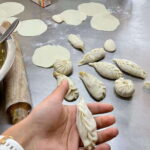
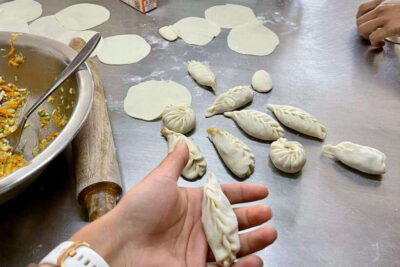
Momos are usually the star. You get instruction for making dumplings, which means you work with dough and learn the steps needed to shape it. The goal is not fancy plating. The goal is learning a process you can repeat at home.
When you cook momos in a group class, you also get a natural rhythm. Some people get dough shaping more quickly, others start with understanding the dough texture first. Either way, you are not stuck watching, because you are actively working.
A few more Kathmandu tours and experiences worth a look
Dal Bhat: spice balance and comfort-food basics
Dal bhat is the other key dish type you can expect in the menu. It is classic, it is forgiving, and it is very teachable. You learn how to simmer, season, and build the kind of flavor that feels like home cooking.
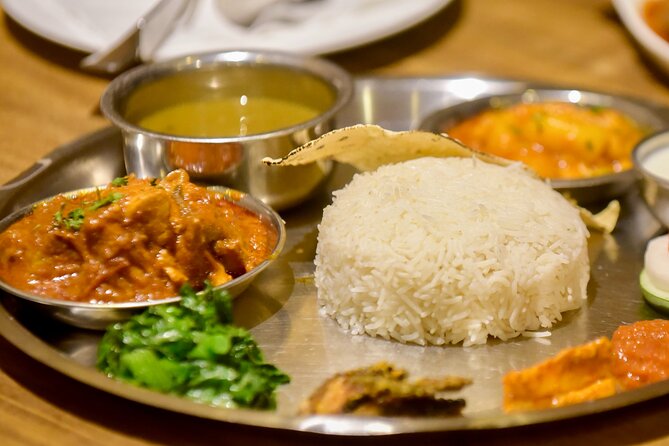
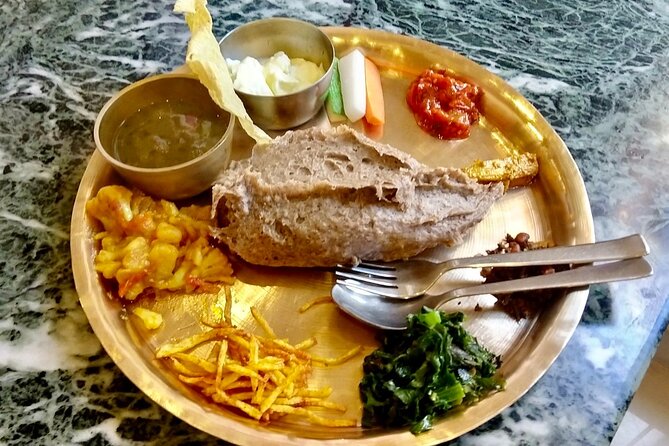
Dal bhat also helps you understand how Nepali meals work as a whole. It is not a single wow dish. It is a satisfying plate built around lentils, rice, and supporting elements that make the flavors line up.
Other possible dishes on the menu
Depending on the session, you might cook additional items. One example from past menus includes carrot pudding, which shows how broad Nepali cooking can be within a single class. You may also see variations in the dishes selected for your lesson, because you choose the menu items rather than being locked into one fixed set.
If you want to maximize your odds of getting the dishes you care about, ask your instructor which menu options are available on the day. That is part of the appeal of this class style.
Nepali Masala Tea: A Small Break That Helps You Learn
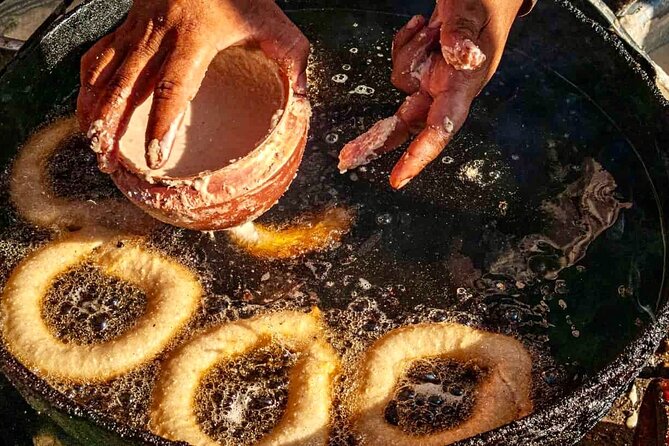
Nepali masala tea is included during the lesson. This matters because you are cooking and walking and working with your hands, and a warm cup at the right moment helps you reset.
It is also a subtle way to connect food culture. Tea in Nepal is not just a drink for the end of the day. It is part of the social flow, the same way it is at local gatherings. You get a taste of that rhythm while you learn.
Eating What You Made, Plus How to Turn It Into Memories
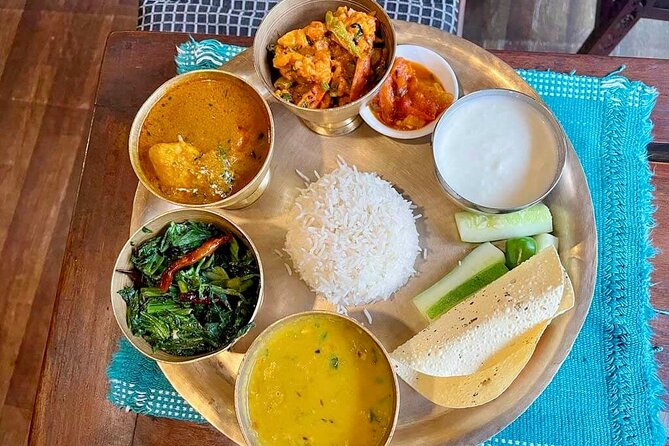
The tasting session is built into the experience, so you do not just take home a bag of food that goes cold in a hotel room. You eat while the flavors are still fresh and you can clearly map taste to technique.
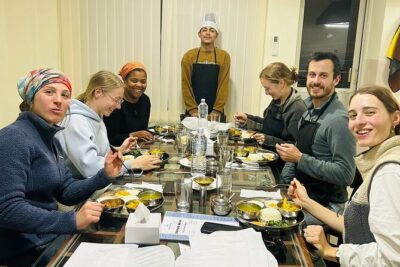
This is also where the class becomes more social than you might expect. The lesson size is small, and you are working side-by-side. People often end up chatting with others in the group while they wait for the next step, and that is one of the quiet perks of cooking together.
If you want to make the experience last after the meal, take notes on two things: what your dish needed most (salt, heat, spice balance, texture) and what you would change if you cooked it again. Those notes will matter far more than a photo.
Price and Value in Kathmandu: What $35 Really Buys
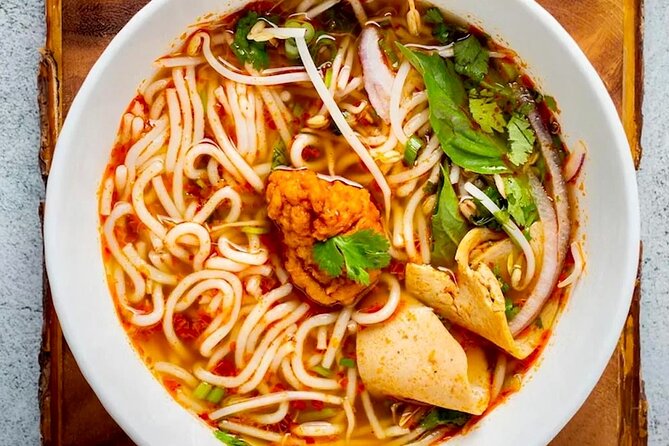
At $35 per person, this half-day class is priced for real value because multiple things are bundled together. You get:
- a cooking class with step-by-step guidance
- a market/shop tour for key ingredients
- the cooking session equipment and accessories
- Nepali masala tea during the lesson
- tasting of what you cook
- optional hotel pickup and drop-off, based on what you select
When you compare that to the cost of eating out, $35 is not just a meal. It is a chance to learn technique, see ingredients, and get a guided practice session you can not easily replicate on your own in Thamel.
A couple things that are not included are also helpful to know. Specialty drinks or alcoholic drinks are not included, and tips are not included. So bring a little extra cash for small extras, especially if you tend to order more than water with your tea.
One more small practical note: this activity is booked about 17 days in advance on average. That does not mean you need to book instantly, but it does suggest limited capacity. If your schedule is tight, early booking is a smart move.
Group Size and Comfort: Why Maximum 8 Travelers Is a Big Deal
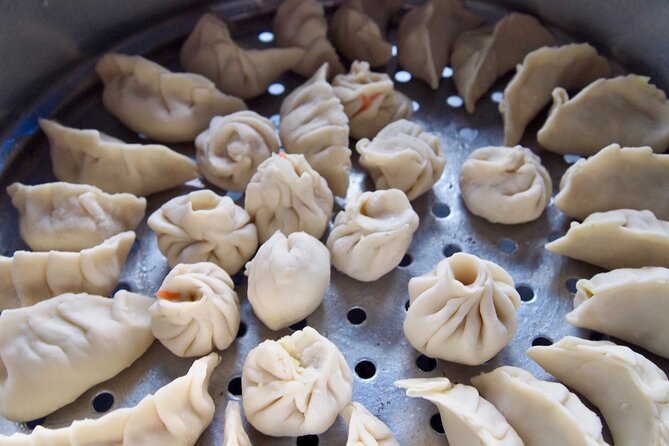
The class has a maximum of 8 travelers. That size hits the sweet spot for a cooking lesson. It is small enough for questions, but large enough that you feel the shared energy of cooking with other people.
You are also in good shape for a first-timer. No advanced kitchen background is required in the information you have, and the step-by-step teaching format is designed for mixed experience levels.
If you are traveling solo, a small group also helps you connect faster. If you are traveling with a friend, it feels like a shared activity rather than a crowded tour where you keep losing sight of what is happening.
Getting There: Thamel Location and Pickup Options
The start point is Kathmandu Cooking Academy in Thamel, at Yapikhya Marg, Kathmandu 44600, Nepal. The class ends back at the same meeting point.
The experience also lists a pickup and drop-off option if you select it. That is useful because Kathmandu traffic and walking distances can change quickly based on the day. The class being near public transportation is another plus, so you can still make it work even if your hotel is not right next door.
For your schedule planning, treat this as a main block of the day. Because you will cook and taste food, you do not want to stack it right before an event where you need to be fully dressed and out the door quickly.
Who Should Book This Class (And Who Might Pass)
I think this is a strong choice if you want a hands-on Kathmandu experience that is still manageable. It suits:
- food-focused travelers who want technique, not just eating
- couples and small groups who like structured learning
- solo travelers who enjoy meeting people while doing something practical
- first-time visitors who want an easy Thamel-based activity that still feels local
You might pass if you want a long, leisurely food tour that also includes multiple stops around the city. This is half-day cooking, not a full-day Nepal food crawl.
Should You Book Kathmandu Momo-Making and Nepali Cooking in Thamel?
If you care about learning how food is made, not just trying dishes, I would book this. The market-to-stove format gives you the missing link most cooking experiences skip. You see ingredients in context, then you handle dough and cooking steps yourself, then you eat what you made before the day ends.
Also, the low cap at 8 travelers is a practical advantage. In a small class, you are not just part of the crowd. You are actively learning.
One more reason to lean yes: the menu choice element. If you have specific foods you want to cook, the setup makes it easier to get what you are craving, whether that is momos, dal bhat, or something dessert-like such as carrot pudding that has appeared on past menus.
FAQ
How long is the cooking class in Kathmandu?
The class runs for about 3 hours.
Does the price include hotel pickup and drop-off?
Hotel pickup and drop-off are included if you select the pickup option.
What happens during the market and shop tour?
You visit the market/shop to buy the important ingredients for cooking and you learn about the ingredients used in Nepali meals.
What dishes will I cook?
The class is hands-on and includes making different Nepali meals. Momos and dal bhat are specifically mentioned, and Nepali masala tea is included during the lesson.
Is there a limit on group size?
Yes. The class has a maximum of 8 travelers.
What is the cancellation policy?
You can cancel for a full refund if you cancel at least 24 hours before the experience starts. If you cancel less than 24 hours before the start time, the amount paid is not refunded.
More Workshops & Classes in Kathmandu
More Cooking Classes in Kathmandu
More Tour Reviews in Kathmandu

Not for you? Here's more nearby things to do in Kathmandu we have reviewed


Kathmandu Cooking & Momo Classes, compared.
 ★ 5.0Half day cooking class in Thamel kathmanduFrom $28607 reviews
 ★ 4.9Local Women-Led Nepali Cooking & Momo ClassFrom $4360 reviews
 ★ 5.0Local Lead Nepali Cooking & Momo-Making ClassFrom $5212 reviews
Local Women Lead Nepali Cooking ClassFrom $30125 reviews
★ 5.0Local Lead Nepali Cooking & Momo-Making ClassFrom $5212 reviews
Local Women Lead Nepali Cooking ClassFrom $30125 reviews
 ★ 5.0The best Private Nepali Cooking Class in KathmanduFrom $2483 reviews
 ★ 4.8Traditional Momo Making Class & PickupFrom $460 reviews
 ★ 5.0Traditional Nepali Momo Making ClassesFrom $1853 reviews
 ★ 4.9Local Women-Lead Nepali Cooking & Momo ClassFrom $545 reviews
Browse the lists this tour appears in