
REVIEW · HISTORICAL TOURS
Kathmandu Heritage & Monuments Sightseeing
Four sacred stops in one easy day. What makes this Kathmandu tour especially interesting is that it strings together major religious sites with private transport and flexible timing, so you can linger where you feel drawn in. I love the convenience of being picked up and dropped back at select hotels, and I also like that the route covers both Hindu and Buddhist landmarks in one smooth loop. One possible drawback: monument entry tickets and tour guides are not included, so you should plan for extra spending once you arrive.
The flow is built for comfort. Your representative meets you at your hotel the day before or on tour day, then a driver collects you around 9am and you spend the day bouncing between sites, stopping as long as you want. By the time you wrap up, the driver drops you back at your hotel, which is a big deal after a full day of stairs, temples, and traffic.
Key highlights that matter in real life
- Private pickup and drop-off at select hotels, so you do not waste time figuring out transit
- Flexible itinerary that lets you adjust pace at each monument instead of rushing through
- Major Kathmandu Valley landmarks like Pashupati Nath, Boudhanath, Swoyambhunath, and Patan Durbar Square
- A driver, fuel, and parking included, so you focus on sightseeing instead of logistics
- Mobile ticket for a smoother check-in and meeting point experience
- Pace checks built in, including time for breaks like coffee when your group needs it
A 6-hour heritage circuit that starts with hotel pickup
This tour is designed like a day out with a plan, not a checklist you must finish. You start with a representative meeting you at your hotel the day before the tour, or on the tour day itself. That early touch matters in Kathmandu because it can remove stress before you even leave the hotel.
Then your driver shows up around 9:00 am to pick you up and take you to the first sites. The tour runs about six hours (approx.), which is long enough to see several major monuments, yet short enough that you are not spending your whole day in a van. You end the day with a hotel drop-off after you finish sightseeing.
Two practical upsides I really appreciate with this style of tour:
- You get a simple start time and a direct pickup, so your morning stays predictable.
- You have control over how long you stay at each stop. Temples and stupa areas can be intense, and sometimes you want five minutes, sometimes you want an hour.
You can also read our reviews of more historical tours in Kathmandu

What private round-trip transport changes in Kathmandu
Kathmandu traffic can be a test if you are hopping between spots on your own. Here, you get private round-trip transportation, which means no rental car stress and no negotiating shared rides while you carry water bottles, camera gear, and whatever you pick up along the way.
Because the itinerary is built around stops, private transport also gives you more breathing room when things get slower:
- At busy monuments, you can park, regroup, and adjust without scrapping your whole plan.
- If you want to step out for a quick rest, you can do it without adding another logistics headache.
The tour includes the car with driver plus fuel and parking charges, so you are not paying random add-ons mid-day. Just remember what is not included: monument entry tickets and tour guides. That does not mean you cannot learn a lot, but it does mean you may want to budget for tickets and consider whether you will hire a guide at sites if you want deeper storytelling.
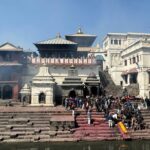
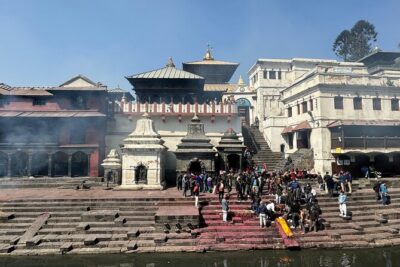
Pashupati Nath, where Hindu worship has weight
Pashupati Nath is one of those places where Kathmandu’s religious life feels immediate. The tour includes a stop at the sacred Hindu temple of Pashupati Nath, and this is the kind of site where you should plan to slow down and watch quietly.
Why this stop is worth it:
- You get a powerful example of how Hindu ritual shapes daily movement and space.
- Even if you are not religious, the scale of devotion and the way people respectfully carry out worship is something you can feel.
What to consider:
- These places can be emotionally intense and visually busy. If your group prefers calm photo time, give yourselves extra space to adjust.
- Dress codes can be strict at sacred sites. If you show up wearing comfortable, respectful clothing, you will have an easier time getting through.
Boudhanath Stupa, the huge Buddhist focus of the valley
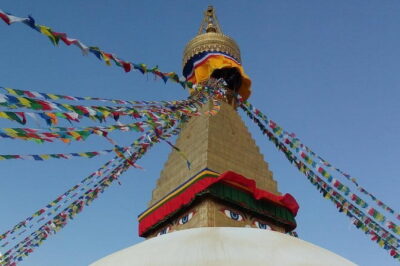
Next up is Boudhanath, featuring the world biggest stupa stop on this route. If Pashupati Nath gives you Hindu temple atmosphere, Boudhanath gives you a different kind of power: Buddhist devotion wrapped into a landmark that is designed for continuous prayer.
At Boudhanath, you will likely notice the choreography of faith:
- People move around the stupa in their own rhythm.
- The space encourages you to watch, not rush.
This is also a great stop for photos, but I recommend you spend more time absorbing the moment than chasing perfect angles. The stupa is dramatic from a distance, yet the details up close are what make the place memorable.
One practical tip: bring a bit of patience for crowd flow. Stupa areas often involve people walking in patterns, and it can take a minute to find the spots that let you pause comfortably.
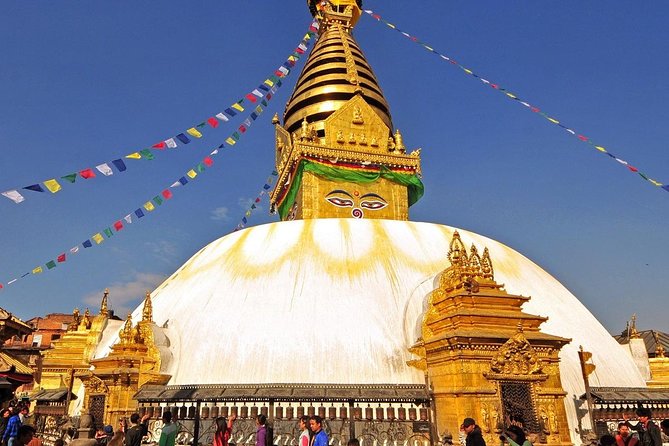
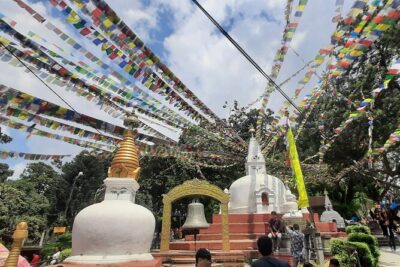
Swoyambhunath Monkey Temple, hill views with real character
Then you head to Swoyambhunath Stupa, commonly called the monkey temple. This is a classic Kathmandu viewpoint stop, because you are on a hill and the temple complex feels like it sits above the city.
What makes Swoyambhunath special in a half-day format:
- It is a different Kathmandu feel, with a hilltop perspective that makes the city’s layout easier to understand.
- It blends spiritual space with everyday life, since you are not just inside a temple, you are in an active living area.
A key thing to plan for: stairs and walking. Even if you do not climb every path, you will likely cover some uneven steps and walkways. Wear shoes that handle stone surfaces, and do not pack your day like a museum visit.
And yes, monkeys are part of the experience. You do not need to be scared, but you should avoid dangling snacks, keep your bag zipped, and be ready to step back if an animal comes close.


Patan Durbar Square and Kumari, where ritual meets architecture
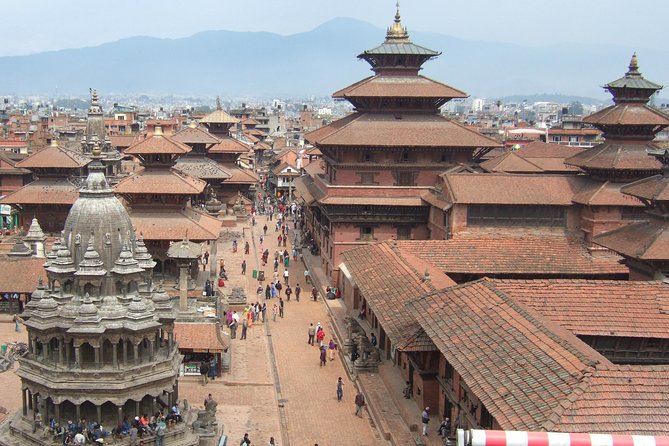
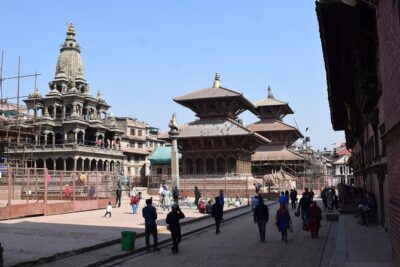
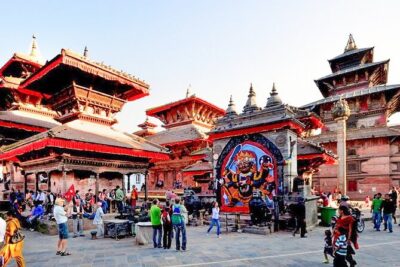
The tour includes Patan Durbar Square, with emphasis on the historical architectural area. This stop is a strong contrast to the big single-focus monuments like Boudhanath and Swoyambhunath because Durbar Square areas feel like living museums. You are moving through a cluster of structures that reflect centuries of craftsmanship and religious influence.
Then there is Kumari, the living goddess, also associated with the Patan Durbar Square stop. Kumari is widely known in Nepal as a living symbol with religious and cultural importance, and it adds a human scale to the heritage sightseeing. Instead of just looking at stones and shapes, this stop connects the architecture to living tradition.
Why I think this pairing works:
- Durbar Square gives you the context of Nepal’s ceremonial built environment.
- Kumari brings the story back to a person, which can make the day feel less abstract.
What to watch out for:
- If there are crowds around Kumari-related areas, your best approach is calm pacing. Ask your driver to give you time to find a comfortable viewpoint and avoid feeling rushed.
Timing, energy level, and how to pace your day
A six-hour private tour sounds simple on paper. In Kathmandu, the real variable is energy, because every stop has different demands: some areas invite slow looking, others involve stairs, and all of them involve crowds and lines at peak times.
Here is how to make the most of it based on how the tour is set up for flexibility:
- Start by deciding your pace for the first hour. If you are energetic, you can move briskly through early sights, then slow down later.
- At each site, spend at least two time blocks: one for the big view, one for details up close.
- Build in a break. One reason people enjoy this style of tour is the ability to stop when your group needs a pause, and even a simple coffee break can reset the mood.
If you are traveling with family, older relatives, or anyone who tires easily, this private format helps because you can adjust time at each monument without derailing the whole day.
Price and logistics: what $147 really buys you
At $147 for about six hours, this is a value play when you want big-city landmarks without the hassle of sorting transportation. The key is what is included:
- Hotel pickup and drop-off at selected hotels
- Transport by private vehicle
- Fuel surcharge
- A mobile ticket
- A plan that focuses on major heritage sites with flexible time
What you should budget separately:
- Entry tickets of monuments
- Tour guides
- Food and drinks are not included
So the real decision comes down to this: do you want the convenience of private transport and a driver doing the hard parts, and are you okay paying monument entry fees and possibly hiring guidance if you want extra explanation.
For many people, the value hits hardest if you are:
- Short on time in Kathmandu but still want a heritage-heavy day
- Traveling with a small group that does not want to join a crowded group tour
- Trying to avoid the stress of transit between far-apart temples and stupa areas
If you already love planning routes and you are comfortable with public transport, then you might compare costs. But for a heritage day where your feet and attention matter, the bundled transport convenience is often worth it.
Practical tips before you go
This tour hits several sacred areas and heritage spaces. The basics will make your day smoother.
Wear respectful, comfortable clothes. Temple environments often expect covered shoulders or other modesty norms, and comfortable clothing helps when you pause for prayer areas or walkways.
Bring cash and small change. Since monument entry tickets are not included, you will want a straightforward way to pay fees on site. Even if mobile tickets cover check-in, tickets for entry can still require payment at the monument.
Plan for walking and stairs. Swoyambhunath and Durbar Square zones can involve steps and uneven surfaces. Good shoes save your day.
Keep your expectations flexible. A flexible itinerary is the point here, but it only works if you let the day breathe. If you try to race from one spot to another, you will miss what makes these places special.
Should you book this Kathmandu Heritage and Monuments tour?
I would book it if you want a focused Kathmandu heritage day with private transport, hotel pickup, and a route that covers the big anchors: Pashupati Nath, Boudhanath, Swoyambhunath, Patan Durbar Square, and Kumari. It is especially a good fit if you hate the logistics side of sightseeing and you would rather spend your energy paying attention at each stop.
Skip it, or at least rethink the plan, if you want everything fully included with no additional spending on entry tickets and guides. Since food and monument tickets are not included, you will want to plan your budget and decide how you want to learn at each site.
If your priority is comfort, flexibility, and major monuments in one shot, this tour is a strong match.
FAQ
What time is hotel pickup?
Your driver comes to pick you up at your hotel by 9:00 am.
Is food included?
No. Food and drinks are not included in the tour.
Are monument entry tickets and tour guides included?
No. The tour includes transport plus fuel and parking, but does not include entry tickets of monuments or tour guides.
Is this a private tour or a shared group?
It is private, meaning only your group participates.
How does cancellation work?
You can cancel for free and get a full refund if you cancel at least 24 hours before the experience’s start time. If you cancel less than 24 hours before, the amount paid is not refunded.
Is there a minimum age?
Yes. The minimum age is 18, and children must be accompanied by an adult.
More Historical Tours in Kathmandu
More Tour Reviews in Kathmandu
Not for you? Here's more nearby things to do in Kathmandu we have reviewed


Historical Tours, compared.
 ★ 5.0Private Kathmandu Sightseeing Tour | UNESCO World Heritage sitesFrom $17756 reviews
 ★ 5.0UNESCO Seven World Heritage Tour in KathmanduFrom $180253 reviews
 ★ 5.0Kathmandu Private Sightseeing Tour | UNESCO World Heritage SitesFrom $35109 reviews
 ★ 5.0Full Day Private Top 4 UNESCO Heritage Tour W/Lunch.From $1086 reviews
 ★ 5.0Kathmandu World Heritage TourFrom $5074 reviews
 ★ 5.0Nagarkot Sunrise & Bhaktapur UNESCO Heritage Private TourFrom $5066 reviews
 ★ 5.0Kathmandu Heritage Tour (Full Day)From $3863 reviews
 ★ 5.0Kathmandu Top 4 or 2 UNESCO World Heritage Sites Day TourFrom $4052 reviews
Browse the lists this tour appears in