
REVIEW · KATHMANDU UNESCO HERITAGE TOURS
UNESCO Seven World Heritage Tour in Kathmandu
Kathmandu’s temples fit in one long day. I love the private car that keeps the schedule realistic, and I love that an English-speaking guide puts the religious and historical puzzle pieces together. The main drawback is simple: this is a 12-hour sprint with lots of steps, and you’ll want to pace yourself.
You’ll hit seven UNESCO World Heritage stops in Kathmandu Valley, plus a few closely connected sights along the way, all with hotel pickup and drop-off and entry fees handled for the heritage sites. You’re paying $180 per person, and the value mostly comes from avoiding ticket hassle and saving time between scattered locations.
Key highlights at a glance
- Seven UNESCO sites in one day so you can make the most of limited time in Kathmandu
- Private vehicle time-saver that helps you move fast between far-flung areas
- Entry fees for the heritage stops included so your day stays smooth
- Guide pacing that keeps you from feeling rushed at big places like Swayambhunath, Bhaktapur, and Pashupatinath
- Religion-and-history explanations that connect Hindu temples and Buddhist sites you might otherwise treat as separate worlds
Why this one-day UNESCO sweep makes sense
Kathmandu Valley is spread out. Even if you’re good at navigation, doing the UNESCO sites efficiently on your own usually turns into time lost to transit, queues, and figuring out what matters most.
This tour tackles that problem directly. You get a full-day route designed to cover the big UNESCO hits in a single push, while a guide explains what you’re seeing so the day doesn’t become just photo stops.
The other thing I like is that you’re not stuck with one-size-fits-all wandering. You move by car between areas, then you tackle walking sections when you’re actually at the sights.
You can also read our reviews of more historical tours in Kathmandu

Price and what you actually get for $180
At $180 per person, this doesn’t feel cheap in a general sense, but it does feel fair for what’s included. You’re paying for a private vehicle, an English-speaking guide, hotel pickup and drop-off, and entry fees for the seven heritage sites.
That package matters in Kathmandu. Tickets and site entry can eat up time, and the city’s traffic can turn a planned route into a stressful scramble. By handling the logistical bits, you spend your energy on the temples.
Lunch in Bhaktapur is not included, and tips are not included. I’d budget for your own meal plan there because that’s also when you’ll want flexibility to choose what looks good nearby.
Swayambhunath Monkey Temple plus Amideva Buddha Park: first views, then big symbolism
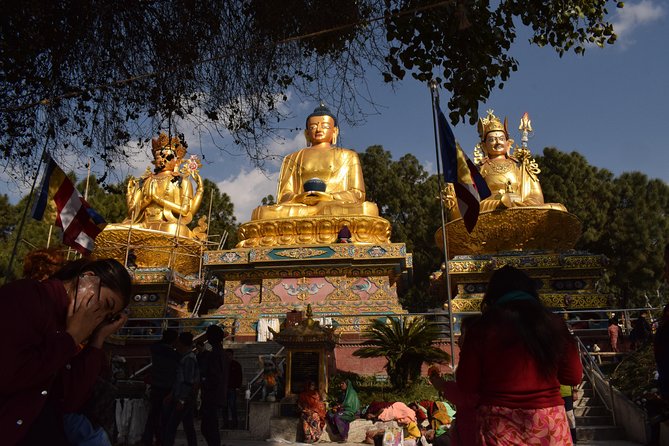
Your day starts with Swayambhunath Stupa, often called the Monkey Temple. Expect steps up to the top, and yes, the stairs are a workout, with the climb tied to a memorable 365-stair detail. Once you’re up there, you get wide city views and a layered mix of shrines.
One of the best parts here is how many traditions share space. You’ll see prayer wheels and multiple Hindu temples and deities existing alongside the Buddhist setting, which is exactly the kind of Kathmandu overlap people miss when they only visit one type of site.
Right after that, you continue to Amideva Buddha Park, where the big takeaway is scale. Three large Buddha statues act like a dramatic palette cleanser after the stupa atmosphere, and the location sits on the next side of the hill.
This pair works because it gives you both the dramatic arrival view (Swayambhunath) and a calmer, statue-focused moment (Amideva Buddha Park). It’s a good way to wake up your eyes before the city-center squares.
Kathmandu Durbar Square and Kumari Chowk: living traditions in a working city
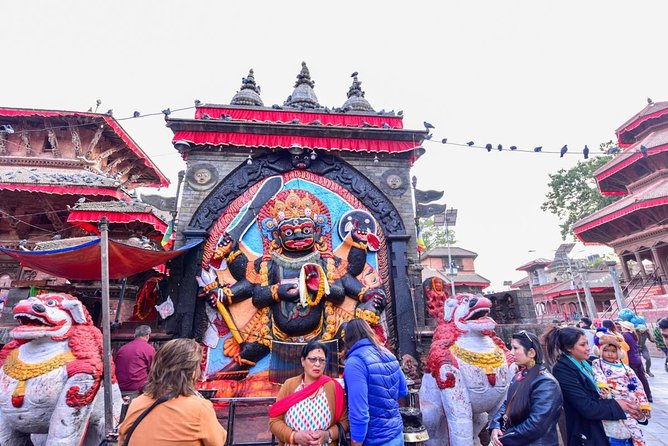
Next comes Kumari Chowk, a sacred courtyard tied to Nepal’s living goddess tradition. The setting is a red-brick, three-level building, and the key idea is that the Kumari is selected as the living goddess until puberty, after which the role changes.
This stop is short, but it’s meaningful. Even if you don’t catch a full explanation from every angle, you’ll feel how tradition is still woven into daily space rather than turned into a museum display.
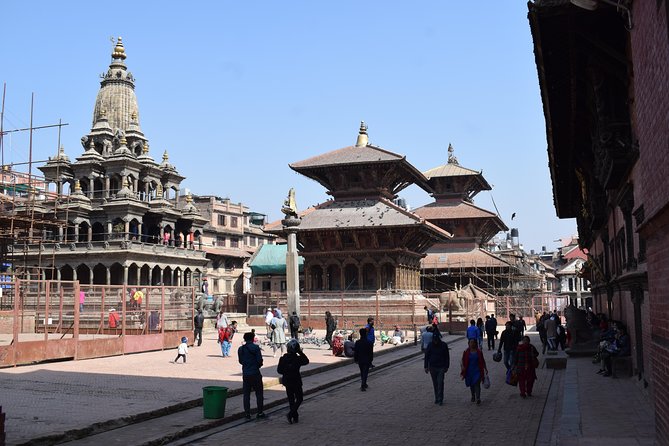
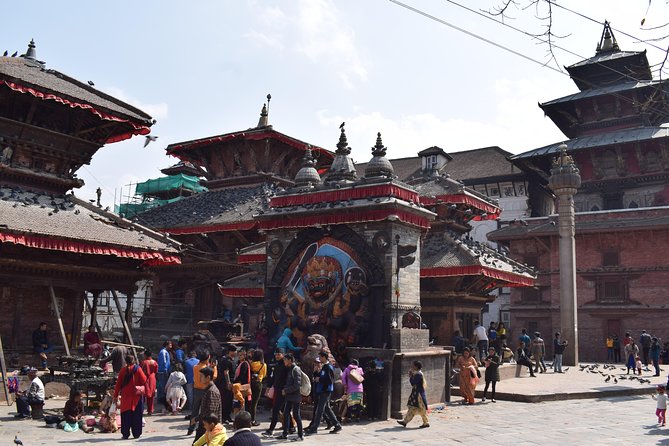
You also visit Kathmandu Durbar Square as part of the main UNESCO area in central Kathmandu. The square includes historical and religious sites, and you’ll notice some structures in reconstruction. I actually like that you can see the city as it is now, not frozen in time, because it mirrors how Nepal balances preservation with life.
The main drawback here is time pressure. Durbar Squares can pull you in different directions, so if you’re the type who wants to read every plaque, ask your guide to show you the essentials fast and then revisit later if time allows.
Patan Durbar Square energy: stone artistry and a different city rhythm
After Kathmandu, the tour shifts toward Patan and the UNESCO Patan Durbar Square area. You’ll spend time around courtyard-palace space known for Newari architecture and a strong local community vibe.
One standout stop described in the route is Durbar (Central) Square with the Krishna Temple, made through stones, plus multiple shrines in the complex. This is the kind of sight that rewards slowing down for a few minutes to look at how the stonework is built, not just what it depicts.
Then you visit the Golden Temple (Hiranya Varna Mahavihar). The name points you to the visual theme, but the details are what make it interesting: bronze statues and silver elements, and a 12th-century pagoda-style temple setting.
The day also includes Patan Museum (Keshav Narayan Chowk). Even if you keep it brief, the museum adds context. You learn about tradition and history, and the route mentions content that includes Japanese civilization, which gives you a broader lens for Nepal’s cultural connections.
If you’re history-first, this section is a win. If you’re tired from earlier steps, keep your museum time focused. You can still get value without trying to absorb everything at once.


Bhaktapur City: where the UNESCO walk becomes a whole mood
Bhaktapur is often called the City of Devotees, and the tour leans hard into that preserved-feeling atmosphere. The route includes multiple Bhaktapur Durbar Square area highlights, so you’re not only seeing one temple and leaving.
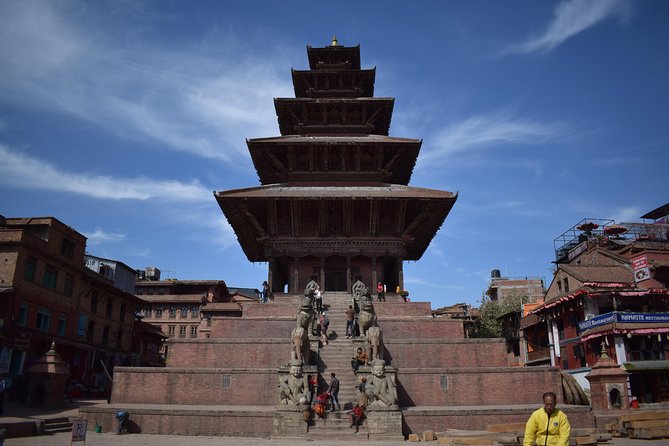
You’ll visit Nyatapola Temple, a five-leveled pagoda-style temple that’s described as among the tallest pagodas, with high craftsmanship you can spot from different viewpoints around the area. The height matters here, because you’ll keep wanting to look back up after you’ve moved to the next corner.
Nearby, you also stop at Dattatreya Temple in Dattatreya Square. The story tied to it is that it’s believed to be built with the resource of a single tree stem, which gives the temple a more personal kind of legend.
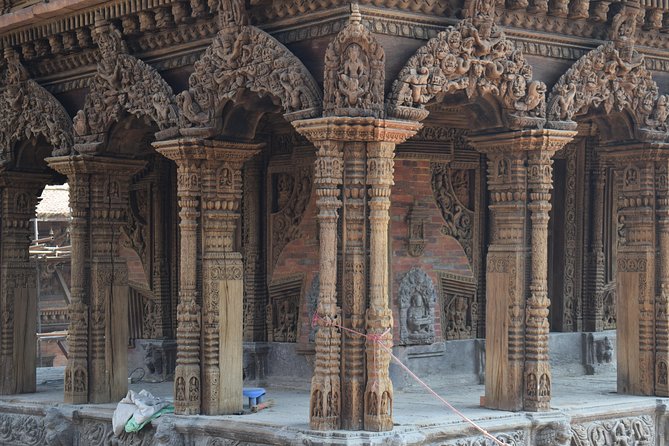
Then comes the 55 Window Palace, a Durbar Square structure famous for carved windows. It’s easy to treat as a quick photo stop, but the carved details are exactly where a guide’s interpretation helps. You’ll start seeing patterns as architecture, not just decoration.
Finally in Bhaktapur, there’s Siddha Pokhari, a man-made pond near the first city gate. The route gives measurable details: it’s about 171 meters long and roughly three meters deep, and it’s a local hangout.
This is where you’ll feel the hardest walking load. Your schedule can still feel smooth because you’re in a private vehicle for transfers, but within Bhaktapur, you should expect you’ll be on your feet and using stairs and uneven paths.
Changu Narayan: the hilltop pause that makes the day memorable
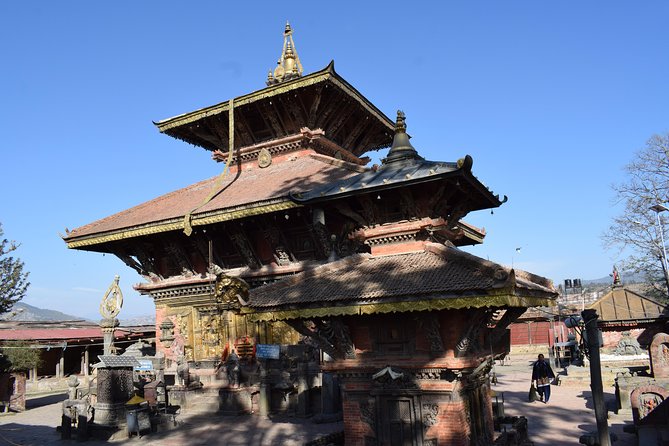
After Bhaktapur, you head to Changu Narayan Temple, one of the most important and oldest sites in the Kathmandu Valley story. This stop is longer than most, around an hour, which is a strong hint to treat it like the mental breather of the itinerary.
The temple is associated with the Licchavi period of records, which helps explain why it feels older than the other monuments you’ll see today. The route also highlights stone and wooden carvings, which is where you’ll want to slow down and look for craftsmanship rather than only focusing on the main structure.
It’s also described as a remote hilltop temple, which is part of why it works as a change of pace. After dense city squares and clusters of activity, this one gives you breathing room and a sense of distance.
My practical advice here: hydrate before this stop, and take the time you need at the carvings. The hilltop setting makes you rush less naturally, but it’s still easy to burn through your energy if you’re already tired.
Pashupatinath and Boudhanath: when the day turns fully spiritual
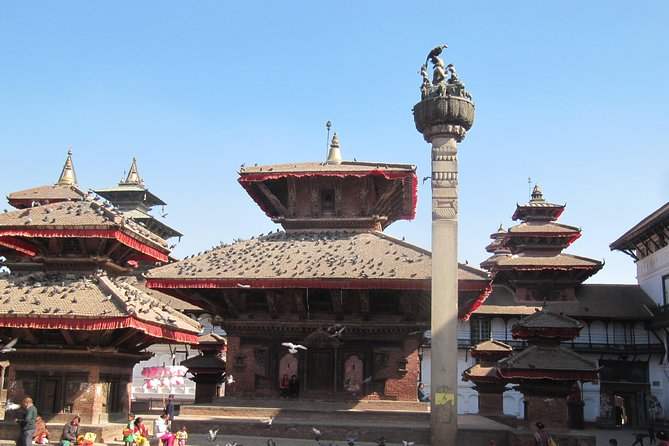
Toward the end, you visit two huge pilgrimage anchors: Pashupatinath Temple and Boudhanath Stupa.
At Pashupatinath, the complex is described as containing more than 500 temples and shrines, spread over about 0.64 hectares. That scale can feel overwhelming at first, so I like that your guide is there to help you focus on what matters visually and spiritually rather than trying to see everything at once.
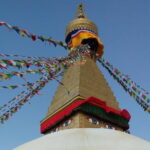
Then you shift to Boudhanath Stupa, a massive mandala-shaped stupa about 36 meters tall, with over 50 gompas built around it. The route frames it as one of Nepal’s most important Buddhist pilgrimage sites for spiritual practice, and the setup around the stupa makes it a place where you understand why people return again and again.
This end section is the “payoff” for the whole day. Earlier stops train your eye, and then these two give you a larger sense of scale, sacred geometry, and living religious movement.
If you’re sensitive to crowds or noise, plan to spend a few extra minutes just observing the flow rather than trying to get the perfect view from every angle.
Pacing, walking, and how to keep a long day enjoyable
A 12-hour day sounds intense, but the best part is the route’s structure: car transfers plus short, targeted time blocks at each major site. That avoids the common problem of spending half your day commuting and the other half deciding where to go.
From what the guides in this operation are known for, the day works when you trust the pacing. Names like Pankaj, Kabita, and Shanti K. come up for being friendly, adjusting timing to your interests, and not dragging you through the sights. If you value a guided rhythm, that’s exactly what you want in a day this packed.
Bring comfortable walking shoes. Swayambhunath includes a steep stair climb, and Bhaktapur adds more walking on top of the cultural sights. Also bring sun protection and water, because Kathmandu sun can feel sharper than you expect, even when you start in cooler morning air.
One more tip: keep your camera ready but don’t constantly shoot. At the biggest sites, a few quiet minutes with a guide’s context can change the entire experience.
Who should book this and who should consider something else
This tour is a strong fit if you:
- Have limited time in Kathmandu and want the UNESCO checklist done efficiently
- Want a guided, religion-and-architecture explanation, not just sightseeing
- Prefer private transportation to avoid turning your day into traffic math
It may feel like too much if you:
- Want long, slow museum-style time at fewer stops
- Struggle with lots of walking, steps, and uneven surfaces
- Are easily overwhelmed by big crowds and concentrated spiritual sites
If you’re a first-time visitor, this tour can also help you get your bearings fast. After seeing how Hindu and Buddhist sites sit next to each other, you’ll be better able to choose what to return to on your own.
Should you book this UNESCO Seven World Heritage Tour?
If you’re asking whether this is worth your day, I’d say yes for the right traveler. The value is in the combination of private car efficiency, included entry fees for the UNESCO sites, and a guide who helps you make sense of what you’re seeing as you move.
I’d book it if you only have one day and want the major Kathmandu Valley UNESCO highlights without guesswork. I wouldn’t book it if you’d rather spend two or three separate half-days soaking in one area at a slower pace, because this itinerary is designed for coverage, not leisure.
If you do book, go in with a simple mindset: plan to walk, use the guide to focus, and treat Changu Narayan and the final two sacred stops as your main emotional anchors.
FAQ
What is included in the tour price?
The price includes a private vehicle, an English-speaking guide, all required entry fees in the seven UNESCO heritage sites, and hotel pickup and drop-off.
Is lunch included?
Lunch in Bhaktapur is not included. The tour note says you can choose from many great eateries nearby.
How long is the tour?
The duration is about 12 hours.
Are admission tickets covered for the UNESCO sites?
Yes. The tour includes all required entry fees for the seven heritage sites.
What should I wear?
The dress code is smart casual. Since there is walking and stairs, wear comfortable shoes and be prepared for long time on your feet.
Is it a private tour?
Yes. It is a private tour/activity, meaning only your group participates.
More Historical Tours in Kathmandu
More Tours in Kathmandu

More Tour Reviews in Kathmandu
Not for you? Here's more nearby things to do in Kathmandu we have reviewed


Kathmandu UNESCO Heritage Tours, compared.
 ★ 5.0Private Kathmandu Sightseeing Tour | UNESCO World Heritage sitesFrom $17756 reviews
 ★ 5.0Full Day 7 UNESCO Tour with Lunch – Private/GroupFrom $10415 reviews
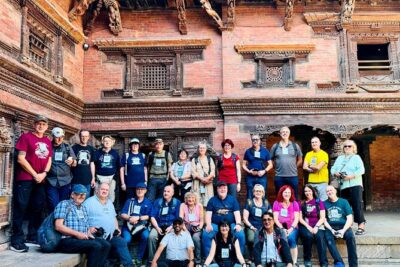 ★ 5.0Full Day Top 4 UNESCO Tour with Lunch – Private/GroupFrom $10269 reviews
★ 4.9Full-Day 7 UNESCO Tour with Lunch – Private/GroupFrom $5247 reviews
★ 5.0Full Day Top 4 UNESCO Tour with Lunch – Private/GroupFrom $10269 reviews
★ 4.9Full-Day 7 UNESCO Tour with Lunch – Private/GroupFrom $5247 reviews
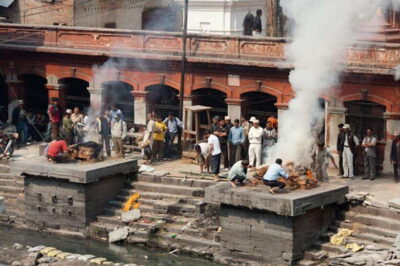 ★ 4.97 UNESCO Sites Tour in 1 Day (Private Tour)From $4204 reviews
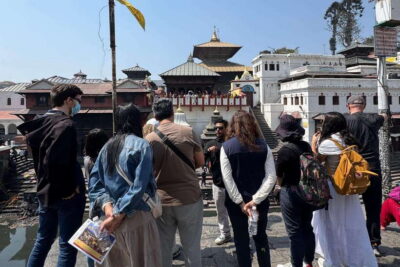 ★ 4.9Top 4 UNESCO Tour with Lunch – Private/GroupFrom $5181 reviews
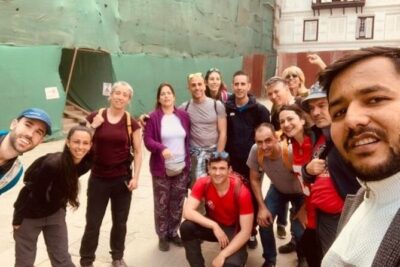 ★ 5.0Kathmandu Private Sightseeing Tour | UNESCO World Heritage SitesFrom $35109 reviews
★ 5.0Full Day 7 UNESCO Tour with Lunch – Private/GroupFrom $5101 reviews
★ 5.0Kathmandu Private Sightseeing Tour | UNESCO World Heritage SitesFrom $35109 reviews
★ 5.0Full Day 7 UNESCO Tour with Lunch – Private/GroupFrom $5101 reviews
Browse the lists this tour appears in