
REVIEW · KATHMANDU UNESCO HERITAGE TOURS
Kathmandu Private Sightseeing Tour | UNESCO World Heritage Sites
UNESCO sites in Kathmandu, without the stress. This private sightseeing tour lines up major spiritual and royal landmarks across the Kathmandu Valley, with an experienced English-speaking guide and comfort on the ride between stops.
I really like the easy pickup from Thamel and the fact that the route can be adjusted, so you are not locked into a sprint. The one thing to watch is budgeting, since monument entrance fees and lunch are not included, and a full 7-site day can feel long.
Key Highlights You Will Care About
- Thamel hotel pickup with a private AC vehicle, so you start and end smoothly
- English-speaking city guide who explains what you are seeing and answers questions
- Four-site or seven-site UNESCO options, with built-in flexibility
- A full day from roughly 8 to 10 hours, which is perfect if you like a packed itinerary
- All government taxes and official expenses included, but monument fees are separate
- Bottle mineral water provided, helpful when you are doing hilltop and courtyard walking
Why This One-Day UNESCO Route Feels Like a Smart Use of Time
Kathmandu can be overwhelming fast. Streets are busy, and UNESCO sites are spread out. This tour works because it is designed for one day, with a private vehicle and a guide who can connect the dots between temples, palace squares, and stupa culture.
You basically get two travel styles in one option. If you prefer slower and more focused, you can choose a walking-friendly approach that starts in the old-city area. If you want the full highlights, you can pick the longer UNESCO plan and cover big hitters across the valley in comfort.
One more practical win: you are not trying to coordinate multiple taxi rides or negotiate your own route. In a place where traffic can be unpredictable, having a driver and an experienced guide helps you keep your momentum.
You can also read our reviews of more private tours in Kathmandu
Price and Logistics: What $35 Covers, What It Does Not
The headline price is $35.00 per person for a private sightseeing tour in Kathmandu, with an approximate duration of 8 to 10 hours. That is a strong starting point, especially because the tour includes government taxes and official expenses, plus a private car with AC and bottled mineral water.
But here is the part you should budget for up front. Monument entrance fees are not included, and they vary by the number of UNESCO sites you choose:
- 1200 Nepali Rupee for 2 UNESCO sites
- 2600 Nepali Rupee for 4 UNESCO sites
- 6000 Nepali Rupee for 7 UNESCO sites
Also not included: lunch and tips for the guide and driver. In other words, the $35 gets you the core experience and transport, while the entrance fees decide how “complete” the UNESCO day becomes.
My advice: if you hate surprise costs, plan your day budget like this. Start with the $35, add the entrance fee that matches your UNESCO count, then add a realistic lunch amount plus a tip. This tour is good value, but it is not a full-cost, all-inclusive package.
Thamel Pickup and Private Vehicle Comfort
Your day begins with hassle-free pickup from your Thamel hotel. That matters more than it sounds. Thamel is where many visitors base themselves, and starting there saves you time and energy compared with meeting points elsewhere.
The tour is private, meaning it is only your group. That helps if you want your guide to pace the day around your interests, your photos, and your walking comfort. It also makes it easier to ask questions without getting swept along with a bigger crowd.
You will also have AC in the private vehicle. Kathmandu heat and traffic can drain you. AC does not make you immortal, but it does make those long stretches between sites feel more manageable.
Durbar Square, Living Goddess Kumari, and Buddha Park
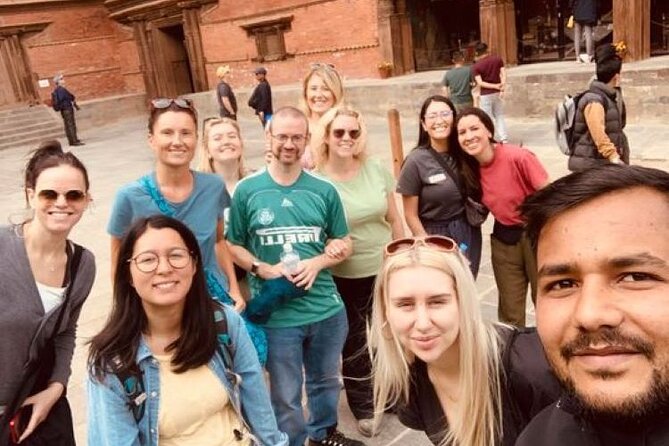
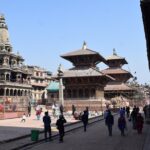
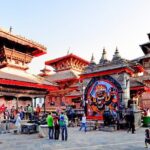
Kathmandu’s old royal core is where you get the “why Kathmandu matters” feeling fast. The tour typically starts at Kathmandu Durbar Square, also known as Basantapur Durbar, home to Hanuman Dhoka Palace and a UNESCO World Heritage site.
This is not just a pretty square. Palace courtyards in Kathmandu are layered with power, religion, and daily life in a way that you will feel even if you do not know all the names yet. You are walking through space that has been curated over generations.
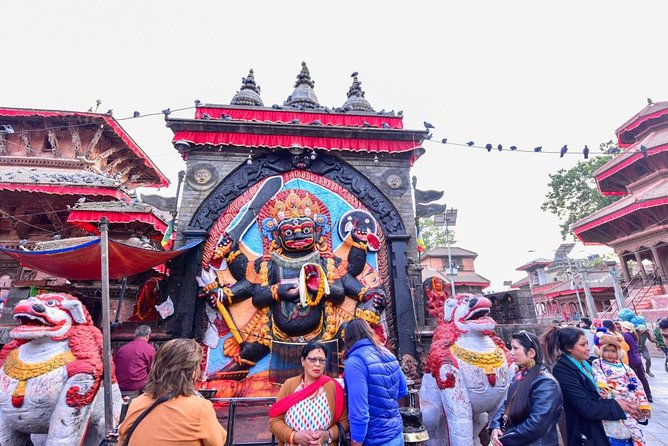
In the same area, the tour includes Living Goddess Kumari as a stop. Even if you only catch glimpses from outside, it is a reminder that Kathmandu’s sacred traditions are not museum-only. The city’s spiritual life is still active.
Then you will move to the Famous Buddha Park, where you can see giant Three Buddha statues. This stop is useful if you want a change of pace from palace architecture. It is also a good photo target because the statues are designed to be seen clearly from different angles.
Time tradeoff: Durbar Square and the nearby sights are busy, and walking through courtyards takes stamina. The upside is that you get a dense hit of heritage early, so the rest of the day feels purposeful.
Swyambhunath: Monkey Temple Views From the Hilltop
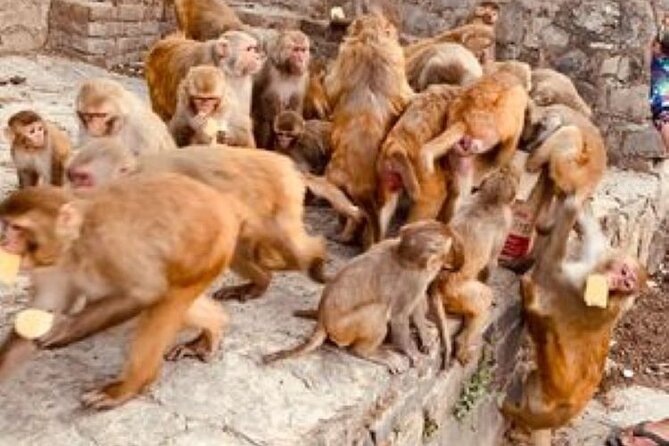
Next comes Swaymbhunath, an ancient stupa complex perched on a hilltop. Globally, you will hear it called the Monkey Temple, and yes, the monkeys are part of the atmosphere.
Swaymbhunath is famous for its many small stupas, but the real signature is the main stupa with Buddha’s eyes. That eye motif is a great example of why a guide matters. You might notice details on your own, but with context you tend to see more in the same time.
The stupa sits in a setting that feels like a living viewpoint. As you look around from the hill, you start to understand the Kathmandu Valley as a cluster of sacred spots rather than separate destinations.
One consideration: hilltop sites can be tiring. Even with a guide and a planned schedule, expect stairs and uneven walking. If you are sensitive to heights or crowds, tell your guide early so they can adjust pacing.
You can also read our reviews of more historical tours in Kathmandu


Pashupatinath Temple and Guhyeshwari: Shiva Pilgrimage Energy
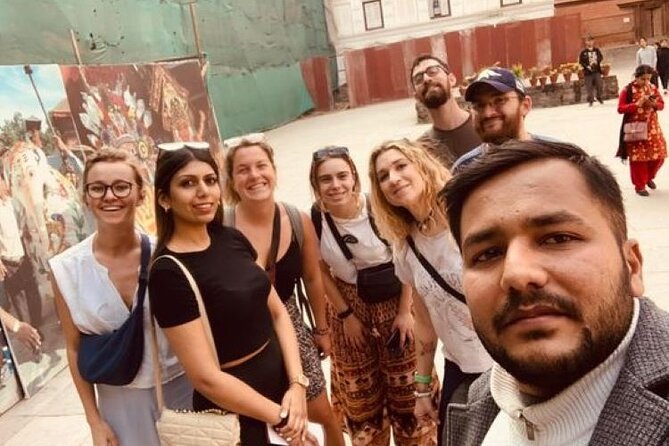
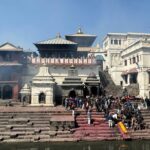
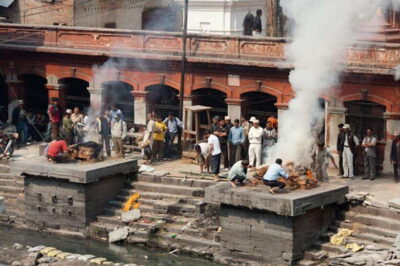
Pashupatinath Temple is one of Nepal’s best-known Hindu pilgrimage sites and a UNESCO World Heritage site. It is also close to the international airport area, so it is logically placed within a long day.
This stop carries a lot of atmosphere. It is the kind of place where you can feel that religion here is not a side activity. It is a daily rhythm tied to the temple grounds and the wider river landscape (even if you keep your focus on the main structures).
The tour also includes Guhyeshwari Temple. When a route adds an extra temple like this, it is usually because the guide wants you to connect the dots across the broader religious system, not just check a single landmark.
Practical note: temple areas often have dress expectations and rules about where you can stand or photograph. The tour includes a guide, so lean on them for how to behave respectfully and what areas are best to view.
Boudhanath Stupa: Big Spherical Serenity
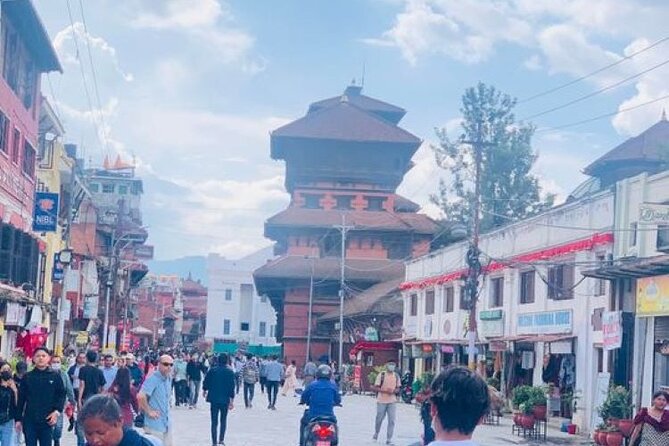
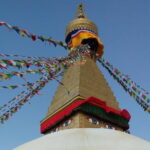
Boudhanath Stupa is a must for a UNESCO-focused day. It is described as the largest spherical stupa in the world and is a UNESCO World Heritage site built around the 5th century.
This is the type of site where you understand Buddhism through motion. People come, pause, and repeat rituals in patterns that feel calm and purposeful. Even if you are not into formal practice, you can still read the place: it is designed for sustained attention.
If you do the seven-site version, Boudhanath is a smart “balance” stop between busier palace architecture and other pilgrimage intensity. It gives you a visual anchor and a more open space for slowing down.
Time tradeoff: it is easy to spend longer than planned because the atmosphere invites lingering. Your guide’s pacing helps here, especially when the day is already long.
Patan Durbar Square and the Kathmandu Valley Craft Focus
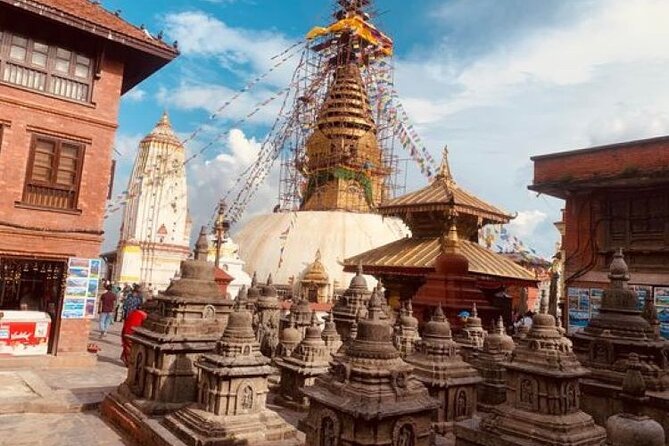
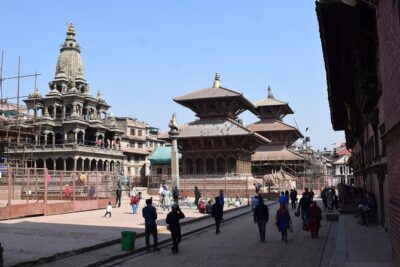
Then you head to Patan Durbar Square in Lalitpur. The tour frames it as a major attraction of Kathmandu Valley, packed with Buddhist and Hindu monuments and palace squares under UNESCO status.
Patan’s appeal is that it often feels more craft-focused and slightly different in tone from Kathmandu’s Durbar Square. You still get royal courtyard vibes, but you tend to notice distinct styles in woodwork, stone carvings, and the way entrances frame sacred space.
This is a strong stop if you like architectural detail and want the guide to explain what you are looking at. If you want to understand Kathmandu Valley as a connected heritage region, Patan helps you see it.
If you are doing the four-site version, Patan is a likely highlight because it gives you a lot of heritage density without requiring extra travel time beyond the valley route.
Bhaktapur Durbar Square and Changu Narayan for Extra Old-World Flavor
The tour can include Bhaktapur Durbar Square, also known as Khopa Lyaku, a royal palace space tied to the Bhaktapur kingdom. It sits at 1350 meters above sea level and is known for architectural features like octagonal pillars.
If you like photo stops with atmosphere, Bhaktapur does the job. It tends to feel more “heritage-slow” than some of the busier city intersections, and a guide can help you notice why the details matter.
From there, the itinerary may include Changunarayan (Changu Narayan), an ancient Hindu temple on a hilltop. It is described as one of the oldest temples in the valley, known for distinctive construction and for being important to Hindu religious beliefs.
This stop is also a good reality check for travel stamina. Hilltop temples are scenic and rewarding, but they also demand a bit of climbing and steady attention to where you step.
If you are trying to do seven UNESCO sites in one day, this is where the “virtually exhausting” feeling can kick in. The upside is that it is also where the trip becomes a genuine once-per-visit achievement.
Timing, Rain, and Traffic: How the Best Guides Save the Day
Kathmandu is a place where plans meet weather and roads. One of the standout positives from the experience is how the day can still work even when conditions get messy.
I like that the tour leadership has a track record of making adjustments. In one case, a guide named Manoj helped a group keep the itinerary moving despite rain and challenging traffic, managing to complete six UNESCO sites using smart guidance. That tells you the tour is not only about routes on paper. It is about handling the real-world Kathmandu stuff.
Another guide named Santos came through for a group that chose the four-site option. That choice made sense because it reduced rushing and left more time for a calmer experience, with lots of patient explanations along the way.
My practical advice: if you want the day to feel enjoyable rather than frantic, choose four UNESCO sites unless you are confident you can handle a long day of walking, waiting, and driving.
What You’ll Learn in Real Time From the Guide
This is the part that makes a UNESCO day feel worth it. The included guide is English speaking and there to interpret what you see, not just point.
When your guide explains the role of places like Hanuman Dhoka and Kumari, you start to connect royal Nepal and living spiritual traditions. When they point out Buddha’s eyes at Swyambhunath or discuss the meaning of Boudhanath, you stop treating temples like static photo backgrounds.
And when they cover multiple Durbar Squares and stupa sites in one route, you end up seeing patterns in Kathmandu Valley heritage. It becomes a story instead of a checklist.
If you get a guide like Manoj or Santos, you will likely get clear answers and a pacing style that respects how your day is going.
Best Fit: Who This Tour Suits
This tour fits best if you:
- Want maximum UNESCO value in one day
- Like having a plan but still want personalization
- Stay in Thamel and want easy pickup
- Prefer comfort while moving between far-apart landmarks
You might choose a different approach if you:
- Hate long days and lots of walking
- Want lunch and entrance fees fully included in the price
- Are very sensitive to crowds at busy sacred sites
Simple Tips to Make the Day Easier
Bring a small water and snack plan in your mind, even though the tour includes bottled water. You do not need to overpack, but having a backup helps when stops run a bit longer.
Wear shoes that handle uneven surfaces, temple stairs, and courtyard cobbles. Kathmandu heritage sites look amazing, and they are also physically demanding.
If you care about photos, ask your guide when the best light or viewing angles happen on each stop. Even without exact timing details, guides often know how crowds shift through the day.
Should You Book This UNESCO Kathmandu Private Tour?
If you want a focused one-day overview of Kathmandu Valley’s most important UNESCO sites, this private tour is a strong choice. The value is solid because transport with AC, pickup from Thamel, taxes included, and an English-speaking guide are all built into the base price.
I would book the four UNESCO option if you want more breathing room and less fatigue. I would book the seven UNESCO option only if you are comfortable with a packed schedule and you want that big accomplishment day, even if it means fewer lingering moments at each place.
If you like planning with flexibility, this tour’s private format and guide-led pacing make it easier to adjust in real time when weather or traffic changes.
FAQ
How much does the Kathmandu private sightseeing tour cost?
It is priced at $35.00 per person.
How long is the tour?
The duration is listed as 8 to 10 hours (approx.).
Where does pickup happen?
Pickup is offered from your Thamel hotel.
Is this tour private or shared?
This is a private tour/activity, and only your group will participate.
What is included in the price?
Included items are an English-speaking city tour guide, all government taxes and official expenses, full day sightseeing by private car with AC, and bottled mineral water.
Are monument entrance fees included?
No. All monuments entrance fees are not included. The tour provides fee costs depending on the UNESCO count: 6000 Nepali Rupee for 7 UNESCO, 2600 for 4 UNESCO, and 1200 for 2 UNESCO.
Is lunch included?
No. Lunch is not included.
Can I choose how many UNESCO sites to visit?
Yes. You can choose a plan that covers four or even seven of the city’s UNESCO World Heritage Sites, and there is also an option for a walking tour of Durbar Square and Thamel.
What if the weather is poor?
The experience requires good weather. If it is canceled due to poor weather, you will be offered a different date or a full refund.
What is the cancellation policy?
Cancellation is free, and you can cancel up to 24 hours in advance for a full refund. If you cancel less than 24 hours before the start time, you will not receive a refund.
More Private Tours in Kathmandu
More Tours in Kathmandu

More Tour Reviews in Kathmandu
Not for you? Here's more nearby things to do in Kathmandu we have reviewed


Kathmandu UNESCO Heritage Tours, compared.
 ★ 5.0Private Kathmandu Sightseeing Tour | UNESCO World Heritage sitesFrom $17756 reviews
 ★ 5.0Full Day 7 UNESCO Tour with Lunch – Private/GroupFrom $10415 reviews
 ★ 5.0Full Day Top 4 UNESCO Tour with Lunch – Private/GroupFrom $10269 reviews
 ★ 5.0UNESCO Seven World Heritage Tour in KathmanduFrom $180253 reviews
★ 4.9Full-Day 7 UNESCO Tour with Lunch – Private/GroupFrom $5247 reviews
★ 5.0UNESCO Seven World Heritage Tour in KathmanduFrom $180253 reviews
★ 4.9Full-Day 7 UNESCO Tour with Lunch – Private/GroupFrom $5247 reviews
 ★ 4.97 UNESCO Sites Tour in 1 Day (Private Tour)From $4204 reviews
 ★ 4.9Top 4 UNESCO Tour with Lunch – Private/GroupFrom $5181 reviews
★ 5.0Full Day 7 UNESCO Tour with Lunch – Private/GroupFrom $5101 reviews
★ 4.9Top 4 UNESCO Tour with Lunch – Private/GroupFrom $5181 reviews
★ 5.0Full Day 7 UNESCO Tour with Lunch – Private/GroupFrom $5101 reviews
Browse the lists this tour appears in