
REVIEW · KATHMANDU UNESCO HERITAGE TOURS
Kathmandu Top 4 or 2 UNESCO World Heritage Sites Day Tour
Four UNESCO sites, one well-run Kathmandu day. This tour is built around hotel pickup and a tight UNESCO route, so you spend less time figuring out logistics and more time understanding what you are seeing. I also like that you get hands-on culture stops, a thangka painting school and a singing bowl demonstration, not just temple photo stops. The main drawback is that UNESCO entrance fees are not included, so you need to budget a little extra, and the schedule stays time-efficient rather than slow.
You are looking at about 5 to 7 hours, carried by car with a professional guide and bottled water included. It also works well if you want a private experience, because your guide can adjust to your interests and keep time for questions. In past groups, guides such as Prakash Aryal and others have been called out for making the day feel smooth and informative.
Key Things I’d Plan Around
- Hotel door-to-door pickup and drop-off: you avoid street-hunting in Kathmandu traffic.
- Four UNESCO stops in one day: Pashupatinath, Boudhanath, Swayambhunath, and Patan Durbar Square.
- Craft time that is actually scheduled: thangka painting school plus a singing bowl demonstration.
- Time to ask questions: a private format helps your guide explain at your speed.
- Extra UNESCO entrance fees: plan for those at each site bundle.
- Guides like Prakash show up often: review feedback highlights strong guiding and flexibility.
Why This UNESCO Day Tour Works in Kathmandu Valley
Kathmandu Valley can feel like information overload fast. Streets are busy, religious sites have their own rhythms, and the stories behind what you see are not obvious unless someone ties it together for you. This is why a guided day like this is such good value. You move between major UNESCO World Heritage Sites without getting lost, and you are not just collecting landmarks, you are getting context.
I also like that the tour includes two culture components that are easy to miss if you are on your own: a thangka painting school visit and a singing bowl demonstration center. That matters because it connects the sites to living artistic traditions. You get to see how craft and ritual practices are taught, and you can ask questions while you are there.
One more practical point: the pacing is built to fit within a single day. That is great if you have limited time in Nepal, but it also means you should not expect a slow, linger-at-every-corner kind of day.
You can also read our reviews of more historical tours in Kathmandu
Getting Picked Up Right at Your Door, Then Riding Efficiently
The biggest “day-saver” here is logistics. Your driver meets you at your hotel door for pickup, and you get drop-off back at your hotel afterward. That cuts out the most annoying part of Kathmandu sightseeing, which is trying to coordinate transportation while also keeping track of where you are supposed to be next.
The tour runs about 5 to 7 hours, by car, and it is designed for a group format that stays limited to your group. You also get a mobile ticket, which generally makes check-in smoother than printed tickets.
In terms of how it feels, you are basically doing two things all day: seeing four UNESCO sites plus one culture-and-craft segment, all with a professional guide talking you through what matters. A driver and guide pairing can make a difference in a city where roads and timing can change quickly. One review response even mentioned a driver named Niroj, along with compliments about professionalism and calm handling.
Stop 1 Pashupatinath Temple: Shiva Devotion, Riverbank Atmosphere, and Respectful Viewing
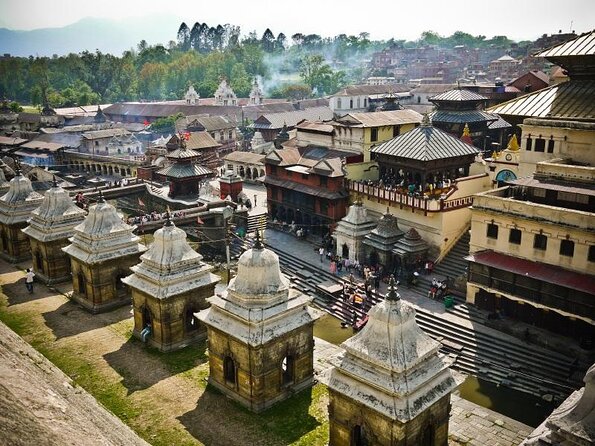
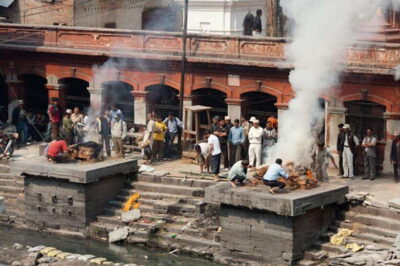
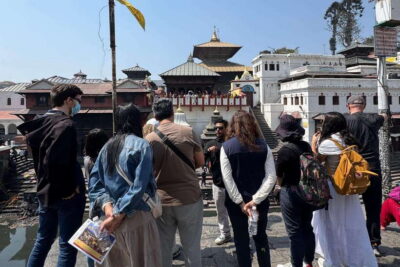
Pashupatinath Temple is the first major stop, and it is located on the eastern side of Kathmandu Valley along the Bagmati River. It is devoted to Lord Shiva, and it is one of Nepal’s most significant Hindu sacred sites. Your time here is about 2 hours, and the entrance ticket is not included in the tour price.
What I’d watch for at this stop is that it can be emotionally and visually intense. The Bagmati Riverbank setting and the temple complex are closely tied to ceremony traditions, and one review highlighted the open cremation ceremony as a standout moment. If you feel sensitive to religious rites of any kind, this is the stop to mentally prepare for. The advantage of having a guide is that you are not just observing, you are understanding what you are looking at.
Practical tip for your time: use those 2 hours to do both, slow observation and question time. Temples are where it is easiest to misunderstand details if no one is explaining. With a guide, you can move between viewpoints efficiently without rushing the meaning.
Also, remember dress and behavior rules at sacred sites are important everywhere. When in doubt, choose conservative clothing and follow any on-site instructions from attendants.
Stop 2 Boudhanath Stupa: Tibetan-Influenced Culture and Big-Stupa Views
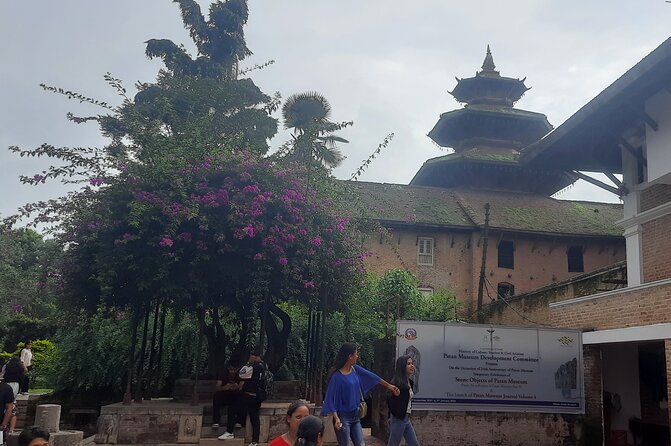
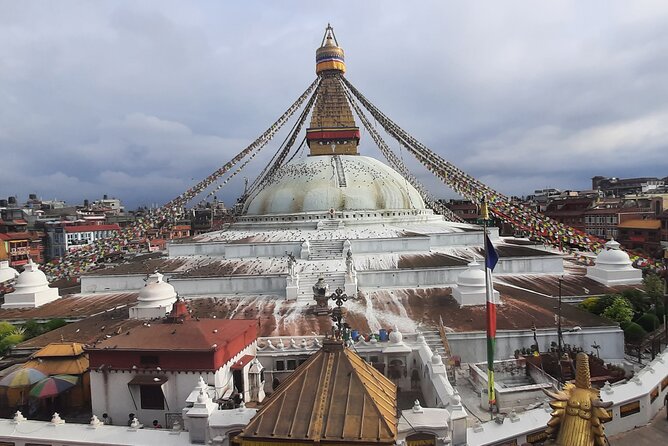
Next up is Boudhanath Stupa, with about 1 hour planned. This stupa sits in an area where many monasteries cluster around it, and the setting has a strong Tibetan cultural influence. The stupa itself and the surrounding monastery area make this stop feel different from the Hindu focus at Pashupatinath.
This is also a great place for a guided visit because the stupa is easy to look at, but harder to interpret. You can understand what makes Boudhanath special when someone explains the role it plays in Buddhist practice and the cultural influences shaping the area.
A one-hour stop sounds short on paper, but for a major site like this, it can work well. You get time to see the stupa, walk the surrounding area, and still keep the day moving toward the next UNESCO highlights. If you are the type who likes to take lots of photos, you may want to ask your guide how to balance photo time with understanding time.
As with other UNESCO stops here, entrance fees are not included in the base tour price.
Stop 3 Swayambhunath Monkey Temple: The Hill Climb and Why It’s Worth the Effort
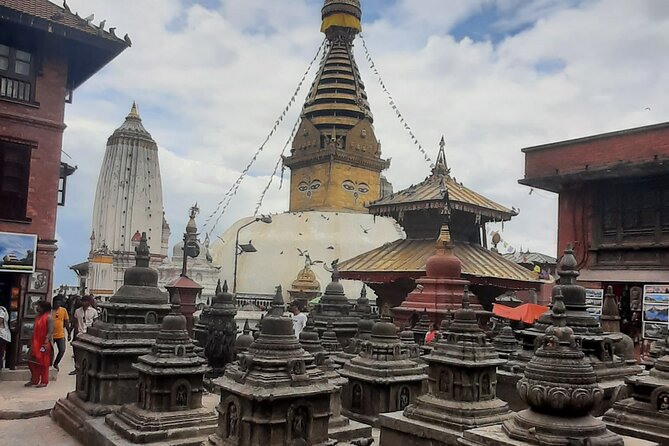
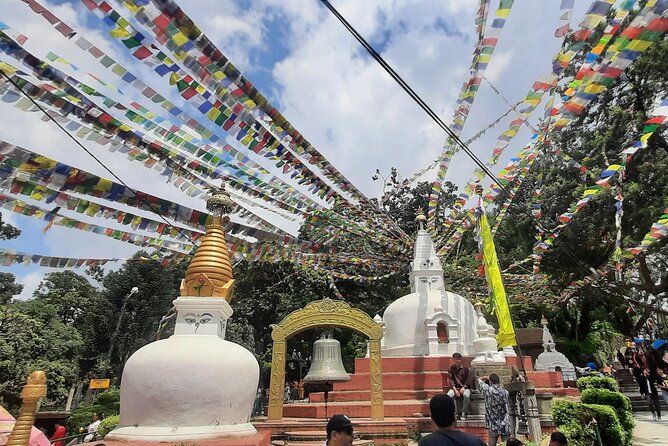
Swayambhunath, also known as the Monkey Temple, is next, with about 2 hours scheduled. The name is tied to the stupa on top of a hill, and you reach it by climbing a long set of stairs.
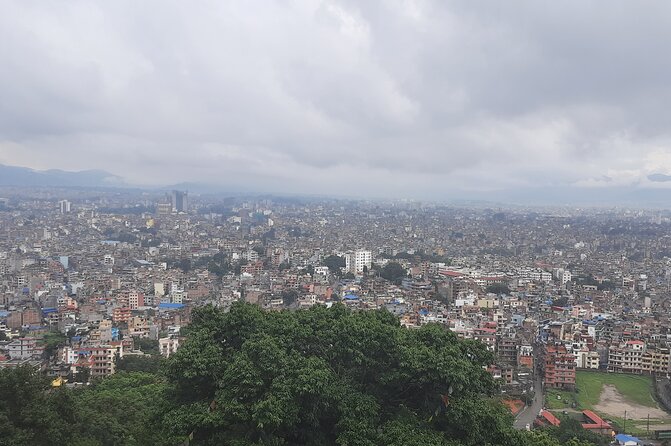
This stop is a classic Kathmandu experience. The climb changes your perspective: you start in city energy and gradually shift upward into a temple complex built for looking and thinking. Once you are up there, you get that feeling of seeing the valley from above, even though you are still surrounded by people and religious activity.
The main planning consideration here is physical effort and timing. Two hours is enough to climb, explore, and catch your breath, but you should know that the stairs are a real part of the experience. If stairs are a problem for you, tell your guide early so the visit can be managed at a comfortable pace.
Since admission tickets are not included, you will also want to budget for UNESCO entrance fees ahead of time so you do not lose time at the check point.

Stop 4 Patan Durbar Square: Newari Architecture, Malla-Era Craft, and a Strong Artistic Focus
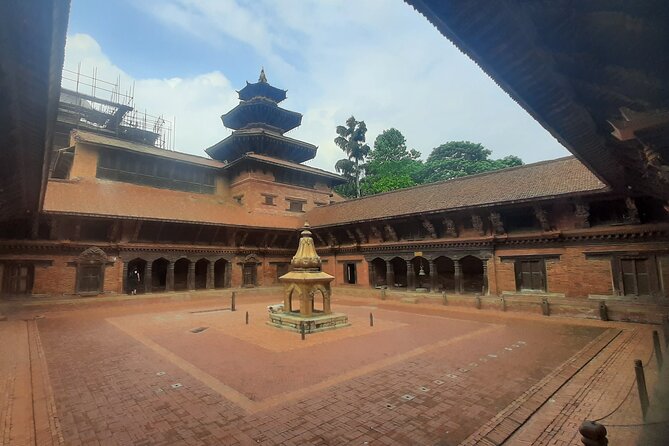
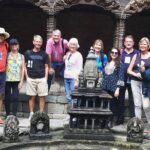
Patan Durbar Square is your final UNESCO stop, with about 1 hour planned. This area represents Newari architecture at a high point during the reign of the Malla kings, who were known for arts and architecture patronage. It is one of those places where the buildings feel like they are telling you how people lived, worked, worshipped, and celebrated.
I like this stop because it brings balance to the day. After the stupa-focused and temple-focused stops, Durbar Square gives you a more architectural lens. It is also where you can slow down just a little, because the site is packed with details that are easier to notice when your guide helps you identify what matters.
One review response mentioned highlights such as a palace and a Golden Temple within this area. That kind of detail is exactly why having a guide is valuable here. If you do not have someone pointing things out, it is easy to see the square as just more stone and forget what makes it historically important.
Again, entrance fees are not included, so plan for that.
Thangka Painting School and Singing Bowl Demonstration: The Cultural Bonus Most Days Skip
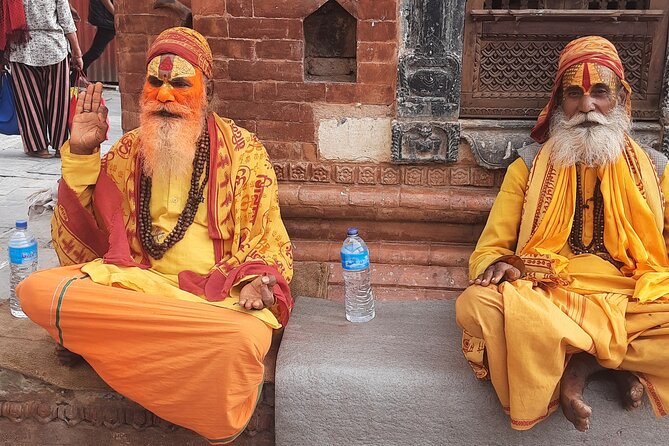
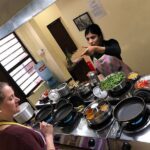
The tour’s standout “added value” is the cultural craft segment. You visit a thangka painting school and also a healing and singing bowl demonstration center.
Why this matters: UNESCO sites are spectacular, but they can feel disconnected from daily life if you only focus on monuments. Thangka painting and singing bowls are part of living traditions. Seeing them in a structured visit turns what could be a quick stop into something you can actually connect to the spiritual and artistic world you are seeing around you.
The thangka painting school visit gives you exposure to traditional arts. Even if you are not buying anything, it is the kind of experience that changes how you look at the religious imagery connected to these sites.
Then the singing bowl demonstration center shifts from visual art to sound and practice. You get a chance for a demonstration, and the tour is described as having behind-the-scenes access. In a private format, you also have time to ask questions, which is where craft visits like this really pay off.
One more practical note: in at least one review context, the guide made time for handicraft shops so people could browse and bring home memories. If souvenir shopping matters to you, this kind of built-in time can be better than trying to chase shops on your own after you are tired from a long day.
Price and Entrance Fees: Does $40 Really Cover It?
The tour price is $40.00 per person, and it is typically booked about 23 days in advance. Duration is around 5 to 7 hours.
Here is how to think about value. The tour fee includes transportation as per the itinerary, a professional guide, the visits to the thangka painting school and the singing bowl demonstration center, and bottled water (a bottle per person). That combination is doing real work for you. It covers the expensive part of most DIY days, which is coordinating transport plus paying for guided interpretation at multiple sites.
But the part you must plan for is UNESCO entrance fees. Entrance fee is listed as 4 UNESCO World Heritage Sites for $20.00 per person, and if only 2 sites are selected, it is $10.00 per person. Since admissions for individual stops are also marked as not included, budget accordingly.
So your “real day” cost is closer to $60 per person if you do all four UNESCO stops. Even at that total, it can still be good value because you are paying for guide time, car transport, and two organized culture visits, not just a taxi ride between monuments.
Who Should Book This Tour, and Who Might Not
This tour is a strong fit if you:
- have limited time in Kathmandu and want a concentrated UNESCO day
- prefer a guide so you understand the meaning of what you see, not just what it looks like
- like cultural extras, thangka painting and singing bowls, not only temples and squares
- want the convenience of hotel pickup and drop-off
It is also a good option if you are traveling in a group and want a private experience with your own guide, since the tour is described as private with only your group participating.
You might choose differently if you:
- want a slow, unhurried day with lots of independent wandering
- do not want to see religious ceremonies connected to Pashupatinath, since that stop can include intense ritual activity
- have mobility limitations that make stairs difficult, especially at Swayambhunath
For many people, the best strategy is simple: book this if you want structure and context, and then choose how much time you spend asking questions versus taking photos at each stop.
Should You Book This Kathmandu UNESCO Day Tour?
If you like your sightseeing organized and explanatory, I’d book it. The combination of multiple UNESCO sites in one route, plus scheduled craft visits (thangka painting and singing bowls), is a smart way to get more than just landmark snapshots in a single day.
Before you say yes, do the quick budget math. Factor in the UNESCO entrance fees for either 2 or 4 sites, and plan what you will do with the extra time at sacred sites. If you are sensitive to seeing open cremation ceremonies, go into Pashupatinath with your expectations set. And if stairs are an issue, mention it early so your guide can pace the Swayambhunath climb comfortably.
Overall, this is the kind of day tour that feels efficient without feeling like you are rushing blindly. You get transport, a guide, and culture stops that add real depth for the time you have.
FAQ
Which UNESCO sites are included on this tour?
The tour includes Pashupatinath Temple, Boudhanath Stupa, Swayambhunath, and Patan Durbar Square.
How long does the Kathmandu UNESCO day tour take?
The duration is approximately 5 to 7 hours.
Is hotel pickup and drop-off included?
Yes, pickup and drop-off are included, and the driver meets you at your hotel door.
Does the tour include entrance tickets for the UNESCO sites?
No, entrance tickets are not included. UNESCO entrance fees are listed separately.
What UNESCO entrance fees should I expect?
For 4 UNESCO World Heritage Sites, the fee is listed as $20.00 per person. If only 2 sites are visited, the fee is listed as $10 per person.
Are meals included?
No, food is not included.
What activities are included besides the UNESCO sites?
You visit a thangka painting school and also a healing and singing bowl demonstration center.
Is bottled water included?
Yes, bottled water is included, with one bottle per person.
Is this tour private?
Yes, it is private, meaning only your group participates.
More Historical Tours in Kathmandu
More Tours in Kathmandu
More Tour Reviews in Kathmandu
Not for you? Here's more nearby things to do in Kathmandu we have reviewed


Kathmandu UNESCO Heritage Tours, compared.
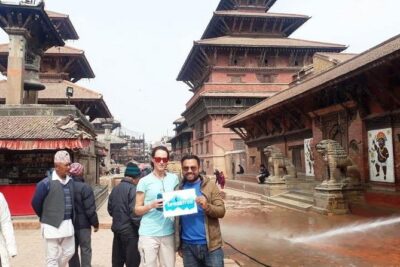 ★ 5.0Private Kathmandu Sightseeing Tour | UNESCO World Heritage sitesFrom $17756 reviews
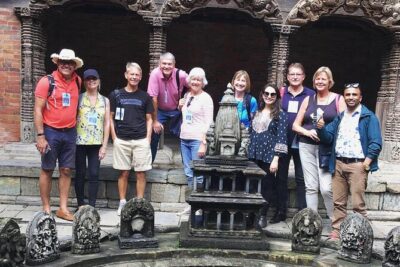 ★ 5.0Full Day 7 UNESCO Tour with Lunch – Private/GroupFrom $10415 reviews
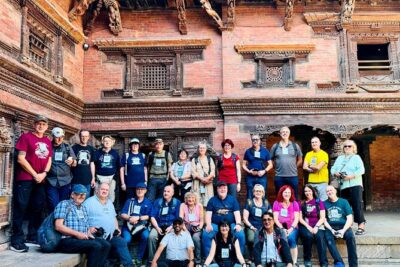 ★ 5.0Full Day Top 4 UNESCO Tour with Lunch – Private/GroupFrom $10269 reviews
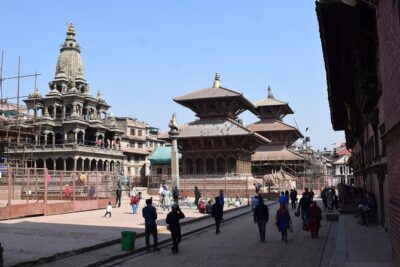 ★ 5.0UNESCO Seven World Heritage Tour in KathmanduFrom $180253 reviews
★ 4.9Full-Day 7 UNESCO Tour with Lunch – Private/GroupFrom $5247 reviews
★ 5.0UNESCO Seven World Heritage Tour in KathmanduFrom $180253 reviews
★ 4.9Full-Day 7 UNESCO Tour with Lunch – Private/GroupFrom $5247 reviews
 ★ 4.97 UNESCO Sites Tour in 1 Day (Private Tour)From $4204 reviews
 ★ 4.9Top 4 UNESCO Tour with Lunch – Private/GroupFrom $5181 reviews
 ★ 5.0Kathmandu Private Sightseeing Tour | UNESCO World Heritage SitesFrom $35109 reviews
Browse the lists this tour appears in