

REVIEW · HISTORICAL TOURS
Kathmandu Cultural Tour – Kathmandu Valley Sightseeing Tour
Half-day days can pack big meaning. This Kathmandu Valley cultural tour strings together four UNESCO sites with a guide who explains what you are seeing. It is an efficient way to get your bearings without burning time hunting buses or ticket lines.
I like that it is truly private, with hotel pickup and drop-off plus a dedicated vehicle. You can focus on the places, not on logistics, and the guide helps you connect the dots between Buddhist and Hindu traditions.
One thing to watch: entry fees are not included, and one account I saw described a driver acting more like a taxi than a guide. If your guide time matters to you, confirm that the plan is fully explained at every stop, especially at Pashupatinath.
Key highlights worth planning around

- Four UNESCO World Heritage sites in one compact route across Kathmandu and Patan
- Private vehicle and pickup/drop-off, which saves energy on a tight schedule
- Swayambhunath views plus Monkey Temple energy, including that short walk to the top
- Boudhanath stupa rhythms, with prayer wheels and Tibetan Buddhist atmosphere
- Pashupatinath’s Bagmati River rituals, where you can choose how closely to watch
- Patan Durbar Square for an easier ending, with architecture, a museum, and time to stroll
A 5 to 6 hour UNESCO sprint through Kathmandu Valley

This tour is built for people who want major Kathmandu Valley landmarks in one go. The total time is about 5 to 6 hours, and each stop has a set window, so you can plan your day without guessing.
That fixed pacing is a big deal in Kathmandu. Traffic and timing can shift fast, but a pre-set route helps you avoid the classic problem of “we’ll get around to it later.” If you are short on time, it also keeps you from overextending, since you are not trying to cram all four UNESCO sites into a full-day marathon.
It is also a smart format for first-timers. You start with a viewpoint and a spiritual “welcome” at Swayambhunath, then you move from Buddhist settings to a Tibetan Buddhist center, and finally you reach the Hindu centerpiece at Pashupatinath before easing into the historic Patan square. In one afternoon, you get a better sense of how the city’s religions, art, and daily life fit together.
You can also read our reviews of more historical tours in Kathmandu

Price and value: what $78 really covers
At $78 per person, this is not trying to be the cheapest option. It is positioned as an organized, private half-day with real on-the-ground help.
Here is what the price includes:
- Hotel pickup and drop-off
- Transport by private vehicle
- Driver/guide
- Bottled water (1 bottle)
So you are paying for time saved and reduced stress. Instead of paying your own way around, coordinating rides, and trying to interpret temples without context, you get someone to help you understand what matters at each stop.
What is not included:
- Entry fees to World Heritage sites
- Personal expenses
That last part can add up, depending on current ticket costs at each UNESCO site. You can still get good value because the tour bundles the hard part (transport and a guide) into one price, but you should budget extra cash for tickets.
One more practical note: this is sold as a mobile ticket experience, so you should keep your phone handy and charged for confirmation and any check-in steps.
Stop 1: Swayambhunath Monkey Temple and the first great view
You begin at Swayambhunath, perched on a hill. The approach includes a short 5-minute walk to reach the summit area, then you get rewarded with a wide panoramic view of Kathmandu.
This is one of those places where your brain clicks into “this is Nepal” fast. The site is an ancient Buddhist stupa complex, often called the Monkey Temple. The mix of shrines, temples, and religious symbolism creates a sense of depth even before you start reading the details.
And yes, the monkeys are part of the story. At Swayambhunath, they are not just background animals, they are woven into the mythology and the visitor experience. If you like people-watching, this stop gives you a steady flow of activity without feeling chaotic.
Two practical considerations:
- Admission is not included, so plan for the ticket cost on arrival or whatever payment method the site uses.
- The walk is short, but you are still going up to a hilltop. If you are sensitive to stairs or uneven footing, wear grippy shoes and give yourself time at the start so you are not rushed right into the viewpoints.
I also like using Swayambhunath as a first stop because it helps you orient for the rest of the day. Once you see the city from above, Boudhanath and Patan feel less like random locations and more like parts of a connected valley.
Stop 2: Boudhanath Stupa, Little Tibet calm and prayer-wheel focus

Next comes Boudhanath Stupa, one of the most recognizable Tibetan Buddhist sites in Kathmandu. The tour time here is about 1 hour, which is enough to see the stupa, watch the ritual activity, and get a feel for the area.
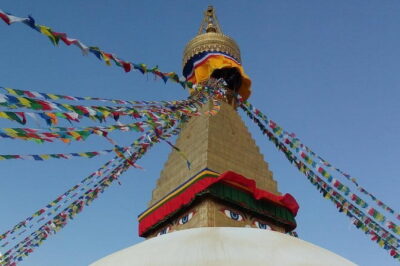
Boudhanath is described as the largest Tibetan stupa in the world, and it shows. The scale is impressive, but the real draw is the atmosphere: monks chanting, prayer wheels in motion, and a slower, more contemplative rhythm than you might feel elsewhere in the city.
The neighborhood around Boudhanath is often called Little Tibet, and you can feel that identity in how people move through the space and how they engage with the stupa. The experience is different from Swayambhunath in tone. Swayambhunath gives you views plus a lively mythic vibe. Boudhanath leans toward calm focus and ritual repetition.
Practical tips for this stop:
- Expect crowds at peak times, especially around ritual hours, even though the overall mood stays peaceful.
- Admission is not included, so keep that in mind for budgeting.
- If you prefer photos, you will want a moment where you can stand still without constantly getting jostled. Going slow helps.
This stop is a nice reset. After the hilltop viewpoint, Boudhanath gives you a different way to “read” Kathmandu’s spirituality, less about panoramic drama and more about daily practice made visible.
Stop 3: Pashupatinath Temple at the Bagmati River, powerful and optional
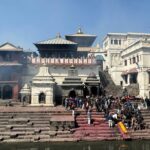
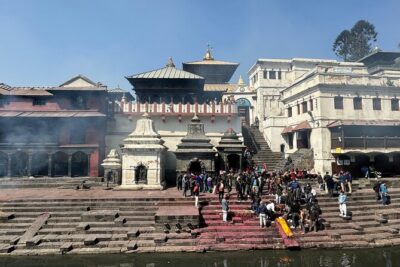
Then you reach Pashupatinath Temple, another UNESCO site and one of the most significant religious places for Hindus. The tour allots 1 hour here, which can feel short given how much meaning is packed into every corner.
What makes Pashupatinath especially notable is its connection to cremation rituals along the Bagmati River. The tour context matters: these rituals are performed openly, and for some visitors they offer profound insight into life and spirituality. For others, the openness can feel intense or unsettling.
Here is the key point for your comfort: you can choose whether you want to observe that aspect. You do not have to watch anything you find too hard. You can spend your time on temple details, river views, and the general sacred setting, while keeping your boundaries.
That flexibility is important. It also makes this stop more “human” as a travel experience. You are not being forced into one kind of reaction. You can engage with the spiritual atmosphere in a way that fits you.
A practical warning, based on an issue I saw described in an account of a poor day: if your guide role is weak, Pashupatinath can become confusing. The site can be intense, and you will benefit from clear, respectful guidance about what to look for and what to avoid. If the plan depends on a driver only, you may end up moving between points without context.
So if you value explanations, I suggest you ask up front for active guidance at Pashupatinath, not just transportation. For many people, that is the difference between a “temple stop” and a “life insight” stop.
Admission is not included here either, so again, budget for tickets.

Stop 4: Patan Durbar Square, 17th-century art and a gentler finish

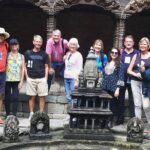
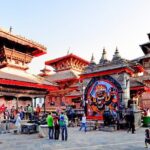
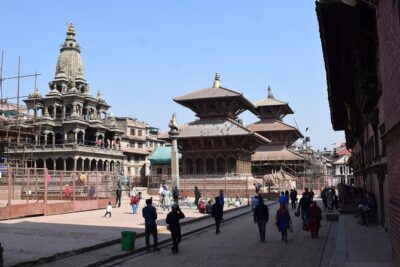
You end in Patan Durbar Square in Patan (Lalitpur). This is one of three historic royal squares in the Kathmandu Valley, and the focus here shifts toward architecture, museum context, and slower strolling.
The allotted time is about 2 hours, which works well for a calm ending. You get time to walk the square at an easy pace and look closely at the 17th-century architecture. The square also includes a museum area, which helps you connect the art and design to traditional life.
This stop is especially good if you like cultural details. The mix of stonework, temple elements, and the overall layout gives you a sense of what royal power and craftsmanship looked like before modern Kathmandu expanded.
There is also a small practical bonus for your energy level. Patan is often easier to savor at the end of the day because you can take breaks without feeling like the clock is swallowing you. The tour description even suggests a relaxed finish, like finding a cup of Patan tea as you stroll.
Admission is not included here either, so plan for entry fees as part of your total “trip cost.”
Guide quality and vehicle logistics: how to make it truly private
The tour advertises private touring, and in practice that should mean you are not shuffled into a big group schedule. You should get your own vehicle, pickup and drop-off, and a driver/guide who can tailor explanations to your questions.
But private does not automatically mean fully guided. One account I saw described a day where the person felt they had mostly a driver, with little commentary and fewer than expected stops. They also described asking for guidance at Pashupatinath.
I am not saying that is the norm. I am saying it is worth doing two things before you go:
- Clarify that you will have guide explanations at each site, not just transport.
- Confirm the planned number of stops and timing, since the tour has a clear structure for four UNESCO locations.
If you communicate early, you reduce the chance of a “taxi day.” In Kathmandu, where sites can be intense and confusing, good guidance is not a luxury. It is what turns sightseeing into understanding.
On the vehicle side, pickup and drop-off are included, which is the real relief. You do not have to coordinate multiple rides or try to figure out where to meet again. A private car also cuts down on stress when you are balancing temple walking and waiting for entrances.
What to wear and how to pace the day

This is a religious and heritage route, so dress and movement matter. You should plan for time spent standing, walking short distances, and moving between temple areas.
A few practical choices that keep the day smooth:
- Wear comfortable shoes for short climbs and uneven ground.
- Bring a light layer if mornings or evenings feel cool, since Kathmandu weather can change.
- Keep your phone charged for the mobile ticket and for photos.
- Expect crowds in peak periods, especially at Swayambhunath and Boudhanath.
Because admission fees are not included, you also want to carry what you need for tickets and any small purchases. Bring some cash as a backup if payment options are limited on site.
Finally, respect that two of the stops involve very serious religious settings. At Pashupatinath, you can choose how you engage, but you still should move calmly and watch what locals do.
Which traveler should book this Kathmandu Valley tour
This tour fits best if you:
- Are seeing Kathmandu for the first time and want a fast orientation to UNESCO sites
- Prefer the comfort of hotel pickup and private transport
- Want a guide to explain the meaning behind Buddhist and Hindu landmarks
- Have limited time and do not want to piece together separate trips
It is less ideal if you:
- Want a fully flexible day with extra stops and no fixed timing
- Are hoping entry fees are included
- Have very strong needs around specific ritual viewing, where you need extra care and reassurance about your comfort
If you do book, do it with a simple mindset: ask for active guidance, carry ticket money, and treat this as a focused sampler. You will get a lot of Kathmandu Valley in one half-day, and you will know what to explore more deeply on your next trip.
Should you book it? My decision guide
Book this Kathmandu Cultural Tour if you want an efficient, guided route across Swayambhunath, Boudhanath, Pashupatinath, and Patan Durbar Square without managing transport yourself. The included pickup, private vehicle, and bottled water make it easy to start and finish smoothly.
Skip it or adjust your expectations if you are counting on admission being included, or if you specifically want a highly interactive guide at every moment. One caution I took from an account of a bad experience is that you should confirm you will get real explanations and not just a driver who moves you between sites.
If your goal is understanding fast, and you are okay paying entry fees separately, this is a solid value way to spend a single afternoon in Kathmandu Valley.
FAQ
How long is the Kathmandu Valley sightseeing tour?
The tour runs about 5 to 6 hours.
Is hotel pickup and drop-off included?
Yes. The tour includes hotel pickup and drop-off.
Is this tour private or shared with others?
It is private. Only your group will participate.
Which UNESCO World Heritage sites are visited?
The tour includes Swayambhunath Temple, Boudhanath Stupa, Pashupatinath Temple, and Patan Durbar Square.
Are the entry fees included?
No. Entry fees to World Heritage sites are not included.
Does the tour include a mobile ticket and bottled water?
Yes. It includes a mobile ticket, and it includes bottled water (1 bottle).
What happens if weather is bad?
This experience requires good weather. If it is canceled due to poor weather, you will be offered a different date or a full refund. You can cancel up to 24 hours in advance for a full refund.
More Historical Tours in Kathmandu
More Tours in Kathmandu
More Tour Reviews in Kathmandu
Not for you? Here's more nearby things to do in Kathmandu we have reviewed


Historical Tours, compared.
 ★ 5.0Private Kathmandu Sightseeing Tour | UNESCO World Heritage sitesFrom $17756 reviews
 ★ 5.0UNESCO Seven World Heritage Tour in KathmanduFrom $180253 reviews
 ★ 5.0Kathmandu Private Sightseeing Tour | UNESCO World Heritage SitesFrom $35109 reviews
 ★ 5.0Full Day Private Top 4 UNESCO Heritage Tour W/Lunch.From $1086 reviews
 ★ 5.0Kathmandu World Heritage TourFrom $5074 reviews
 ★ 5.0Nagarkot Sunrise & Bhaktapur UNESCO Heritage Private TourFrom $5066 reviews
 ★ 5.0Kathmandu Heritage Tour (Full Day)From $3863 reviews
 ★ 5.0Kathmandu Top 4 or 2 UNESCO World Heritage Sites Day TourFrom $4052 reviews
Browse the lists this tour appears in