
REVIEW · KATHMANDU COOKING & MOMO CLASSES
Kathmandu: About 3-hour Cooking Class Experience near Thamel
Cooking in Kathmandu is easier than you think. This 3-hour class near Thamel turns popular Nepali comfort foods into a hands-on lesson, with a choice of any three dishes from a real menu.
I especially like the structure: you start with a welcome tea or coffee, then pick your dishes, and only after that you cook with fresh ingredients and clear guidance from local chefs. If you want an experience that feels practical, not just sightseeing, this hits that sweet spot.
One thing to consider: the menu is broad, so if there is one specific dish you must eat, double-check it is on the class menu that day. Also, beverages beyond the tea or coffee may not be included, so plan on buying extras if you are thirsty after cooking.
Key Things You Should Know Before You Go

- Pick any 3 dishes, so you can tailor the meal to your spice level and cravings
- Local chefs teach you, with English, Hindi, and Nepali support
- You cook, then sit down to eat, so the lesson ends with a full meal
- Expect classic Nepali staples, from dal bhat and momos to chatamari and bara
- $29 value stacks up, since ingredients, equipment, and what you drink during the class are included
3 Hours of Nepali Cooking Right by Thamel

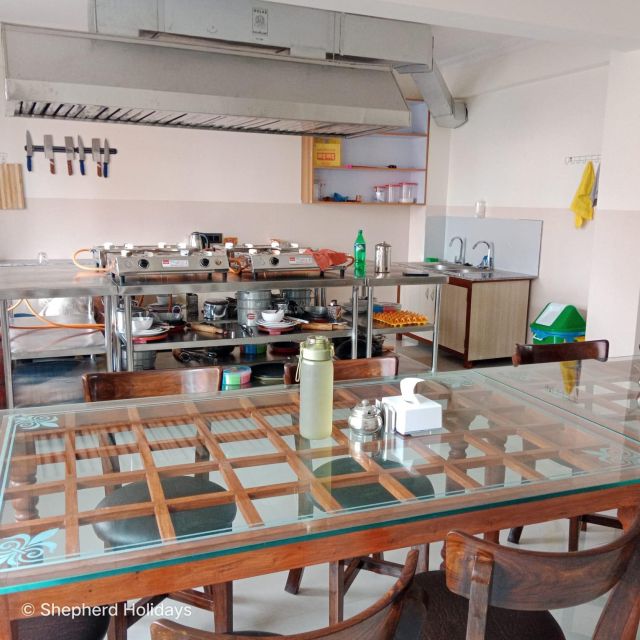
Kathmandu has a way of making food feel like a daily culture, not a tourist activity. This class is located in the same building as Shepherd Holidays, just a short walk from Thamel, which matters if you do not want to spend your morning (or afternoon) figuring out transport.
The time is also realistic. Three hours sounds short until you are standing over a hot pan learning how to portion, season, and work with common Nepali ingredients. By the time you sit down to eat, you will understand what you made and why it tastes the way it does.
I like that it is not a rushed demo. You are actively chopping, stirring, and seasoning with a helper and instructor on hand. That hands-on pace is what makes the dishes easier to repeat later at home, even if your kitchen setup is smaller and your spices are different.
You can also read our reviews of more cooking classes in Kathmandu
Choosing Your 3 Dishes, Dal Bhat to Chatamari
Before the cooking starts, you choose any three dishes from a list. That choice is the biggest reason this class feels personal instead of scripted.
Here is the menu you can mix and match:
- Dal bhat
- Chicken or veg momos
- Bara
- Yomari
- Chicken curry with roti
- Chatamari (often called the Nepali pizza)
- Thukpa
- Mushroom choila
- Carrot pudding
If you are the type who likes variety, you can build a balanced plate. For example, you might pick one filling main (dal bhat or chicken curry), one snack or side (bara or choila), and one dish that is clearly Nepali and fun to make (chatamari or momos).
I also like the flexibility. You can go savory-sweet if you want, since Yomari and carrot pudding are on the menu too. And if you are traveling with someone who prefers different flavors, choosing three dishes is an easy way to compromise.
One caution: the class runs at a set duration, so you cannot pick every dish. Plan your three and commit to them. It makes the experience smoother and helps you learn the technique instead of juggling too many recipes.
What You Actually Do in the Kitchen

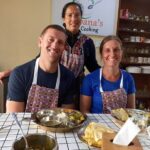
The class starts with a welcome and something warm to drink. You get a complimentary cup of tea or coffee on arrival, which helps you settle in before you start cooking.
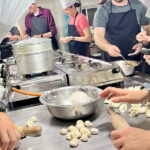
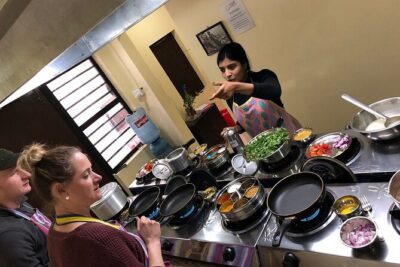
Then the real work begins. Your instructors prepare the workspace and ingredients, and you work with what is already cut or measured enough for you to cook confidently within three hours. You are not guessing. The process is taught step by step: how to work with the batter, how to season, when to adjust heat, and what the finished textures should look like.
In a cooking class, the best part is usually the moments that teach you control:
- You learn how thick or thin a batter should be
- You learn when a lentil mixture turns from wet to set
- You learn how dumpling wrappers and fillings should feel before cooking
- You learn how to balance spice without making everything one-note
You might be taught by local chefs such as Bikram and Kamal. Since English, Hindi, and Nepali are available, it is easier to ask questions and get answers in a way you understand, not just nod along.
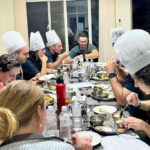
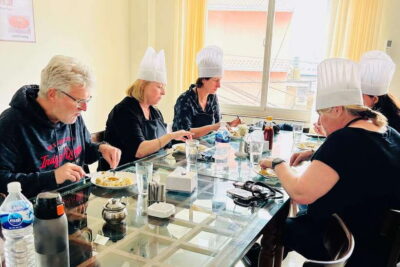
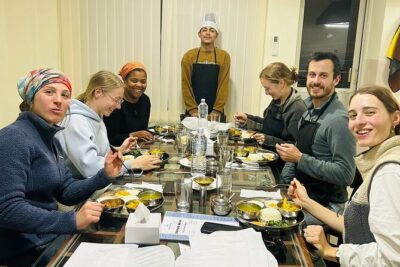
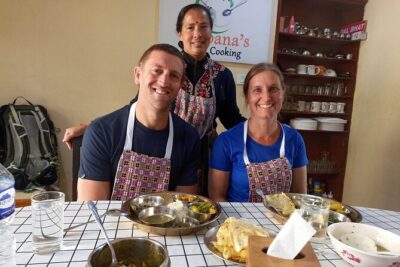
After cooking, you do not leave with a takeaway you barely trust. You sit down and eat the dishes you made. That final meal is part training and part reward, and it is where you discover if your seasoning choices were spot-on or if you would tweak them next time.
Menu Notes: What Each Dish Teaches You

A Nepali cooking class is not only about recipes. Each dish is a lesson in a different cooking skill. Here is what each menu item usually teaches, and what to expect on taste and texture.
Dal Bhat, the Everyday Benchmark
Dal bhat is the quintessential combo of lentils and rice. If you pick this dish, you are learning an anchor of Nepali meals: the method for seasoning lentil soup so it tastes deep but not heavy, and the rhythm of serving with rice.
Why it is a good class choice: dal bhat teaches you the basics that transfer to other recipes. You practice seasoning, adjusting thickness, and understanding how lentils change as they cook.
A few more Kathmandu tours and experiences worth a look
Momos, Dumplings With a Technique
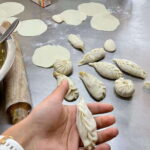
Momos are dumplings, chicken or veg, and they are loved for a reason. Choosing momos is smart if you want a clear shape, a filling, and a cooking step where timing matters.
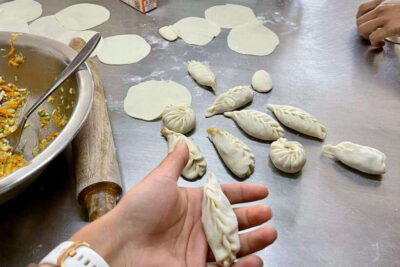
The dumpling lesson often feels like a mini workout: getting filling ratios right, working the wrapper, and cooking until the texture is right. Even if you do not perfect the look, you usually learn the core method well enough to repeat at home.
Chatamari, the Nepali Pizza Idea
Chatamari is often described as the Nepali pizza, but it is not just a topping delivery system. It is a flat preparation where toppings and base texture matter together.
This one is fun because it is visually satisfying and lets you choose from diverse topping styles. If you like making food that looks good on the plate, this is a great pick. If you want a dish that feels shareable and not too complicated, it works well.
Bara, Crispy Outside, Soft Inside
Bara are lentil patties that are deep-fried, with a contrast of crisp exterior and tender interior. This is the kind of dish where heat control is everything.
Pick bara if you enjoy snack foods and you want to learn how lentil batter fries. It also makes a nice addition to heavier mains like dal bhat or chicken curry, because it brings a crisp texture you do not get with rice and soup.
Yomari and Carrot Pudding, Nepali Sweets
If savory cooking is your thing, sweets might feel like a bonus. In this class, Yomari and carrot pudding are included on the menu options, which means you can choose a dessert that fits Nepal’s ingredient habits, not generic sugar-only sweets.
Yomari is a sweet dumpling filled with jaggery and sesame seeds. Carrot pudding teaches you how to balance sweet and spice in a dessert format that feels local.
These choices help you understand that Nepali cuisine is not only about spice and warmth. It also has a strong sweet side built around specific flavors and ingredients.
Chicken Curry With Roti, Comfort With Spice Structure
Chicken curry with roti is a classic pairing: aromatic chicken curry plus roti for scooping and eating. If you pick this, you learn how spice blend and cooking time create flavor depth, and how roti functions as a tool for eating.
This is a safe choice if you want something familiar enough to enjoy immediately, but still distinctly Nepali in seasoning.
Thukpa, Noodle Soup With a Neighborly Connection
Thukpa is a hearty noodle soup with origins in Tibetan cuisine and a strong place in Nepali food culture. It is a great option when you want warmth and comfort without frying.
If you choose thukpa, you can expect a dish that teaches you about broth flavor and how noodles fit into soup timing. It is also a good pick if you are not in the mood for dumpling work.
Mushroom Choila, Spicy Marinated Flavor
Mushroom choila is a spicy marinated mushroom dish. This is for you if you like bold flavor and tang that comes from marination and spice.
This dish feels like the kind of plate that works as both snack and meal companion. It also helps you understand how Nepal uses spice to build flavor, not just heat.
Price and Value: Is $29 Fair for a 3-Dish Class?

At $29 per person for a 3-hour cooking class, the value is strongest when you look at what is included:
- Ingredients and all equipment to prepare food
- Instructor and helper
- The food and drink you prepare during class
That matters because cooking classes can get expensive fast when you factor in ingredients, time, and guidance. Here, you are not just watching. You are making dishes, and you get to eat what you cook.
The pricing also makes sense for a location close to Thamel. That area can add costs to transport and tours, but the class setup includes the main essentials so you are paying for the lesson and meal, not just the venue.
One extra note: recipes may be available for a small fee. If you want to recreate your meal later, that option is worth asking about while you are there.
Logistics That Affect Your Day (In a Good, Practical Way)

The class runs for three hours, so it is manageable even if you only have part of a day in Kathmandu. Because it is a walkable trip from Thamel, you can fit it around a morning market visit or an afternoon exploring session.
If you are staying outside Thamel, there is a pickup and drop-off add-on available on extra charge. That option can save time and stress, especially if you do not want to navigate traffic or short rides after cooking.
Language support is another practical advantage. In addition to English, you can get help in Hindi and Nepali. That reduces the risk of misunderstandings, especially for steps like dumpling technique, fry timing, and spice adjustments.
Who This Class Fits Best, and Who Might Want Another Option

This cooking class is a strong match if:
- You want hands-on skill, not a food walking tour
- You like choosing your own menu, so you can build the meal you want
- You want to learn techniques you can use again at home, especially with dal bhat, momos, and chatamari
- You appreciate local instruction and easy communication
It may be less ideal if:
- You are extremely picky about one specific dish and the menu day does not match your choice
- You only want to sample foods and do not want to cook anything yourself
- You expect beverages beyond the tea or coffee to be included without extra cost
Final Call: Should You Book This Kathmandu Cooking Class?
If you want a Kathmandu experience that is hands-on, practical, and centered on Nepal’s everyday flavors, I think this is worth booking. The combination of three-dish choice, local coaching, and ending with the meal you made is a clean formula for a good value day.
My advice: pick dishes that teach you different techniques. Dal bhat or chicken curry gives you a “base meal” skill. Momos or chatamari teaches you structure and assembly. Bara or choila adds texture and spice behavior. Then you will leave with more than recipes, you will leave with a working understanding.
If you are in Kathmandu and you like food that feels real, not staged, this is the kind of class you can build into your trip and remember long after you return home.
FAQ

How long is the Kathmandu cooking class?
The cooking class lasts 3 hours.
How much does it cost?
The price is $29 per person.
Where does the class take place?
The class is in the same building as Shepherd Holidays.
Is the class near Thamel?
Yes. It is described as being a short walking distance from Thamel.
Do I choose my dishes?
Yes. You choose any three dishes from the available menu.
What dishes can I choose from?
The menu includes dal bhat, chicken or veg momos, bara, yomari, chicken curry with roti, chatamari, thukpa, mushroom choila, and carrot pudding.
What is included in the price?
Included are ingredients and all equipment, an instructor and helper, and the food and drink prepared during class.
Are pickup and drop-off included?
Pickup and drop-off are available as an extra-charge add-on.
What languages are spoken during the class?
The instructor can teach in English, Hindi, and Nepali.
More Workshops & Classes in Kathmandu
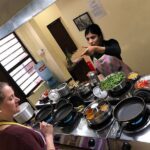
More Cooking Classes in Kathmandu
More Tour Reviews in Kathmandu


Not for you? Here's more nearby things to do in Kathmandu we have reviewed


Kathmandu Cooking & Momo Classes, compared.
 ★ 5.0Half day cooking class in Thamel kathmanduFrom $28607 reviews
 ★ 4.9Local Women-Led Nepali Cooking & Momo ClassFrom $4360 reviews
 ★ 5.0Local Lead Nepali Cooking & Momo-Making ClassFrom $5212 reviews
Local Women Lead Nepali Cooking ClassFrom $30125 reviews
★ 5.0Local Lead Nepali Cooking & Momo-Making ClassFrom $5212 reviews
Local Women Lead Nepali Cooking ClassFrom $30125 reviews
 ★ 5.0The best Private Nepali Cooking Class in KathmanduFrom $2483 reviews
 ★ 4.8Traditional Momo Making Class & PickupFrom $460 reviews
 ★ 5.0Traditional Nepali Momo Making ClassesFrom $1853 reviews
 ★ 4.9Local Women-Lead Nepali Cooking & Momo ClassFrom $545 reviews
Browse the lists this tour appears in