
A cold morning. A warm chai. Then Everest shows up. This Everest Experience Trek is built around classic Everest View scenery plus Sherpa culture, with lodge nights and guided trekking that keeps you focused on the trail instead of paperwork.
I especially like that your core logistics are handled, including permits like the TIMS card and national park entry, and that you get guided pacing and support through the whole route. I also like the mix of big-mountain views with human-scale stops, such as Tengboche Monastery and nearby Sherpa villages.
One thing to consider: the trek is active, with multiple days at about 5 to 7 hours of hiking, and the big airfare to and from Lukla is not included, so you will want to budget for those flights early.
Key points before you lace up
- Permits and TIMS are included, so you can skip the most annoying part of pre-trek admin.
- Licensed guide coverage (up to five trekkers) plus an extra guide for larger groups means you are not just a herd with a whistle.
- Tengboche Monastery is a real cultural and viewpoint stop, not just a photo stop.
- Lodge trekking style with full meal support keeps your daily planning simple.
- You carry your own load because a porter is not included, so pack like a pro.
- A flight back to Kathmandu caps the trip with final panoramic views and a clean end point.
Why this Everest View route feels practical, not just scenic
The Everest region can be a lot of hype and a lot of waiting around. This route trims the stress by combining a short Lukla flight, structured trekking days, and lodge stays. You get the mountain drama of Everest and its neighbors, plus the feeling of moving through real Sherpa territory instead of only passing through.
I like that the day-by-day plan is built for gradual acclimatization through hiking and altitude exposure. You start with a gentler river walk, then you reach Namche Bazaar where the views start to sharpen and the trail gets more “Himalaya” in its vibe, pine forests, bridges, and steep little surprises.
You should also know the pacing is not a couch-to-Everest miracle. You will hike most days for several hours, often 5 to 7 hours, and you should plan for fatigue on return days when the scenery is great but your legs are tired.
You can also read our reviews of more hiking tours in Kathmandu
Price and value: what $790 covers, and what it does not
At $790 per person, the value depends on what you already have booked. The trip price is reasonable if you want a guided, meal-supported trek with the key permits handled.
Here is what is included:
- All airport-hotel transfers in Kathmandu by private tourist vehicle
- Standard trekking lodge accommodations on the Everest View trekking route
- Meals during the trek: 6 breakfasts, 5 lunches, 5 dinners, with tea or coffee included with meals as stated
- Permits and documentation: Everest National Park permit, Pasang Lhamu Municipality entry, and the TIMS card
- A licensed trekking guide, including salary, meals, and accommodation
- Extra guide for groups over six
- First-aid medicine items
- Seasonable fruits
- A t-shirt and trip certificate after completion, plus local and government taxes
Here is what is not included:
- International flights plus Kathmandu to Lukla and Lukla back to Kathmandu airfare
- Travel insurance
- Drinks, including desert, bars, and other beverages
- Tips for crew members
- Porter
That last one matters. If you are the type who likes to keep your pack light, great. If you hate carrying everything, you may feel the difference without a porter. Budget for either a smaller pack or plan to pay for portering separately if you decide that you need it.
Kathmandu start: Thamel, airport pickup, and trek prep
Your trek begins in Kathmandu with an arrival day that is designed to keep things simple. You land at Tribhuvan International Airport, then you get transferred to your hotel in Thamel. There is a briefing and time to prep gear and paperwork, and then you spend the night in a 4-star hotel in Kathmandu.
This matters more than it sounds. If you have never dealt with Nepal trek logistics, the briefing is where you get your head on straight. It is also your time to sanity-check your packing: layers, rain shell, trekking shoes, and anything you might want for high-wind or cold mornings.
Thamel is also convenient for pre-trek errands. You are not far from public transportation, which is handy if you need last-minute items, and you likely will want a short walk or meal before turning in.
Day 2: Lukla flight and the easy start toward Phakding
On day two, you fly from Kathmandu to Lukla, a flight duration listed as about 30 minutes. Then you walk for about 3 to 4 hours along the Dudh Koshi River to Phakding.
This is a smart way to begin. The first day of trekking is not the time to test your limits. It is the time to find your rhythm, get used to lodge rhythms, and learn how your body reacts once you start walking at altitude.
If you are sensitive to motion or nerves, give yourself a little extra calm. Those flights can feel intense even when they are routine. Once you are on the trail, the walking is gentle, river views are a nice distraction, and you get your first full night in the trek zone.
Overnight: Phakding. Expect lodge trekking style with meals included as part of the package.
Day 3: Namche Bazaar, bridges, pine forests, and first Everest views
Day three is where the trek starts to feel like the real Everest story. You hike for about 5 to 6 hours to Namche Bazaar, crossing suspension bridges and moving through pine forests.
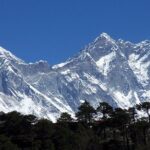
You also get your first real Everest glimpses along the way. That is the kind of moment that can change your mood instantly. One minute you are focused on footsteps, the next minute you are looking at Everest’s silhouette and trying to decide where to stand for the best photo without blocking the path.
Namche Bazaar is where you feel the mix of cultures and commerce. It has a big-trek hub vibe, but it is still very much a living Sherpa town. You will sleep there, and that night is part of the acclimatization value of the route.
Overnight: Namche Bazaar.
A few more Kathmandu tours and experiences worth a look
Day 4: Tengboche Monastery, Everest and Ama Dablam panoramas, and holy calm
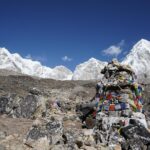
Day four is one of the standout cultural days. You walk for about 5 to 6 hours to Tengboche. The highlight is a visit to Tengboche Monastery, with panoramic views of Everest and Ama Dablam.
This is not only about the scenery. Monasteries here are active places. Even if you are not religious, you should treat the visit with respect, move quietly, and follow guidance from your guide.
The trek itself tends to feel like it is getting more scenic and more altitude-aware. The air can feel sharper, and you may notice that your breathing wants to slow down a bit even if your legs want to keep moving. Let that happen. Your goal is to arrive feeling better, not wrecked.
Overnight: Tengboche.
Day 5: Retracing to Manjo, scenery time, and not rushing your senses
Day five brings a return loop, hiking back to Manjo via Namche Bazaar. The walk is about 6 to 7 hours, which sounds like a lot until you remember the benefit: you know the general geography now.
You also get ample time to enjoy the scenery on the way back, and this day can feel almost like a “second look” at the places you already walked past. That is a nice rhythm shift on a trek like this, especially if you are the type who likes to watch how light changes on mountains.
One practical tip for this kind of retrace day: pay attention to footwear and pack fit. Fatigue can make blisters show up when you do not expect them. Keep your pace steady and your breaks short but frequent.
Overnight: Manjo.
Day 6: Back to Lukla, then onward energy
Day six is a longer travel-summit vibe without actually climbing high points. You hike from Manjo to Lukla with a trek duration listed as 6 to 8 hours.
The route includes going downhill to Phakding, then hiking for about three hours up to Lukla, with time to enjoy the scenery. That “downhill then uphill” pattern is exactly why pacing matters. Even if one portion feels easier, your body still has to handle the second effort.
Overnight: Lukla.
Day 7 and 8: The return flight and finishing with fresh eyes
On day seven, you fly for about 30 minutes back to Kathmandu. You then have time to explore or simply relax, with an overnight night in Kathmandu again.
Day eight is all about your final return to home or the next program. You go from your hotel area to Tribhuvan International Airport for your flight, with a 30-minute transfer time listed.
What I like about ending with a flight is that it keeps the last day from turning into a slog. You also get the chance to look at the mountains one more time from the air before the region fades into memory.
Lodges, meals, and comfort: how to plan your daily energy
This trek is lodge-based on the Everest View trekking route, and meals are included: breakfasts, lunches, dinners, with tea or coffee stated with meals.
That matters because it keeps you from making constant decisions. On higher altitude travel, decision fatigue is real. Here, you can focus on hydration and pacing instead of where to eat next.
A few practical comfort notes you should plan around:
- Expect cold mornings at altitude and temperature swings even within the same day.
- Pack layers so you can adjust without getting soaked.
- Use your lodge meal breaks to reset your body, not just fill your stomach.
Since drinks and beverages bills are not included, you should also budget for personal choices. Hot drinks are often part of the trek experience, and you may want extra than what comes with the included meals.
Culture and wildlife: what you may spot along the way
The program is built around Sherpa culture and classic stops. Tengboche Monastery is clearly included in the walking day. The broader program overview also highlights Khumjung Monastery and Hillary School, plus time in Sherpa villages.
That is a good balance if you want more than just mountain views. It gives you context for what you are seeing, and it connects the landscape to the people who live here.
For wildlife, the overview mentions you might spot pheasants, musk deer, and Himalayan Thar. You should treat that as a possibility, not a promise. In practice, wildlife sightings depend on timing, trail conditions, and luck.
Guides, safety, and permits: the stuff that keeps the trip smooth
This trip uses a licensed trekking guide, and the plan includes first-aid medicine items. For up to five trekkers, you have one guide, and when the group is over six, there is an additional guide with salary, meals, accommodation, and transport covered.
I like this structure because it usually translates into better trail management and less waiting. On busy days or in tricky terrain, having guidance matters.
Permits and cards are handled too. You get the Everest National Park permit, Pasang Lhamu Municipality entry, and the TIMS card. When those are included, you reduce the risk of last-minute hassles and you spend less time trying to figure out what document you are missing.
Also, guide communication can make a big difference. In prior experiences with this operator’s team, the point of contact has been reported as fast and clear, and guides have been described as setting up a hotel meeting so you can get oriented early. When you are trying to stay calm before a mountain trip, that kind of responsiveness is worth a lot.
Packing and pace: how to make the week feel easier
Because a porter is not included, your packing strategy is the biggest lever you control. Keep your main pack light and make sure you can access essentials like water, snacks, and a warm layer.
For pace, think “steady and conversational.” If you are walking in a way that makes talking impossible, slow slightly. You want to arrive at the next lodge feeling ready to eat, not too wiped out to enjoy the evening.
If you know you want to move faster, you can mention your pace preferences to your guide during the briefing. The guide team has experience with different Everest route timelines, including faster schedules on longer Everest-related treks, so they may be familiar with how to adjust pacing without turning the trip into chaos.
Who this tour fits best
This is a good match if you:
- Want a classic Everest region trek without the intensity of a full high-altitude expedition
- Like having meals and lodges covered, so you can focus on walking and scenery
- Prefer a guided route with permits handled
- Are comfortable carrying your own gear for several hiking days
It may not be ideal if you:
- Strongly prefer to use a porter and would feel stressed without one
- Do not want to plan or budget for Kathmandu to Lukla flights
- Are looking for a very gentle, short trek with minimal hiking time
Should you book this Everest Experience Trek?
If you want an organized Everest View experience that keeps the logistics tight and the scenery front and center, I think this is a solid choice. The best value comes from the included meals, lodge nights, and the fact that permits and TIMS are taken care of. That combo saves time and reduces the chances of pre-trip headaches.
Before you book, do two quick checks:
- Make sure you are okay with the fact that Lukla flights are not included and you will need to line those up.
- Pack with your no-porter reality in mind, and aim for a load you can carry comfortably for 6 to 8 hour hiking days.
If those fit your style, this route is a practical way to see Everest up close, mix in Sherpa culture, and end with a clean return to Kathmandu.
More 6-Day Experiences in Kathmandu
More Hiking & Trekking Tours in Kathmandu
More Tour Reviews in Kathmandu
Not for you? Here's more nearby things to do in Kathmandu we have reviewed


6-Day Experiences, compared.
 ★ 5.06-Day Limitless Langtang TrekFrom $18121 reviews
 ★ 5.06 Days Muktinath Tour Package in NepalFrom $70020 reviews
6 Days/5 Nights Private Kathmandu Pokhara TourFrom $2,4479 reviews
★ 5.06 Days Muktinath Tour Package in NepalFrom $70020 reviews
6 Days/5 Nights Private Kathmandu Pokhara TourFrom $2,4479 reviews
 ★ 5.06 Days Langtang Valley Trek with Kyanjin RiFrom $1797 reviews
 ★ 5.06 Days Private Himalayan Dreams of NepalFrom $2,1896 reviews
Browse the lists this tour appears in